
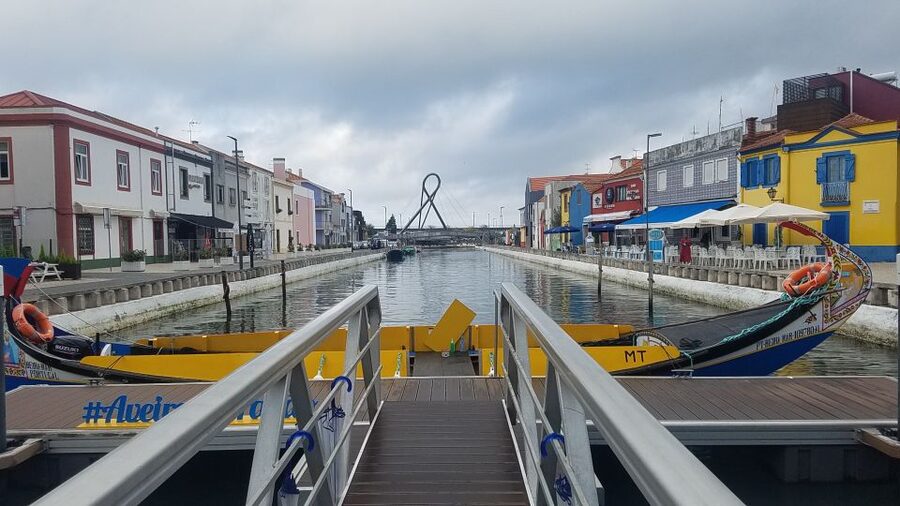
REVIEW · AVEIRO AND COSTA NOVA
Aveiro: Stories, Canals, and Azulejos Guided Walking Tour
Aveiro has a talent for turning small streets into big stories. On this two-hour guided walking tour, you connect azulejos, churches, and canal life in a way you would not piece together on your own.
I especially love how much you notice. You go from Rua de Coimbra’s black-and-white calçada à portuguesa to tile panels like Casa de Santa Zita and Sapataria Leão, with the guide pointing out what those designs are doing and why they matter. I also like the sensory payoff, the tour gets real about the salt-and-lagoon feel around the Canal da Fonte Nova and the Ria de Aveiro.
One thing to consider: this is an on-your-feet walk in rain or shine, and it is not suitable for people with mobility impairments or wheelchair users, so comfy shoes and stamina matter.
In This Review
- Key highlights you will feel right away
- Aveiro’s azulejos and canals are a perfect match for a two-hour tour
- Meeting at Praça da República, then Rua de Coimbra’s calçada à portuguesa
- Carmelite Convent Church, baroque details, and tile panels that actually tell stories
- Dominican Convent of Jesus and Princess Santa Joana: history you can picture
- Canal da Fonte Nova: where ceramics meets the water
- Ria de Aveiro salt smells, lagoon boats, and how canals function
- Beira Mar tile streets, Art Nouveau and Art Deco marks, and iron architecture
- Saltpans route: Aveiro’s power from the 11th to the 15th, then revival
- Aveiro tastes you can picture: eel stew and ovos moles
- Ending at Church of São Gonçalinho and the January festival sweet ritual
- Pace, fitness, and what to wear for a rain or shine walk
- Price value at $20, plus what to pair it with in Aveiro
- Should you book the Aveiro Stories, Canals, and Azulejos tour?
- FAQ
- How long is the Aveiro guided walking tour?
- Where do I meet the guide, and where does the tour end?
- What does the tour cost?
- What is included in the tour price?
- What languages is the live guide available in?
- Who is the tour not suitable for?
- What should I bring, and can I get a refund if plans change?
Key highlights you will feel right away
- Tile spotting made simple, from early-modern azulejos to today, with specific buildings named as you pass.
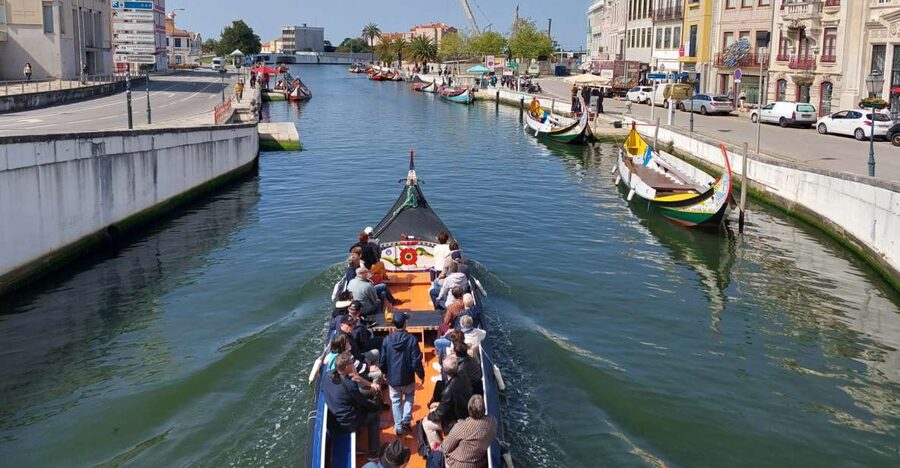
- Canals and lagoon life explained, including how the canals formed and how traditional lagoon boats fit into Aveiro.
- Church stops that stay memorable, like the Carmelite Convent Church and the Church of São Gonçalinho.
- Art Nouveau and Art Deco details, plus iron architecture from the turn of the 19th to the 20th century.
- Saltpans and Aveiro’s power timeline, covering centuries from the 11th to the 19th.
More moliceiro canal trips and striped-house stops we have taken in Aveiro
- Aveiro: Traditional Moliceiro Boat Tour★ 4.5 · 3,443 reviews
- Aveiro: Scenic Guided Boat Tour★ 4.4 · 1,047 reviews
- Aveiro: Traditional Moliceiro Boat Cruise★ 4.5 · 797 reviews
- Aveiro: Boat Cruise and City Walking Tour with Sweet Tasting★ 4.7 · 318 reviews
Aveiro’s azulejos and canals are a perfect match for a two-hour tour
Aveiro is not only about water views. It is also about surfaces. The city uses azulejos like a visual map, and the canal network makes the whole place feel practical, working, and alive.
This tour is built around that mix. You get churches and convents, but you also get the “why” behind the canals and the lagoon. Even if you only have a short window, you leave with a mental picture of how Aveiro operates, what it valued, and what it built.
At two hours, the pace is focused rather than rushed. You are not trying to “check off” everything. You are learning how to see the city in layers, tile first, then architecture, then water and history.
Meeting at Praça da República, then Rua de Coimbra’s calçada à portuguesa
You start at Praça da República, near the statue in the center of the square. Your guide will be wearing a yellow and blue badge, and that quick visual cue matters, because you want to start moving instead of hunting.
From the square, you reference major landmarks right away, including the Town Hall and the Misericórdia church. Then the tour moves down Rua de Coimbra, where the guide talks about the black and white calçada à portuguesa. This is one of those things that looks decorative until someone explains how deliberate it is. Once you know what to look for, the paving becomes part of the story, not just a pretty pattern underfoot.
Practical tip: wear shoes you trust. Aveiro’s pavements look charming, but you will cover enough ground that sore feet will take the fun out of the tile photos.
Carmelite Convent Church, baroque details, and tile panels that actually tell stories
In the Marques de Pombal square, you enter the Carmelite Convent Church. It is described as small, but impressive, and that fits what you will likely feel: you can take it in without feeling overwhelmed, yet the baroque details make you want to slow down.
Next, the route turns into an azulejo walk. You see the tile panels of Casa de Santa Zita and Sapataria Leão. These stops matter because they show how ceramics work as public storytelling. The guide’s job here is not just to point at the tiles, it is to connect the tile style and the building to the city’s timeline.
If you like architecture that you can “read,” this portion is where you start doing it. You will likely find yourself looking at edges, corners, and motifs more than you would walking past on your own.
Dominican Convent of Jesus and Princess Santa Joana: history you can picture
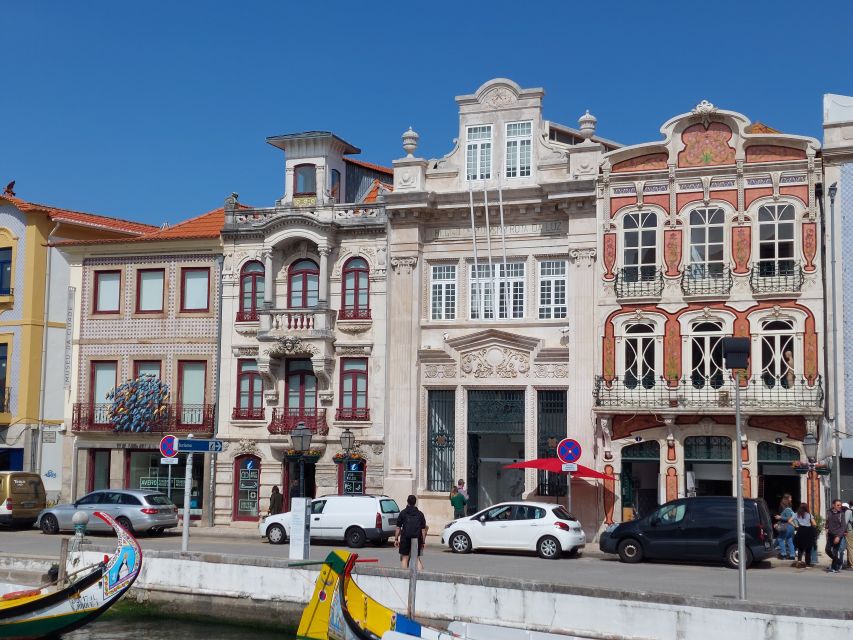
After you pass the cathedral area, you move toward the Dominican Convent of Jesus. This stop is about people and identity in Aveiro, especially the city’s patron saint, Princess Santa Joana.
What makes this part work is that the guide ties the story to what you can see. You are not stuck with facts floating in the air. You are looking at place, then you get the human thread that makes that place stick.
This is one of the reasons the tour consistently gets high marks. The best guides here do not treat churches like museum objects. They treat them like anchors for real local tradition and memory.

Canal da Fonte Nova: where ceramics meets the water
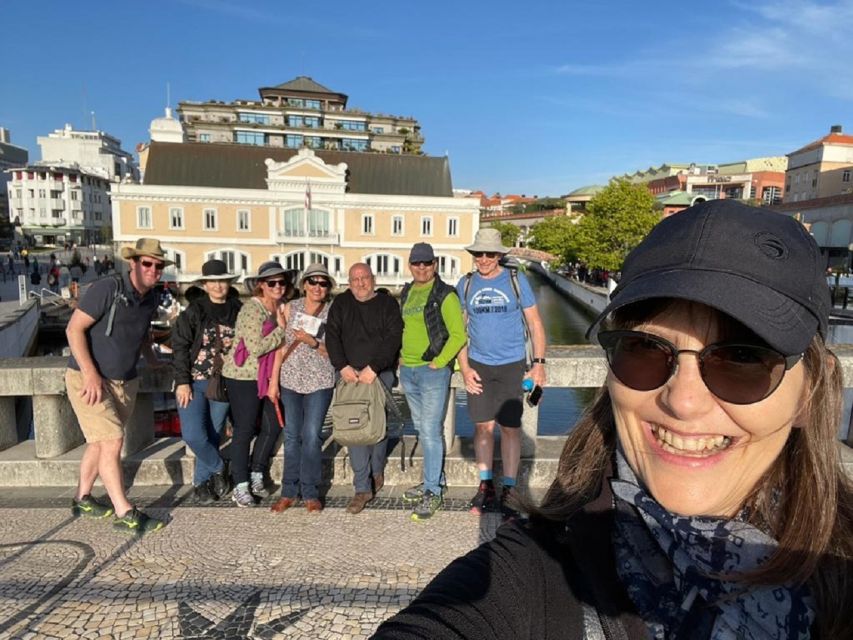
Then you go on to the Canal da Fonte Nova. You are not just staring at water, you are learning why that water mattered. The guide points out that the building connected to one of the many ceramics factories that once existed there is still standing.
That detail is huge for understanding Aveiro. Ceramics and canals are not separate topics. The city’s economic life and its visual style reinforce each other. Tiles are not only decoration, they are tied to how Aveiro made things and shipped them through its water network.
If you like “seeing industry” in a city, this stop is for you. It helps the tour feel grounded rather than purely aesthetic.
Ria de Aveiro salt smells, lagoon boats, and how canals function
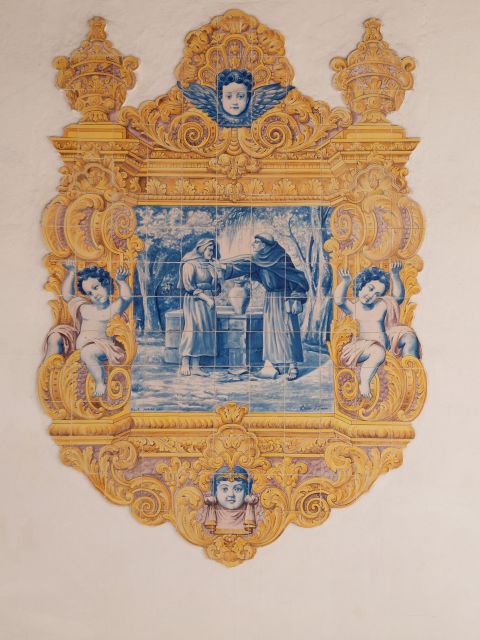
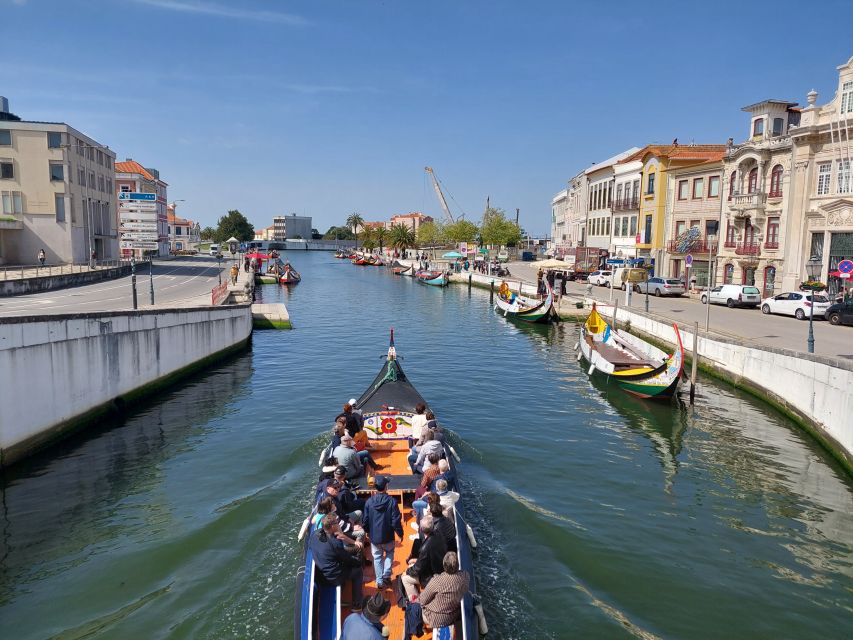
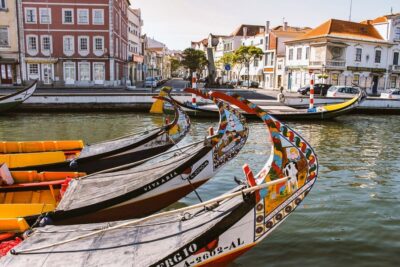
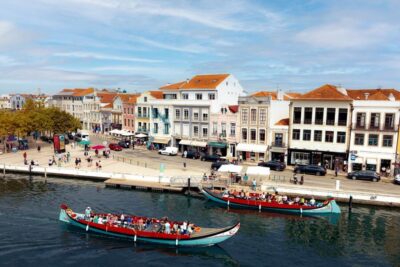
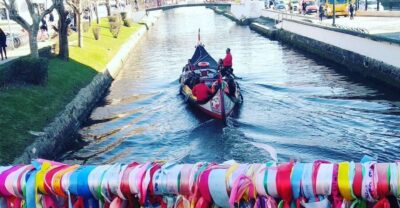
Along the canals, you get the heart of the experience: the genesis and utility of the canals, plus the traditional boats of the Ria de Aveiro. You also get the chance to recognize the moliceiros and mercanteis, because the guide keeps the conversation practical and visual.
This is where the tour can feel like it transports you. Even when you are indoors or sheltered for a moment, you still sense that Aveiro has an atmosphere shaped by lagoon water. The tour even comes with a reminder of what that experience can feel like, the smell of the lagoon and its salt.
Don’t worry, you do not need to be an expert sailor to enjoy it. The guide’s approach is to help you identify what you are looking at, then explain why it exists.
Beira Mar tile streets, Art Nouveau and Art Deco marks, and iron architecture
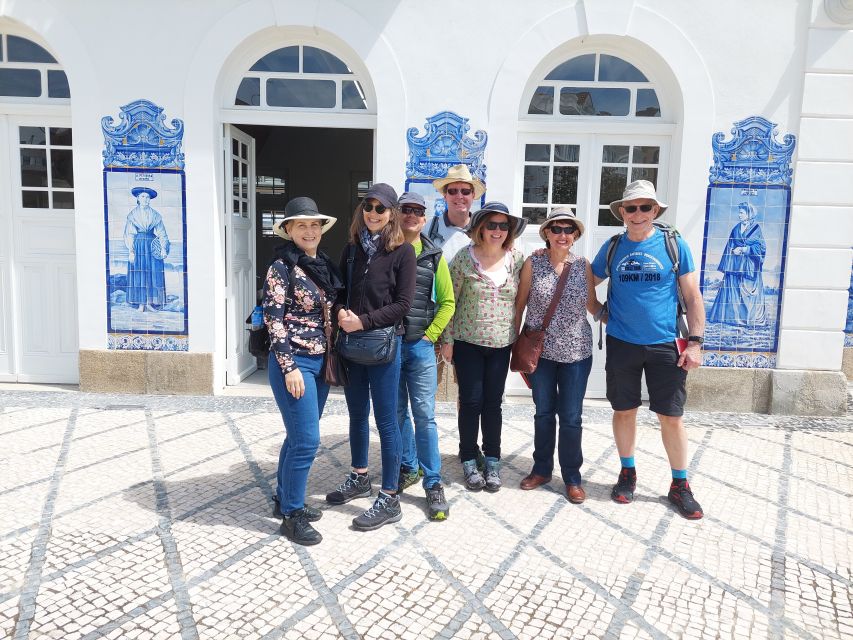
After the canal portion, you shift into the Beira Mar neighborhood. This part is a tile-stare-fest with context. You keep walking, and the guide keeps pointing out ceramic work that fills your eyes, but also architectural style cues you might otherwise miss.
You will spot marks of Art Nouveau and Art Deco, plus iron architecture from the turn of the 19th to the 20th century. One of the standout visual targets is the two façades of the Museum of Art Nouveau. Even if you do not go inside, façades can be enough to teach you what to look for next time you are in Aveiro.
Here is a useful way to think about it. Art Nouveau and Art Deco in Aveiro are not random styles dropped onto buildings. They are part of how the city presented itself during periods of change. The tour helps you connect the look to the time period, so you stop treating façades like wallpaper.
Saltpans route: Aveiro’s power from the 11th to the 15th, then revival

As you head toward the saltpans, the guide talks about Aveiro’s power from the 11th to the 15th centuries, then its crossing of the desert in the 17th and 18th centuries, and finally the revival in the 19th century.
Even if you already know some Portuguese history, this timeline is a helpful way to organize what you see in front of you. Saltpans are not just scenery. They are part of the city’s reason for existing, and this tour frames them as a long-term story rather than a single-day attraction.
If you are the kind of traveler who likes to understand “why a city became what it became,” this is your payoff stretch.
Aveiro tastes you can picture: eel stew and ovos moles
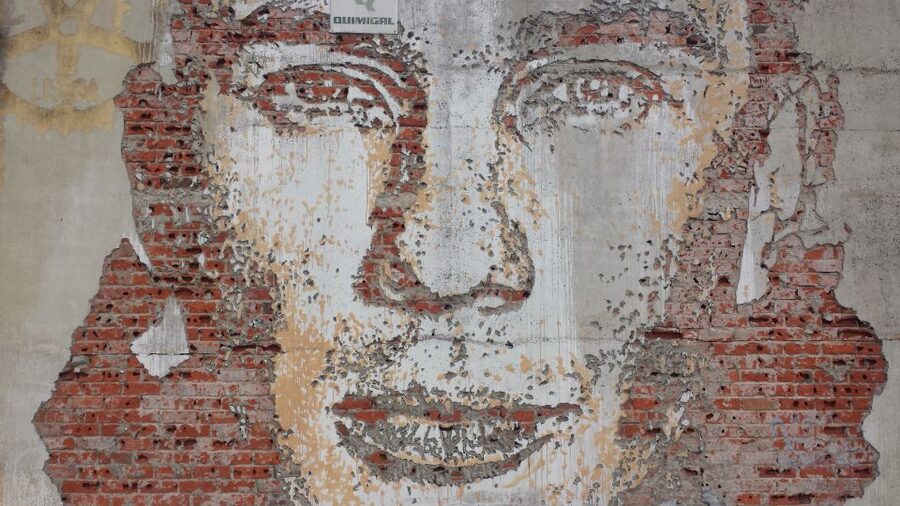
On the way back, the tour brings in local gastronomy. You hear about eel stew and traditional sweets, including ovos moles of Aveiro.
This is not a food tour, so you are not buying tasting plates on the walk. But it is still useful. When you later eat eel stew or order ovos moles, you will recognize the name and the cultural link. That small memory boost can make the meal feel personal instead of generic.
If you want a practical next step, plan to build your food stop after the walk rather than trying to snack during it. The tour includes free entry or walk-through sites, not food service, so your time will be best used letting the guide lead, then eating when you are done.
Ending at Church of São Gonçalinho and the January festival sweet ritual
The tour finishes at the Church of São Gonçalinho. The guide ties the stop to the traditional January festival, where a hard and heavy sweet is literally thrown over the heads of the faithful in a ritual full of joy and tradition.
This ending works because it is communal. You go through tile and architecture, you learn about canals and salt, and then you close with a living tradition tied to a specific church. It reminds you that history is not only in buildings. It is also in annual behavior, shared excitement, and local rhythm.
If you are traveling in January, you might catch related moments around the city. If you are traveling another month, you still get the context for why this church matters when the festival arrives.
Pace, fitness, and what to wear for a rain or shine walk
This tour runs for two hours. It is scheduled with multiple starting times, so check availability based on when you want to fit it into your day.
It takes place rain or shine. That matters in Aveiro, where weather can shift quickly. Bring weather-appropriate clothing and protect yourself with sunscreen. If it is sunny, you will still be outside long enough to need it.
It is also not suitable for children under 10, pregnant women, people with mobility impairments, wheelchair users, or anyone with low level of fitness. The rule is simple: if standing and walking for two hours is tough for you, you will likely feel it here.
What I would recommend you do before meeting the guide:
- Wear comfortable shoes with decent grip.
- Keep your hands free for photos, and avoid anything that slows you down.
Price value at $20, plus what to pair it with in Aveiro
At $20 per person for a two-hour guided walk, the value is mostly in the structure. You are not paying for a big ride or for a full museum day. You are paying for guided seeing, plus access to stops that are either walk-through or free entry.
That mix is a smart deal. You still get major sites, and you keep moving. You avoid wasting time trying to figure out which buildings are connected by history, and which canals connect to the city’s working life.
One review-like takeaway you can plan around is this: if you want a canal boat trip too, it can make sense to do that separately rather than forcing everything into one long block. Pairing a walking tour with a later lagoon experience can keep your day from turning into nonstop transit.
Should you book the Aveiro Stories, Canals, and Azulejos tour?
I think you should book it if you want a guided way to read Aveiro. This is for people who care about details like calçada à portuguesa, tile panels, and the architecture of different eras, and who want those details explained with real local storytelling.
I would skip it if you are planning to rely on museum time, or if you need wheelchair-friendly access. Also skip if two hours of standing and walking sounds like it will be miserable.
If you do book it, come with a simple mindset: look down at the paving, then look up at tiles and façades, then look outward toward the water. This tour trains your eyes to make Aveiro make sense fast.
FAQ
How long is the Aveiro guided walking tour?
The tour lasts two hours.
Where do I meet the guide, and where does the tour end?
You meet your guide near the statue in the center of Praça da República. The tour ends back at the meeting point.
What does the tour cost?
The price is $20 per person.
What is included in the tour price?
All sites are either walk-through or free entry.
What languages is the live guide available in?
The guide offers live tours in Portuguese, French, English, and Spanish.
Who is the tour not suitable for?
It is not suitable for children under 10, pregnant women, people with mobility impairments, wheelchair users, and people with low level of fitness.
What should I bring, and can I get a refund if plans change?
Bring a passport or ID card, comfortable shoes, sunscreen, and weather-appropriate clothing. The tour runs rain or shine. You can cancel up to 24 hours in advance for a full refund.
On Foot Around Aveiro, Other Guided Walks

Aveiro Canals and the Striped Houses, More Trips



Newly added around Aveiro
- Tuk Tuk Tour in Aveiro
★ 4.7 · 50 reviews - Aveiro: Boat Cruise and City Walking Tour with Sweet Tasting
★ 4.7 · 318 reviews - Aveiro: Traditional Moliceiro Boat Cruise
★ 4.5 · 797 reviews - Aveiro: Scenic Guided Boat Tour
★ 4.4 · 1,047 reviews - Aveiro: Traditional Moliceiro Boat Tour
★ 4.5 · 3,443 reviews
Other boats, other operators: Aveiro and Costa Nova.
 ★ 4.5Aveiro: Traditional Moliceiro Boat TourFrom $163,443 reviews
 ★ 4.4Aveiro: Scenic Guided Boat TourFrom $171,047 reviews
 ★ 4.4Aveiro: Half-Day Tour from Porto with CruiseFrom $52963 reviews
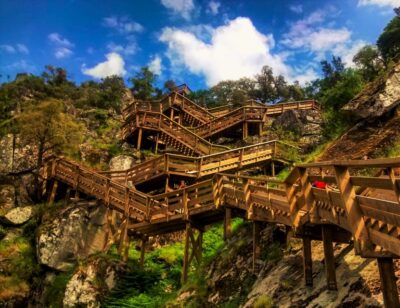 ★ 4.9From Porto: Aveiro, Paiva Walkways and Arouca 516 FootbridgeFrom $142957 reviews
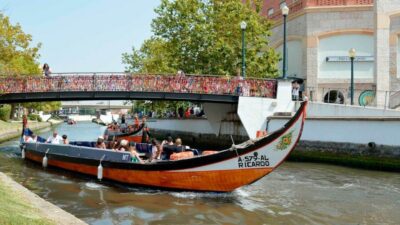 ★ 4.5Aveiro: Traditional Moliceiro Boat CruiseFrom $15797 reviews
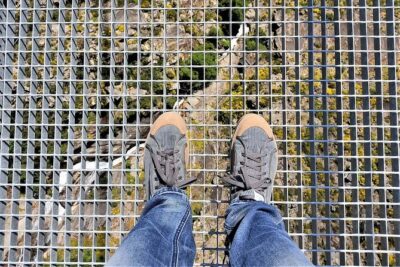 ★ 5.0From Porto: Aveiro, Paiva Walkways, Suspension Bridge and LunchFrom $130434 reviews
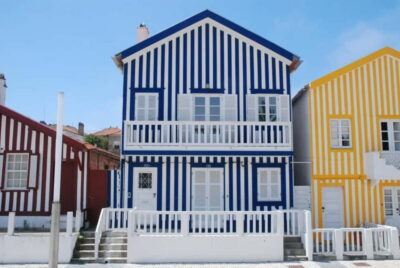 ★ 4.5Porto:Aveiro, Cruise, Costa Nova & Capelha da Pedra Full DayFrom $47434 reviews
 ★ 4.7Aveiro: Boat Cruise and City Walking Tour with Sweet TastingFrom $40318 reviews