
REVIEW · DOURO VALLEY WINE TOURS
Douro Valley: Winery Tour at Quinta do Tedo and Tastings
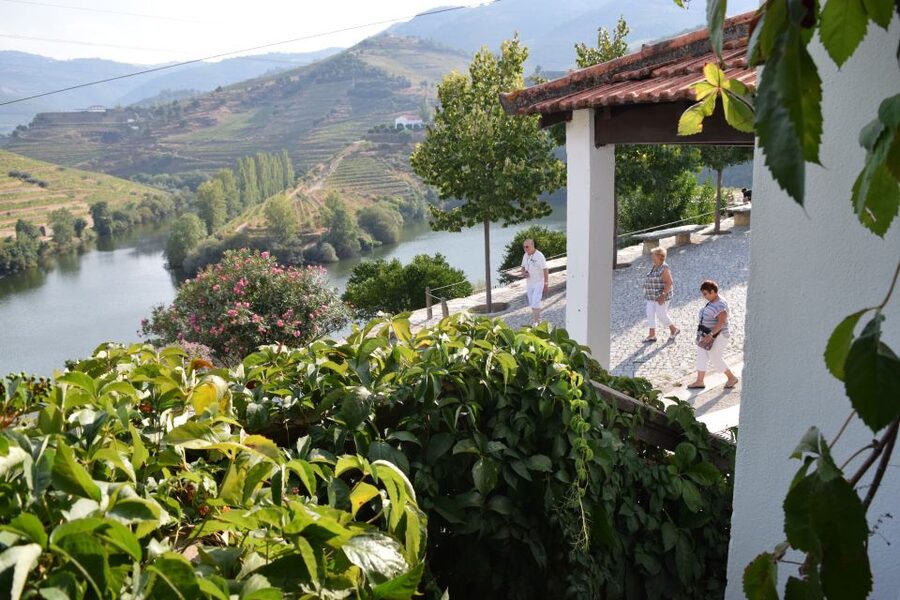
If you like wine, this one is easy to love. Quinta do Tedo sits where the Douro and Tedo rivers meet, and the terraced vineyards plus the estate setting make every explanation feel grounded in the land.
I especially like the focus on estate-grown organic grapes and the clear path from grape to bottle. You also get a full walk through the working side of the property, including vineyards, olive orchards, and the winemaking steps that turn fruit into Porto and red wine.
One consideration: the whole experience is short, about 1 hour total, so if you want a long, slow day of tastings, this format may feel a bit tight.
In This Review
- Key highlights you will notice right away
- Where Quinta do Tedo sits and why the setting matters
- Meeting point and scheduling, so you do not lose time
- The 35-minute guided tour: what you actually see on site
- Vineyards, organic grapes, and class A land, in plain terms
- Foot treading in the lagers and aging in 18th-century cellars
- 30-minute tasting: what you are drinking and how to pace it
- Shopping stop: a small chance to bring bottles home
- Price and value: is $42 worth your hour?
- Who should book, and who might want a longer experience
- If you get Bruno as your guide, expect clear explanations
- Should you book Quinta do Tedo?
- FAQ
- How long is the Quinta do Tedo winery tour and tasting?
- Where is the meeting point?
- How do I know what time to arrive?
- What languages are available for the live guide?
- What wines are included in the tasting?
- Is the tour wheelchair accessible?
Key highlights you will notice right away
- Confluence views from an 18th-century estate at the Douro and Tedo meeting point
- 100 percent estate-grown organic grapes, from class A vineyard land
- A guided walkthrough that covers vineyards and olive orchards, not just a tasting room
- Winemaking basics made concrete, including foot treading in the lagers and aging in 18th-century cellars
- Porto and red wine tasting in a renovated tasting room with river views
- A brief shop window, giving you time to buy if you fall in love with a bottle
Other Douro terrace quintas we have driven out to in Porto
- From Porto: Douro Valley w/ Boat Tour, Wine Tasting & Lunch★ 4.7 · 19,061 reviews
- Complete Douro Valley Wine Tour with Lunch, Wine Tastings and River Cruise★ 5.0 · 12,920 reviews
- Porto: 6 Bridges Douro River Cruise★ 4.3 · 6,472 reviews
- Douro Valley: Wine Tour with Lunch, Tastings & River Cruise★ 4.6 · 6,081 reviews
Where Quinta do Tedo sits and why the setting matters
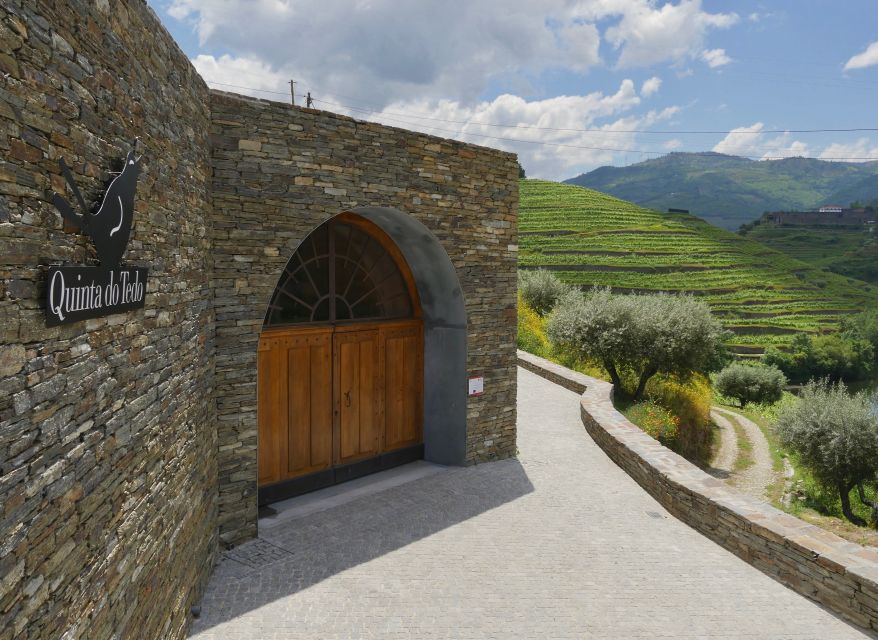
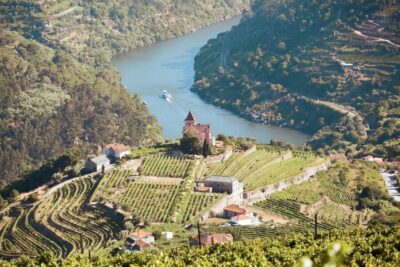
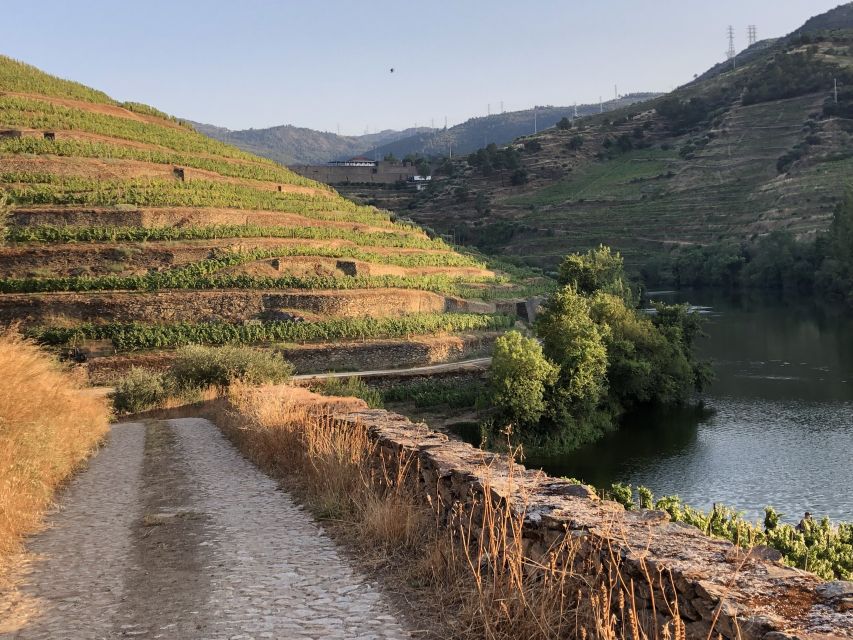
Quinta do Tedo is in Portugal’s Douro Valley region, specifically in the Viseu District area. The key detail is its dramatic location at the confluence of the Douro and Tedo rivers. When you are inside the property, you are surrounded by terraced vineyards that rise up the slopes instead of stretching out flat.
That matters because Douro wine is not abstract. You can see the effort in the terraces. You can feel why grapes are grown here with care, and why producers talk about soil, sun, and slope. Even if you are not a wine nerd, the setting helps you make sense of the production story.
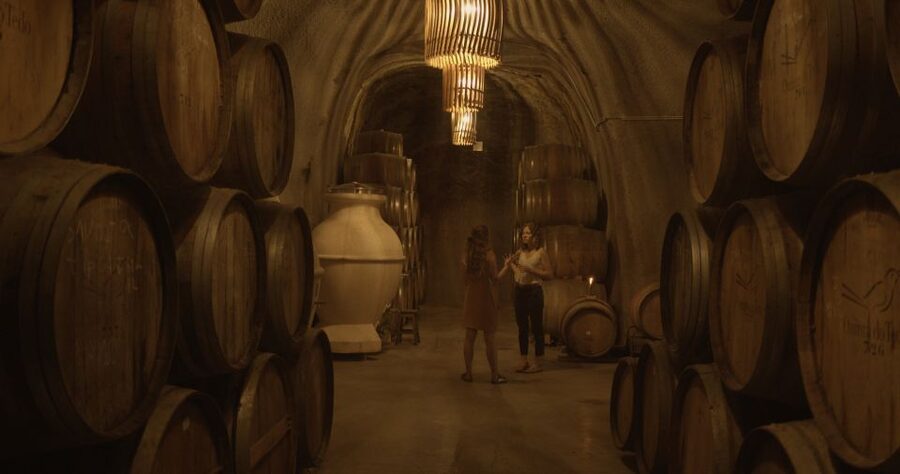
The estate itself is an 18th-century property. That shows up in two places you actually experience: the cellars used for aging and the tasting room where you try the wines. It is not just a pretty backdrop, it is part of how the tour is explained.
Meeting point and scheduling, so you do not lose time
You meet at Quinta do Tedo, about 5 minutes east of Folgosa, at the intersection of EN222 and M512. The simplest plan is to arrive a few minutes early and be ready to match the local team when they confirm your time.
After you book, the activity provider contacts you by email to schedule your visit time, and the tour only runs once that time is set. So if you are building a day around it, treat it like a timed appointment, not a drop-in experience.
The tour is available with a live guide in English, Portuguese, and French, and it is wheelchair accessible. If you need any accommodations, it is worth confirming the exact timing after they email you, just to avoid confusion on arrival.
The 35-minute guided tour: what you actually see on site
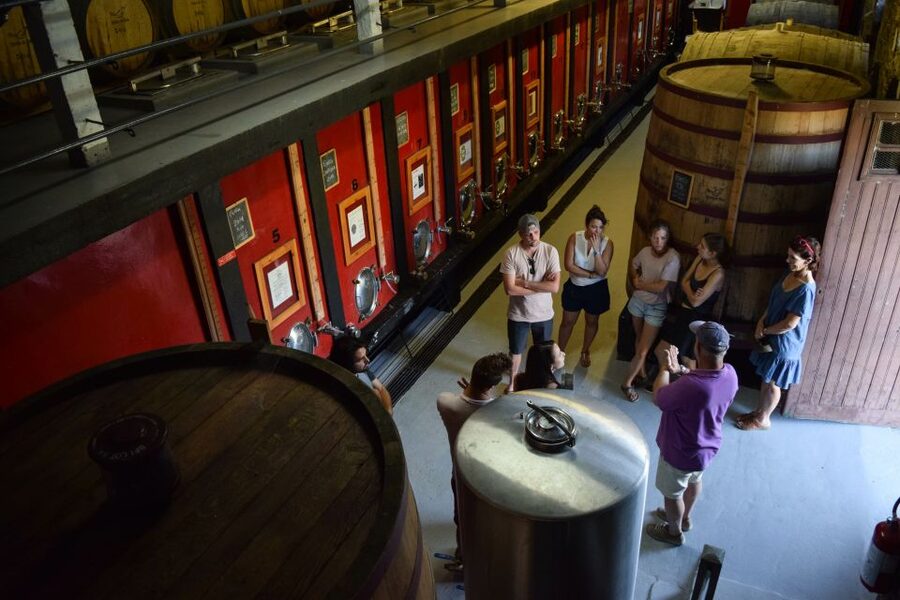
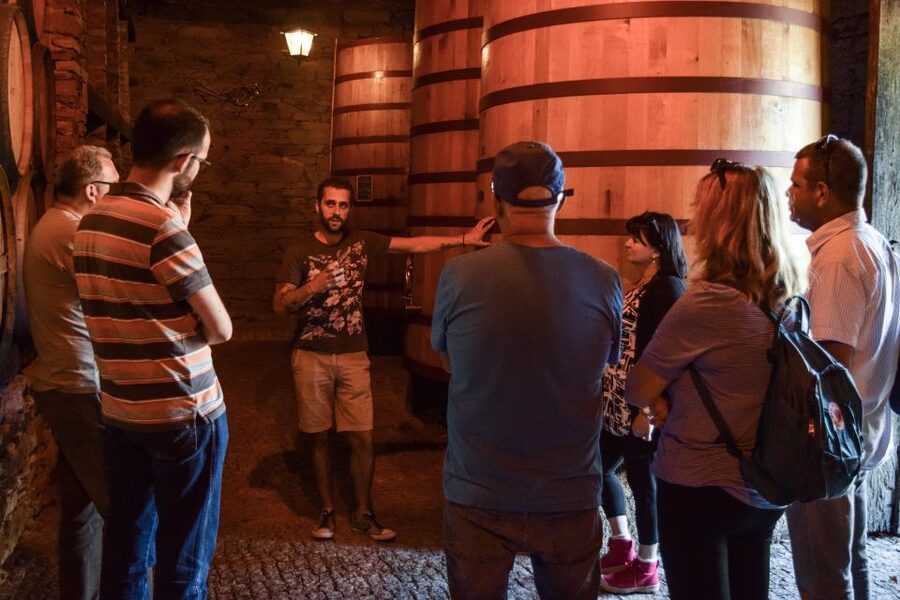
The guided portion is about 35 minutes, and it is structured to give you a working overview of how the estate grows and makes wine.
You will move through the property while the guide explains:
- how the vineyards are organized and what the estate grows
- what role olive orchards play on the property
- how Porto and red wine production work at a practical level
- how traditional steps fit alongside the rest of the process
This is a good length for most people. It gives you enough detail to connect the tasting to what you saw, without turning the day into a lecture. Still, the time cap is real. You should not expect long conversations or deep dives into every grape and process step.
Also, the tour is not just about wine. The olive orchards get included, which gives you a broader view of how a rural estate functions beyond a single crop.
Vineyards, organic grapes, and class A land, in plain terms
The estate emphasizes that it uses 100 percent estate-grown organic grapes. The grapes come from 37 acres of class A vineyards, which is the highest rating from the Portuguese Instituto do Vinhos do Douro e Porto.
Here is why that matters for you when you drink:
- It signals that the grapes are coming from specific, rated vineyard land, not generic sourcing.
- Organic cultivation can influence the vineyard approach and how producers manage growth.
- The estate focus means the wines you taste are tied closely to the same place you are touring.
If you have ever tasted a wine and wished you knew how consistent the source was, this helps answer that. You are not just sampling brands. You are tasting the result of a defined vineyard system.
More adega tastings and vinho verde flights we have poured through in Porto
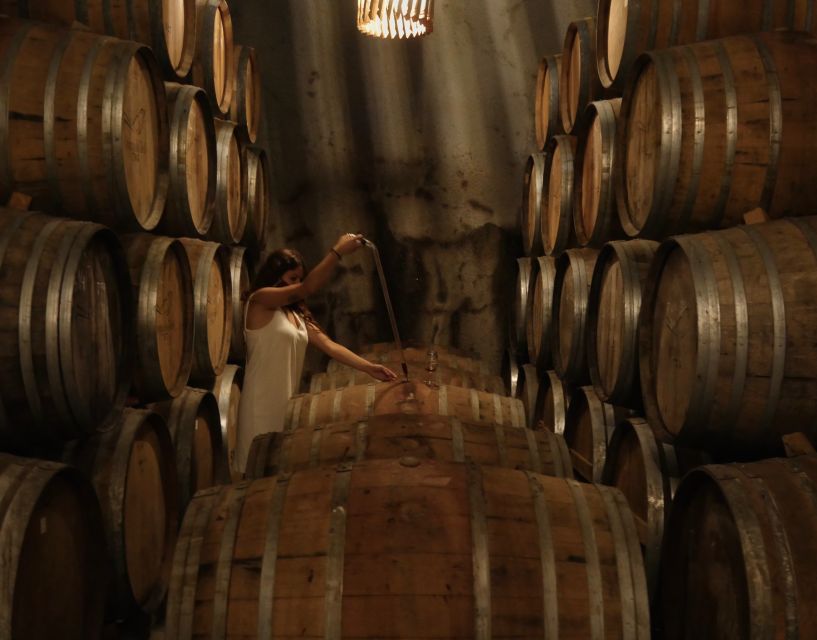
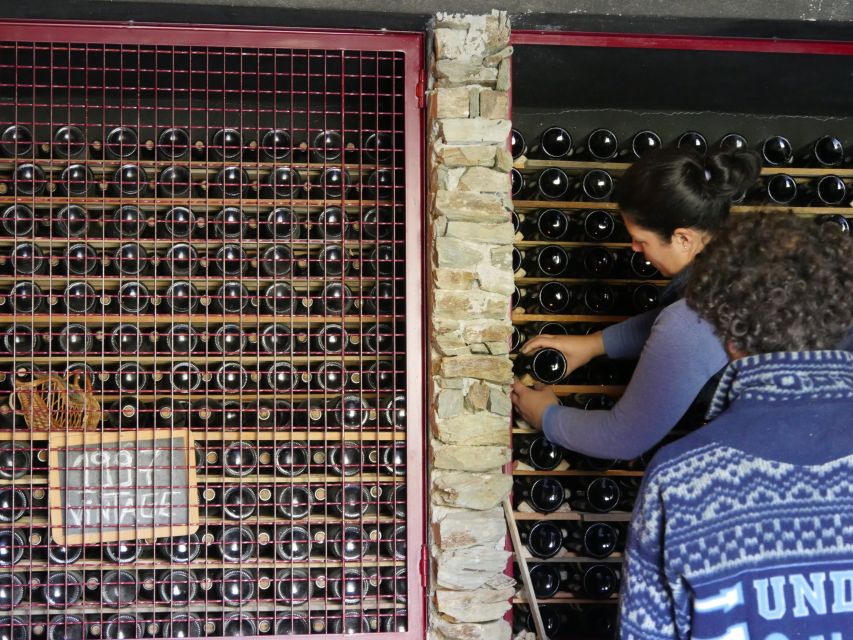
Foot treading in the lagers and aging in 18th-century cellars
One of the most memorable parts is that the guide explains steps that feel old-school, but not vague.
You learn about:
- foot treading in the lagers
- aging in 18th-century cellars
- bottling and hand-labeling
Even if you are familiar with the basics of Porto, hearing these steps connected to the estate makes them feel more real. Foot treading is often described in theory. Here, it is part of a sequence, so you can see how it fits with the rest of the production story.
The 18th-century cellars bring weight to the explanation. You can usually feel the difference in temperature and atmosphere in older cellar spaces, and that makes the aging step easier to understand. And the mention of bottling and hand-labeling reinforces that this is not a purely industrial operation.
A quick note: you will not be tasting wine during every step. The tour gives you the story, then you get the reward.
30-minute tasting: what you are drinking and how to pace it
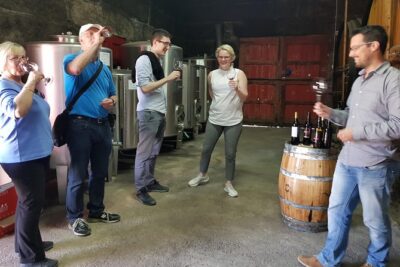
Your tasting time is about 30 minutes. That is enough to try multiple wines and get a sense of the differences between Porto and red wine styles, without rushing so hard that you miss what is in the glass.
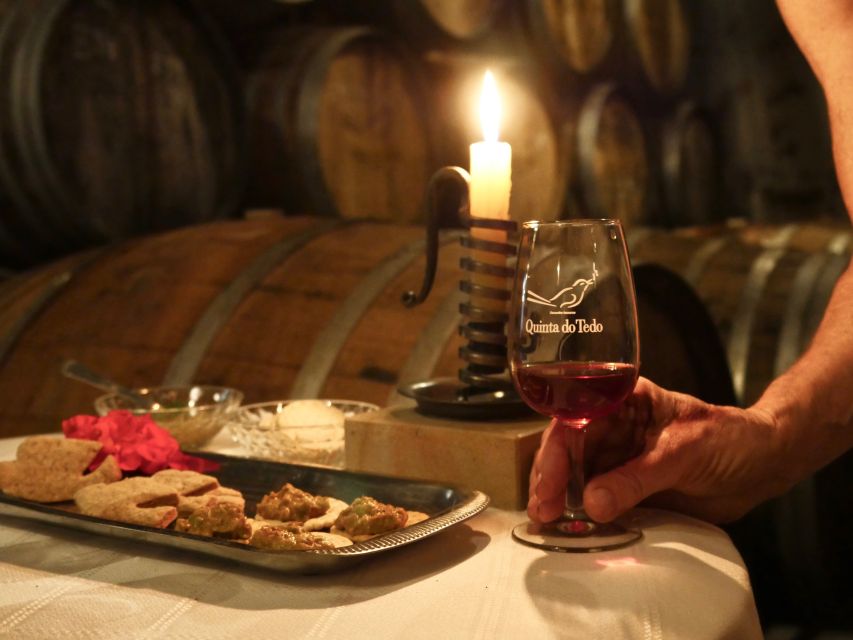
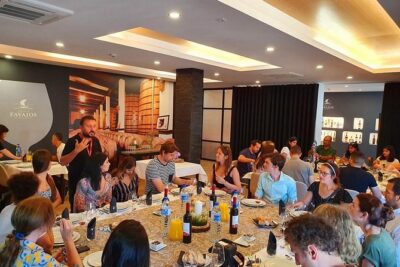
You will taste the Quinta do Tedo Portos and red wines in a renovated 18th-century tasting room with views over the Douro River. That view is not decorative. It helps you connect the glass to the terrain you saw earlier.
Practical tip for your palate: since the time is limited, take one sip, then pause for a few seconds before moving to the next wine. You will pick up more difference that way, especially if you are new to Porto.
If you are drinking with friends, agree in advance how you will share notes. The tasting is short, so keep communication tight. The best results come from spending a few quiet seconds with each wine.
Shopping stop: a small chance to bring bottles home
There is about 5 minutes for shopping at the end. That usually means you can purchase bottles if you want, based on what you tasted.
Since the window is brief, it is smart to think in advance:
- If you already know you want a couple bottles, be ready to buy right after the tasting.
- If you are undecided, focus on remembering the wines you liked most while you still have the taste fresh in your mind.
Do not assume you can browse for a long time. This part is meant to be quick.
Price and value: is $42 worth your hour?
At $42 per person, the value is mostly about what you get for the time you spend.
You are paying for:
- a guided visit through the estate (not only a tasting room experience)
- an organic estate focus, including vineyards and olive orchards
- explanations of real production steps, including lagers and 18th-century cellars
- a tasting of Porto and red wines in a special setting
- a brief shopping chance afterward
The big win is that the tour links tasting to place and process. If you only care about drinking, you might think the price is high. But if you want context, you get enough story to make your tasting more meaningful.
The tradeoff is that it is not a half-day wine crawl. It is a tight visit. If your ideal day is slower and longer, you may feel you need more time.
Who should book, and who might want a longer experience
This tour fits best if you:
- want a short, well-structured winery visit
- care about learning what you are tasting, without sitting for hours
- like organic, estate-driven wine production stories
- enjoy scenic viewpoints and want river views while you drink
You might want to choose something else if you:
- want a long tasting with more wines and extended time to compare
- prefer lots of walking time, since the visit is time-managed
- are traveling with a very flexible schedule and hate appointments, since the visit time is emailed and set after booking
For couples, solo travelers, and small groups, the format tends to work nicely. It feels like a focused stop on a Douro day.
If you get Bruno as your guide, expect clear explanations
One confirmed experience you can plan for indirectly: Bruno has been singled out for giving an excellent presentation and explaining the wines clearly. If you are matched with a guide who teaches in that style, you will likely appreciate how the tour turns wine jargon into understandable steps.
Even if your guide is different, the structure stays similar: vineyard and estate walk, winemaking process explanations, then a tasting with views. The guide’s role is mainly to make those connections click.
Should you book Quinta do Tedo?
Book this if you want a short, high-value winery visit in the Douro Valley with organic estate focus and a tasting tied to real production steps. The confluence views, the 18th-century setting, and the mix of vineyard and cellar explanations make the hour feel efficient rather than rushed.
Skip it only if you know you want a long tasting session or a more leisurely day. In that case, you may feel the time limit too tight.
If your goal is to taste Portos and red wines while understanding where they come from, this is a solid choice.
FAQ
How long is the Quinta do Tedo winery tour and tasting?
The experience is scheduled to take about 1 hour total, with roughly 35 minutes for the guided tour and about 30 minutes for the wine tasting, plus a short shopping stop.
Where is the meeting point?
Meet at Quinta do Tedo, about 5 minutes east of Folgosa at the intersection of EN222 and M512.
How do I know what time to arrive?
After booking, the activity provider emails you to schedule your visit time. The activity runs only after the time is set.
What languages are available for the live guide?
The tour guide is available in English, Portuguese, and French.
What wines are included in the tasting?
The tasting includes Quinta do Tedo Portos and red wines, served in the renovated 18th-century tasting room.
Is the tour wheelchair accessible?
Yes, the tour is wheelchair accessible.
Other Days Out Around Porto




Adegas and Vinho Verde Flights, More Tastings


Douro Terraces and Quintas, Other Wine Days

Newly added around Porto
- From Porto: Douro Valley 3 Vineyards Tour with Lunch
★ 4.8 · 79 reviews - Best of Porto Private Walking Tour
★ 5.0 · 80 reviews - Douro Valley in a Tesla
★ 5.0 · 81 reviews - Porto 360°: Helicopter Flight, Guided Walking Tour & River Cruise
★ 5.0 · 81 reviews - Private Transfer from Porto to Lisbon
★ 5.0 · 82 reviews - Minho Tour Private (Braga and Guimarães) Full Day
★ 5.0 · 82 reviews - Porto: Taylor’s Port Cellar Tour & WOW Wine Experience
★ 4.7 · 82 reviews - Porto Tile Painting Workshop in artist studio
★ 5.0 · 83 reviews - Private Tour
★ 5.0 · 83 reviews - City Bike Rental in Porto
★ 5.0 · 84 reviews
Other boats, other operators: Douro Valley Wine Tours.
 ★ 4.7From Porto: Douro Valley w/ Boat Tour, Wine Tasting & LunchFrom $8219,061 reviews
 ★ 4.3Porto: 6 Bridges Douro River CruiseFrom $236,472 reviews
 ★ 4.6Douro Valley: Wine Tour with Lunch, Tastings & River CruiseFrom $1136,081 reviews
 ★ 4.5Porto: Guided Tour by Tuk-Tuk & Optional Douro River CruiseFrom $205,980 reviews
 ★ 5.0Douro Valley: Historical Sites, Wine Experience, Lunch & CruiseFrom $1075,133 reviews
 ★ 5.0Authentic Small Group Douro Wine Tour with Lunch & River CruiseFrom $1334,775 reviews
 ★ 4.3Porto: River Douro 6 Bridges CruiseFrom $174,168 reviews
 ★ 5.0Douro Valley Small-Group Tour with Wine Tasting, Lunch and BoatFrom $1693,642 reviews