

REVIEW · TUK-TUKS
Lisbon: From East to West Private Tour in a Tuk Tuk
Lisbon has hills, and this tour helps. A private Tukxi tuk-tuk takes you across the city from east to west fast, with less uphill struggle and more time looking out at the sights. I also love the live guide storytelling, with drivers and guides who can explain what you are seeing as you bounce through Lisbon’s oldest lanes.
The biggest reason I’d plan this early is simple: you get a real sense of how neighborhoods connect, from Alfama to Graça, Mouraria, and onward toward Chiado. One thing to think about, though, is that it is still a 3-hour highlight ride, so you will not get museum-level time, and food and drinks are not included even though you may stop to taste ginja or pastries.
In This Review
- Key takeaways before you ride
- Why Lisbon’s east-to-west route feels like a cheat code
- Pickup, pacing, and what 3 hours really covers
- Alfama: narrow lanes, postcard views, and fado energy
- Graça and Nossa Senhora do Monte: the viewpoint that changes your perspective
- Mouraria: ginja stop, street character, and fado connections
- Baixa and Chiado: orientation through the city center
- Optional extra hour in Belém, plus Pasteis de Belém
- Price and value: what $216 per group up to 4 buys you
- Who this Lisbon Tukxi tour fits best
- Little details to help you enjoy the ride
- Should you book this east-to-west Tukxi tour?
Key takeaways before you ride

- East to west orientation: you cover major areas quickly, without doing Lisbon’s full hill workout on day one.
- Neighborhood focus: Alfama, Graça, and Mouraria are the core, with Baixa and Chiado added for orientation.
- A high viewpoint stop: Nossa Senhora do Monte is built into the route for big panoramas.
- Ginja tasting stop: expect a chance to try the famous Portuguese cherry liqueur, with drinks not included.
- Optional Belém time: you can add an extra hour for Belém and Pasteis de Belém, again with food not included.
- Guides make it personal: reviews repeatedly praise guides like Thiago, Ingo, Sybile, Caetano, Lucas, and Alessandra for keeping the stops fun and paced.
Why Lisbon’s east-to-west route feels like a cheat code

Lisbon’s best views are not spread out evenly. They are stacked on slopes, hidden behind turns, and separated by stairs. What I like about doing this east to west route by tuk-tuk is that it matches how the city is laid out, so you get the “up, then down, then up again” rhythm without feeling wrecked.
In practice, the ride format does two things for you. First, it keeps your legs fresher for later walking. Second, it lets your guide point out why these neighborhoods look the way they do, instead of you only seeing pretty buildings through car windows.
You also get a small-group feel because it is a private group setup (priced for up to 4 people). Several reviews name standout guides such as Thiago, who shared stories about Alfama and Mouraria, and Sybile, who guided people with a mix of humor and historical context. That matters because Lisbon can feel like a maze, and a good guide helps you connect the dots.
Pickup, pacing, and what 3 hours really covers
This tour runs for 3 hours, with hotel pickup and drop-off included. That sounds straightforward, but timing is the whole deal in Lisbon. Streets can be narrow, traffic can creep, and hills can slow everything down. A tuk-tuk route helps, but the real win is how the schedule is built around short, meaningful stop times rather than long gaps.
Here is how the pacing works out in a way you can plan your day:
- You start with a short tuk-tuk ride, then jump into Alfama for a quick “get your bearings” stroll.
- You bounce up toward Graça, then head across to Mouraria.
- You pass through Baixa and finish in the Chiado area with a longer sightseeing block.
Those stop durations are not enough to do everything deeply, but they are perfect for first-day orientation. If you have big priorities like viewpoints, fado connections, or photo angles, you will appreciate how the route concentrates time where it counts.
Also, with a private group, you can steer the vibe. Guides in reviews describe tailoring the stops and taking extra time for photos or conversation, especially when the group is excited. That flexibility is part of the value here.
Alfama: narrow lanes, postcard views, and fado energy

Your tour starts with Alfama, the neighborhood most people picture when they think Lisbon old town. Expect 15 minutes to walk and look around, which is enough time to notice the texture of the place: steep streets, colorful facades, and the kind of tight corners that make Lisbon feel like it is built for wandering.
What you get from a guide at this stage is direction. Instead of wandering randomly, you learn what makes Alfama distinct and how it fits into the broader city story. Reviews mention guides explaining Alfama’s history and also connecting it to fado. If you are curious about why Mouraria is linked to fado later, Alfama helps set the stage.
A possible drawback at this stop: because it is short, you might feel tempted to linger. Do it, but keep your expectations realistic. If you want to truly roam Alfama for hours, use this tour as your map and then come back on a second day.
Practical tip: wear grippy shoes. Even “only 15 minutes” means uneven street surfaces and uphill moments you will feel more than you expect.
Graça and Nossa Senhora do Monte: the viewpoint that changes your perspective
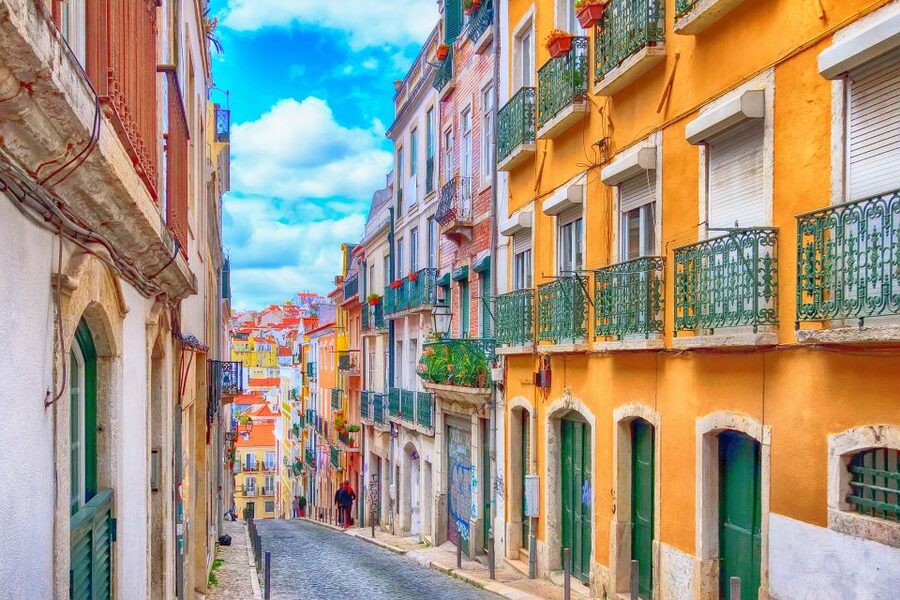
Next comes Graça for 20 minutes, and this is where the tour earns its keep. Lisbon’s viewpoints are not just scenic spots. They are how you understand the city layout. Graça sits above a lot of Lisbon’s movement, so it is ideal for seeing how neighborhoods stack.
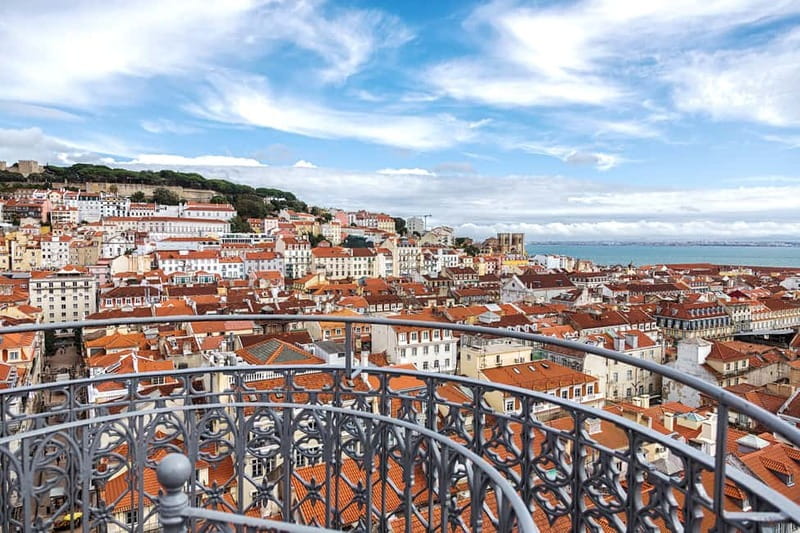
The highlight built into this part is a stop at Nossa Senhora do Monte, one of the highest viewpoints in the city. That stop is a big deal because it flips your perspective. Down in the streets, Lisbon feels vertical and tight. Up here, it turns into geometry: rooftops, hills, and the broader sprawl of the city.
Reviews repeatedly praise the guide experience, with people describing the tour as relaxed and paced but still full of stops. If you want to get photos without sprinting between attractions, this viewpoint is one of your best bets.
A consideration: if the weather is windy or gray, you might feel a bit less enthusiastic about lingering at the top. The ride still helps, but you may want to shorten the standing-and-looking time and get back on the tuk-tuk for warmth.
Mouraria: ginja stop, street character, and fado connections

Then you move into Mouraria, another neighborhood tied to fado in Lisbon lore. You get 20 minutes here, which is enough time to feel the streets, check out architectural details, and connect the dots your guide is painting.
This stop includes a chance to sample Portuguese ginja, the cherry liqueur Lisbon is known for. It is one of those tiny experiences that somehow feels bigger because it is local, specific, and tied to the street culture. Since food and drinks are not included, plan to pay for your drink if you choose to have it.
One review called out Mouraria as a birthplace-type connection for fado, explained by the guide. That is the real advantage of this tour style. You are not just collecting sights, you are learning why people associate these places with music, identity, and community.
If you are sensitive to crowds, Mouraria might feel busier than you expect at certain times. The upside is that your guide can position the group and decide when to pause and when to move.
Practical tip: if you want to try ginja, do it early in the stop so the rest of the time stays comfortable.
Baixa and Chiado: orientation through the city center
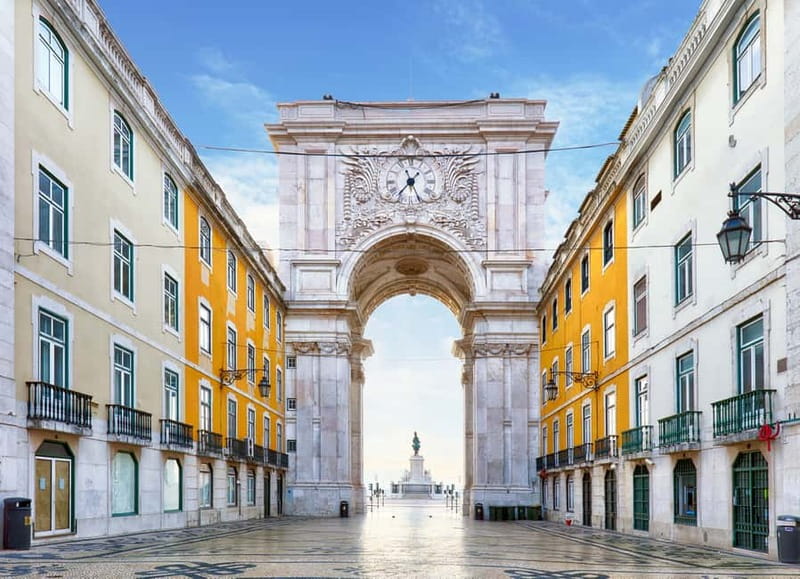
After the older hillside neighborhoods, the tour shifts toward Baixa and then finishes in Chiado. You pass Baixa de Lisboa for about 20 minutes, then spend around 30 minutes in Chiado.
This is a smart move because Baixa and Chiado are where Lisbon starts to feel like a capital with wider streets, big landmarks, and a more modern rhythm. Baixa is often the easiest area to understand as a grid after experiencing the curves of Alfama and Mouraria.
Then Chiado gives you a longer sightseeing window. Reviews describe this portion as a nice mix of must-sees and a smoother pace, which matters when you are tired from hills. You can use Chiado as your “return area” later, because it is a logical place for coffee breaks, shopping, and planning your remaining days.
A realistic limit: this tour is not a deep dive into either Baixa or Chiado. Think of them as context. If you love shopping streets or want to focus on specific museums, you will still need a separate plan.
Optional extra hour in Belém, plus Pasteis de Belém
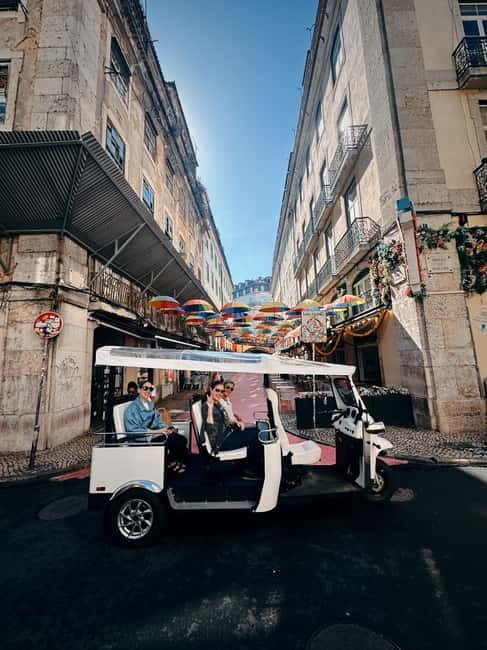
There is an option for an extra hour to explore Belém and try Pasteis de Belém. This matters because Belém is far enough from the historic center that squeezing it in on foot can be a pain.
Belém is also one of the best places to switch gears from “old Lisbon lanes” to “waterfront, monuments, and bakery lines.” The tour format helps because you are already in transport mode, and you have a guide to keep you moving efficiently.
Since food and drinks are not included, you should plan to buy your own pastries. If you care about getting the famous tart fresh, treat the extra hour like a must-do window, not an optional browse.
Some reviews mention guides extending time and adding stops for Torre de Belém and Pasteis de Belém when the group wanted more. That suggests the guides can be flexible when schedules allow, but the safest expectation is the built-in extra hour option.
Price and value: what $216 per group up to 4 buys you
The price is $216 per group up to 4, for a private tour and hotel pickup and drop-off. It is not a budget sightseeing bus deal, so the value is in avoiding three things that cost you time and energy in Lisbon:
1) Long uphill walks when you would rather save your legs.
2) Wandering without structure, where you might miss viewpoints and end up doubling back.
3) Trying to decode neighborhood logic without someone explaining what you are looking at.
Because it is private, you also have better chances of getting the pacing you want. Reviews highlight guides who took their time at the right stops, helped with photos, and offered tips afterward. That “after the tour” usefulness is part of the value, even when the main attractions are the star.
If you travel as a pair or small group, this can be a strong deal. If you are solo and comparing to shared group tours, the cost may feel higher, but the private setup plus guided story elements still help it feel like a “first-day advantage” rather than a random ride.
Simple way to decide: if you want a structured introduction and you hate steep walking, this price makes more sense. If you already have your route dialed and love hours of uphill wandering, you might do fine on your own.
Who this Lisbon Tukxi tour fits best
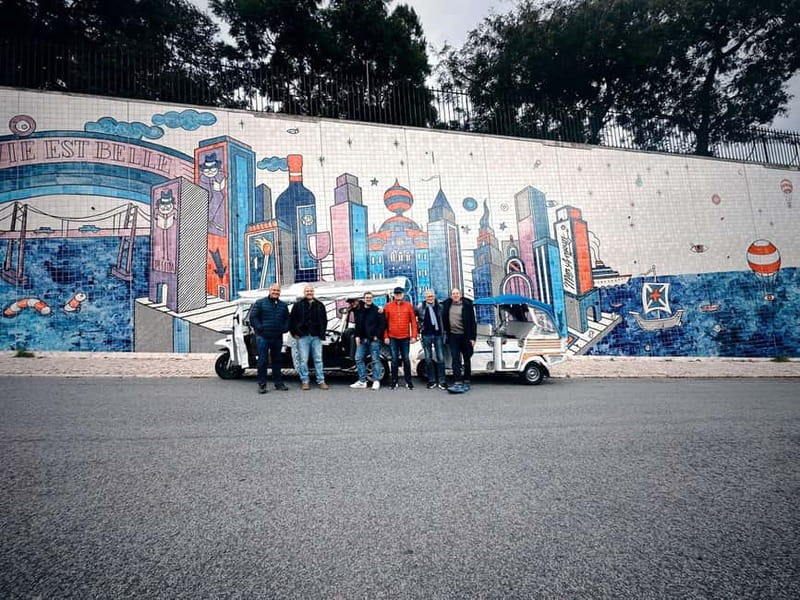
I think this is a great match if you want:
- a first-day overview of Lisbon’s layout
- less leg strain while still seeing the neighborhoods people talk about
- a guide who can explain the connections between Alfama, Graça, Mouraria, and onward
It is also a solid option for families who want a more manageable way to see the city, since one review specifically called it excellent for families. Just keep in mind the tour states it is not suitable for children under 3 and not suitable for pregnant women.
If you are a history and culture traveler, the guide storytelling is the payoff. If you are a photo traveler, the viewpoint stop at Nossa Senhora do Monte plus time around Graça and Alfama can do more than you might expect.
Little details to help you enjoy the ride
This is a tuk-tuk tour, so you should expect short stops and frequent “look now” moments. Plan for that. You will get more out of it if you treat it like a moving guided orientation, not like a sit-and-stare museum day.
From the reviews, one theme stands out: guides like Thiago and Ingo were praised for being engaging and for timing stops well. Another theme is guide enthusiasm, with Sybile repeatedly mentioned as fun, knowledgeable, and good at finding photo spots. That tells me the experience is not just transportation. The guide role matters a lot.
So, when you book, think about what you want the guide to do:
- Tell them if you care more about views or more about neighborhood stories.
- Ask for quick photo advice, since the best angles tend to be at stop points, not while rolling forward.
- If you want pastries in Belém, decide early so there is time to fit it cleanly.
Should you book this east-to-west Tukxi tour?
I’d book it if you want to start Lisbon with confidence. The route makes sense, the neighborhoods are the ones you will keep hearing about, and the private guide format helps you turn “pretty streets” into actual orientation.
You might skip it if you already have a tight plan for neighborhoods and you love long, independent walks with no guidance. Also skip it if you are traveling with someone who falls under the stated limits, like children under 3 or someone who is pregnant.
My bottom line: this is a strong value when you treat it as a first-day map plus local context. Do the orientation now, then come back later for the specific streets, viewpoints, and meals you loved most.
Other boats, other operators: Tuk-Tuks.
 ★ 5.0True 4Hour Private Tuk Tuk Tour: Discover Lisbon with a Local!From $1088,008 reviews
 ★ 4.5Porto: Guided Tour by Tuk-Tuk & Optional Douro River CruiseFrom $205,980 reviews
 ★ 4.9Lisbon: Private Guided Tuk-Tuk Tour with Hotel PickupFrom $1534,552 reviews
 ★ 5.0Private Lisbon Sightseeing Tuk-Tuk Tour: Alfama, Belém & MoreFrom $524,277 reviews
 ★ 5.0Lisbon Highlights: Private Tuk Tuk Tour Adventure SightseeingFrom $843,284 reviews
 ★ 4.5Discover Porto’s Highlights on a 2-Hour Private Electric Tuk TukFrom $481,860 reviews
 ★ 5.0Welcome Lisbon Tour with Local Guide in Private Eco Tuk TukFrom $171,691 reviews
 ★ 4.9Lisbon: Private City Tour by Eco Tuk TukFrom $281,215 reviews
Filed under