
REVIEW · PORT WINE CELLARS IN VILA NOVA DE GAIA
Port Wine Lodges Tour Including 7 Port Wine Tastings (English)
Port wine in Gaia is a lesson you can drink. This half-day walking tour strings together multiple Port houses, including cellars and visitor centers, and caps it with a scenic terrace finish. You get seven Port tastings, guided in English, with a host style that shines in the way people like Alex, Kevin, and Cyril explain the why behind the wine.
I especially like the way the tour teaches you to tell Port types apart as you go, not as a lecture you forget later. You taste Reserve White, Reserve Tawny, and a young Ruby, and you learn the Port families plus what makes Port feel different from other wine styles. One watch-out: the pace can include more structured presentation time at one stop, so if you want nonstop cellar time and constant sipping, you may prefer a tour that feels less classroom-like.
In This Review
- Key highlights at a glance
- Where You Meet by D. Luis Bridge and Why It Matters
- The Walking Route in 3.5 Hours, With Realistic Expectations
- The Big Value Play: Seven Tastings Plus Lodge Entry
- Your Tasting Roadmap: Reserve White, Reserve Tawny, and Young Ruby
- Vila Nova de Gaia Orientation and the Cellars Feel
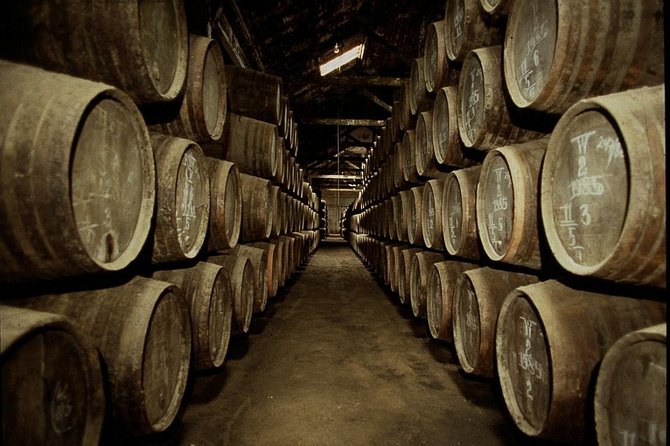
- Touring a Major Producer’s Museum and Cellars
- The Old Cellar to Interactive Center Shift
- Douro Valley Learning at the Interpretation Center
- The Workshop: How to Pair Port With Food
- Terrace Views Over Porto to Finish
- What the Best Guides Do, and How to Choose Your Moment
- Booking Timing and Group Size: Comfort Over Crowds
- Who This Tour Is Best For
- Should You Book This Porto Wine Lodges Tour?
- FAQ
- How long is the Porto wine lodges tour?
- Where exactly is the meeting point?
- What is the walking distance like?
- How many Port tastings are included?
- Is the tour guided in English and how big is the group?
- Is lunch or food included?
- What is the minimum drinking age?
- What is the cancellation policy?
Key highlights at a glance
- Seven tastings built into the experience, so you know what your money is buying
- Three Port houses plus museum and interactive centers in Vila Nova de Gaia
- Reserve White, Reserve Tawny, and young Ruby to compare Port families right away
- Barrels and cork explained through hands-on style interpretation
- Food pairing workshop focused on how to match Port with what you eat
- Terrace views over Porto to close out the walking loop
More Gaia lodges and port tastings we have sat down for in Porto
- Porto: Live Fado Show with Glass of Port Wine★ 4.8 · 6,498 reviews
- Porto: Cálem Cellar Tour, Fado Show & Wine Tasting★ 4.4 · 3,530 reviews
- Porto: Cockburn’s Port Lodge Tour and Tasting★ 4.8 · 3,360 reviews
- Porto: Bridges Cruise with Wine Cellar Tour or Sunset Option★ 4.1 · 2,758 reviews
Where You Meet by D. Luis Bridge and Why It Matters
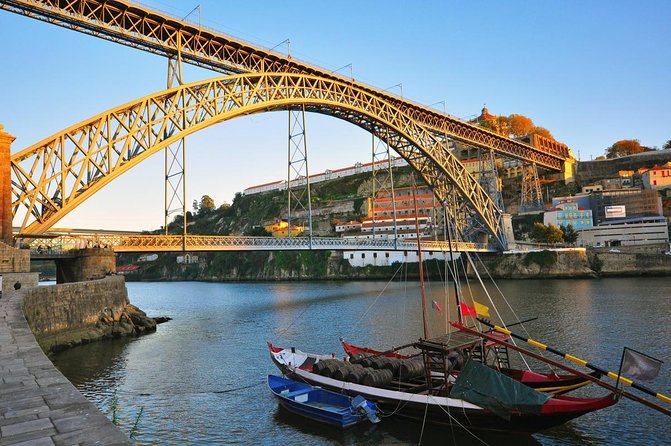
This tour starts on the Porto side near the old Pensil bridge pillars, right by the lower level of the D. Luis Bridge. The meeting point is listed as Pilares da Ponte Pênsil in Ribeira, and you’re looking for a red jacket that says porto walkers.
Why this matters for your day: you’ll already be in the Porto neighborhood where you can get your bearings fast. From there, you head toward Gaia on foot, with the guide giving context as you walk.
Also, the tour ends on the Gaia side at Av. de Diogo Leite 135, at another Port tasting venue. In other words, you are not forced to backtrack the entire way to get to your next stop.
The Walking Route in 3.5 Hours, With Realistic Expectations
Plan for about 3 hours 30 minutes, and yes, it’s mostly on foot. The farthest walking segment is listed as 800 meters, so this is not a long haul hike. It’s a steady walking experience that fits well between a late lunch and dinner, especially since the start time is 3:00 pm.
You’ll also get some shade once you’re into the cellar areas in Vila Nova de Gaia. That’s a big deal in Porto, where the sun can turn a “quick walk” into a sweat session.
Two practical notes:
- Wear comfortable shoes you can stand in line with for tastings.
- The tour does not include lunch, snacks, or food, so you’ll want to eat beforehand or plan to grab something after.
The Big Value Play: Seven Tastings Plus Lodge Entry
At $62.88 per person, the math works best if you actually care about learning and comparing Port types. This is not just a quick single winery tasting. You get lodge entry tickets, access to multiple Port house stops, and seven tastings across different styles and producer contexts.
That’s the difference between a “try a sip and go” experience and a real tasting tour. Here, the tour keeps bringing you back to the core question: how do the Port families differ, and why?
If you’re a Port fan already, seven tastings can be a fun evening. If you’re new to Port, it’s even better because you get enough variety to build your own mental map of what you like.
Your Tasting Roadmap: Reserve White, Reserve Tawny, and Young Ruby
One of the strongest parts of this tour is the tasting sequence that gives you comparisons while the lessons are fresh.
You’ll start with guided tastings that include Reserve White and Reserve Tawny. Then later you try a young Ruby Port. Even without getting lost in technical details, those three categories help you notice differences quickly: sweetness level, style, and overall character.
The guide also explains the Port families and what makes Port different from other wine styles. The practical takeaway for you is simple: you’ll leave knowing what to look for when you shop. Instead of grabbing bottles randomly, you’ll have a taste-based sense of what Ruby and Tawny mean to you, and how White fits into the mix.
One small caution: with several tastings packed into a half day, there can be moments where you’re standing, listening, tasting, then moving again. Build your day around it. Don’t schedule a strenuous tour right after.
More adega tastings and vinho verde flights we have poured through in Porto
Vila Nova de Gaia Orientation and the Cellars Feel
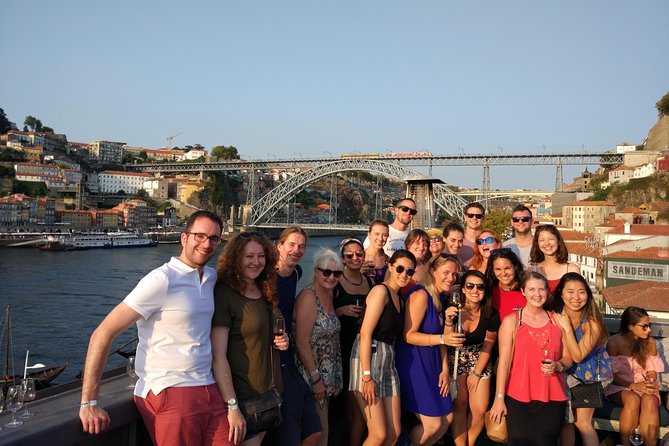
Your day begins on the Porto side, then you walk into Vila Nova de Gaia, where Porto’s Port industry lives. The guide gives you orientation as you go, and that helps you understand why these cellars exist where they do.
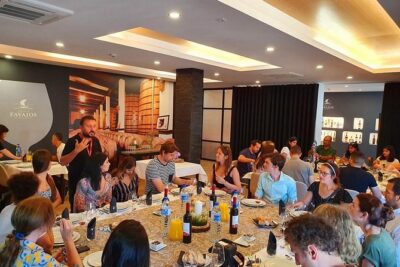
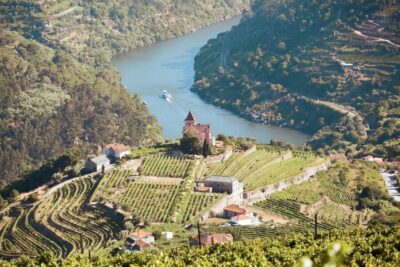
When you arrive, you’ll visit a prestigious producer’s museum and cellar. This stop is designed to give you context for the Douro Valley story that connects grape growing far upstream with the Port aging and storage you see in Gaia.
What to expect here:
- A guided tour through museum and cellar spaces tied to Port production
- A chance to see how the business and craft fit together, not just a tasting counter
- A tasting moment that reinforces what you learned
Touring a Major Producer’s Museum and Cellars
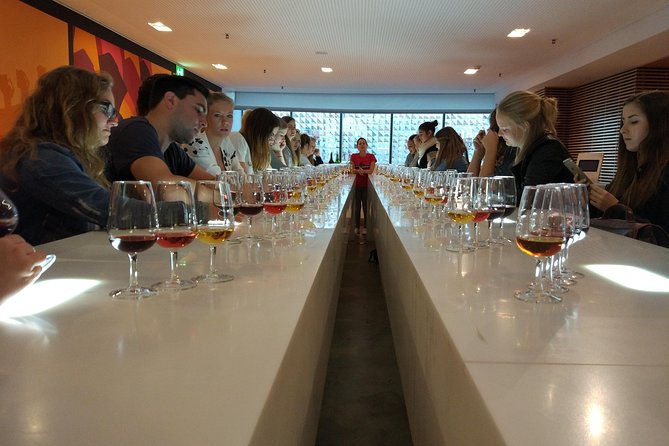
The tour description highlights a “most prestigious producer” stop, with a museum and cellar visit. This is the kind of stop that often makes the experience click, because you get a mix of visuals and real cellar atmosphere.
I like how these museum-and-cellar formats tend to answer your questions without dragging. You’re not left guessing how things work. You’re seeing storage and process-linked spaces, then tasting in a way that makes the lesson stick.
The best part for many people is how the guide keeps the flow lively. Names like Alex and Kevin come up for being friendly, humorous, and packed with stories that make production and history easier to remember.
The Old Cellar to Interactive Center Shift
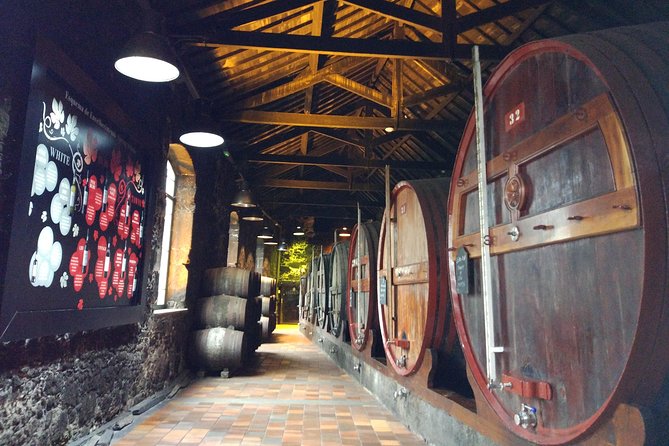
After the major producer stop, you move on to a more old-school cellar space that has been transformed into an interactive visitor center. This is where the tour leans into explanation through built-in exhibits and demonstrations.
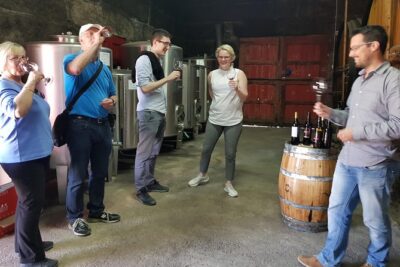
You’ll learn about barrels where Port is stored and how cork is produced. You also taste a young Ruby Port here.
Why this stop is worth your attention: it’s not just “look and taste.” It’s a two-part lesson:
1) You see the storage and material side of Port aging.
2) You taste a Port style that fits that story.
If you care about understanding the ingredients and the aging choices, this part can feel more memorable than a standard tasting room.
Douro Valley Learning at the Interpretation Center
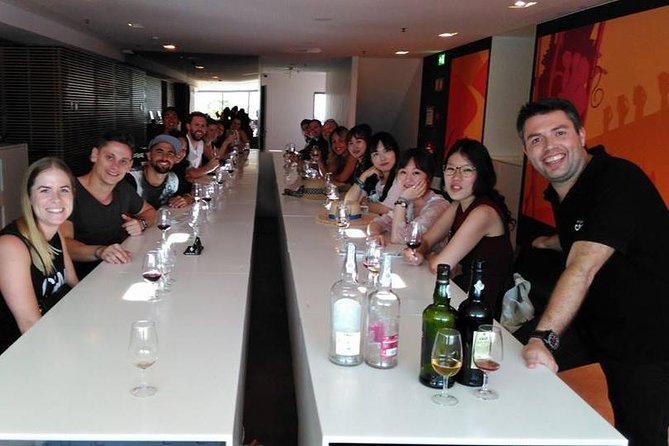
Next comes an interactive Port wine interpretation center focused on the Douro Valley, described as the oldest wine region in the world. The guide uses the space to teach you how the Douro Valley connects to Port production.
This is also where the tour tends to become more hands-on with explanations. In practical terms, you’ll have a better chance of sorting out:
- what Port style names refer to
- how producers and aging choices create different flavor profiles
- why the Douro Valley matters beyond just being a location on a map
Then you step into an exclusive wine tasting workshop at this point in the tour.
The Workshop: How to Pair Port With Food
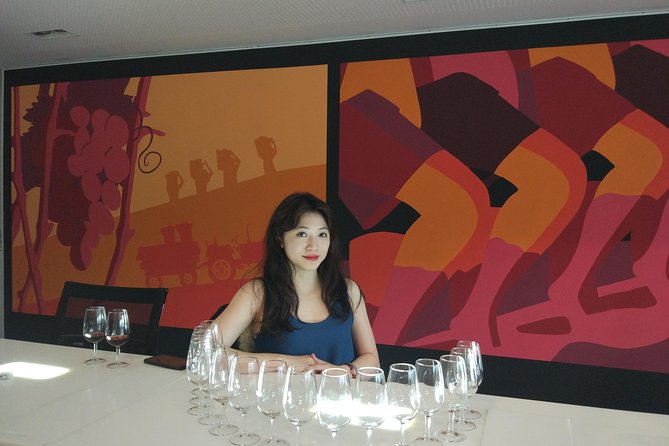
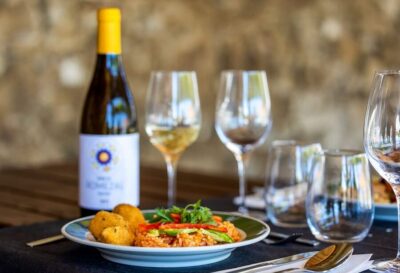
A workshop sounds fancy, but the real value is simpler: you get taught how to think about food pairing with Port. The tour specifically mentions pairing Port with food, plus a tasting workshop featuring different wines.
This is one of the best “next step” elements for me, because it helps you turn tasting into action. After your tour, you can order with confidence, whether you are picking a glass at dinner or bringing a bottle home.
Also, a Port pairing lesson is a great way to justify buying a bottle later. Instead of guessing, you’ll have a taste logic you can follow.
Terrace Views Over Porto to Finish
The tour ends at the interpretation center’s terrace, with scenic views over Porto. This is a nice closing move because it gives you a breather after the walking and tasting.
You’ll also have a natural moment to decide what you want next. Do you want to linger nearby for photos? Head back toward Ribeira for dinner? Or pop into a shop to buy a bottle you actually understand?
Ending with a view makes the whole tour feel more like a half-day experience rather than a checklist of tastings.
What the Best Guides Do, and How to Choose Your Moment
The guides seem to be a huge part of what people love. You’ll see praise for Alex, Kevin, Cyril, Lara, Seral, and Cerio in different ways: friendly, welcoming, funny, and strongly focused on making Port understandable.
What does that mean for you in real life? It means your questions get turned into better explanations, instead of being brushed off. It also means you’re likely to get story-based context that sticks.
One possible downside to keep in mind: one review complained about time spent on a presentation with limited tasting and limited question time at a stop. That doesn’t mean it will happen to you, but it’s a fair consideration if you prefer tours where tasting feels constant. If you are very sensitive to long seated segments, choose your expectations accordingly and plan to be patient for at least one structured moment.
Booking Timing and Group Size: Comfort Over Crowds
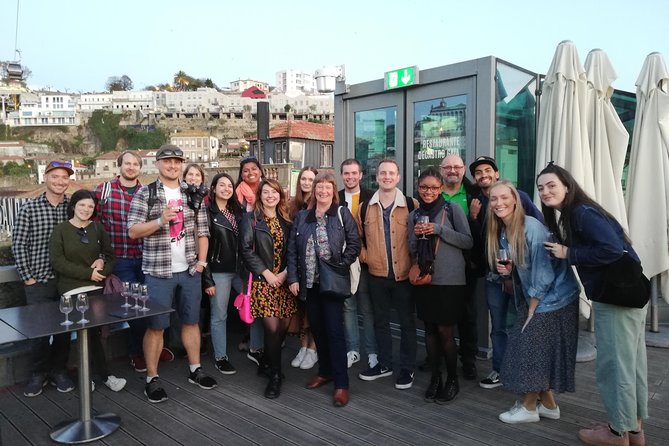
This tour is capped at a maximum of 18 travelers, which is a good sign for keeping the experience personal. Reviews frequently praise the group vibe, and a small group helps the guide manage tastings without turning the day into a race.
On average, it’s booked 22 days in advance. That’s not a guarantee, but it suggests it’s popular. If you know you want it, booking earlier usually makes life easier.
You’ll also get a mobile ticket, English-speaking guide, and a near public transportation meeting point. Service animals are allowed.
Who This Tour Is Best For
This is a strong fit if you:
- want to learn Port types through a taste-based lesson
- like walking tours that combine a couple of producer stops with interactive education
- enjoy comparing Reserve styles and Ruby side by side
- want an easy, guided path through Vila Nova de Gaia without worrying about which cellar to visit
It may be less ideal if you:
- hate sitting through any presentation-style content
- are hoping for a tour with food included (there’s no lunch, snacks, or food on the itinerary)
- want to move at a very fast pace with zero waiting
If you are a Port novice, you’ll likely leave with more confidence than you think. Even people who start off unsure tend to find that tasting comparisons make the differences click.
Should You Book This Porto Wine Lodges Tour?
Yes, if you want a structured but fun half-day that teaches Port families through seven tastings. The value is strongest when you like the idea of pairing wine with short lessons, plus a workshop that gives you food-pairing ideas you can use later.
I would book it if you:
- want three Port house style visits with museum and interactive elements
- prefer a small group size and a guide who makes the material easy
- plan to eat beforehand or bring snacks to keep energy steady during the tasting day
Skip or reconsider if you’re the type who needs nonstop sipping and never wants any lecture or presentation time. In that case, look for a tour that leans more heavily on cellar time and less on scheduled explanation.
If you fall in the first group, this is one of the most practical ways to understand Porto and Port in a single late afternoon.
FAQ
How long is the Porto wine lodges tour?
It’s listed as approximately 3 hours 30 minutes.
Where exactly is the meeting point?
Meet by the pillars of the old Pensil bridge on Porto’s side, next to the D. Luis Bridge (lower level). Look for a red jacket saying porto walkers.
What is the walking distance like?
It’s described as 4 hours all walking, and the farthest walk is listed as 800 meters.
How many Port tastings are included?
The tour includes 7 Port wine tastings.
Is the tour guided in English and how big is the group?
The guide speaks English, and the group maximum is 18 travelers.
Is lunch or food included?
No. Lunch, food, and snacks are not included.
What is the minimum drinking age?
The minimum drinking age is 18 years.
What is the cancellation policy?
Free cancellation is available. You can cancel up to 24 hours in advance for a full refund. If you cancel less than 24 hours before the start time, you will not receive a refund.
Other Days Out Around Porto



Adegas and Vinho Verde Flights, More Tastings


Gaia Port Lodges, More Tastings We Sat Through


Newly added around Porto
- From Porto: Douro Valley 3 Vineyards Tour with Lunch
★ 4.8 · 79 reviews - Best of Porto Private Walking Tour
★ 5.0 · 80 reviews - Douro Valley in a Tesla
★ 5.0 · 81 reviews - Porto 360°: Helicopter Flight, Guided Walking Tour & River Cruise
★ 5.0 · 81 reviews - Private Transfer from Porto to Lisbon
★ 5.0 · 82 reviews - Minho Tour Private (Braga and Guimarães) Full Day
★ 5.0 · 82 reviews - Porto: Taylor’s Port Cellar Tour & WOW Wine Experience
★ 4.7 · 82 reviews - Porto Tile Painting Workshop in artist studio
★ 5.0 · 83 reviews - Private Tour
★ 5.0 · 83 reviews - City Bike Rental in Porto
★ 5.0 · 84 reviews
Other boats, other operators: Port Wine Cellars in Vila Nova de Gaia.
 ★ 4.8Porto: Live Fado Show with Glass of Port WineFrom $236,498 reviews
 ★ 4.7Lisbon: Live Fado Show with Port Wine in Historic CenterFrom $174,166 reviews
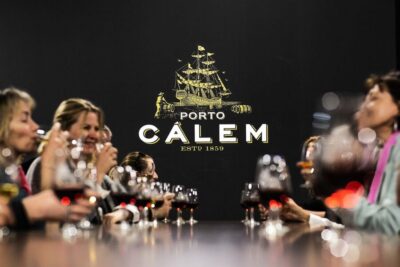 ★ 4.5Porto: Cálem Cellar Tour, Interactive Museum & Wine TastingFrom $234,113 reviews
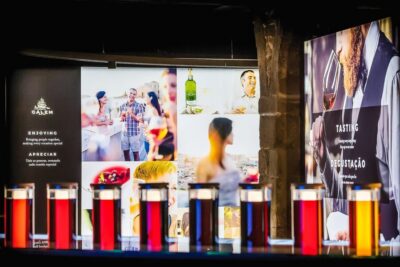 ★ 4.4Porto: Cálem Cellar Tour, Fado Show & Wine TastingFrom $333,530 reviews
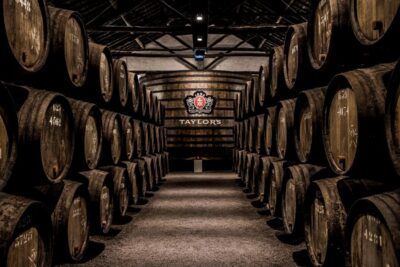 ★ 4.6Porto: Taylor’s Port Cellars & TastingFrom $293,374 reviews
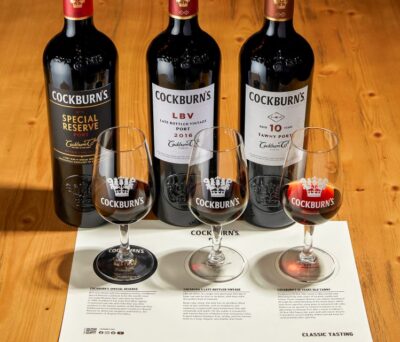 ★ 4.8Porto: Cockburn’s Port Lodge Tour and TastingFrom $353,360 reviews
 ★ 4.1Porto: Bridges Cruise with Wine Cellar Tour or Sunset OptionFrom $202,758 reviews
 ★ 4.8Porto: Authentic Fado Show, Port Wine & Handmade InstrumentsFrom $212,737 reviews