
REVIEW · TICKETS
Porto: Entry Ticket at WOW The Chocolate Experience by 20|20
Chocolate tells stories in flavors.
At WOW The Chocolate Experience by 20|20 in Porto, you walk through 5,000 years of chocolate history with taste stops and a live, working chocolate factory finish. I love that the museum doesn’t treat chocolate like candy only, it connects the cacao plant to bean-to-bar making. I also like the hands-on tasting rhythm, including raw cacao samples and artisan chocolate you can actually compare. One thing to consider: the early part can feel a bit reading-heavy if you prefer lots of movement from the first minute.
Ticket timing is simple. The visit is about 1.5 hours (check available start times), and you use your ticket on your selected date during museum opening hours. No transportation is included, and there’s no unaccompanied-minors policy, so plan adult supervision if you’re traveling with young ones.
In This Review
- Key takeaways before you go
- WOW The Chocolate Experience by 20|20 in Porto: what you’re really buying
- Checking in at The Chocolate Story and planning your 1.5 hours
- The chocolate time machine: 5,000 years from sacred drink to global treat
- Cacao plant and farming: what the experience teaches about the ingredient
- Bean to bar production, step by step, and what to notice at each stage
- Tastings at Vinte Vinte: raw cacao, samples, and comparisons that stick
- The live chocolate factory finish: when you can see it in action
- Price and value: is $20 worth it in Porto?
- Who this Porto chocolate experience fits best
- Should you book WOW The Chocolate Experience by 20|20?
- FAQ
- How long is WOW The Chocolate Experience by 20|20?
- Where do I check in for the ticket?
- What’s included with the museum entry ticket?
- Is transportation included?
- What kind of tastings can I expect?
- Can I see the factory in action during the visit?
- What are the opening hours?
- Is it wheelchair accessible?
- Are unaccompanied minors allowed?
- What is the cancellation policy?
Key takeaways before you go

- Working factory at the end: You’ll see chocolate turning from bean to bar in an operating setting.
- Tastes along the route: Expect multiple sampling moments, including cacao in different stages and final chocolate products.
- 5,000-year timeline: You learn how sacred cacao became Europe’s obsession and then a global treat.
- Cacao plant focus: The experience includes cacao fruit and how different varieties matter to the final flavor.
- Bean-to-bar process explained in order: Harvesting, fermentation, drying, roasting, and conching are part of the story.
- Audio guide included: You get an audio guide in English, Portuguese, Spanish, and French.
Other plain entry passes around Porto we have used
- Porto: Torre dos Clerigos Entrance Ticket★ 4.6 · 6,395 reviews
- Porto: Spiritus Multimedia Show Entry Ticket★ 4.6 · 3,791 reviews
- Porto: World of Discoveries Entry Ticket★ 4.5 · 2,922 reviews
- Porto: Guimarães & Braga Tour with Entry Tickets and Lunch★ 4.8 · 602 reviews
WOW The Chocolate Experience by 20|20 in Porto: what you’re really buying
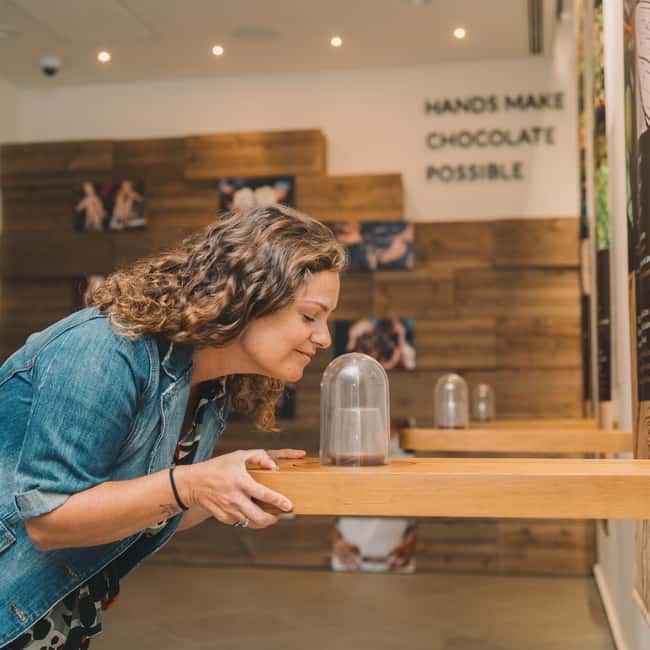
This ticket is for The Chocolate Experience by 20|20, run by The World of Wine (WOW). What you’re paying for is not just a room full of chocolate bars. It’s a guided-style museum journey with an audio guide plus tastings that follow the story from cacao to finished product.
The big win is how the experience links three things you usually see separately. First is history: sacred cacao in early civilizations, then the shift to Europe, and eventually the worldwide love for solid chocolate. Second is craft: the actual production steps from fermentation to conching. Third is culture: how chocolate spreads through advertising and consumer habits. If you like understanding what you’re eating, this place gives you that context without turning into a textbook.
Checking in at The Chocolate Story and planning your 1.5 hours
Your start is straightforward. Show your ticket directly at The Chocolate Story, and the visit ends back at the meeting point. The museum runs daily from 10:00 AM to 07:00 PM, with last entrance at 7:00 PM.
The duration is listed at 1.5 hours, but your real time depends on how long you linger at each sampling moment. I recommend treating tastings as checkpoints. If you race ahead, you’ll miss the comparisons between raw cacao, chocolate in different stages, and the final bars.
Two practical tips that make the visit easier:
- Wear clothes you can stand in for a while. This is a museum flow, not a quick walk-through.
- Come with a loose plan in mind, like tasting first, then slowing down for the production story. That way, your senses remember what you just sampled.
The chocolate time machine: 5,000 years from sacred drink to global treat
The experience is built around a long timeline, and it’s the backbone for everything else you see. You start around 5,000 years ago, when cacao was treated as a sacred beverage reserved for gods and royalty. From there, the story tracks how cacao traveled across the ocean to Europe and changed shape over time.
What I like about this part is that it explains why chocolate became more than food. It connects cacao’s ceremonial roots to how chocolate later became a ritual for everyday people: gifts, celebration, love, and even marketing. If you ever wondered why chocolate is so tied to romance and holidays, you get the cultural logic here, not just the flavor notes.
Cacao plant and farming: what the experience teaches about the ingredient

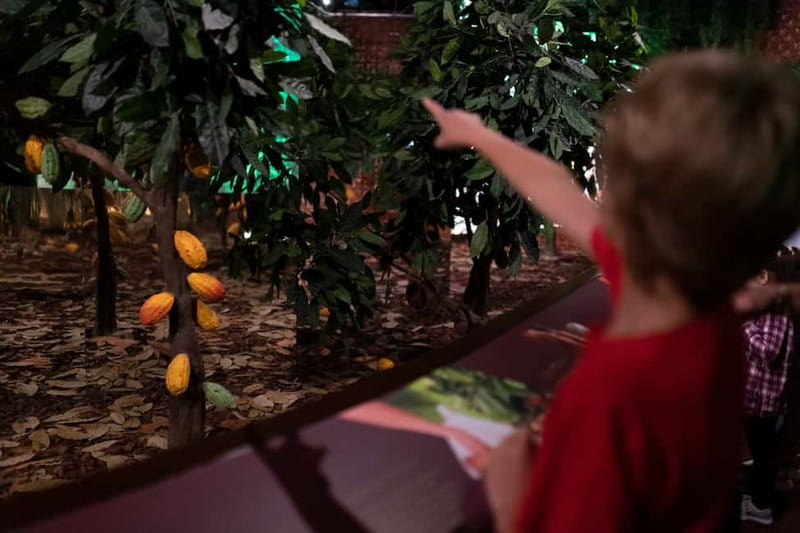
A lot of chocolate experiences jump straight to roasting and bars. Here, you spend time on the cacao itself. You’ll get the chance to explore cacao plantations, understand sustainable cocoa farming methods, and get up close with the cacao plant and fruit.
This matters because cacao flavor starts long before a conching machine. The tasting works better too, because you’ll know that the bean isn’t just an ingredient. It’s part of a living plant with varieties that affect the end result.
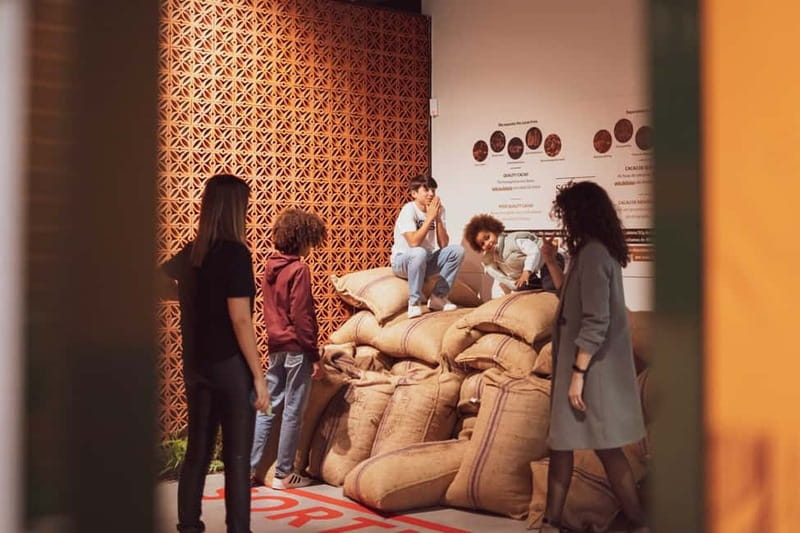
The museum also focuses on identifying different cacao varieties. You might not walk out memorizing names like a botanist, but you will leave with a clearer sense of why two bars labeled the same way can still taste different.
Bean to bar production, step by step, and what to notice at each stage
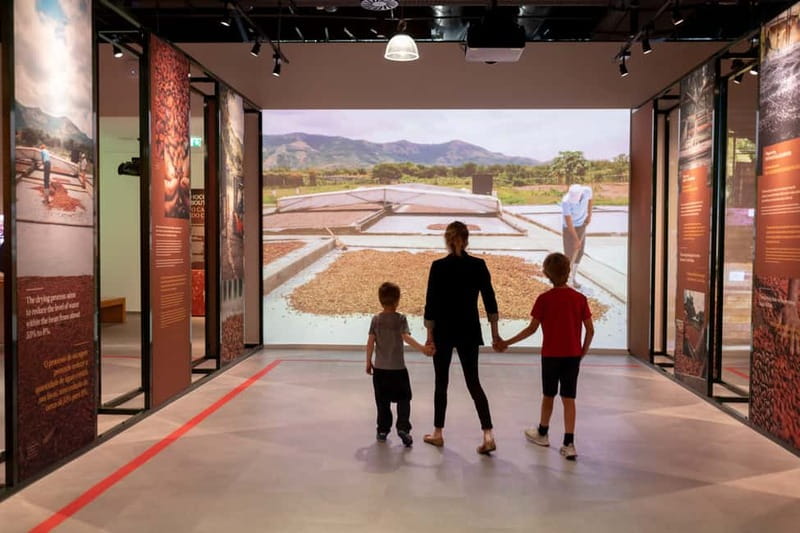
The heart of the experience is the production process, explained from harvesting all the way through finishing steps. You’ll learn the full sequence, including:
- harvesting
- fermentation
- drying
- roasting
- conching
Here’s how you get value from this section: don’t just think of it as a list. Think of it like stages that change flavor, texture, and aroma. Fermentation is where a lot of the magic starts. Roasting builds deeper, warmer notes. Conching helps smooth and refine what you taste in the final bar.
Even if you don’t become a chocolate maker, you’ll be able to interpret what you’re tasting later. That makes the experience feel like more than a snack stop. It feels like a guided tasting lesson.
Tastings at Vinte Vinte: raw cacao, samples, and comparisons that stick
This ticket includes Vinte Vinte chocolate tasting, and that tasting is woven through the museum rather than dumped into one final room. I like this format because it spreads out learning and keeps you from overheating on sweetness all at once.
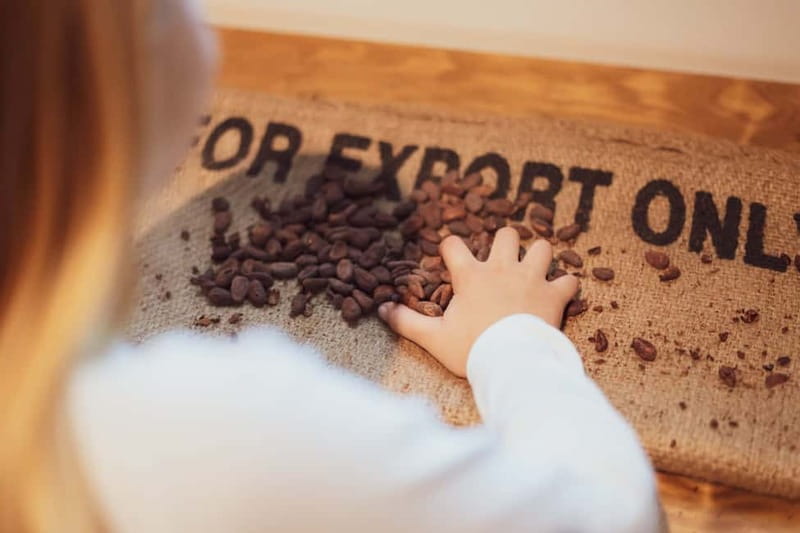
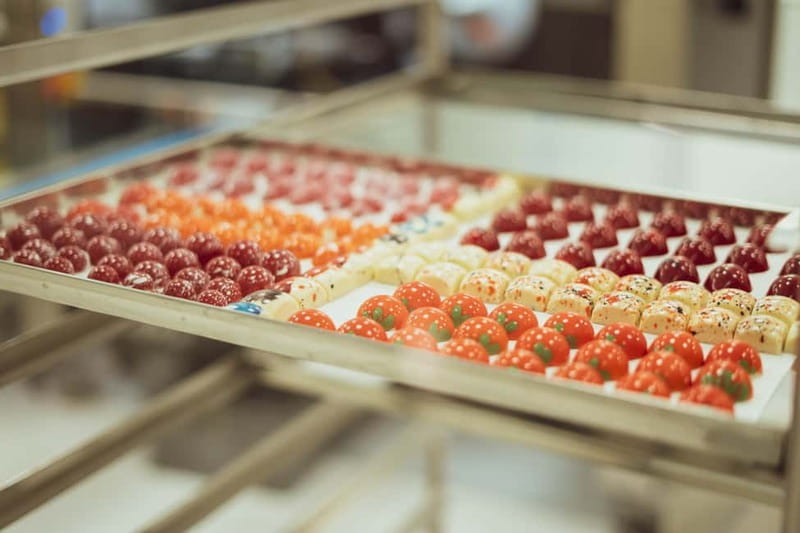
You can expect tasting of raw cacao and artisan chocolate samples across the journey. There are also tasting stations placed throughout the museum, so you don’t have to wait until the end to start comparing flavors. One review-style detail worth knowing: you may receive a small chocolate bar on entry, and one person called it a baby chocolate bar. That kind of little opener helps get your attention early.
One taste to specifically watch for is 100 percent cacao chocolate. It’s a useful reference point because it helps you understand what roasting and processing do to bitterness and intensity. If you only taste sweet bars, you miss the full range of cacao’s real character.
Practical approach for tastings:
- Start with raw cacao and stronger flavors first.
- Then move to the processed samples, so your palate isn’t dulled by sweetness.
- Take a breath between tastings. Smell matters a lot with chocolate.
The live chocolate factory finish: when you can see it in action
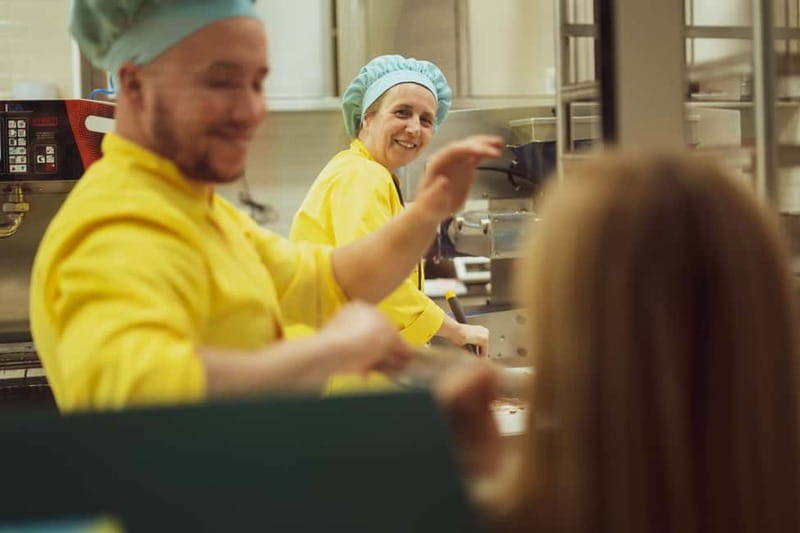
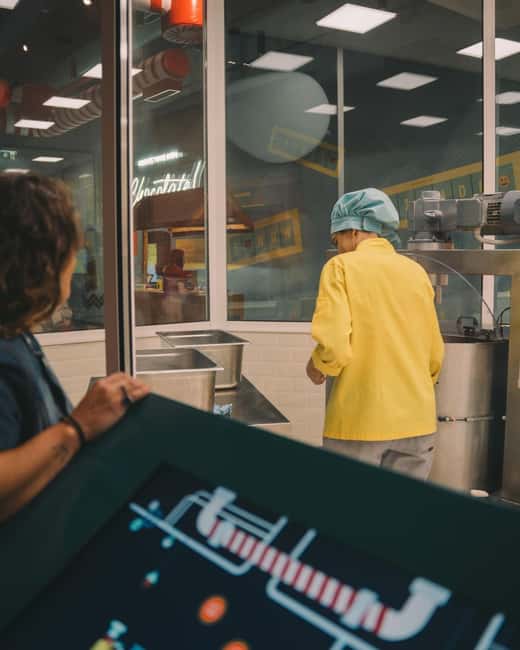
The end of the visit is where the story turns physical. You’ll reach an operating chocolate factory where you can witness cacao beans transforming into award-winning chocolate. This is the payoff moment for people who want to see real production, not just museum displays.
One important scheduling note: if you want to see the in-house factory at work, plan to avoid Sundays. The experience still runs, but the chance to catch factory action may be better on other days.
So, if factory viewing is a top goal, pick a weekday or Saturday rather than Sunday. If you can’t, don’t panic. You’ll still finish with the chocolate product tastings and the process story, just with less certainty about factory activity timing.
Price and value: is $20 worth it in Porto?
The ticket price is listed at $20 per person, and you also get an included audio guide (English, Portuguese, Spanish, French) plus the museum entry. You’re not paying just for entry into a themed room. You’re paying for a structured experience that combines:
- a historical walkthrough
- a production education (bean-to-bar steps)
- multiple tasting stations
- a final look at an operating factory setting
- packaged tasting via the Vinte Vinte tasting
For many people, the best value comes from the tasting comparisons. If you enjoy understanding what makes one bar different from another, the $20 feels easier to justify. If you’re only after a single sweet treat, you might feel the museum is a lot of content for the price. But based on what this experience includes, the sweet spot is clearly for people who like food learning, not just food buying.
Who this Porto chocolate experience fits best
This ticket fits best if you’re one of these travelers:
- You like food history that explains why things became popular.
- You want tastings that connect directly to production steps.
- You’re traveling with someone who enjoys hands-on learning.
- You want a low-pressure activity that lasts about 1.5 hours.
It may feel less perfect if:
- You strongly prefer interactive movement early on and dislike reading.
- You want zero chocolate tasting and just want visuals.
- You’re going specifically for factory viewing and your only day is Sunday.
Should you book WOW The Chocolate Experience by 20|20?
Book it if you want a chocolate experience that teaches you something, then lets you taste the lesson. I think the combination of history, bean-to-bar process, and structured tastings is exactly what turns a simple chocolate museum into a meaningful stop.
Don’t book if your main goal is a quick sugar hit with minimal learning. Also, if seeing the factory in action is essential, schedule your visit away from Sunday.
If you’re spending time in Porto and want an easy indoor plan that still feels like real craft, this is a solid choice. Show up with curiosity, pace yourself through tastings, and you’ll leave with chocolate knowledge you can use the next time you’re choosing bars at home.
FAQ
How long is WOW The Chocolate Experience by 20|20?
The visit is listed as 1.5 hours. You should check availability for starting times on your selected date.
Where do I check in for the ticket?
Start by showing your ticket directly at The Chocolate Story. The experience ends back at the meeting point.
What’s included with the museum entry ticket?
Included are The Chocolate Experience by 20|20 Museum Entry Ticket, Vinte Vinte chocolate tasting, and an audioguide available in Portuguese, English, Spanish, and French.
Is transportation included?
No. Transportation is not included with this activity.
What kind of tastings can I expect?
You’ll have tasting as part of the experience, including raw cacao and artisan chocolate samples across the chocolate-making journey, plus tasting stations throughout the museum.
Can I see the factory in action during the visit?
The experience includes an operating chocolate factory where you can witness chocolate transformation. One practical tip is that factory action may be harder to catch on Sunday.
What are the opening hours?
It is open daily from 10:00 AM until 07:00 PM, with last entrance at 07:00 PM. Bank holiday hours may vary, so check the official website.
Is it wheelchair accessible?
Yes, the experience is wheelchair accessible.
Are unaccompanied minors allowed?
No. Unaccompanied minors are not allowed.
What is the cancellation policy?
There is free cancellation, and you can cancel up to 24 hours in advance for a full refund. You can also reserve now and pay later.
Plain Entry Passes We Used Around Porto



Newly added around Porto
- From Porto: Douro Valley 3 Vineyards Tour with Lunch
★ 4.8 · 79 reviews - Best of Porto Private Walking Tour
★ 5.0 · 80 reviews - Douro Valley in a Tesla
★ 5.0 · 81 reviews - Porto 360°: Helicopter Flight, Guided Walking Tour & River Cruise
★ 5.0 · 81 reviews - Private Transfer from Porto to Lisbon
★ 5.0 · 82 reviews - Minho Tour Private (Braga and Guimarães) Full Day
★ 5.0 · 82 reviews - Porto: Taylor’s Port Cellar Tour & WOW Wine Experience
★ 4.7 · 82 reviews - Porto Tile Painting Workshop in artist studio
★ 5.0 · 83 reviews - Private Tour
★ 5.0 · 83 reviews - City Bike Rental in Porto
★ 5.0 · 84 reviews
Other boats, other operators: Tickets.
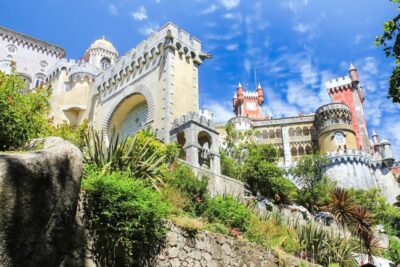 ★ 4.2Sintra: Pena Palace and Park Entrance TicketFrom $1117,410 reviews
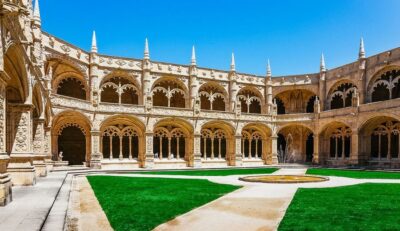 ★ 4.1Lisbon: Jerónimos Monastery Entrance TicketFrom $2114,164 reviews
 ★ 4.6Lisbon: Oceanário de Lisboa Entrance TicketFrom $299,943 reviews
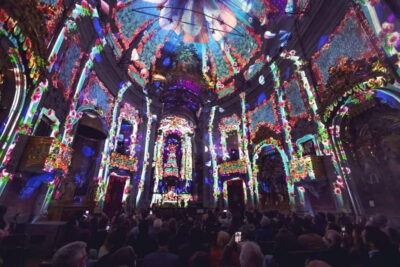 ★ 4.6Porto: Spiritus Multimedia Show Entry TicketFrom $113,791 reviews
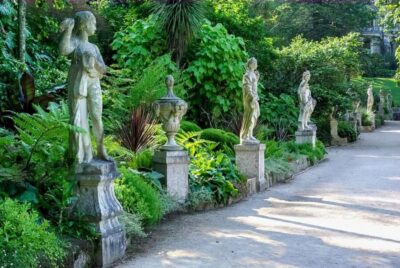 ★ 4.2Quinta da Regaleira Skip-the-Ticket-Line Entry & AudioguideFrom $313,316 reviews
 ★ 4.7Lisbon: Luz Stadium Tour & SL Benfica Museum Ticket w/ScarfFrom $243,264 reviews
 ★ 4.5Porto: World of Discoveries Entry TicketFrom $212,922 reviews
 ★ 4.6Sintra: Castle of the Moors Skip-the-Line TicketFrom $142,893 reviews