
REVIEW · SURF LESSONS ON THE ATLANTIC COAST
Surfing Lessons in Madeira
First waves on Madeira can surprise you. A 2-hour surfing lesson on the north coast near São Vicente is one of the easier ways to try surfing, because the beach setup and conditions are built for learning. I also love that gear rental is included, so you are not hunting down a wetsuit at the last minute, and the instruction is in English.
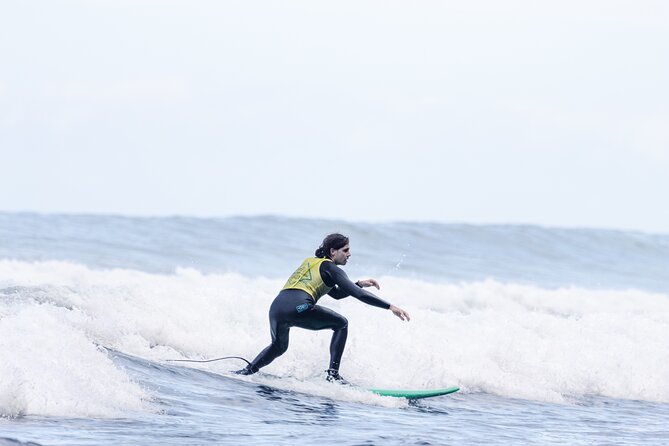
You will get a proper start, not just a quick push into the water. Expect wetsuit and surfboard basics, a warm-up and stretching plan, plus step-by-step coaching on take-off, paddling, catching waves, and standing up.
The main thing to consider is weather. This experience needs good conditions, so if the ocean is rough or visibility is poor, plans can change.
In This Review
- Key things you’ll notice right away
- Why Madeira’s north coast is a smart place to learn
- Meeting at Madeira Surf Center, then moving to the right shoreline
- Wetsuit basics and the warm-up that keeps you surfing longer
- Paddling, take-off, catching waves, and standing up
- 1) Paddling with a purpose
- 2) Take-off basics
- 3) Catching waves without panic
- 4) Standing up and resetting
- Safety and surf etiquette, taught so you can actually use it
- Stretching after surfing, and how you keep improving after day one
- Group size, timing, and who this lesson fits best
- Should you book this Madeira Surfing Lesson?
- FAQ
- What is the meeting point for the surfing lesson?
- What time does the lesson begin?
- How long is the surfing lesson?
- Is the lesson offered in English?
- Do I need to bring my own surf gear?
- Is this lesson good for beginners?
- How many people are in the group?
- Is the session dependent on weather?
- What happens if there are too few travelers to run the experience?
- What is the cancellation policy?
Key things you’ll notice right away
- Beginner-first waves on Madeira’s north coast, often with smaller, more manageable surf
- Wetsuit and board rental included, so you show up and get to learning
- Step-by-step technique focus, from paddling to your first standing attempts
- Warm-up, safety briefing, and surf etiquette, explained clearly
- Small group size up to 6, which makes feedback easier to get
- Coaching that helps different levels, whether you are new or have some surf time
More Atlantic beach breaks and first lessons we have reviewed in Madeira
- Funchal: Madeira Island Group Surf Lesson★ 4.7 · 282 reviews
- Madeira: Surf Lessons for All Levels★ 4.8 · 191 reviews
- Madeira Surfing Lessons – Aroundfreedom Surf School★ 5.0 · 104 reviews
Why Madeira’s north coast is a smart place to learn
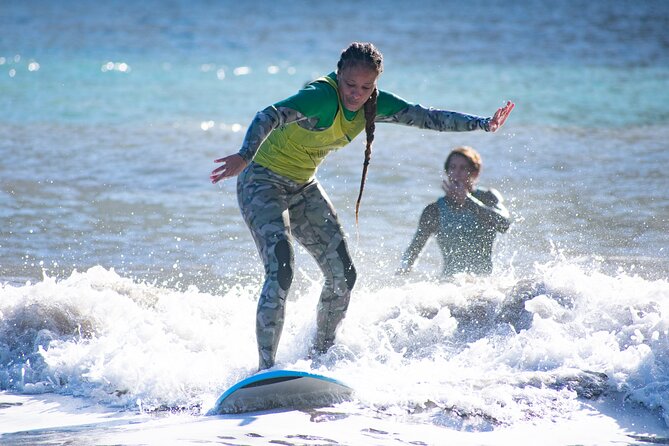
Madeira has surf, but not every coastline is the same for beginners. The north coast is the target here, because it offers the right mix of sand beaches and relatively small-wave conditions for first lessons. That matters more than you think. Surfing is hard enough without fighting harsh surf direction, slippery rocks, or big sets before you even know how to paddle consistently.
You also get dramatic ocean views while you learn, without turning the whole session into a survival test. The goal is simple: you spend your time practicing the core motions, not just watching others ride.
One more practical upside: sand landings and controlled breaks are usually easier for wiping out without hurting your confidence. If you are worried about feeling clumsy, this coastline choice makes it more likely you will leave with a real sense of progress.
Meeting at Madeira Surf Center, then moving to the right shoreline
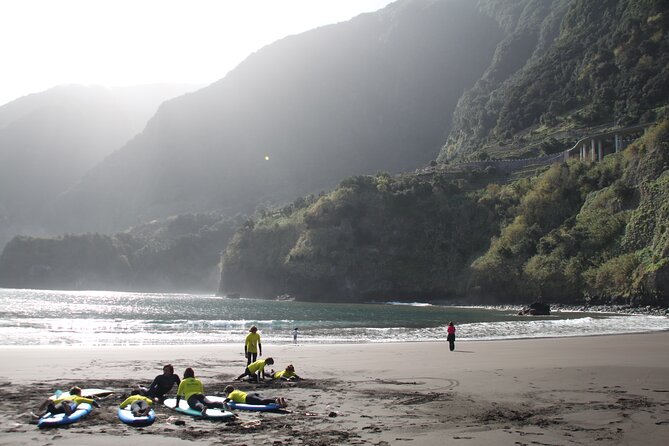
Your lesson starts at Madeira Surf Center in São Vicente, in the Fajã da Areia area. The listed meeting point is Baía dos Juncos, Fajã da Areia, 9240-029 São Vicente, Portugal, and the start time is 9:30 am. The activity ends back at the same meeting point, so you are not stuck figuring out a ride at the end.
Because the group is capped at 6 travelers, the team can do quick checks, correct posture, and answer questions without losing the whole class to one slow step. That small-group feel is a big value point for first-time surfers. Surf lessons can get chaotic fast when everyone is waiting to figure out what to do next, and a smaller headcount keeps the energy focused.
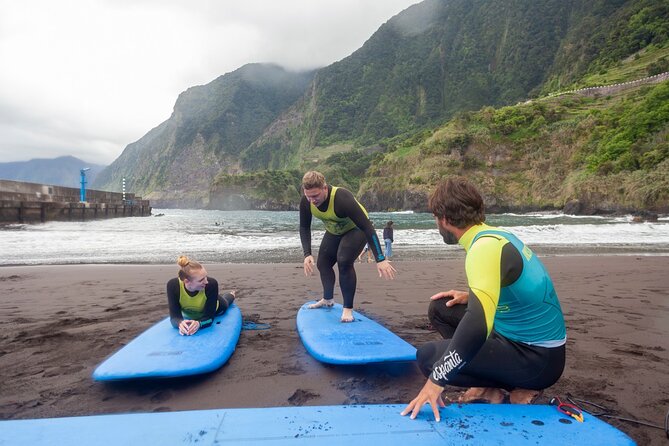
At the start, you should expect a short orientation and practical setup. You learn how to wear your surf wetsuit properly and what to look for on the surfboard before you ever take a step into the water. Even if you have seen videos, those two things make a big difference because a surfboard and wetsuit behave differently than regular beach gear.
Wetsuit basics and the warm-up that keeps you surfing longer
The lesson is built around a physical routine, not just technique. You will do a warm-up and learn why stretching and mobility matter before you paddle and pop up. Surfing uses your shoulders, core, and legs, and most first-timers feel it most in the moments they are least prepared for, like after the fourth or fifth wipeout.
Here is what I like about the approach. The warm-up is not generic. You are preparing for real actions you will repeat: getting into position on the board, paddling efficiently, and practicing your take-off. When that warm-up matches the movements you are about to do, your body is more willing to cooperate.
You also get instruction on surfboard handling before wave time. That includes how to orient yourself on the board, how to manage balance, and how to get ready to move when a wave forms. If you have never paddled for more than a swim, this helps you understand why surfing is not just about strength, it is about timing and positioning.
For first-time surfers, this stage is where confidence is created. If you can feel comfortable with your wetsuit and board, the water stops being a mystery and becomes a training ground.
Paddling, take-off, catching waves, and standing up
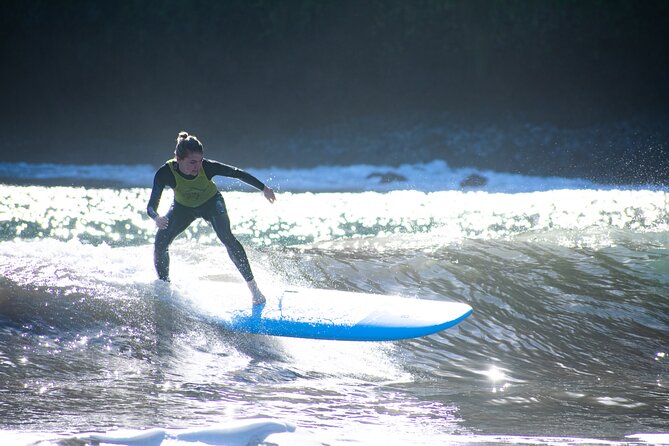
This is the heart of the lesson, and it is where the coaching payoff shows up. The session focuses on key steps in the right order, so you build from fundamentals instead of skipping straight to standing.





1) Paddling with a purpose
Paddling might look simple until you try it on a surfboard. You will learn how to paddle while staying correctly positioned on the board and how to move in a way that helps you gain speed when a wave is coming. Good paddling also reduces wasted effort, which means you can keep practicing longer.
2) Take-off basics
Take-off is the moment you feel the most pressure, because you have to transition quickly. Expect instruction on the mechanics of timing your move, getting to a stable stance, and keeping your body aligned. Many first-timers try to stand up too early or lose balance right at the transition. Take-off coaching helps you avoid that classic face-into-the-sand routine.
3) Catching waves without panic
Catching waves is not about chasing everything. You learn how to respond when the wave timing is right, so you are not just lunging at random sets. The lesson is designed so you can actually experience catching and standing, not just attempt one small segment and then spend the rest of the time starting over.
4) Standing up and resetting
Standing up is the big milestone. The training includes what to do when you get it right and also what to do when you do not. Wipeouts are part of learning, and the best lessons treat them as feedback, not failure.
A useful detail from the teaching style here is that instructors keep first-time surfers supported even when conditions look bigger than you expected. That matters. Confidence affects how long you keep trying, and keeping you trying is how you improve.
Safety and surf etiquette, taught so you can actually use it
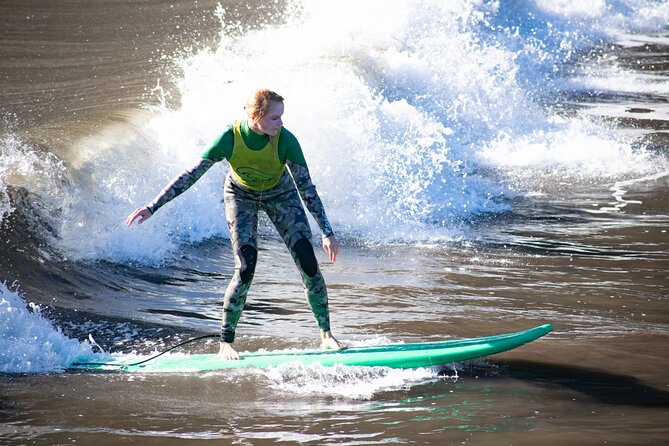
Surf etiquette is not “nice to have” information. It is how you surf safely in shared water. In your lesson, you will get rules, surf safety guidance, and etiquette basics explained before you get too far into wave attempts.
You will also learn practical expectations for how to behave around other surfers and how to avoid common situations that create risk. Even as a beginner, you are not just trying your moves. You are sharing the break, and small etiquette mistakes can turn a good session into a tense one.
This part is especially valuable if you have never surfed at all. You do not want to guess the unwritten rules while you are focused on paddling, balancing, and spotting waves. Having it spelled out makes your whole session feel more predictable.
Stretching after surfing, and how you keep improving after day one
After the surf session, stretching is part of the plan. That is not just for comfort. It helps your body recover so you can practice again later without feeling crushed for the next couple of days.
If you are hoping to improve beyond the first lesson, use the basics from today as a checklist. When you get back to land, ask yourself two things:
- Did my paddling help me get into position faster?
- When I tried to take off, did my body timing feel too early, too late, or off-balance?
That kind of quick reflection is one of the best ways to turn a single lesson into real growth. The coaching style here also supports different starting points. If you have surfed before, you can still get corrections that make your paddling and take-off more efficient. That is good value, because it means the lesson does not feel wasted if you are not starting from zero.
Group size, timing, and who this lesson fits best
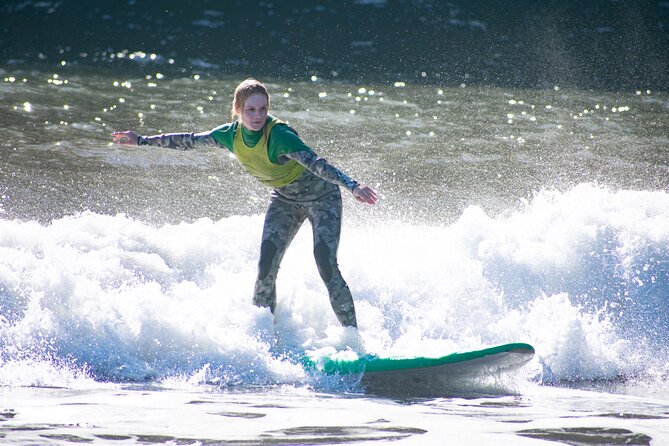
This lesson runs about 2 hours and starts at 9:30 am. With a group limit of 6, you typically get more direct attention than in bigger classes. That matters for beginners because you need quick feedback to correct body position during paddle and take-off.
Most travelers can participate, which is helpful if you are traveling with a group and some people are newer to sports. The lesson structure also supports different comfort levels in the water, since instruction includes warm-up, safety rules, and gradual skill focus.
Who it suits best:
- First-time surfers who want structured coaching and included equipment
- People who want to learn in a spot with small-wave conditions on the north coast
- Anyone who likes close instruction rather than “good luck out there” teaching
If you hate being cold, plan for the wetsuit experience. You will wear it for a reason, and it helps you stay comfortable enough to practice repeatedly.
Should you book this Madeira Surfing Lesson?
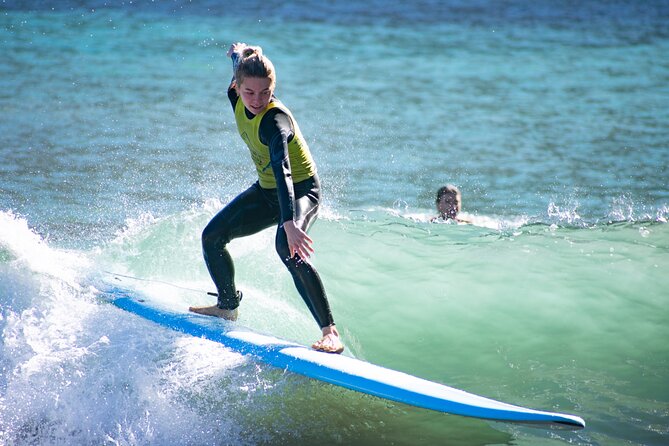
If you want a beginner-focused surf lesson in Madeira, I think this is an easy yes. The biggest strengths for your decision are practical: included wetsuit and board rental, English instruction, and a teaching format that covers warm-up, take-off, paddle skills, catching waves, standing up, and post-session stretching.
Also, the satisfaction signal is strong. It has a 4.8 rating across 168 reviews, and 96% of people recommend it. That kind of consistency usually means the basics are taught well, and beginners feel supported rather than thrown in.
Book it if you are ready to learn the fundamentals and you want a small-group experience on Madeira’s north coast. Skip it only if you are sensitive to schedule changes, since the session requires good weather and can be rescheduled if conditions are poor.
FAQ
What is the meeting point for the surfing lesson?
The lesson starts at Madeira Surf Center, Baía dos Juncos, Fajã da Areia, 9240-029 São Vicente, Portugal.
What time does the lesson begin?
The start time is 9:30 am.
How long is the surfing lesson?
The duration is approximately 2 hours.
Is the lesson offered in English?
Yes, the tour is offered in English.
Do I need to bring my own surf gear?
No. Surf equipment rental is included.
Is this lesson good for beginners?
Yes. It is great for beginners, with the north coast offering sand beaches and small waves suited to learning.
How many people are in the group?
The experience has a maximum of 6 travelers.
Is the session dependent on weather?
Yes, it requires good weather. If it is canceled due to poor weather, you will be offered a different date or a full refund.
What happens if there are too few travelers to run the experience?
If the minimum number of travelers is not met, you will be offered a different date or experience, or a full refund.
What is the cancellation policy?
This experience is non-refundable and cannot be changed for any reason. If you cancel or request an amendment, the amount you paid is not refunded.
Benches and Studios Across Madeira
Atlantic Beach Breaks, More Surf Lessons
Newly added around Madeira
- West Madeira:, Laurel Forest, Waterfall, Rock Pools, Walk
★ 4.8 · 101 reviews - From 0 to 1818 meters to Pico do Arieiro Sunrise
★ 4.9 · 101 reviews - Madeira: Off-Road Buggy Driving Experience
★ 5.0 · 102 reviews - Madeira Surfing Lessons – Aroundfreedom Surf School
★ 5.0 · 104 reviews - Caniço, Madeira: Marine Reserve Kayak & Snorkelling Tour
★ 4.3 · 104 reviews - Private Tuk Tuk Tour to Old Town + Monte in Funchal
★ 5.0 · 106 reviews - Quinta do Lorde: Kayak Experience in Ponta de São Lourenço
★ 4.6 · 106 reviews - Kayak and Snorkeling Tour in Underwater Nature Reserve Garajau
★ 4.5 · 111 reviews - Madeira: Private Guided Cabo Girão Tour
★ 4.9 · 113 reviews - 4×4 Jeep Tour to East & Northeast of Madeira
★ 5.0 · 115 reviews
Other boats, other operators: Surf Lessons on the Atlantic Coast.
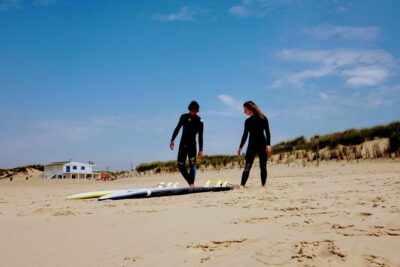 ★ 4.9Lisbon Surf ExperienceFrom $35876 reviews
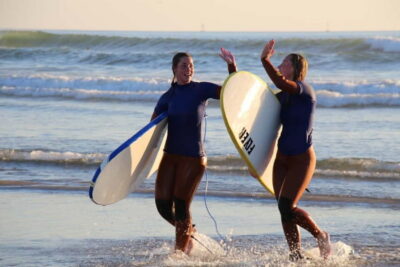 ★ 4.8Matosinhos: Surfing Lesson with EquipmentFrom $34704 reviews
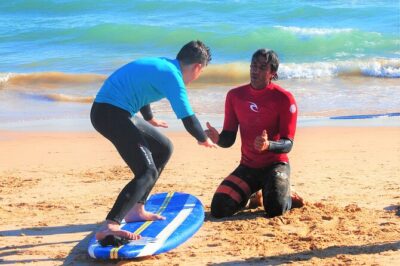 ★ 4.7Albufeira: Surf LessonFrom $36699 reviews
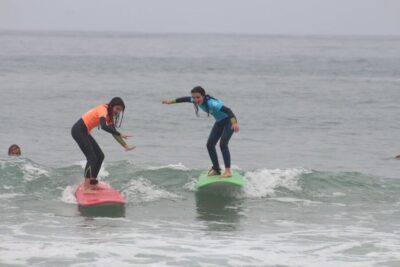 ★ 4.9Porto: Small Group Surf Lesson with TransportationFrom $58594 reviews
 ★ 4.8Albufeira: 2-Hour Falesia Beach Surf LessonFrom $40464 reviews
 ★ 5.0Surf Experience in CascaisFrom $50423 reviews
 ★ 5.0The Surf Instructor in Costa da CaparicaFrom $60403 reviews
 ★ 5.0Beginner Surf Lesson at the Beautiful Algarvian West CoastFrom $78377 reviews