
REVIEW · FATIMA, NAZARE AND OBIDOS DAY TRIPS
Batalha Monastery Entrance Ticket
Gothic and Manueline in one ticket. I really like the way the stained glass turns the light into color, and I also love the scale of the church, with its central nave rising to 32.5 metres. One thing to plan for, though: you need a printed voucher, and entry is tied to a 1-day window with starting times you must check.
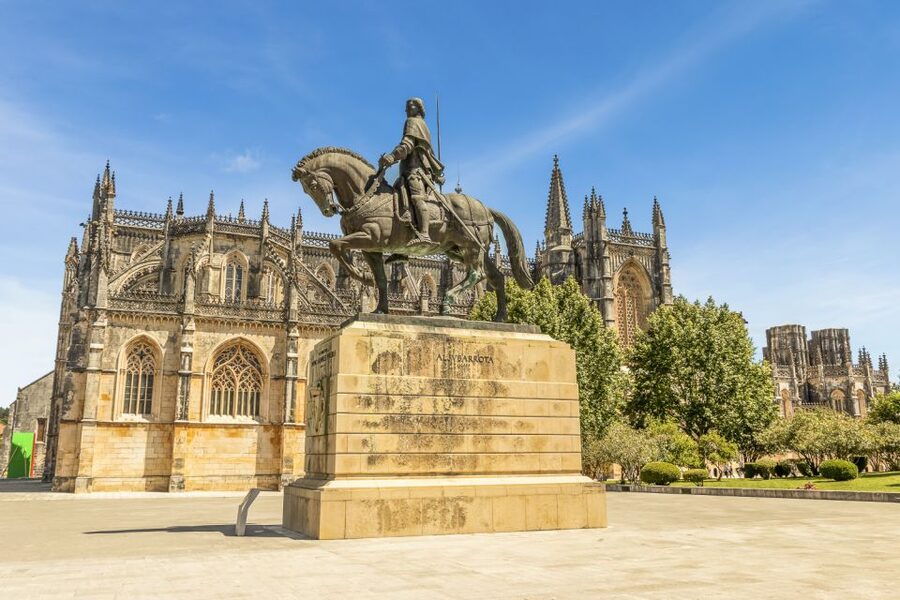
This is the Batalha Monastery, a Dominican complex that was built in 1385 after the Portuguese victory over the Castilians at the Battle of Aljubarrota, funded by King João I. It is a UNESCO World Heritage Site since 1983, and it serves as a royal pantheon, so you’re not just touring pretty buildings, you’re walking through Portuguese monarchy in stone.
For $17 per person (booking fee included), the value is strong if your goal is architecture. You also get skip the ticket line with an entrance ticket, and you can access the whole complex for the day, from the church to the cloisters and the Auditorium.
In This Review
- Key things to know before you go
- Batalha Monastery ticket pricing and value (what $17 really covers)
- Where your visit starts at the Mosteiro de Santa Maria da Vitória ticket office
- First stop: stepping into the UNESCO complex
- Church highlights: stained glass, the 32.5-metre nave, and the eight-column drama
- Portuguese Gothic meets Manueline: what to notice without getting lost
- Imperfect Chapels: why this stop is more than a name
- Royal Cloister and carved corridors: walking the monastery like a timeline
- Chapter Hall and Auditorium: finishing with the spaces that round out the complex
- Timing your 1-day visit without rushing the best moments
- Who this entrance ticket suits best
- Should you book the Batalha Monastery entrance ticket?
Key things to know before you go
- Stained glass viewing from the Chapel columns is one of the best “wow” moments.
- Central nave height reaches 32.5 metres, supported by eight columns on each side.
- Imperfect Chapels + Royal Cloister give you multiple architectural moods without feeling repetitive.
- Chapter Hall and Auditorium add variety beyond the main church.
- Carved cloisters connect to monastery spaces like the dormitory, dining room, and kitchen.
Batalha Monastery ticket pricing and value (what $17 really covers)
For $17 per person, you’re buying more than a door entry. You get an entrance ticket to the full monastery complex for a 1-day visit, plus a booking fee is included in that price.
The value comes from concentration. Batalha is not a “see one thing and leave” stop. This one ticket gets you the church, cloisters, chapels, and even the Auditorium in one place. If you’re the type who enjoys looking up, walking slowly, and noticing details, you’ll feel like you got your money’s worth.
The other practical win is that the ticket is set up to help you skip the ticket line. That matters here, because Batalha Monastery is a major landmark and the queue can eat time you’d rather spend inside.
Where your visit starts at the Mosteiro de Santa Maria da Vitória ticket office
Your meeting point is the Batalha Monastery ticket office at Mosteiro de Santa Maria da Vitória, Batalha (2440-109 Batalha). That is also where the experience ends, so you’re not dealing with a complicated pickup or a confusing drop-off.
Since this is an entrance ticket experience, you’ll want to arrive with enough buffer to handle the printed voucher requirement. The voucher rule is simple, but it can be annoying if you’re relying on your phone. Bring a paper copy, even if you think you won’t need it.
Also note that entry is valid 1 day, and starting times depend on availability. That means you should pick a time window that matches your energy and your plan for the rest of Batalha.
First stop: stepping into the UNESCO complex
Once you’re through the ticket flow, you’re entering a major Portuguese monument with serious historical weight. The complex was built in 1385, and it was created as part of the story after Aljubarrota, when Portugal asserted itself against the Castilians. The funding from King João I is part of why the monastery feels both grand and intentional.
UNESCO status since 1983 is not just a label here. It’s a hint that the architecture and planning are meant to be experienced closely, not rushed past. In other words, take your time at the viewpoints, because a lot of the design is about how you see from one space into another.
You’ll also quickly feel that this is a religious site, a royal space, and an architectural showcase all at once. That mix changes how you move through it. You’re not just sightseeing, you’re stepping into a functioning historical statement about faith and power.
Church highlights: stained glass, the 32.5-metre nave, and the eight-column drama
The church is the centerpiece, and it’s built to impress from multiple angles. One major highlight is the stained glass. You’ll be able to admire the colorful medieval windows from the impressive columns of the Chapel, which is a clever design choice. The viewpoint matters, because the light and the color feel different when you’re looking from inside the space rather than from the ground.
Then there’s the central nave height, which reaches 32.5 metres. The structure rests on eight columns on each side, and that repeated rhythm gives you a sense of motion as you look forward. Even if you are not a “church person,” the scale is hard to ignore.
Practical tip: wear shoes you can stand in. The church rewards slow walking and looking up, which naturally takes time. If you try to do the whole site at a sprint pace, you’ll miss what makes this architecture memorable.
Portuguese Gothic meets Manueline: what to notice without getting lost
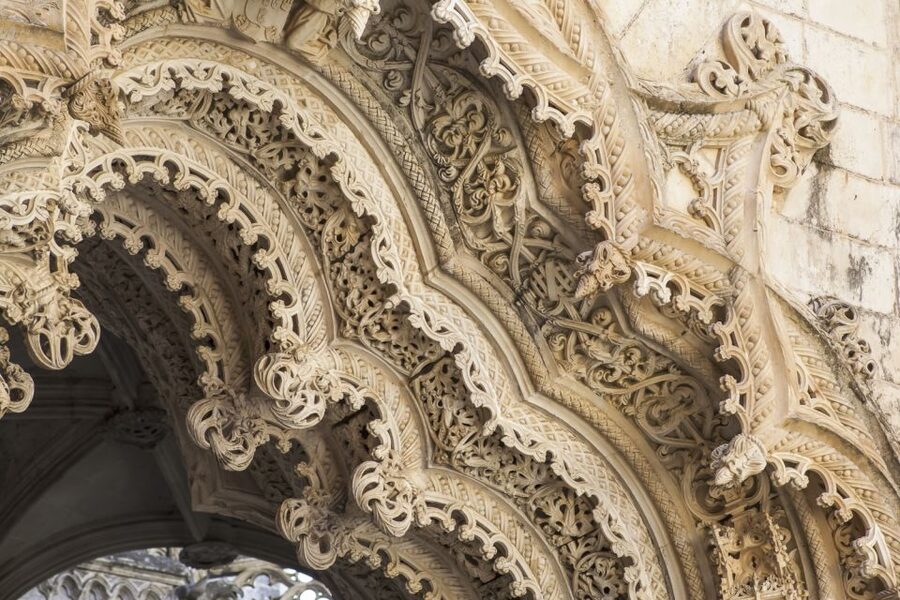
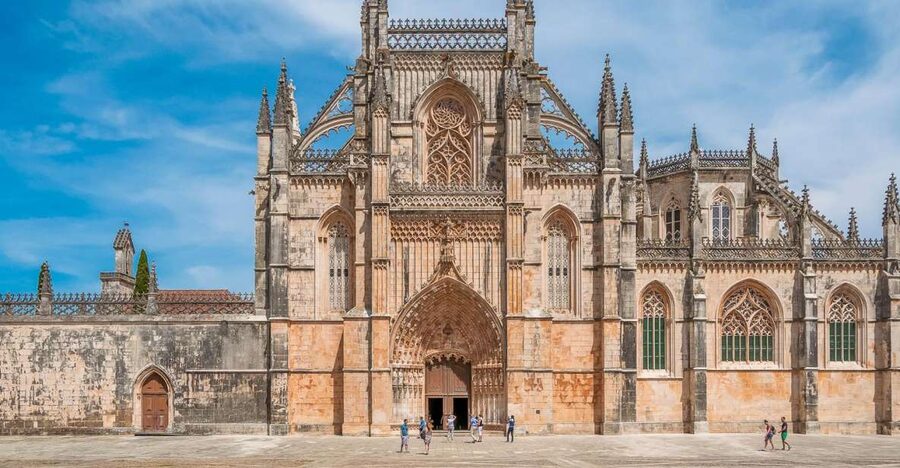
Batalha is famous for original Portuguese Gothic and Manueline style elements, and that sounds like a museum phrase until you’re actually inside. The key is to focus on the parts that reflect Portugal’s character: the way ornament works with structure, and how detail is used to guide your eye.
In the church and surrounding spaces, look for how the building transitions between grandeur and fine workmanship. You’ll see design choices that feel both religious and political, like the architecture is speaking loudly on behalf of the monarchy and the Dominican community.
And because the complex includes multiple zones, you can compare styles as you move. That makes it easier to understand what you’re seeing, even if you don’t have a degree in medieval architecture. The site itself gives you the contrast, from major church forms to the more intimate spaces around the cloisters and chapels.
Imperfect Chapels: why this stop is more than a name
The Imperfect Chapels are one of the highlights for a reason. The name alone makes you curious, but the real value is how the chapels fit into the wider monastery story. They give you another architectural experience after the big “main church” moment.
If you’re the kind of visitor who likes variety, these chapels are a good mid-visit target. You’ve already taken in height and stained glass, so turning to a different chapel area resets your eyes. It also helps you keep the site from feeling like a single long hall.
Practical approach: don’t treat the chapels as a quick photo stop. Spend a little longer here than you think you need, because the architectural details tend to reward attention at close range.
Royal Cloister and carved corridors: walking the monastery like a timeline
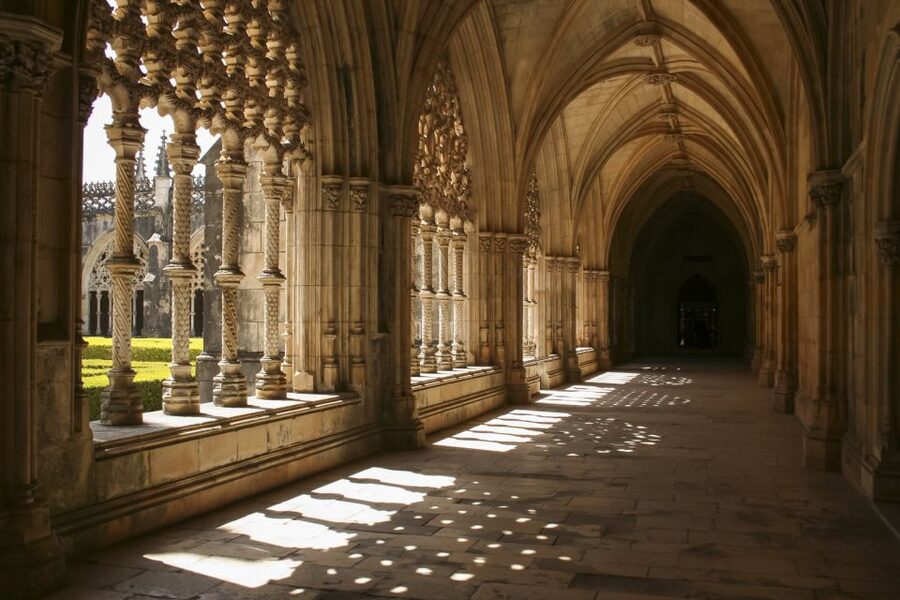
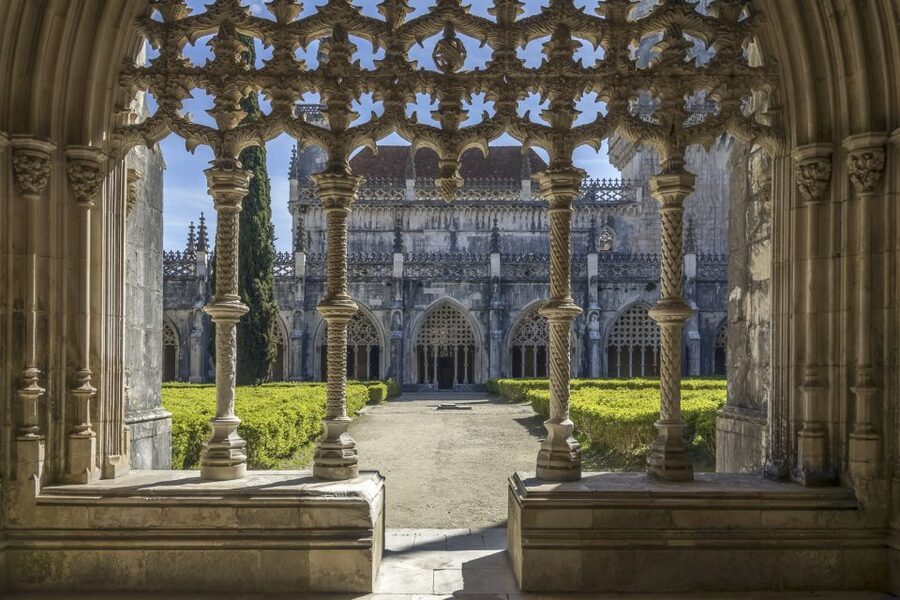
Next, you’ll head toward the cloister areas, including the Royal Cloister. This is where the monastery starts to feel like a lived-in complex rather than a single monument. The cloisters are connected to other important monastery spaces, including the dormitory, dining room, and kitchen.
That connection matters. It changes the way you interpret the architecture. Instead of just seeing religious buildings, you’re imagining daily rhythms in the same stone spaces you’re walking through now. Even without historical background, the layout helps you understand how people moved and how the monastery functioned.
This is also a good point to slow down and look at the carved cloisters themselves. The carvings act like a visual map, and they guide you as you move from one area to the next.
Chapter Hall and Auditorium: finishing with the spaces that round out the complex
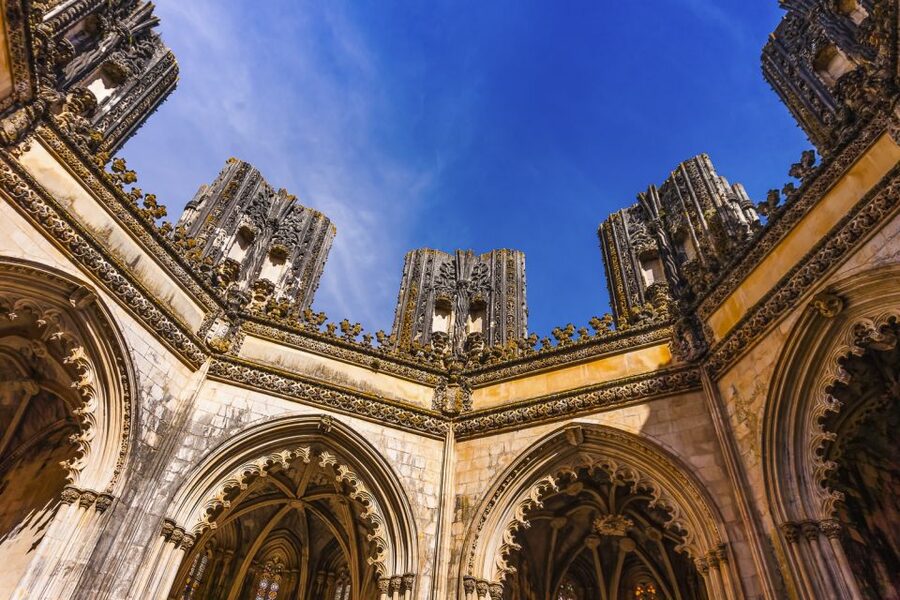
The visit doesn’t stop at church and cloisters. You’ll also have access to the Chapter Hall and the Auditorium.
The Chapter Hall is domed, and that shape tends to create a different kind of atmosphere from the church. It’s often quieter in feel, and it gives you a chance to catch your breath and reset your focus.
Then the Auditorium adds another setting, so your visit ends with variety instead of repeating the same highlights. If you like architectural pacing, this part of the itinerary helps balance your day. You’ll go from dramatic height and light to more enclosed monastery rooms and halls.
Timing your 1-day visit without rushing the best moments
This ticket is valid for 1 day, and entry depends on starting times you must check for availability. Plan around that. If you book an early slot, you’ll likely have an easier time moving through the church and chapel viewpoints without feeling hurried.
Allocate time for the “slow stuff.” The stained glass viewing from the Chapel columns and the central nave height are both best experienced by looking up and lingering. If you only spend a minute or two in the main church, it’s like reading the first page of a book and walking away before the story even starts.
A solid way to structure your visit is:
1) Church first, so you get the big wow moments while you have energy.
2) Chapels next, so the contrast stays fresh.
3) Cloisters and connected monastery spaces after that, for the walking and detail.
4) Finish with Chapter Hall and the Auditorium.
Because the experience ends back at the meeting point, your time management is simpler. You just keep moving until you’ve covered the key areas.
Who this entrance ticket suits best
This is a great fit if you care about architecture and want to see Portuguese Gothic and Manueline style in a single concentrated visit. It also suits people who like UNESCO sites but prefer something you can explore at your own pace rather than hopping between far-flung attractions.
It’s also a good choice for history-minded visitors who want the monarchy connection. Built after Aljubarrota and funded by King João I, the monastery is tied to national identity, not just religious devotion.
If you’re traveling with mobility needs, it’s wheelchair accessible. That’s a meaningful advantage because a monastery complex often involves stone floors and lots of open space.
Should you book the Batalha Monastery entrance ticket?
Yes, I think you should book this entrance ticket if your priority is a focused architectural visit. For $17, you get one-day access to a UNESCO complex with the church, stained glass viewing points, Imperfect Chapels, Royal Cloister, Chapter Hall, and the Auditorium, plus the practical benefit of skip the ticket line.
I’d only hesitate if you do not want to bother with a paper requirement. The printed voucher rule is real, and you do need to check the starting times for the day you want.
If you go with a plan to linger in the church and actually look up, this ticket turns into a satisfying Portugal stop, not just another box checked.
Other boats, other operators: Fatima, Nazare and Obidos Day Trips.
 ★ 4.5Three Cities in One Day: Porto, Nazare and Obidos from LisbonFrom $1333,572 reviews
 ★ 4.5From Lisbon: Day Trip to Porto, Óbidos, and NazaréFrom $971,311 reviews
 ★ 4.8From Lisbon: Knights Templar Day Tour in TomarFrom $113465 reviews
 ★ 4.8Nazaré: 4×4 Buggy Tour with GuideFrom $153283 reviews
 ★ 4.9Óbidos: Medieval Tales & Secrets Spots Guided Walking TourFrom $41171 reviews
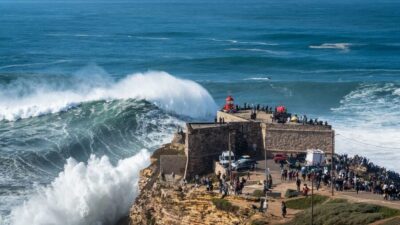 ★ 5.0From Lisbon: Private Óbidos and Nazaré TourFrom $335152 reviews
 ★ 5.0Tour of the Knights Templar’s of Tomar in Private TourFrom $157138 reviews
 ★ 5.0Óbidos: Medieval Tales & Secrets SpotsFrom $42137 reviews
Filed under