
REVIEW · PORT WINE CELLARS IN VILA NOVA DE GAIA
Lisbon: Guided Port Wine Tasting Apéritif/Digestif
Port wine can be a whole class in a glass. I like this Lisbon tasting because it gives you six distinct styles in just one hour. You also get the fun of learning what you are tasting, not just sipping.
My other favorite part is the guide-led coaching, with Portuguese or English support and names like Caio, Jorge, and Kyle showing up in past sessions. One thing to consider, though, is that this is a small, compact tasting room experience, so the vibe may feel more modern than old-school port cellar, and it can be easy to misplace the address if you rely on a last-minute taxi.
In This Review
- Key highlights worth clocking
- A simple 1-hour port lesson in the heart of Lisbon
- Inside From The Vine: small-group format and guide style
- The six ports you taste: tawny, ruby, white, rosé, reserve, 10-year-old
- Red tawny: smooth and mellow
- Red ruby: bright and fruity
- White port: crisp and refreshing
- Rosé port: light and floral
- Reserve port: robust and aged
- 10-year-old port: complex and rich
- Tasting technique, history talk, and questions you can actually ask
- Snacks, pacing, and the right vibe for apéritif or digestif time
- Price value at $28 and what to plan around
- Should you book this Lisbon port tasting?
- FAQ
- How long is the Lisbon port wine tasting?
- How many port wines do I taste?
- What kinds of port wines are included?
- What is included in the price?
- Is transportation or meals included?
- Where do I meet for the tour?
- What languages are the guides?
- What is the group size?
- Is smoking allowed?
- Who can participate, and who should not?
Key highlights worth clocking
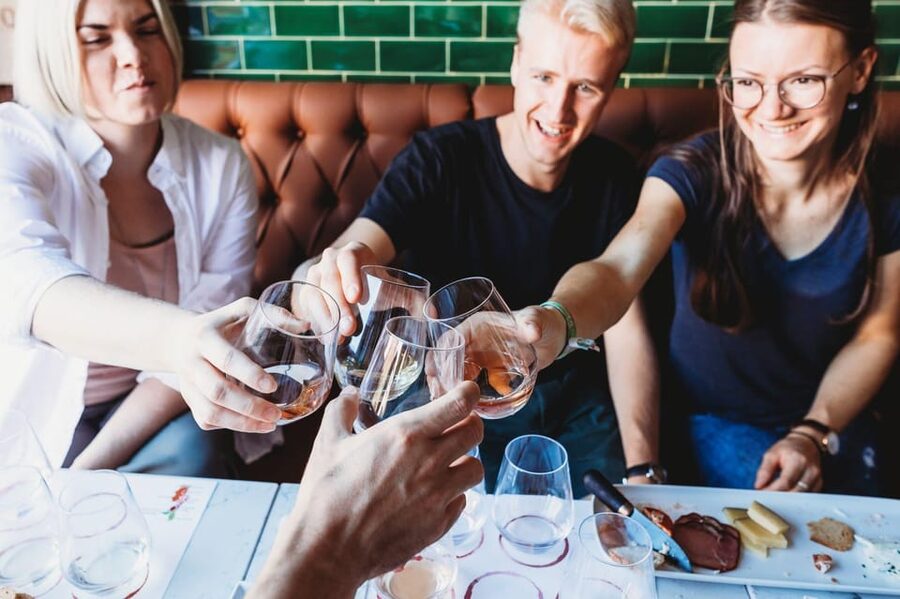
- Six port styles in one tasting, from tawny to 10-year-old
- Guide talk that explains why flavors change, plus practical tasting tips
- Apéritif/digestif friendly pacing, with snacks to keep it pleasant
- Small group (10 or fewer), so you can ask questions
- English and Portuguese guides, including praised hosts like Caio and Jorge
More Gaia lodges and port tastings we have sat down for in Lisbon
- Lisbon: Live Fado Show with Port Wine in Historic Center★ 4.7 · 4,166 reviews
- Fado Show with Port Wine at Historic Lisboa em Fado★ 4.5 · 277 reviews
- Lisbon – Sunset DJ & Porto Tonic Premium Boat Experience★ 4.5 · 163 reviews
A simple 1-hour port lesson in the heart of Lisbon
Port in Lisbon is an easy afternoon win, especially if you want culture without committing to a half-day winery trip. This session runs about 1 hour, and the format is built around a clear goal: you taste, compare, and learn what each style is trying to do.
What makes it feel worthwhile is the range. You are not just doing one safe red, then calling it done. You move through a lineup that covers red tawny, red ruby, white port, rosé port, reserve port, and a 10-year-old port. That sequence helps your palate understand how port can shift from bright and fruity to mellow and aged.
Price-wise, $28 per person is not a bargain in the way a shop tasting might be, but it is also not the cost of a full-day excursion. You’re paying for guided structure and the ability to taste multiple styles with a coach who can translate what you are seeing and smelling into something you can actually use later.
Inside From The Vine: small-group format and guide style
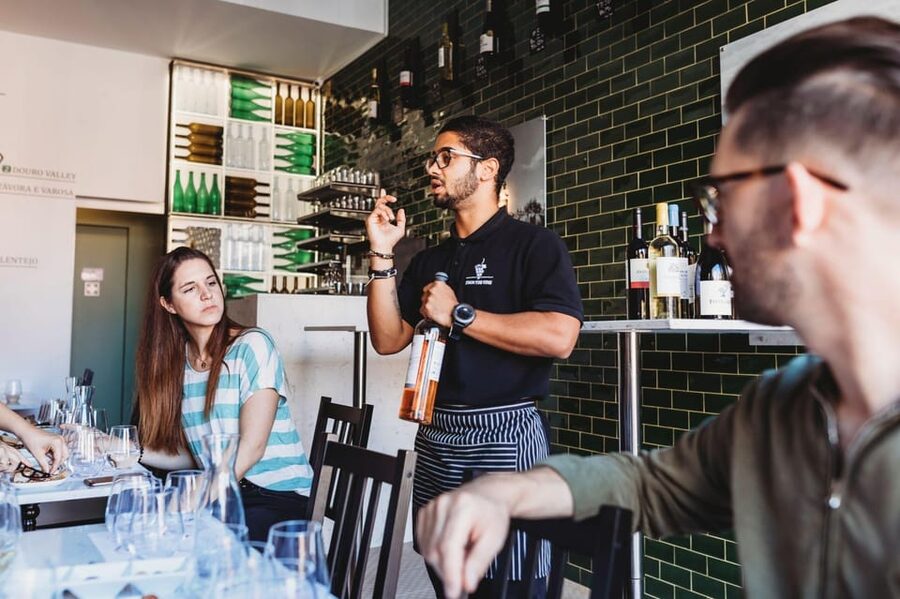
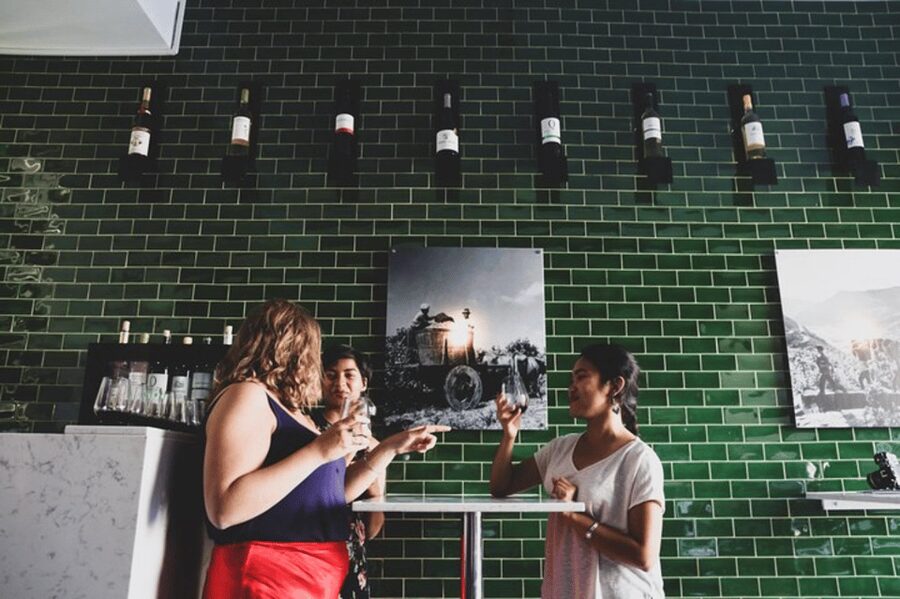
You meet at From The Vine: Port & Wine Tasting Bar in Lisbon. After that, you settle into a guided tasting in a small group, with a cap of 10 participants. That small number matters more than it sounds. It means the guide can slow down when you have questions and keep the group moving at a pace that works for most people.
The hosts have been praised for being friendly and interactive, and you may meet guides such as Caio, Jorge, or Kyle depending on the session. In past tastings, people specifically liked the balance of explanation and conversation, and the fact that the guide helped even non-port drinkers feel comfortable.
Also, the experience is set up as a proper tasting bar experience, not a lecture hall. That is good news if you learn by doing. You will get the prompts you need to taste with intention, rather than trying to guess what you are supposed to notice.
Practical note: smoking is not allowed. If you arrive with a strong appetite, you will still be fine because there are sweet and savory snacks paired with your pours.
The six ports you taste: tawny, ruby, white, rosé, reserve, 10-year-old
The heart of this experience is your flight of six port wines. Each one is meant to be a comparison point. When you taste them in order, you start to feel the pattern: fruit-forward styles, lighter styles, then the deeper aged profiles.
Here is what you can expect from each pour.
Red tawny: smooth and mellow
Red tawny is often the crowd-pleaser for first-time port drinkers because it tends to feel smooth and mellow. In your glass, the guide will help you notice the way tawny can taste rounder, with a more gentle character than the brighter reds. If you think port only means heavy and intense, this one is a good reality check.
More adega tastings and vinho verde flights we have poured through in Lisbon




Red ruby: bright and fruity
Next comes red ruby, described as bright and fruity. Ruby helps you compare directly against tawny. This is the style that usually makes it easier to identify fruit notes versus aged notes. If you like wines that feel lively rather than syrupy, this is one you will likely remember.
White port: crisp and refreshing
Then you switch gears to white port, which is crisp and refreshing. This is an important moment in the lineup because it shows port is not only a red-dessert idea. You get a sense of why white port fits well as an apéritif style, especially when paired with snack bites that are sweet or savory.
Rosé port: light and floral
After that, expect rosé port, light and floral. This is the pour that many people find surprising, especially if they only know port as red. The guide’s job here is to help you pick out the delicate side of it, so you can appreciate it instead of treating it like a simple pink drink.
Reserve port: robust and aged
The lineup then moves toward depth with a reserve port, described as robust and aged. This pour is where the tasting becomes more about structure. You are not just noticing flavor, you are noticing weight, persistence, and the aged feel. If you like wines with more seriousness, this is the bridge from fruit to complexity.
10-year-old port: complex and rich
Finally, you taste a 10-year-old port, called complex and rich. This is the finish that makes the whole flight click. By the time you reach this glass, you have tasted the lighter styles first and can better understand what aging does. The best payoff here is the comparison, not the single sip.
One extra perk: the session is small enough that if you find a favorite, you might be able to request an additional taste. In at least one past session, the guide offered another sample of a participant’s favorite pour, and that kind of flexibility is a sign the guide is paying attention, not just rushing through a script.
Tasting technique, history talk, and questions you can actually ask
This tasting is not only about what goes into your glass. It also teaches you how to taste port so you can repeat the experience later.
You will learn:
- How to properly taste and appreciate each glass
- The wine-making process and the history of port
- How to link what you smell and taste to the style you are drinking
The history piece matters because port is not just wine. It has a distinctive identity shaped by production choices and ageing styles. Even if you already know basic wine terms, you will likely pick up a couple of “aha” moments, like why the same grape family can end up tasting radically different depending on how the wine is built and aged.
The guide Q&A style has been a standout. People liked that they could ask questions and get clear answers without feeling rushed. If you are the type who wants to understand why your favorite tastes the way it does, this format works.
Also, because the tour is guided in English and Portuguese, you can feel comfortable asking questions in the language you prefer. That matters if you want to explore beyond surface flavors.
Snacks, pacing, and the right vibe for apéritif or digestif time
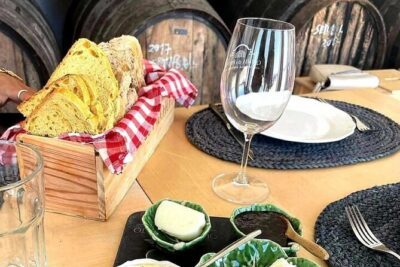
Your flight is paired with sweet and savory snacks. That pairing is not just a comfort add-on. It helps you reset your palate between contrasting styles.
A smart tip: treat the snacks as part of the tasting rhythm. Take a small bite, then go back to the next pour. You will taste changes more clearly than if you jump straight from one glass to the next.
Pacing is another practical win. The tasting is only one hour, so it stays focused. You get enough time to notice differences, but you do not end up stuck in a long session when your interest starts to fade. One past participant noted the session felt closer to about 45 minutes, which suggests pacing can vary slightly by the group. Either way, the structure stays tight.
Atmosphere is mostly about the tasting room, not about scenery. One review mentioned the room music leaned more modern than traditional, so if you care a lot about getting a classic Portuguese vibe, you might want to mentally set expectations: this is a tasting-first experience.
Price value at $28 and what to plan around
Let’s talk value, because $28 can mean different things depending on what’s included. Here, it’s fairly easy to justify.
You get:
- A guided tasting of 6 distinct port wines
- Sweet and savory snack pairings
- A live guide (English or Portuguese)
- A small group experience capped at 10
What you do not get:
- Transportation
- Meals
So for planning, I recommend treating this as a structured tasting stop, then eating separately. Since port can be dessert-adjacent depending on the style, you might not need a full heavy meal right after. A lighter dinner plan can feel better.
Also, if you are not traveling with a car, budget a bit of time to find the meeting point. In at least one case, a participant’s taxi struggled to locate the venue. The fix is simple: check the address carefully and consider leaving a little extra buffer time.
For who this is a great value: people who want an education in a short slot, people who like comparing wine styles, and anyone who wants a guided tasting without paying for a day-long tour.
Should you book this Lisbon port tasting?
I think you should book if you want a high-contrast wine education without a long commitment. The best reason is the tasting lineup itself. Six styles lets you taste port across categories, not just through one safe choice. And because the group stays small, the guide can actually work with you, whether you already drink port or you are trying it for the first time.
You might skip it if you want a long, slow, old-world winery experience with lots of atmosphere-building. This is more focused, bar-style, and the experience centers on the pour and the explanation.
Quick fit check:
- Great fit: wine-curious adults, small-group fans, anyone who likes comparing multiple styles in a short time
- Not a fit: pregnant women and children under 18 (participation is 18+), plus anyone who does not want to taste alcohol
FAQ
How long is the Lisbon port wine tasting?
The tasting lasts about 1 hour.
How many port wines do I taste?
You taste 6 distinct port wines.
What kinds of port wines are included?
The tasting includes red tawny, red ruby, white port, rosé port, reserve port, and a 10-year-old port.
What is included in the price?
The price includes the guided tasting of the 6 port wines and sweet and savory snack pairings.
Is transportation or meals included?
No. Transportation and meals are not included.
Where do I meet for the tour?
Meet at From The Vine: Port & Wine Tasting Bar, Port & Wine Tasting in Lisbon.
What languages are the guides?
The live tour guide is available in English and Portuguese.
What is the group size?
It is a small group with a limit of 10 participants.
Is smoking allowed?
No, smoking is not allowed.
Who can participate, and who should not?
Participants must be at least 18 years old. It is not suitable for pregnant women or children under 18.
Guide-Led Outings in Lisbon, More Bookings





Adegas and Vinho Verde Flights, More Tastings





Gaia Port Lodges, More Tastings We Sat Through



Newly added around Lisbon
- Lisbon: Street Art Walk
★ 5.0 · 79 reviews - From Lisbon: Nazare Big Waves and Óbidos Guide Day Trip
★ 4.7 · 79 reviews - Small Group Walking Tour of Belém
★ 4.9 · 80 reviews - Lisbon: Regaleira, Sintra, Cape Rock & Cascais Day Trip
★ 4.6 · 80 reviews - Lisbon: Evening Local Food Crawl with Drink Pairings
★ 4.6 · 80 reviews - From Lisbon: Sintra and Portuguese Coast Private Day Tour
★ 5.0 · 80 reviews - Lisbon: Authentic Fado Show, Dinner and Night Tour
★ 4.6 · 80 reviews - Golden Hour Boat Tour – Sailing by the Monuments with Wine
★ 5.0 · 81 reviews - Hard Rock Cafe Lisbon with Set Lunch or Dinner
★ 4.0 · 81 reviews - Fado Musical Experience with Portuguese Wine & Appetizers
★ 4.5 · 81 reviews
Other boats, other operators: Port Wine Cellars in Vila Nova de Gaia.
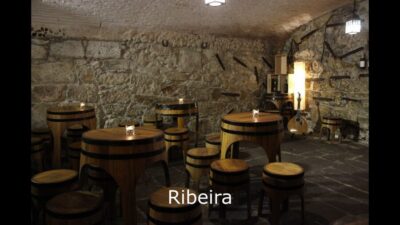 ★ 4.8Porto: Live Fado Show with Glass of Port WineFrom $236,498 reviews
 ★ 4.7Lisbon: Live Fado Show with Port Wine in Historic CenterFrom $174,166 reviews
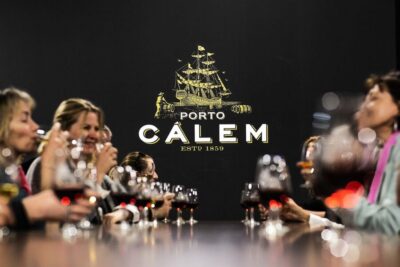 ★ 4.5Porto: Cálem Cellar Tour, Interactive Museum & Wine TastingFrom $234,113 reviews
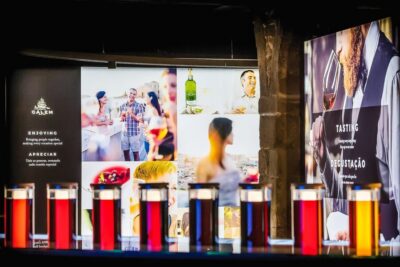 ★ 4.4Porto: Cálem Cellar Tour, Fado Show & Wine TastingFrom $333,530 reviews
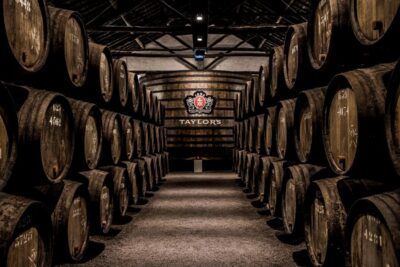 ★ 4.6Porto: Taylor’s Port Cellars & TastingFrom $293,374 reviews
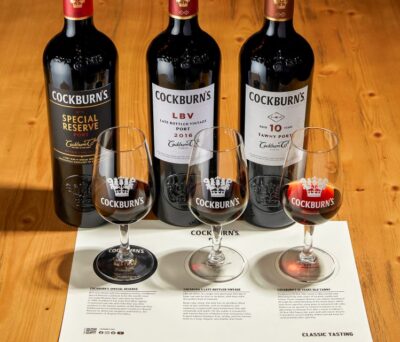 ★ 4.8Porto: Cockburn’s Port Lodge Tour and TastingFrom $353,360 reviews
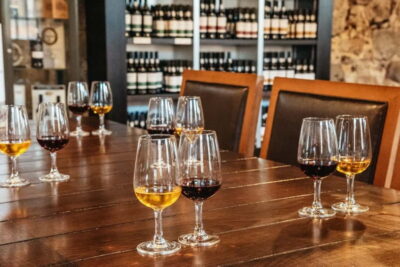 ★ 4.1Porto: Bridges Cruise with Wine Cellar Tour or Sunset OptionFrom $202,758 reviews
 ★ 4.8Porto: Authentic Fado Show, Port Wine & Handmade InstrumentsFrom $212,737 reviews