
REVIEW · MUSEUMS
Lisbon: Royal Treasure Museum Entry Ticket
Lisbon does royal bling well, and this ticket gets you close to it fast. Inside the Royal Treasure Museum at Ajuda National Palace, you’ll see crown jewels, diplomatic gifts, and royal silver in a permanent display built over eight centuries. I especially liked the chance to compare Crown items with private collections, and I was impressed by the sheer focus on details like silverware and ceremonial objects.
Two of the most satisfying parts for me are the Crown’s Silver and the big run of Germain silver tableware. One word of caution: plan for an airport-style security check and lockers for larger bags, and remember last admission is 60 minutes before closing.
In This Review
- Key Things I’d Focus On First
- Inside Ajuda National Palace, Where the Treasure Is Kept
- Entering the Museum, Security, and Where Your Bags Go
- The Museum Layout, 3 Floors, and an Efficient Way to Spend Your Day
- The 11 Exhibit Sections, What You’ll See and What to Look For
- Gold and Diamonds from Brazil
- Coins and Medals of the Crown
- Jobs/Jewels from the Palace Collection
- Orders of Knighthood and Orders of Merit
- Royal Insignia, Ritual Objects of the Monarchy
- The Crown’s Silver
- Private Collections
- Diplomatic Gifts
- Royal Chapel
- The Germain Silver Tableware
- The Treasure’s Travels
- Why the Silver Sections Make This Ticket Feel Like Better Value
- Cafeteria, Lounge, and the Souvenir Shop That Helps You Keep Going
- Price and Value: Does $12 Feel Fair for What You Get?
- Who This Ticket Fits Best
- Should You Book This Royal Treasure Museum Entry Ticket?
- FAQ
- FAQ
- How long is the Royal Treasure Museum entry valid?
- How much is the entry ticket?
- Where do I redeem the ticket?
- What time should I plan for last admission?
- Is the museum wheelchair accessible?
- What language options are available in the museum?
- Do I need to go through security to enter?
- Are lockers available for larger bags?
Key Things I’d Focus On First
- 11 exhibit sections across 3 floors, so map your time before you go in
- Crown Jewels, diplomatic gifts, and private collections, not just one type of treasure
- Germain silver tableware, a standout for anyone who likes craftsmanship
- Orders and insignia tied to monarchy rituals, useful for understanding the objects
- Themed souvenir shop inside, easy to grab a memory without leaving the palace
Inside Ajuda National Palace, Where the Treasure Is Kept
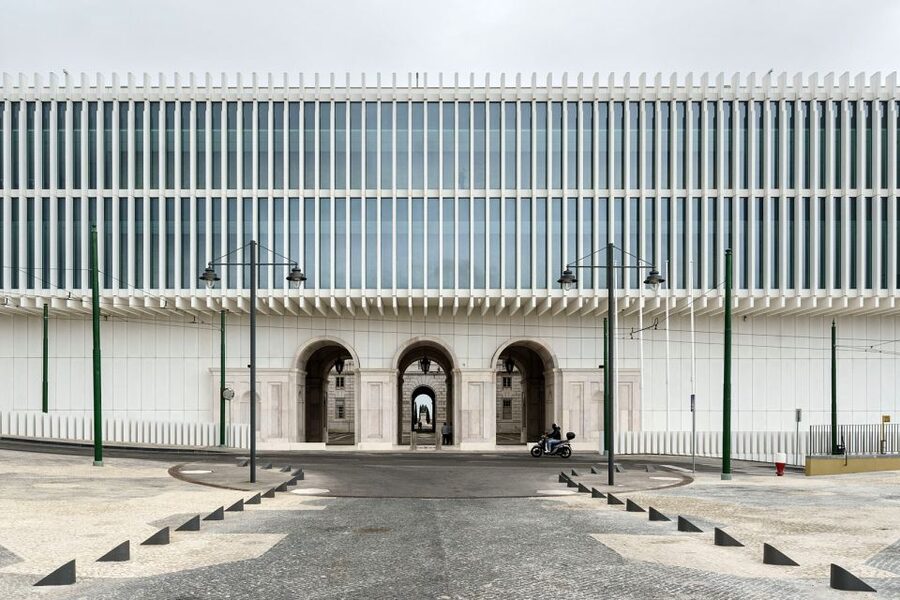
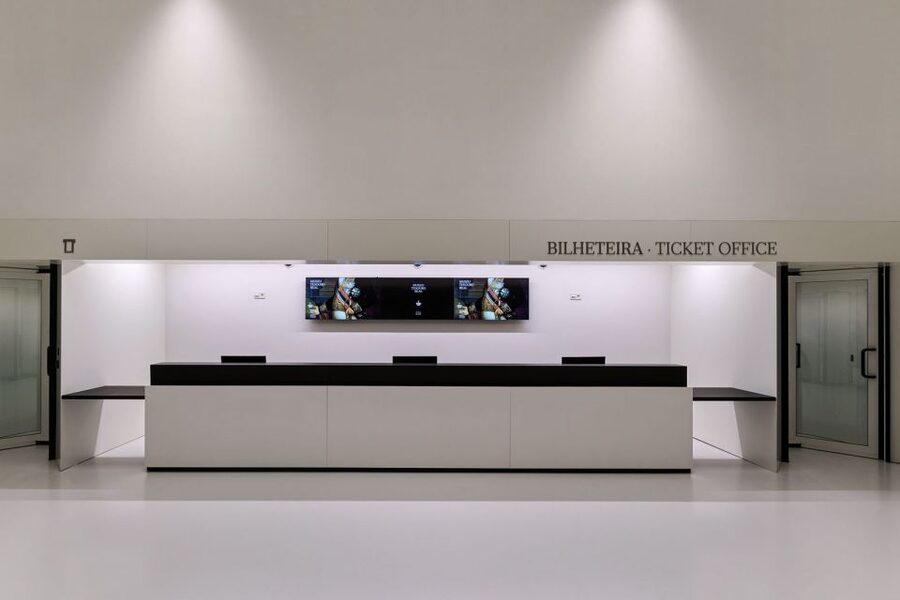
Your ticket is for the Royal Treasure Museum inside the Ajuda National Palace, right in Lisbon’s Lisbon District. Redemption is simple: redeem your ticket at the ticket desk in the palace. After that, you’re in museum mode, not a scavenger hunt. The display is permanent, so you’re not trying to catch a rotating show, you’re walking through a carefully arranged collection.
This place is interesting because the “treasure” isn’t only about sparkling gems. The museum covers a wide range: crown items, private family collections, diplomatic gifts, ceremonial pieces, and tableware. That means your visit can feel like a mix of art gallery, historical cabinet, and material-culture museum, all in one. If you like thinking about how power shows up in objects, you’ll probably have a good time here.
Also, the museum comes with practical extras. There’s a cafeteria and lounge area so you can slow down without leaving the building. And there’s a themed souvenir shop, so you can pick something themed right when you finish browsing.
Entering the Museum, Security, and Where Your Bags Go
Before you reach the exhibits, expect a security process. The entry includes a number of security systems, including an airport-style check. If you’re traveling with a larger bag, you’ll need to use lockers. Good news: lockers are available at the entrance on the shop side.
This matters because it changes how you should plan your arrival. If you want a relaxed visit, don’t treat the ticket like “walk in whenever.” Instead, arrive with a little buffer so you can clear security, stow your bag, and get to the first section without feeling rushed.
Language support is also a real factor in how smoothly the visit goes. The museum provides text and subtitles in Portuguese and English, which helps if you don’t want to rely on guessing from visuals alone.
The Museum Layout, 3 Floors, and an Efficient Way to Spend Your Day
The Royal Treasure Museum’s permanent display is arranged in 11 sections spread over 3 floors. That setup is a big deal. It’s not just “a room of jewels.” It’s a guided structure made for browsing, with different categories of treasure grouped together.
Since you only have one day, I suggest you do this in two passes:
1) First pass: skim and pick your favorites by section title.
2) Second pass: return to the sections that match your interests, especially silver, jewels, or ceremonial objects.
Why I recommend this approach: the museum covers a lot of object types. If you try to “complete everything” in one straight line, you’ll either rush or miss what you actually came for.
One more timing reality check: last admission is 60 minutes before closing. That’s your hard stop. Build your day so you’re not still at your favorite display when the clock gets serious.
The 11 Exhibit Sections, What You’ll See and What to Look For
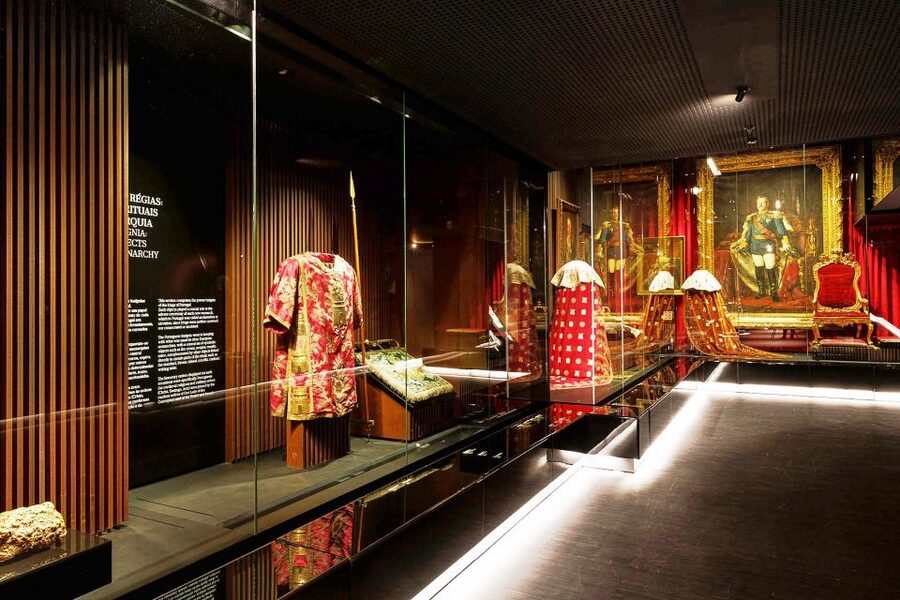
This museum’s permanent display is grouped into 11 sections, and each one frames the royal collection in a slightly different way. Below is a practical guide to what each section is about, and how to make your looking more rewarding.
Gold and Diamonds from Brazil
This section is your fast start for the “wow” factor. It focuses on gold and diamonds, specifically connected to Brazil. When you see a section like this early in the museum, it sets the tone: monarchy wealth is shown through precious materials, not just symbols.
What to look for: pay attention to how the objects are displayed like collected artifacts. Even if you’re not a jewelry expert, you can usually spot design themes and learn how the museum wants you to think about value, origin, and craftsmanship.
Coins and Medals of the Crown
Next up, you move from luxury materials to something more official: coins and medals. This category turns the idea of wealth into proof and prestige, literally minted and marked.
What to look for: the visual contrast between coins and medals. Coins tend to feel routine and repeatable, while medals often look more ceremonial, designed for moments rather than everyday use.
Jobs/Jewels from the Palace Collection
This section is listed as Jobs/Jewels from the Palace Collection. Even with the exact wording, the idea is clear: the palace holds its own type of treasure, tied to the people and functions connected to royal life.
What to look for: how these objects fit into the palace story. When a museum labels something as coming from the palace collection, it usually means you’re seeing items that were meant to belong inside the palace world, not just traveling trophies.
Orders of Knighthood and Orders of Merit
Here you’ll see honors laid out as objects: Orders of Knighthood and Orders of Merit. This is where monarchy becomes institutional. You’re seeing how recognition, rank, and service get turned into wearable or displayable symbols.
What to look for: consistency of design. Orders often follow a recognizable format, so you can compare pieces and feel the system behind them.
Royal Insignia, Ritual Objects of the Monarchy
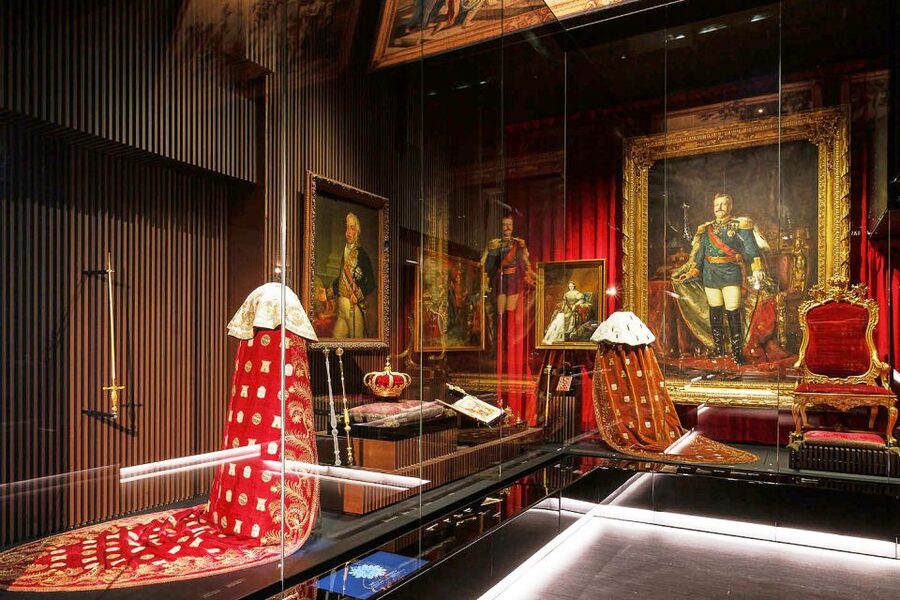
This is one of the most “meaning” oriented sections: Royal Insignia (Ritual Objects of the Monarchy). Instead of focusing only on beauty, the objects here are tied to ritual and ceremony.
What to look for: think about function. Ask yourself, what role would an insignia play during a ceremony? Even without a deep background, you can usually infer how scale, materials, and design would support a public ritual.
The Crown’s Silver
Now you’re in the zone many people love: The Crown’s Silver. This section pairs well with your earlier look at jewels and honors, because it shows monarchy wealth in a daily-life material.
What to look for: how silverware and ceremonial silver are different in feel. Silver can look formal and sharp in display, while table-related pieces tend to feel made for use. Either way, you’re seeing the same obsession with precision and finish.
Private Collections
This section is built around the royal family’s personal collecting, not only the Crown. It’s listed as Private Collections. That’s important because it changes the lens. Royal power isn’t only official. It’s also personal taste, gifting, and collecting habits.
What to look for: compare the private pieces with Crown pieces. When you do that, you start to see which objects feel more “state” and which feel more “family.”
Diplomatic Gifts
The Diplomatic Gifts section shows treasure as a language. Gifts between nations, courts, or representatives can be a political tool, and this museum makes that idea visible through the objects themselves.
What to look for: signs of presentation. Gift objects often feel curated. They can reflect who gave them, who received them, and why a particular item was chosen.
Royal Chapel
The Royal Chapel section brings you into another kind of treasure context. Religious and ceremonial objects tend to feel different from jewels or medals, even when the materials are similarly precious.
What to look for: how these objects connect to ritual and belief. If you’re the type who reads labels carefully, this section will reward you.
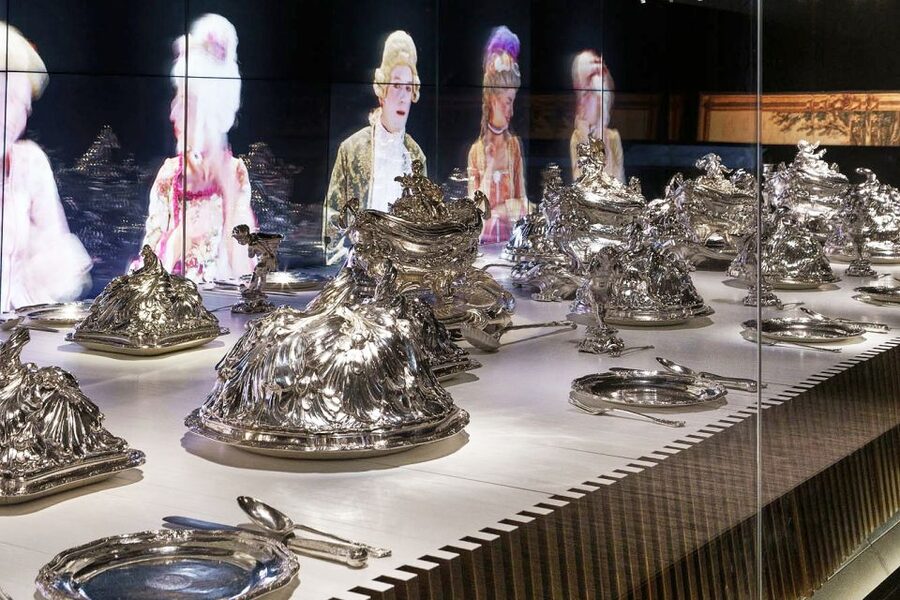
The Germain Silver Tableware
This is a highlight for the museum’s reputation: The Germain Silver Tableware. It’s named specifically, which suggests you’re not just seeing “some silver,” you’re seeing a known style or producer.
What to look for: forms and repetition. Tableware is built for sets. If you look at the pieces like a collection rather than isolated objects, you’ll appreciate the craftsmanship level more easily.
The Treasure’s Travels
Finally, The Treasure’s Travels closes the loop by implying movement and history over time. This is where the story shifts from objects in place to objects that have lived through changing situations.
What to look for: how the museum frames the reasons for travel. Even if you don’t get every historical detail from labels, you’ll still feel the message that treasure is never just decoration. It moves with people and politics.
Why the Silver Sections Make This Ticket Feel Like Better Value
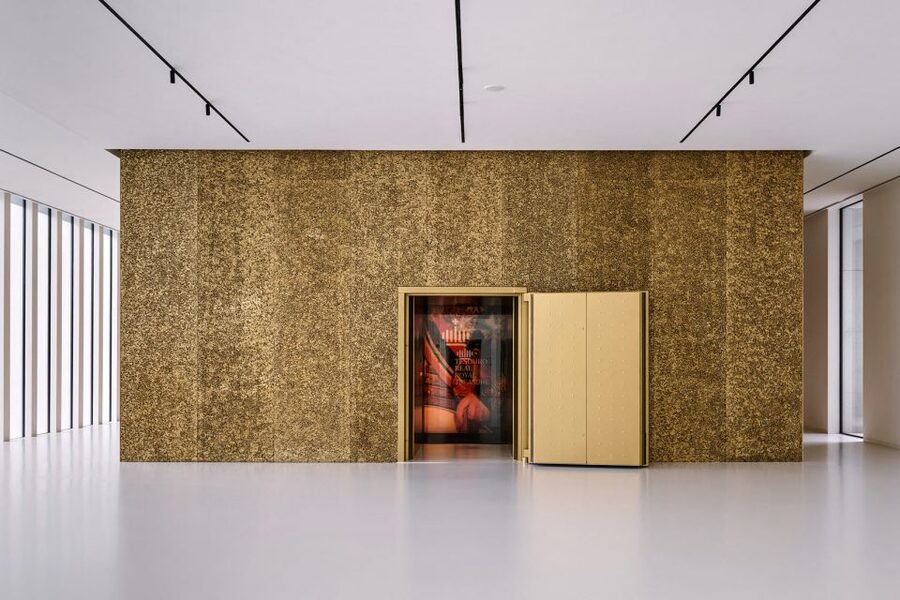
At $12 per person, I think this ticket becomes a strong value if you care about material craftsmanship. Lots of museums show jewels. Fewer focus so clearly on silver, especially when they include something as specific as Germain silver tableware.
The way the museum splits its focus helps you compare categories:
- Crown silver gives you the official taste
- Tableware shows practical elegance
- Silver as a whole shows how wealth was displayed in everyday or semi-everyday life
If you love food, hospitality, or courtly rituals, the silver sections can be the most satisfying part of your whole palace visit. They show wealth that isn’t only worn or carried, it’s prepared and served.
Cafeteria, Lounge, and the Souvenir Shop That Helps You Keep Going
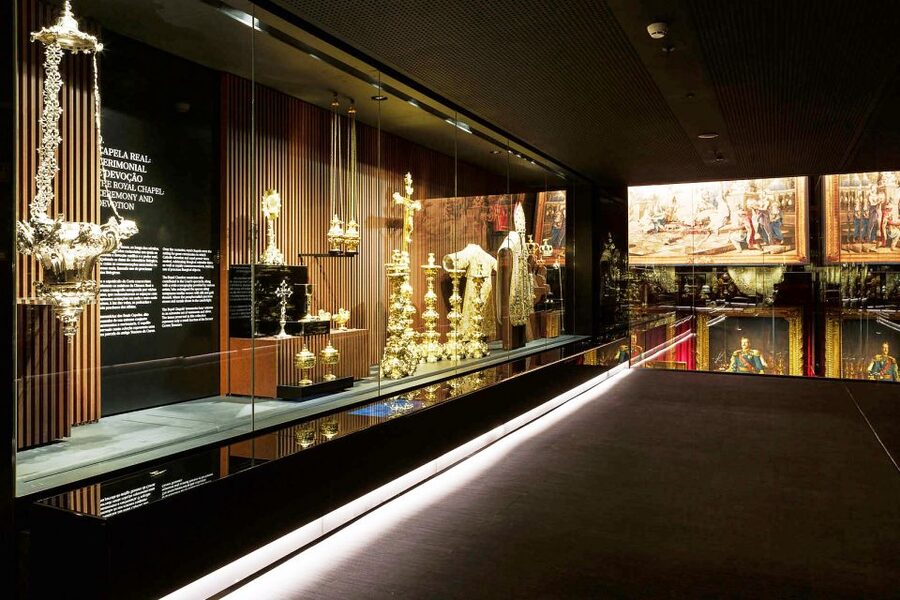
You don’t have to rush out right after you finish the exhibits. The museum includes a cafeteria and lounge area, which is a nice reset when you’ve been staring at small objects for a while.
Then there’s the themed souvenir shop. This is practical because it means you can find a memory of the museum without planning a separate stop elsewhere. I like this kind of on-site shop because it’s timed to your visit, not to a shopping schedule.
Price and Value: Does $12 Feel Fair for What You Get?
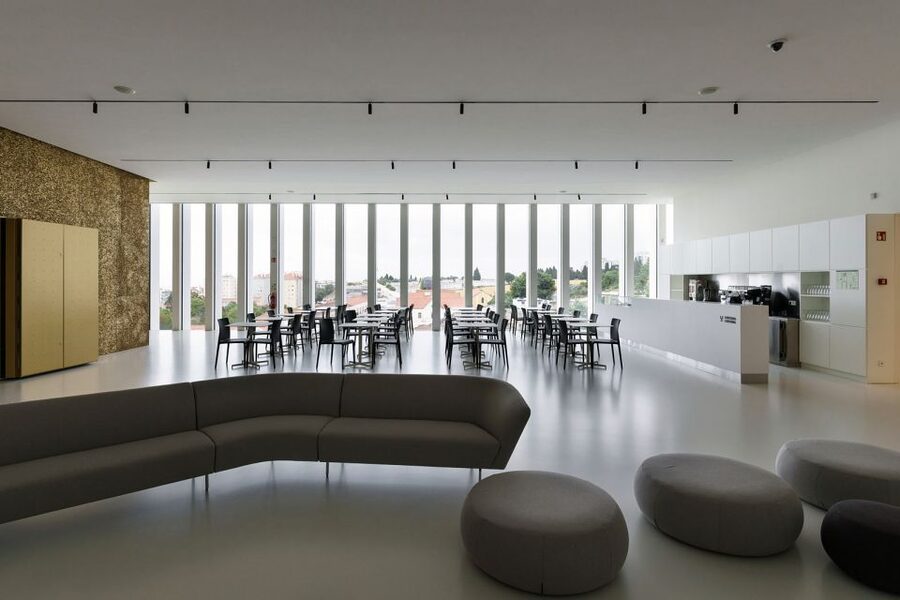
$12 per person is not a tiny ticket price, but it also isn’t outrageous for a palace museum with a permanent, multi-floor collection. What makes the value feel right here is variety: you get jewels, medals, ritual objects, diplomatic gifts, private collections, and silver tableware, all in one admission.
Also, the exhibit structure helps you feel like you’re getting your money’s worth. With 11 sections over 3 floors, you’re not “paying for one room.” You’re paying for a full afternoon or at least a satisfying browse if you’re selective.
If you’re the type who hates wandering through endless rooms, this ticket can still work, but you’ll want to choose your top 3 sections before you go. Focus beats fatigue.
Who This Ticket Fits Best
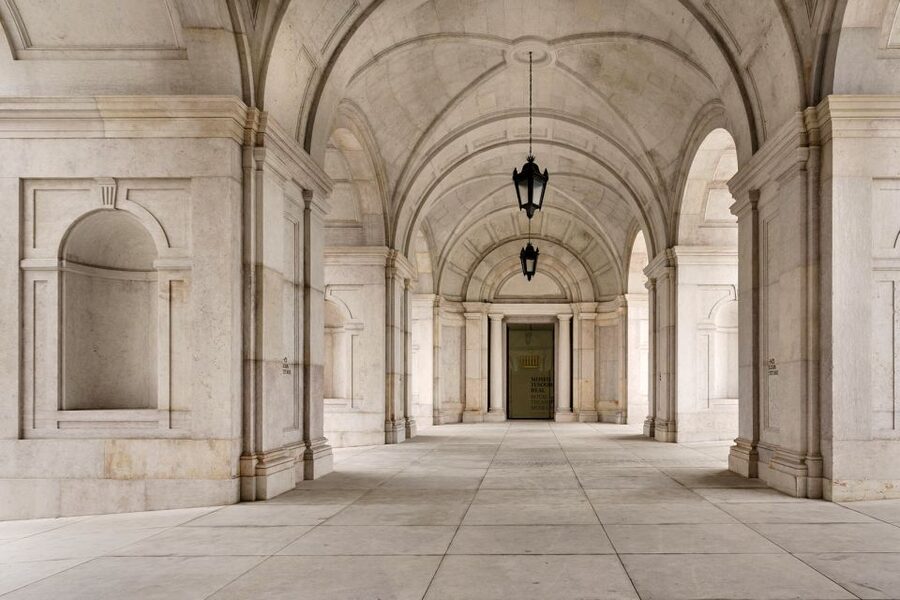
This is especially suited for:
- People who like royal history through objects, not just big-picture timelines
- Anyone fascinated by silverware and ceremonial items
- Travelers who want a museum that’s clearly organized by categories
If you’re only interested in modern art or only want big outdoor sightseeing, this may feel more indoor and detail-heavy. But if you like the idea of seeing how monarchy showed itself through jewelry, gifts, ritual objects, and table silver, you’ll probably enjoy it.
Should You Book This Royal Treasure Museum Entry Ticket?
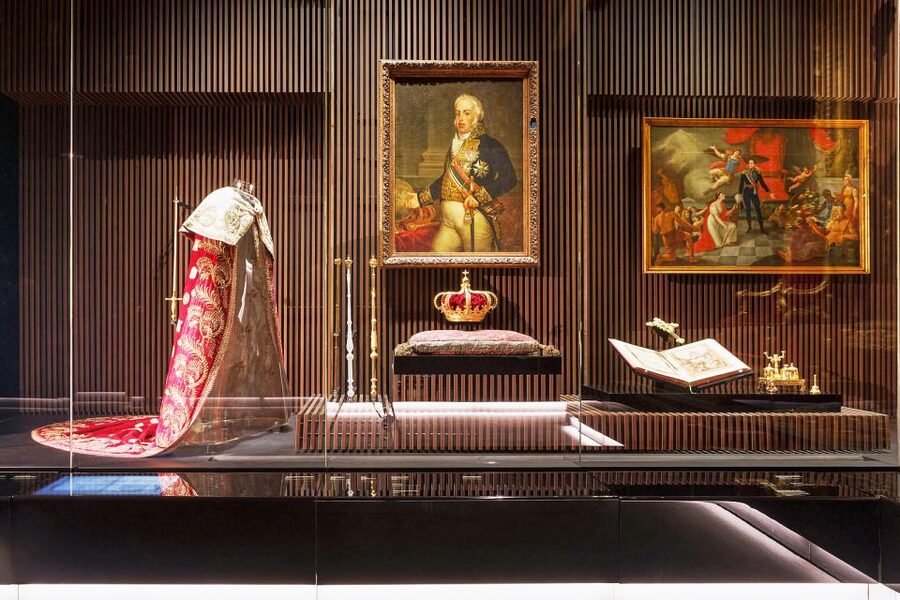
Book it if you want a focused, indoor day at Ajuda National Palace with a permanent collection that’s neatly categorized. The strongest reasons to go are the Crown’s Silver focus and the specific Germain silver tableware, plus the mix of jewels, diplomatic gifts, medals, and ritual objects.
Skip it, or at least approach it with a plan, if you hate security lines or you’re likely to feel overwhelmed by lots of small objects across multiple floors. In that case, you’ll enjoy it more if you keep a simple priority list before you enter, then spend extra time only where your interests match.
FAQ
FAQ
How long is the Royal Treasure Museum entry valid?
The ticket is valid for 1 day.
How much is the entry ticket?
The price is listed as $12 per person.
Where do I redeem the ticket?
Redeem your ticket at the ticket desk in the Ajuda National Palace.
What time should I plan for last admission?
Last admission is 60 minutes before closing.
Is the museum wheelchair accessible?
Yes, it is wheelchair accessible.
What language options are available in the museum?
Text and subtitles are available in Portuguese and English.
Do I need to go through security to enter?
Yes. You will need to pass through an airport-style security check and other security systems.
Are lockers available for larger bags?
Yes. Larger bags must be placed in lockers available at the entrance on the shop side.
Other boats, other operators: Museums.
 ★ 4.5Porto: Cálem Cellar Tour, Interactive Museum & Wine TastingFrom $234,113 reviews
 ★ 4.7Lisbon: Luz Stadium Tour & SL Benfica Museum Ticket w/ScarfFrom $243,264 reviews
 ★ 4.6FC Porto: Museum & TourFrom $232,826 reviews
 ★ 4.6Lisbon: National Tile Museum Entry TicketFrom $11868 reviews
 ★ 4.7Lisbon: Banksy Museum Permanent Exhibition Entry TicketFrom $15506 reviews
 ★ 4.8Lisbon: Belem, Jeronimos Monastery, and Coach Museum TourFrom $94478 reviews
 ★ 4.1Lisbon: MAAT Gallery and MAAT Central Entry TicketsFrom $12422 reviews
 ★ 4.6Lisbon: 3D Fun Art Museum Admission TicketFrom $15401 reviews
Filed under