
REVIEW · AZULEJO TILE WORKSHOPS
Lisbon: National Tile Museum Entry Ticket
Tiles tell Lisbon’s story, room by room. At the National Tile Museum, you get Portugal’s azulejos in a stunning setting, the old Convent of Madre Deus.
I especially love the chronological route, because it starts with tile materials and techniques, then walks you forward through centuries. I also like how the museum uses the convent itself, so you see the church and chapels, not just flat wall displays.
One consideration: this is an entry ticket, not a clearly advertised skip-the-line pass, and on warm days some indoor spaces can feel less ventilated than you might want.
In This Review
- Key highlights to look for
- National Tile Museum, inside the Madre Deus convent
- What you’ll see, azulejos from the 15th century to the present
- The convent spaces that make the tiles feel bigger
- Timing your visit for the best experience
- Price and value: what $11 buys you in Lisbon
- Tickets, entry, and how to make the most of your time
- Learning options: when you want more than the wall text
- The café and how to pace yourself at the end
- Who this museum fits best, and who might skip it
- Should you book the National Tile Museum ticket?
- FAQ
- What does the ticket include?
- How long is the ticket valid?
- What are the opening hours and last entry?
- What should I bring with me?
- Where do I enter, and what do I show?
- Is the museum wheelchair accessible?
Key highlights to look for
- Former Convent of Madre Deus (founded by Queen D. Leonor in 1509), turned into a national museum
- Azulejos from the late 15th century to today, with a timeline that makes the evolution easy to follow
- Manufacturing first, then the collection, so you understand what you’re seeing
- Church and chapel details, including the Chapel of Saint Anthony with Baroque decoration and paintings by André Gonçalves
- A useful break at the end, with a café and garden seating that many people enjoy after the tile viewing
Other tile-painting benches we have sat at in Lisbon
- Lisbon: Azulejos’ Design Create Your Own Tile Workshop★ 4.9 · 420 reviews
- Arrabida Wine Tour from Lisbon: Wineries, Tastings & Tile Factory★ 5.0 · 154 reviews
- Lisbon: National Tile Museum E-Ticket & Audio Guide★ 4.3 · 121 reviews
National Tile Museum, inside the Madre Deus convent
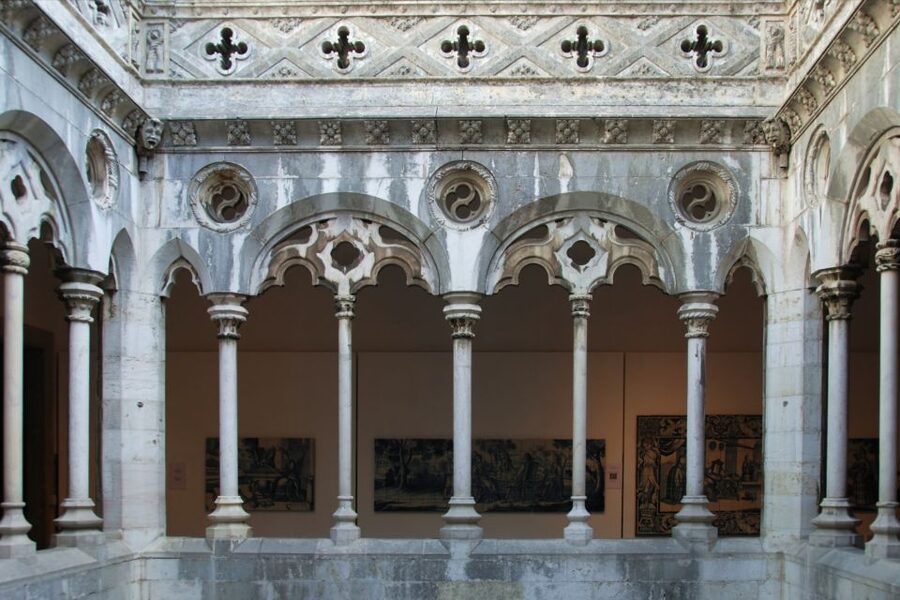
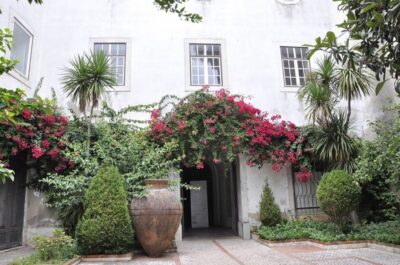
The National Tile Museum sits in the former Convent of Madre Deus, a place with layers to it even before you start looking at ceramics. The convent dates back to 1509, founded by Queen D. Leonor, and later became the setting for a museum that was established in 1965 and became a national museum in 1980. That matters, because you’re not just visiting a gallery. You’re touring a historical site where the architecture and the decoration are part of the story.
If you’ve ever wondered why Portuguese tiles look the way they do, this setting helps. Azulejos are decorative art, yes, but they also wrap buildings, turning courtyards, corridors, and chapels into picture galleries. In Lisbon, that visual language is everywhere, so seeing it up close in an authentic monument gives you context you don’t get from photos.
You’ll enter at the main entrance and show your ticket on arrival. The museum is also wheelchair accessible, which is a big practical win if you need step-free routes.
What you’ll see, azulejos from the 15th century to the present
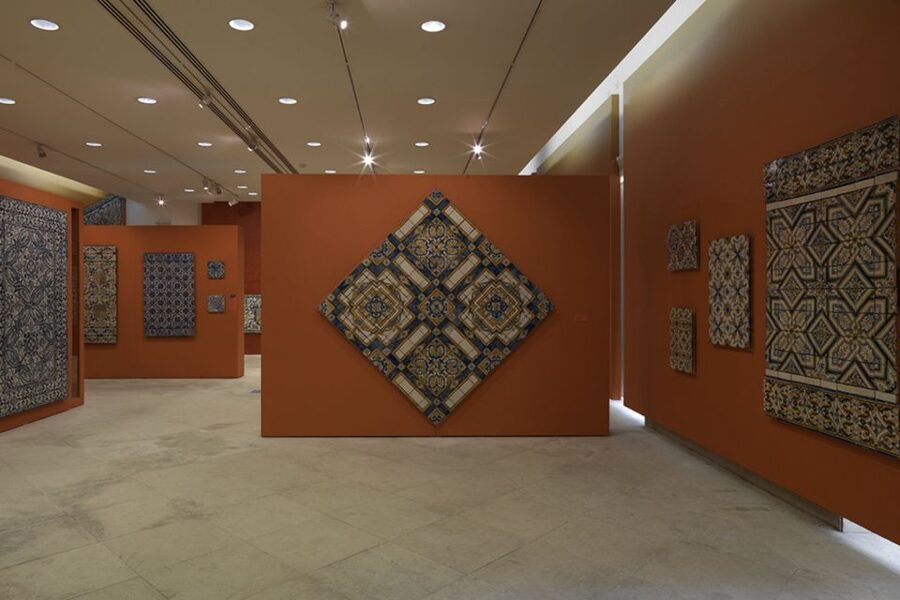
The museum’s permanent exhibition runs in a chronological order, which is exactly how I’d want a tile collection taught. It starts with a display of materials and techniques used to manufacture tiles, so you can spot the craft choices behind the look. After that, the route moves forward through time, showing how styles, colors, and decorative goals changed.
From the second half of the 15th century onward, expect to see decorative ceramic tiles that lead you into later centuries. The museum also includes ceramics beyond tiles, plus porcelain and faience covering the 17th through the 21st centuries. That variety is one of the reasons this visit can surprise people. If you came thinking it would be only “pretty squares,” you’ll find a broader craft and design story instead.
A standout for many visitors is the sense of progression. You don’t just admire, you learn what shifted and why. Some guests note the explanations tied to monarchs were easy to follow, and that follows the same idea: the museum helps you connect artistic changes to Portugal’s timeline instead of treating tile styles like random fashion trends.
The convent spaces that make the tiles feel bigger
Tiles look impressive in a display case. They’re more powerful when they’re part of a religious building. That’s where the National Tile Museum really earns attention.
Start with the convent’s layout and you’ll move through major spaces shaped by different building campaigns. One highlight is the 16th-century mannerist cloister. Even if you’re not the type to study architecture, a cloister has a way of making you slow down. Light and repetition do half the work for the art.
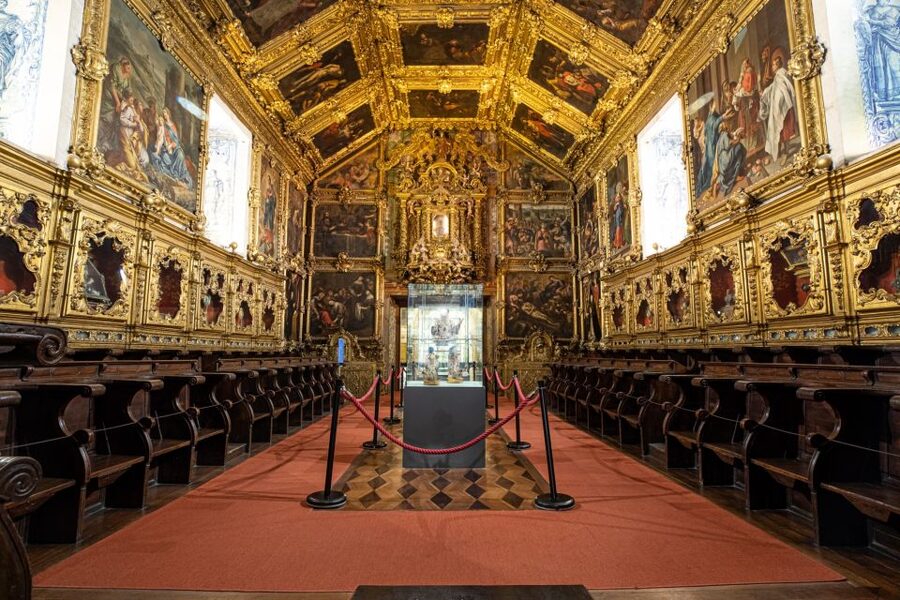
Then you get the church area, which features remarkable sets of paintings and tiles. Reviews often single out the room with paintings and ceiling details, which tells you the museum isn’t just handing you flat wall panels. The visual impact comes from the whole surfaces acting together.
Other areas add variety:
- Sacristy: includes a Brazilian wood display cabinet and carved wood frames with paintings
- High choir: rich carved giltwood embellishments
- Chapel of Saint Anthony: 18th-century Baroque decoration, plus a significant number of canvases by painter André Gonçalves
One practical takeaway: give yourself time to stand back. Many of the details are visually dense, so rushing makes you miss the relationship between the tilework and the architecture around it.
Timing your visit for the best experience
The museum follows a pretty clear schedule, and it’s worth planning around it so you’re not squeezed.
Opening hours are Tuesday to Sunday, from 10:00 am to 1:00 pm, and 2:00 pm to 6:00 pm. The last entry is at 5:30 pm. It’s closed on January 1, Easter Sunday, May 1, June 13, and December 25.
If you like museum time without stress, aim for late morning or mid-afternoon, so you’re not arriving right before the break or pushing right up to the last-entry window. A one-day ticket is valid for one day, and you can check availability to see starting times, so choose the slot that fits your Lisbon pace.
Also, wear comfortable shoes. Even if you’re not walking a ton, convent layouts and indoor routes add up, and you’ll want to linger in the spaces with the most painted and tiled surfaces.
More Lisbon museum visits we have queued for




Price and value: what $11 buys you in Lisbon
At about $11 per person, the National Tile Museum is good value, especially if you factor in where you’re actually going. You’re not just paying for a collection. You’re visiting a historic convent complex filled with decorated church interiors and multiple themed spaces. That alone makes the ticket feel reasonable compared to the typical “one-room museum” experience.
It’s also a good bet if you like learning while you look. The museum begins with manufacturing materials and techniques, then guides you chronologically. That structure can turn a “tile museum sounds niche” stop into a real cultural understanding of Portuguese craftsmanship.
If you’re traveling on a tighter budget, $11 is the kind of ticket that lets you add an art stop without sacrificing your whole day. It can also fit well on weather days, since it’s mostly indoors.
Tickets, entry, and how to make the most of your time
Your entry is straightforward. You enter the National Tile Museum at the main entrance and show your ticket on arrival. The ticket described here is for the museum entry itself and is not stated as a guaranteed skip-the-line pass.
That said, some people do report that purchasing tickets ahead can help them avoid a long wait on arrival. I’d treat that as a bonus, not a promise. If you’re going during peak hours, plan as if you might still wait at the front desk area.
For the best experience, I’d do this:
- Start with the manufacturing and technique area, so you can recognize what’s going on when you see style shifts later.
- Move through the route in order, even if you want to pause. Chronology is part of the design here.
- Save your slower time for the convent spaces like the cloister and church, where you’ll appreciate scale.
People often end up spending a couple of hours total. One review mentions about 1 hour 30 minutes, which matches the feeling of a museum that mixes gallery time with architectural appreciation. If you’re a serious art or tile fan, you might stretch longer, especially if you keep returning to compare styles.
If you’re taking photos, bring your camera and plan for plenty of stops. Tiles invite close-ups, and some painted surfaces are best photographed from slightly different angles.
Learning options: when you want more than the wall text
Not every tile has a lot of readable detail on-site. One helpful comment from visitors is that some tile pieces don’t come with much written information, and that’s where audio can help.
An audio tour option exists, and one review notes it requires downloading an app and using your own headphones. If that’s your style, consider using it for context. When you have extra background, the art starts to feel less like decoration and more like communication, with symbols, styles, and changing tastes.
If you don’t do audio, you can still get a lot by watching for the museum’s structure. The chronological flow, the early manufacturing explanation, and the convent spaces doing their own storytelling are enough to keep you oriented.
Also, pay attention to the descriptions tied to monarchs and historical periods. Some guests found the monarch explanations easy to follow, and that clarity helps you connect what you see to Portugal’s broader story.
The café and how to pace yourself at the end
One of the smartest parts of the visit is that you can reset afterward. Many people call out the café at the end as a nice experience, and some specifically recommend stopping in to eat first because lines can build up later. There’s also mention of garden seating, which matters if you want your visit to end with a calmer moment, not a rushed exit.
I’d treat the café break as a way to pace your attention. Spend your first chunk focusing on the tiles and the timeline. Then take a break, grab something to drink, and come back with fresh eyes for the church or the most detailed corners if you skipped them earlier.
If you’re traveling with teens or people who normally say they don’t care about museums, the café helps too. It gives the group an easy social moment and a reason to linger without getting cranky.
Who this museum fits best, and who might skip it
This is a museum that works well for people who like design, craft, and cultural history, even if they don’t think they do. One review mentions that even two teenage children enjoyed it, which is telling. When a museum has clear visuals, a strong setting, and a logical route, it can land with more than just art specialists.
It’s also a good match if you want rainy-day plans. It’s indoors, and the convent spaces keep the experience varied.
You might enjoy it less if:
- You want a very fast visit with no architectural wandering
- You dislike museums where the story is told through visuals rather than heavy text
- You’re sensitive to warmer indoor conditions, since some guests mention ventilation can be limited
That said, the overall experience seems to click for a lot of different tastes because the museum mixes azulejos, ceramics, and major decorated interiors.
Should you book the National Tile Museum ticket?
If you’re choosing between a tile stop and another Lisbon activity, I’d lean toward booking the National Tile Museum if you care about seeing Portugal’s visual identity up close. The price is low enough that it’s easy to justify, and the setting inside the Madre Deus convent gives you more than just a collection of tiles.
Book it if you want:
- A guided feel without needing a formal tour guide
- Tiles from the late 15th century through modern eras in a chronological format
- Convent church and chapel interiors, not just decorative panels
Skip it only if you’re sure you want nothing to do with ceramic art and architectural decoration. Otherwise, this is the kind of cultural stop that can turn into one of your favorite Lisbon memories, precisely because it’s concrete, hands-on visually, and anchored in a real historic place.
FAQ
What does the ticket include?
The ticket includes entry to the National Tile Museum.
How long is the ticket valid?
The ticket is valid for 1 day. You should check availability to see starting times.
What are the opening hours and last entry?
The museum is open Tuesday to Sunday, 10:00 am to 1:00 pm and 2:00 pm to 6:00 pm. Last entry is at 5:30 pm.
What should I bring with me?
Bring a passport or ID card, comfortable shoes, a camera, water, and comfortable clothes.
Where do I enter, and what do I show?
Enter through the main entrance and show your ticket on arrival.
Is the museum wheelchair accessible?
Yes, the museum is wheelchair accessible.
Plain Entry Passes We Used Around Lisbon





Lisbon Museum Visits We Queued For




Azulejo Benches, Other Tile Workshops



Newly added around Lisbon
- Lisbon: Street Art Walk
★ 5.0 · 79 reviews - From Lisbon: Nazare Big Waves and Óbidos Guide Day Trip
★ 4.7 · 79 reviews - Small Group Walking Tour of Belém
★ 4.9 · 80 reviews - Lisbon: Regaleira, Sintra, Cape Rock & Cascais Day Trip
★ 4.6 · 80 reviews - Lisbon: Evening Local Food Crawl with Drink Pairings
★ 4.6 · 80 reviews - From Lisbon: Sintra and Portuguese Coast Private Day Tour
★ 5.0 · 80 reviews - Lisbon: Authentic Fado Show, Dinner and Night Tour
★ 4.6 · 80 reviews - Golden Hour Boat Tour – Sailing by the Monuments with Wine
★ 5.0 · 81 reviews - Hard Rock Cafe Lisbon with Set Lunch or Dinner
★ 4.0 · 81 reviews - Fado Musical Experience with Portuguese Wine & Appetizers
★ 4.5 · 81 reviews
Other boats, other operators: Azulejo Tile Workshops.
 ★ 4.9Porto: Tile-Painting Workshop with Porto Wine – BainhariaFrom $45526 reviews
 ★ 4.9Porto: Tile Painting and Cocktails in Downtown PortoFrom $41484 reviews
 ★ 4.9Lisbon: Azulejos’ Design Create Your Own Tile WorkshopFrom $64420 reviews
 ★ 5.0Tile Painting and Cocktails in Downtown PortoFrom $42187 reviews
 ★ 5.0Arrabida Wine Tour from Lisbon: Wineries, Tastings & Tile FactoryFrom $96154 reviews
 ★ 4.3Lisbon: National Tile Museum E-Ticket & Audio GuideFrom $16121 reviews
 ★ 4.9Aveiro: Stories, Canals, and Azulejos Guided Walking TourFrom $20103 reviews
 ★ 5.0Porto: Tile Painting Workshop with Porto Wine (Sé do Porto)From $42102 reviews
Filed under