
REVIEW · PONTA DELGADA AND SAO MIGUEL TOURS
Ponta Delgada: Historical Walking Tour
Ponta Delgada has stories on every corner. This 3-hour walk is a smart way to connect the city’s history with what you can actually see today, from markets to museums to forts. I especially like the mix of places you might skip on your own, and the way the guide links details into a clear picture of São Miguel’s daily life. One drawback: the style of storytelling can vary a lot by guide, and on some days certain stops may be closed.
I also like that the tour ends where the local creative scene is still happening, at Mercado CORES | Azores for All, so you can keep exploring after the final stop. You get practical structure without feeling trapped in a classroom. Still, it is a real walking tour, so you will want good shoes and a steady pace.
In This Review
- Key highlights you’ll feel quickly
- Starting at Ernesto do Canto: literature first, history second
- Mercado da Graça: the Azores show up in your senses
- Teatro Micaelense and Carlos Machado Museum: culture and natural history together
- Igreja do Colégio, gardens, and the poet thread: history as storytelling
- Padre Sena Freitas Garden and Palácio da Conceição: politics without the dry stuff
- Coliseu Micaelense and Campo de São Francisco: the city’s heartbeat
- Forte de São Brás and Santo Cristo: why the festivities matter
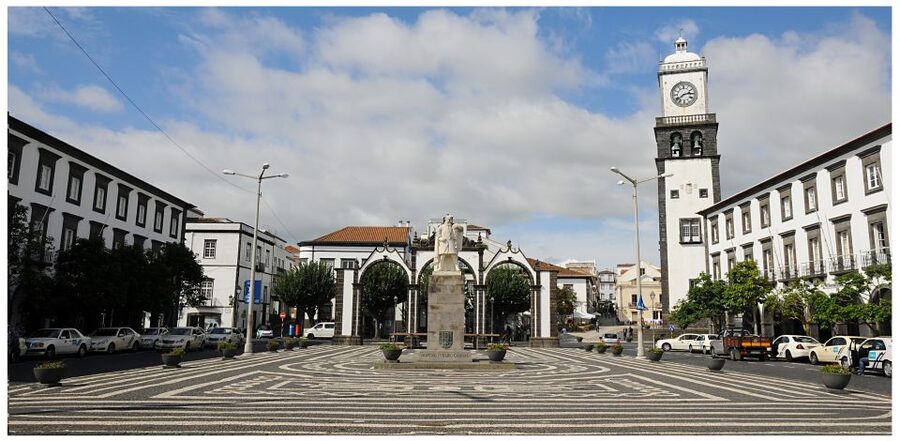
- Portas da Cidade, Câmara Municipal, and Igreja Matriz de São Sebastião
- Finishing at Mercado CORES | Azores for All: crafts to keep you in the mood
- Price and value at $41 for a 3-hour walking tour
- Guide quality and day-to-day differences you should plan around
- Languages, pace, and who will enjoy it most
- Should you book this Ponta Delgada Historical Walking Tour?
- FAQ
- Where does the tour start and what is the meeting point?
- How long is the walking tour?
- What languages is the guide available in?
- Is the tour wheelchair accessible?
- What should I bring for the tour?
- What’s included in the $41 price?
Key highlights you’ll feel quickly
- Start smart at Ernesto do Canto Public Library, right by the bust of Luís de Camões, setting a literary tone early
- Market time at Mercado da Graça, where Azorean flavors and everyday life make history feel real
- Museum and theater stops, including Carlos Machado Museum and Teatro Micaelense, for culture plus natural history
- Gardens and churches tied to poetry, with Antero de Quental mentioned in the story flow
- Fort and festival context at Forte de São Brás, including how Santo Cristo festivities connect to sea and strategy
- Finish at Mercado CORES | Azores for All, so the tour wraps with crafts and local identity
More Sao Miguel island days we have reviewed out of Sao Miguel Island
- From Ponta Delgada: Whale and Dolphin Watching Trip★ 4.7 · 4,109 reviews
- São Miguel West: Full-Day Van Tour with Lunch★ 4.9 · 1,948 reviews
- São Miguel East: Full-Day Van Tour with Lunch★ 4.9 · 1,124 reviews
- São Miguel Azores: Half-Day Whale Watching Trip★ 4.5 · 983 reviews
Starting at Ernesto do Canto: literature first, history second
You begin at the Ernesto do Canto Public Library, next to the bust of Luís de Camões. It is a good move to start here, because it frames the whole tour around Portuguese cultural roots, not just buildings and dates.
From the first minutes, I like the way the guide can make connections. Even if you are not a literature person, you’ll get why these cultural figures matter to island identity. Ponta Delgada was never only a “pretty city.” It grew as an island hub, and that shows in how public spaces and institutions are treated like civic landmarks.
One thing to plan for: this is where you set your footing for the rest of the walk. If you arrive late, you may feel rushed, because the tour is timed for a smooth route through multiple stops in about three hours.
Mercado da Graça: the Azores show up in your senses
Next, you head to Mercado da Graça, and this is where the tour often clicks for people who like real-life travel. Markets are the easiest place to understand a city fast, because you see daily life, local tastes, and the rhythm of the neighborhood.
Expect colors and food smells, plus the kind of casual bustle that makes “history” feel less abstract. The market also works as a reset point. Even though you are still walking, the pace feels different here. You are not just looking at monuments. You are seeing the local economy in action.
Practical note: markets can be busy, and you may end up standing for a bit while the guide explains context. If crowds stress you out, keep your expectations flexible and let the market be part of the atmosphere, not a quiet photo stop.
Teatro Micaelense and Carlos Machado Museum: culture and natural history together
From the market, the route turns to major cultural landmarks, including Teatro Micaelense. A theater stop sounds like a “nice-to-see” add-on, but here it makes sense. Cultural spaces in island cities often serve multiple roles, hosting events that bind communities and keep local identity visible.
Then you move toward the Carlos Machado Museum, where the tone shifts nicely. The focus is on natural history and regional culture, which helps you understand the Azores as more than a backdrop for sea views. You are learning how biodiversity and regional traditions connect to the island way of life.
This pairing, theater plus museum, gives you a fuller picture. You see art and performance as part of civic life, and you see nature as part of regional knowledge. That is a rare combo on a short walking tour, and it is one reason this experience offers good value for the time.
Igreja do Colégio, gardens, and the poet thread: history as storytelling
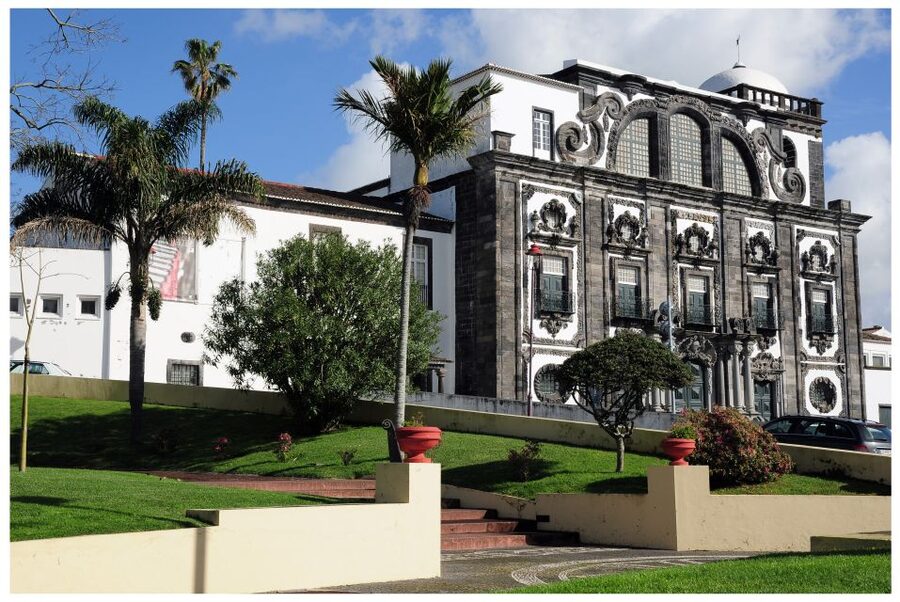
The tour continues with religious and garden spaces, including Igreja do Colégio and the Antero de Quental Garden. If you like walking through places that feel calm, these stops give you a breather from streets and crowds.
Here is the “why it matters” part. Gardens and churches are often where you learn how people shaped daily life. They can show priorities, faith, education, and the way public space supports community. In this tour, the story connects these locations to key Portuguese literary influence, including Antero de Quental.
One caution: based on past experience with different guides, the way stories are framed can shift. Some tours can lean more religious in tone than you might expect. If you want purely historical explanation, you will be happiest if you ask your guide early what kind of emphasis the tour will have.
Other Sao Miguel Island calcada routes we have followed on foot
Padre Sena Freitas Garden and Palácio da Conceição: politics without the dry stuff
At some point, the route heads into the area around the Padre Sena Freitas Garden and the Palácio da Conceição. This is one of the tour’s best “concept-to-place” sections.
You are not just hearing a quick fact about autonomy. You are walking in the zones where power, administration, and civic identity become visible. The guide shares how Azorean political autonomy works and how authority is divided among islands.
That matters if you want to understand the Azores as a political system, not just a scenic chain of islands. It also helps you interpret the city layout. When you know how governance is structured, some public buildings make more sense.
This section can feel slower, depending on group energy and how long people want to stop and look. If you like photos, this is a good place to take a moment. If you prefer moving, keep your camera ready but don’t linger too long, because the tour still has more stops after this.
Coliseu Micaelense and Campo de São Francisco: the city’s heartbeat
Next you reach Coliseu Micaelense, one of the largest theaters in the archipelago. The best way to understand this stop is as a signal. Big performance venues show how seriously the city takes culture, and they also hint at how regional events draw people in.
From there you come to Campo de São Francisco and then on toward Forte de São Brás. This is where the tour’s theme turns from culture back to sea power and the city’s strategic importance. Even without technical details, you’ll feel the logic. A port city needs defense, and a fortress built with the sea in mind tells you who held control and why.
This is also a good segment for travelers who like broad context. You are seeing why Ponta Delgada developed where it did, and how maritime life influenced more than fishing. It influenced authority, ceremonies, and long-term priorities.
Forte de São Brás and Santo Cristo: why the festivities matter
The route includes Forte de São Brás, connected to the famous Santo Cristo festivities. The tour frames it as the second-largest religious celebration in Portugal, which gives the event weight beyond the local area.
If you are visiting during festival season, this stop becomes even more meaningful. Even if you are not, it still helps you understand why the fort and the surrounding spaces matter year-round. Religious celebrations like this often become a way islands preserve community bonds and express identity in public.
I like that this section links celebration to geography. When you understand that sea connections and strategic planning shaped the city, the festival feels less like a random tradition and more like a community anchored to place.
Portas da Cidade, Câmara Municipal, and Igreja Matriz de São Sebastião
As the tour nears the end, you reach Portas da Cidade, described as a symbolic gateway to the Azores. This kind of landmark is practical for travelers, because it signals you are close to the civic core of the city.
Nearby, you visit Câmara Municipal and Igreja Matriz de São Sebastião, which the tour presents as the heart of Ponta Delgada. These stops are about institutions, not just architecture. It is where the story returns to civic identity, local governance, and community faith.
If you like to end with meaning, this is a strong close. The city stops feeling like a list of points and starts feeling like a system of spaces that shape everyday life.
Finishing at Mercado CORES | Azores for All: crafts to keep you in the mood
The tour ends at Mercado CORES | Azores for All. This is a smart finish because it gives you something active to do right after the walking portion ends.
If you want souvenirs that feel connected to living culture, this is where you can browse local crafts and creative projects. It is also a good place to talk to people, ask questions, and keep your Azores mindset going without needing another scheduled stop.
I recommend using the final minutes to slow down. You have done the hard part already, you have learned the city’s “map of meaning.” Now you can just wander, snack if you want, and pick what fits your taste.
Price and value at $41 for a 3-hour walking tour
At $41 per person for about three hours, this tour is priced as mid-range, but it is also unusually practical for what you get. You are paying for a guided route plus entry to attractions listed, not just a walk with general commentary.
You also get insurance coverage included (personal accident and liability). That matters when you are on uneven pavements and doing multiple stops in a short window. It is not the main reason to choose a tour, but it does add peace of mind.
What you should know is what is not included: lunch, and pickup or drop-off. So plan on handling food on your own and arriving under your own steam. Also bring water and wear comfortable shoes, because you will feel it by the end.
Guide quality and day-to-day differences you should plan around
The guides can make or break a tour like this. One guide, Manuela, has been praised for being friendly and highly prepared, which suggests the experience can be excellent when you get the right guide.
But guide details matter beyond friendliness. Some tours have had issues with English clarity, and one experience report said the storytelling leaned more biblical than strictly historical facts. Another mentioned that on a Saturday, some stops may be closed, which can change the flow.
So here is your best strategy: treat this tour as a guided introduction to Ponta Delgada’s places and themes. If you care about strict history, ask your guide at the start how the content will be framed. If you care most about architecture, gardens, and local life, you’ll likely enjoy it even if the storytelling style is more religious or literary.
Also, group energy can influence the feel of the walk. If your group is quiet or tired, the tour may feel a bit less upbeat. Bring your own holiday cheer, hydration, and patience, and you’ll be fine.
Languages, pace, and who will enjoy it most
The tour is wheelchair accessible, and languages listed include English, Portuguese, Scots Gaelic, and Spanish. If you have language preferences, it is worth checking what is actually available for your departure time.
This is best for travelers who want structure without a rigid schedule. You get an organized route, but you are not stuck in one museum for hours. You also get a mix of indoor stops (museum, churches, library-related storytelling) and outdoor spaces (gardens, square, fort area).
Who it fits:
- First-timers to São Miguel who want a city orientation in a short time
- Travelers who like connections between culture, politics, and place
- People who enjoy history that is told through specific landmarks
Who it may not fit as well:
- Anyone who wants only strict factual history with no religious or biblical framing
- People who dislike group pacing, standing for explanations, or walking for three hours
Should you book this Ponta Delgada Historical Walking Tour?
I think you should book it if you want a high-value, short walking route that connects local identity to real places. The combination of market life, cultural venues, and sea-linked fort history gives you context you would struggle to assemble on your own in three hours.
Skip it or go in with eyes open if you are picky about language clarity or if you only want strictly secular historical storytelling. Also, consider that certain stops might be closed on some days, so you should be okay with a slightly different flow.
If you book, do one simple thing: wear comfortable shoes, bring water, and treat the guide’s storytelling as part of the travel experience. In Ponta Delgada, how people explain their city is as much of the culture as the stones themselves.
FAQ
Where does the tour start and what is the meeting point?
It starts at the Ernesto do Canto Public Library, next to the bust of Luís de Camões.
How long is the walking tour?
The tour lasts about 3 hours.
What languages is the guide available in?
The guide offers live interpretation in English, Portuguese, Scots Gaelic, and Spanish.
Is the tour wheelchair accessible?
Yes, the tour is wheelchair accessible.
What should I bring for the tour?
Bring comfortable shoes, water, and comfortable clothes.
What’s included in the $41 price?
The price includes the guide, entry to the attractions listed, and insurance (personal accident and liability). Lunch is not included, and pickup and drop-off are not included.
On Foot Around Sao Miguel Island, Other Guided Walks

Sao Miguel Island Days, More Tours Reviewed





Newly added around Sao Miguel Island
- From Angra: Terceira Island Half-Day Geotour (Shared Tour)
★ 4.6 · 39 reviews - Ponta Delgada: Historical Walking Tour
★ 4.4 · 41 reviews - Ponta Delgada: Half-Day 4×4 Sete Cidades Trip
★ 4.6 · 42 reviews - São Miguel: Coasteering Experience in Caloura
★ 4.8 · 43 reviews - West Coast Van Tour (Half Day) | Terceira Island
★ 4.9 · 46 reviews - Sete Cidades Azores 4×4 Day Tour from Ponta Delgada
★ 4.9 · 46 reviews - Sao Miguel: Snorkeling around Vila Franca do Campo
★ 4.8 · 49 reviews - Azores: Canyoning in Salto do Cabrito
★ 5.0 · 49 reviews - Ponta Delgada: Full-Day Sete Cidades 4X4 Tour with Lunch
★ 4.9 · 50 reviews - Furnas: Thermal Springs & Tea Plantation Day Tour with Lunch
★ 4.6 · 55 reviews
Other boats, other operators: Ponta Delgada and Sao Miguel Tours.
 ★ 4.7From Ponta Delgada: Whale and Dolphin Watching TripFrom $824,109 reviews
 ★ 4.9São Miguel West: Full-Day Van Tour with LunchFrom $881,948 reviews
 ★ 5.0São Miguel West Full Day Tour with Setes Cidades Including LunchFrom $861,391 reviews
 ★ 5.0São Miguel East Van Tour with Lunch: Furnas & NordesteFrom $901,210 reviews
 ★ 4.9São Miguel East: Full-Day Van Tour with LunchFrom $851,124 reviews
 ★ 4.5São Miguel Azores: Half-Day Whale Watching TripFrom $74983 reviews
 ★ 5.0Canyoning Experience at Ribeira GrandeFrom $90965 reviews
 ★ 5.0Small-Group Ponta Delgada Food Tour in AzoresFrom $139884 reviews