
REVIEW · PORTUGUESE WINE AND VINHO VERDE TASTINGS
Porto Food and Wine Tasting Tour of Hidden Gems (Small Groups)
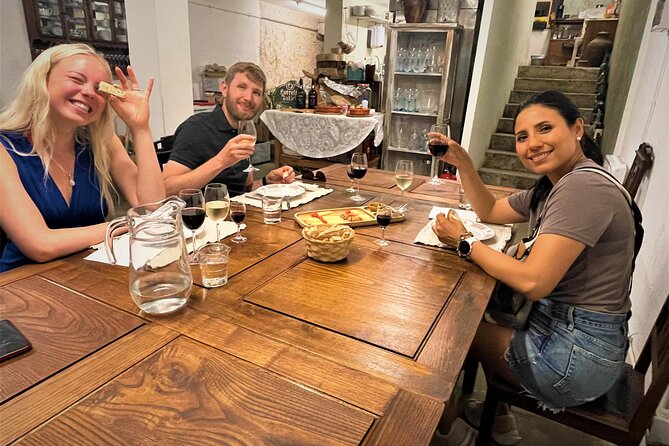
Porto is best tasted on foot. This 3-hour, small-group food and wine walk stacks classic bites like bifana with a real Port wine tasting, and your guide ties the menu to the streets.
I love the small group size (max 12), because you get a more personal pace and time for questions. I also love the variety across Portuguese comfort food, especially the salt cod salad stop that’s light, salty, and satisfying without feeling heavy.
One drawback to plan for: this tour is more snack-and-sip than a full, sit-down meal. If you’re a big eater, you may still want dinner after.
In This Review
- Key things to know before you go
- How this Porto food-and-wine tour earns its price tag
- Meeting near Praça General Humberto Delgado, ending where the night starts
- Avenida dos Aliados: bifana plus crisp Portuguese beer
- Rua do Bonjardim: salt cod and chickpeas with a wine-or-beer pairing
- Rua da Picaria: pica-pau, crusty bread, and a green wine moment
- Rua de Cedofeita: three-style Portuguese wine tasting with cheeses
- Liberdade Square: pastel de nata and coffee to close strong
- Mercado do Bolhão (morning version): port, cheese, and ham in the market
- Guides are the difference: Santiago and other hosts who tell the city story
- Stop-by-stop pacing: how the walk feels in real life
- The food and drink lineup, translated into real choices for your taste
- Should you book this Porto food-and-wine tasting tour?
Key things to know before you go
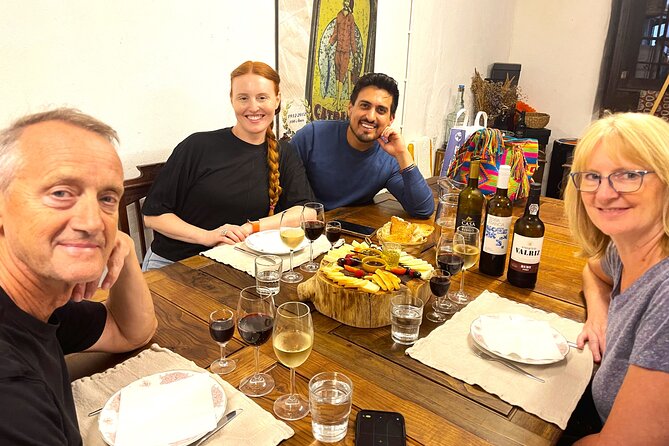
- Max 12 people keeps it friendly and question-friendly
- Six main stops plus a dessert finish, built around Portuguese classics
- Wine, beer, and spirits pairings show up throughout, not just at the last stop
- A vegan option is mentioned at the cod salad stop
- Walking is part of it, but the pace is relaxed enough for most people
- Guides like Santiago often bring extra history and street-level context
More adega tastings and vinho verde flights we have poured through in Porto
- From Porto: Douro Valley w/ Boat Tour, Wine Tasting & Lunch★ 4.7 · 19,061 reviews
- Complete Douro Valley Wine Tour with Lunch, Wine Tastings and River Cruise★ 5.0 · 12,920 reviews
- Douro Valley Small-Group Tour with Wine Tasting, Lunch and Boat★ 5.0 · 3,642 reviews
- Douro Valley Tour: 2 Vineyard Visits, River Cruise, Winery Lunch★ 5.0 · 3,542 reviews
How this Porto food-and-wine tour earns its price tag
At $96.75 per person for about 3 hours, you’re paying for two things: access and momentum. You get a route that hits multiple neighborhoods and food styles, plus a guide who helps you understand what you’re eating, not just where you’re eating it.
The value comes from the mix of tastings. You’re not doing one restaurant and calling it a day. Instead, you’ll work through Portuguese staples like bifana, salt cod with chickpeas, pica-pau, a structured wine lineup with cheeses, and a pastry finale. That kind of variety usually costs more if you try to recreate it solo.
One smart move: think of this as a “Portugal sampler” that also sets up the rest of your trip. After this, you’ll know what to look for on menus, how certain flavors should taste, and what drink types belong with what kind of food.
Meeting near Praça General Humberto Delgado, ending where the night starts
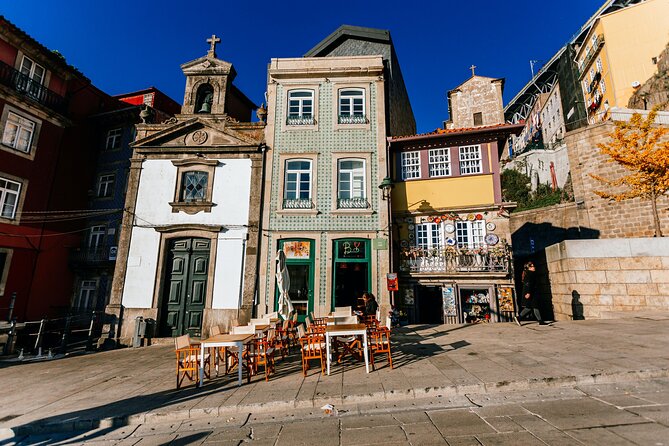
You meet at Praça General Humberto Delgado (PC GEN Humberto Delgado), in central Porto. The tour ends at Manteigaria, Rua dos Clérigos nº37, which is a great location to keep walking, grab a drink, or find a late bite.
This matters because food tours can sometimes dump you somewhere inconvenient. Here, you finish in a restaurant-and-bar zone, so you’re not stuck calling for a taxi right after dessert.
Also, you get a mobile ticket, and the meeting point is near public transportation. That’s a real help if you’re juggling train times, airport connections, or just trying to stay flexible.
Avenida dos Aliados: bifana plus crisp Portuguese beer
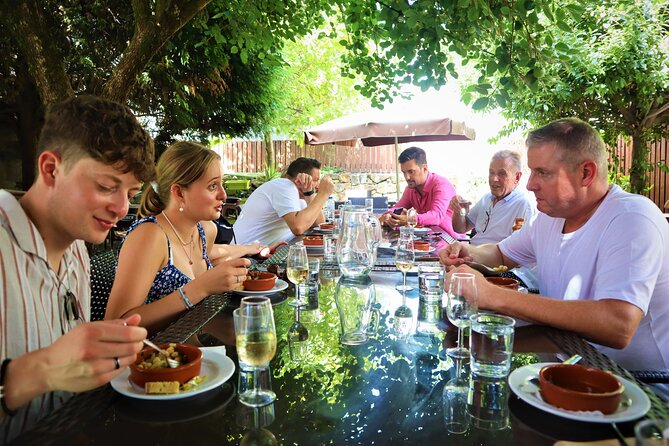
This first stop is built around one of Porto’s simplest, most powerful flavors: the bifana. It’s a savory sandwich with thinly sliced marinated pork. Expect it served fast, with a local beer pairing to match the salty, tangy meat.
Why I like this start for you: it immediately gives you a baseline for Portuguese street food. Once you’ve had bifana, you’ll recognize the kind of punchy seasoning that shows up across other dishes and snacks.
Time here is listed at about 36 minutes, so you’re not stuck waiting around for a long course. You’ll also get the sense that the tour is about stopping in everyday places, not tourist-only dining rooms.
Rua do Bonjardim: salt cod and chickpeas with a wine-or-beer pairing
Next comes Salada de bacalhau e grão, a Portuguese salt cod and chickpea salad. It combines flakes of salt cod, chickpeas, onion, and a boiled egg, dressed with olive oil and lemon juice. It’s protein-forward, bright, and a little more “grown-up” than a sandwich.
The key detail for planning: this stop comes with a cup of wine or beer. So you’re not just tasting food, you’re also learning what drinks fit with salty cod.
You’ll also be glad to know there are vegan options at this stop. The data doesn’t say everything is vegan-friendly end-to-end, so if you have strict dietary needs, it’s worth checking directly when you book. Still, it’s a meaningful inclusion rather than an afterthought.
This stop also runs about 36 minutes, which keeps the pace moving. That matters because Porto can be a lot of walking between neighborhoods, and short snack windows keep the tour from dragging.
Other Porto tables and tasting stops we have worked through
Rua da Picaria: pica-pau, crusty bread, and a green wine moment
At Rua da Picaria, you’ll try pica-pau, which is bite-sized pieces of seasoned beef or pork served with crusty bread. The tour also pairs it with a homemade Portuguese unique green wine.
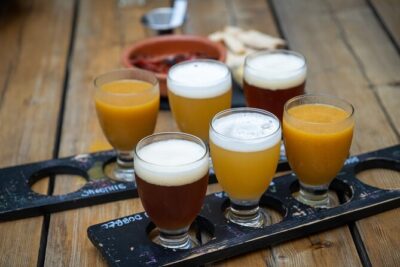
This is one of the spots where Porto’s drink identity really shows. Green wine, or vinho verde, is known for being light and refreshing. With seasoned meat and bread, it helps cut through richness without flattening the flavor.
Time at this stop is also about 36 minutes. That rhythm is smart: you’re constantly sampling, so the tour feels like a string of short “aha” moments rather than one long meal.
Rua de Cedofeita: three-style Portuguese wine tasting with cheeses
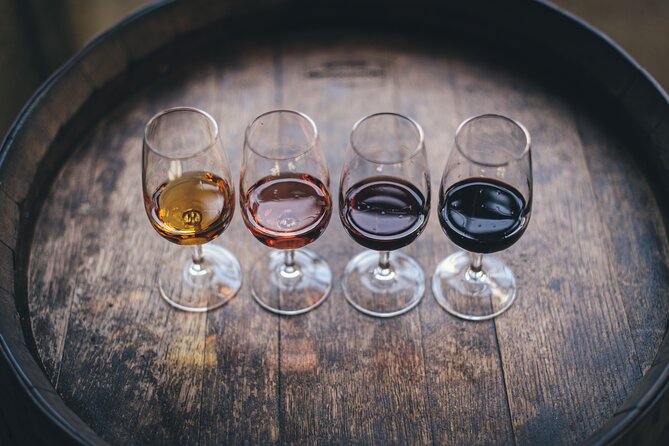
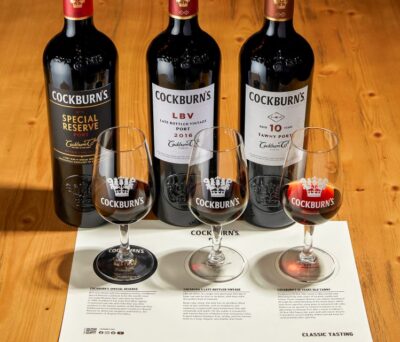
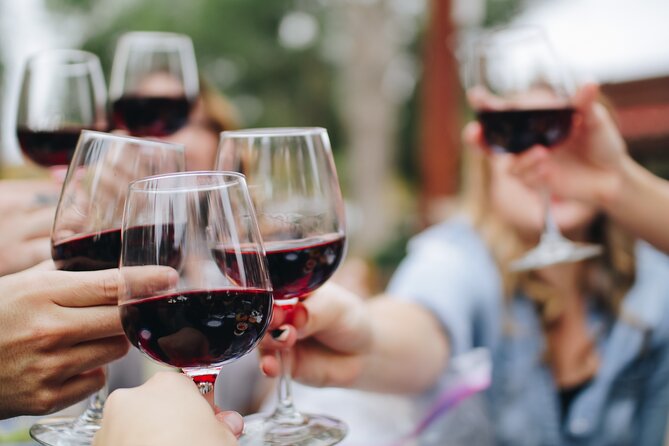
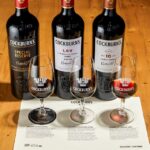
Then the tour slows down for a more structured tasting around three distinct wines. Depending on what’s being served that day, you’ll sample Port wine (fortified), a Portuguese white, a green wine, or a red, with a selection of typical Portuguese cheeses.
This portion is valuable because it teaches you how to think about Portuguese wine beyond the labels. Fortified Port tastes different from a crisp white, and green wine behaves differently from red. Pairing with cheese makes the comparisons easier, and it’s a practical skill you can use later when you’re choosing bottles in a shop.
One note: the exact lineup is listed with choices, so don’t assume you’ll always get the same three styles. But you will get a clear tasting structure and cheese pairing in the mix.
Liberdade Square: pastel de nata and coffee to close strong
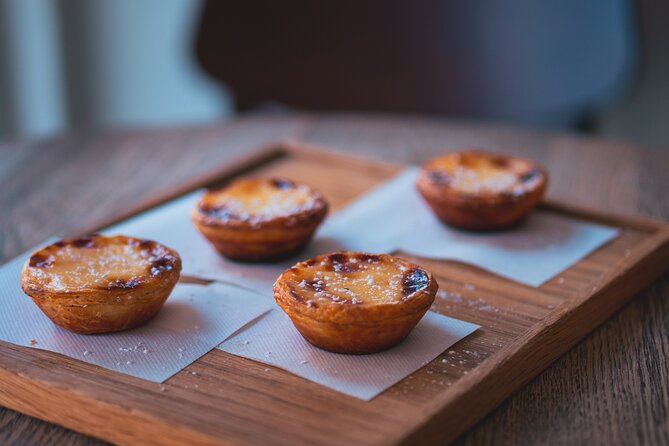
By Liberdade Square, you’re moving into dessert mode. You’ll have Portuguese sweets, with pastel de nata called out specifically. It’s a custard tart with a crispy, flaky crust, and the tour also includes a cup of coffee as a pairing.
I like this ending for two reasons. First, it balances the savory-heavy first half. Second, coffee helps you reset so the pastry doesn’t feel like sugar fatigue.
One extra detail from real-world feedback: some groups have mentioned being served pastel de nata with cinnamon and even ginja. The itinerary clearly mentions coffee, but it’s still good to know that Portuguese dessert service can include liqueur pairings depending on the place.
This stop runs about 31 minutes, so it’s a short, satisfying finish rather than a long sit.
Mercado do Bolhão (morning version): port, cheese, and ham in the market
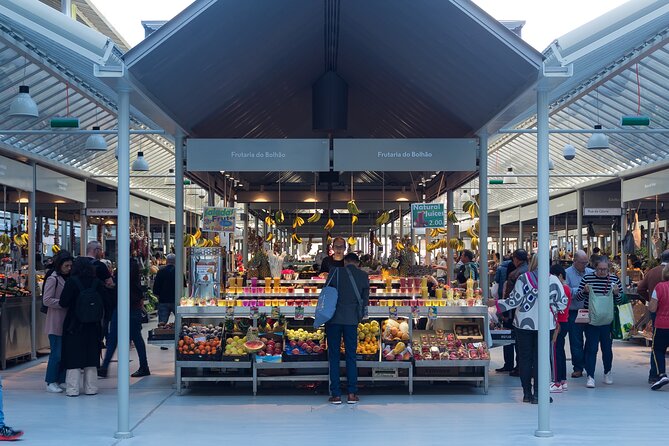
There’s also a morning option that includes Mercado do Bolhão. It’s shorter, about 45 minutes, and it focuses on market staples: port wine, Portuguese cheese types, and ham.
This is a great add-on if you want to see more local food culture beyond just eating around town. Markets are where you learn what locals actually buy, and you’ll likely notice different cheese styles and cuts that won’t show up in a normal street-food tour.
If you’re choosing between the morning market option and the full evening-style route, think about your energy. The main tour is longer with more stops. The market version is punchier and more focused on sourcing and sampling.
Guides are the difference: Santiago and other hosts who tell the city story
Across the feedback, one name shows up constantly: Santiago. People describe him as fun, knowledgeable, and the reason the tour felt more than just a checklist of foods.
What you should take from that, as a decision-maker: the tasting alone is good, but the guide’s role is what turns it into a Porto orientation. Several reviews mention more than food, including history and architecture-style context along the walk.
You’ll also meet other guides depending on the day. Reviews mention hosts like Sergio, Greta, Sebastián, and Lisa, each praised for making the stops feel personal and pointing out places you might not find on your own.
A practical tip: don’t be shy about asking what to order when you return to a place. If your guide is giving you context, they often have real suggestions you can use immediately at lunch or dinner later that week.
Stop-by-stop pacing: how the walk feels in real life
The tour is designed around multiple short stops, with each food stop around the 30 to 40 minute range. That’s helpful because you avoid the two common problems with food tours: waiting too long at one location, or rushing between places so hard you miss the experience.
The route is also described as relaxed and not too taxing for most people. Still, it’s a walking tour through old streets, so wear shoes you’re comfortable in all evening.
If you’re someone who likes to wander at your own tempo, treat this as your “structured wander.” Afterward, you’ll have a map in your head of which streets feel most like your style, not just where the famous stuff is.
The food and drink lineup, translated into real choices for your taste
Here’s what the itinerary is aiming for, in plain terms:
- Salty and savory starts with bifana and beer
- Fresh and protein-friendly comes through with cod salad and a wine-or-beer cup
- Grilled-meat comfort shows up at pica-pau with bread and green wine
- Wine comparison skills happen during the Port/white/green/red tasting with cheeses
- Sweet reset finishes with pastel de nata and coffee
That flow matters because it helps you understand Portuguese flavors in layers. You go from street food to table-style tastings and end with pastry. It’s a journey that makes later ordering easier, since you’ll know which drinks tend to work with which flavors.
Should you book this Porto food-and-wine tasting tour?
Book it if you want:
- A small-group Porto night that mixes food and drink with street-level context
- A route that gets you out of your hotel bubble and into local places
- A guide-led tastings format, especially if you like learning what to order next
Consider skipping or adjusting expectations if:
- You’re expecting a full lunch included in the price. This tour is made for multiple tastings, not one big meal.
- You’re extremely strict about dietary needs beyond the mentioned vegan option at the cod salad stop.
If you do book, here’s the best strategy: think of it as your “first taste of Portugal.” Wear comfortable shoes, come hungry, and plan a real dinner afterward. Then use what you learn to order smarter for the rest of your trip.
Tables and Tasting Stops Across Porto

Other Days Out Around Porto



Adegas and Vinho Verde Flights, More Tastings
Newly added around Porto
- Vila Nova de Gaia: Winery Tour with 2 DOC Douro & 1 Port
★ 4.8 · 101 reviews - Porto: Carvalhas cellar tour at Real Companhia Velha
★ 4.8 · 101 reviews - Porto: City Tour, 6 Bridges Cruise and Wine Tasting
★ 4.4 · 101 reviews - Porto: Tile Painting Workshop with Porto Wine (Sé do Porto)
★ 5.0 · 102 reviews - Porto Food and Wine Tasting Tour of Hidden Gems (Small Groups)
★ 5.0 · 103 reviews - From Porto: Douro River Cruise, Winery Visit & Lunch
★ 3.7 · 103 reviews - Porto Private E-Bike Tour: Douro River, Parks & Beaches
★ 4.7 · 104 reviews - Porto: Wine Experience Museum with 3 Wine Tastings
★ 4.5 · 105 reviews - DOURO VALLEY: Lunch in a winery, tastings & 1-h private boat tour
★ 5.0 · 106 reviews - Porto: Douro Valley, 2 Wineries, Lunch, and 1-Hour Boat Tour
★ 5.0 · 107 reviews
Other boats, other operators: Portuguese Wine and Vinho Verde Tastings.
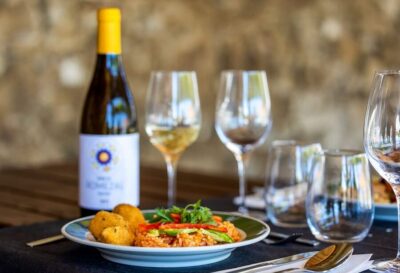 ★ 4.7From Porto: Douro Valley w/ Boat Tour, Wine Tasting & LunchFrom $8219,061 reviews
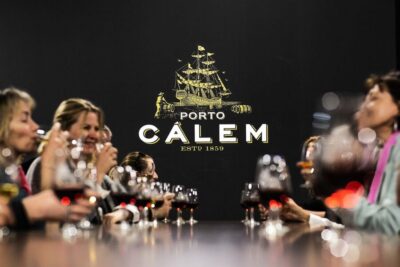 ★ 4.5Porto: Cálem Cellar Tour, Interactive Museum & Wine TastingFrom $234,113 reviews
 ★ 5.0Douro Valley Small-Group Tour with Wine Tasting, Lunch and BoatFrom $1693,642 reviews
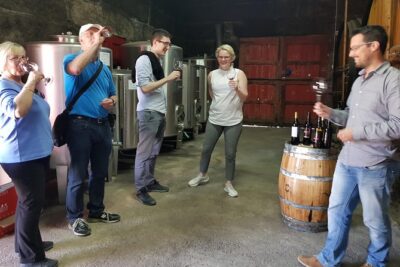 ★ 5.0Douro Valley Tour: 2 Vineyard Visits, River Cruise, Winery LunchFrom $1013,542 reviews
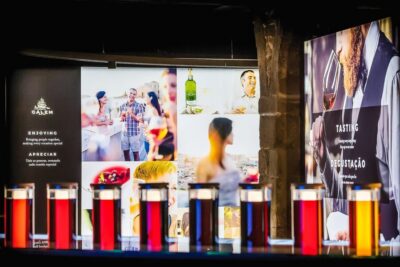 ★ 4.4Porto: Cálem Cellar Tour, Fado Show & Wine TastingFrom $333,530 reviews
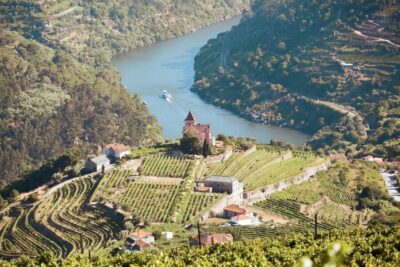 ★ 4.7Porto: Douro Valley Tour with Wine Tasting, Cruise and LunchFrom $762,714 reviews
 ★ 4.5Douro Valley Tour: Wine Tasting, Cruise and Lunch from PortoFrom $842,645 reviews
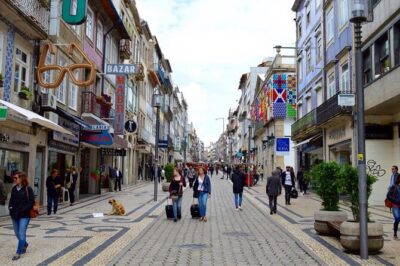 ★ 5.0Porto Food & Wine Tasting Tour with Lunch or Dinner OptionFrom $832,303 reviews