
REVIEW · WHALE WATCHING
Rabo de Peixe: Sperm Whale Sanctuary Expedition
If you want whales with real science behind them, go here. This Rabo de Peixe sperm whale sanctuary trip mixes boat time with clear talks from marine biologists, and the small-group setup makes the search feel personal. What I like most is the focus on respectful whale watching plus the chance to see not just sperm whales, but other Atlantic wildlife close to São Miguel’s northern coast. One drawback to plan around: the outing depends on good weather, and you may also face a 30 to 45 minute total delay due to marina logistics.
You start with a safety briefing, then you head out into deeper Atlantic waters where sperm whales are the main target. If you’re the type who enjoys understanding behavior, routes, and conservation logic, you’ll get a lot more out of the hours on the water than just spotting spouts.
In This Review
- Key highlights worth your attention
- Why sperm whales, and why the Azores part matters
- Meeting at Clube Naval Rabo de Peixe: briefing, safety, and expectations
- The 3-hour on-water search: coastline first, then the sanctuary
- What you learn from marine biologists during the expedition
- Respect on the water: how this tour keeps the focus on the animals
- Dolphins and extra wildlife: why the odds feel better than you think
- Price and value: is $82 a fair deal?
- Timing, delays, and weather: the two things you must respect
- What to bring, what not to bring, and how to dress smart
- Who this fits best, and who should rethink it
- Should you book the Rabo de Peixe sperm whale sanctuary expedition?
Key highlights worth your attention
- Marine biologists on board who explain what you’re seeing and why it matters
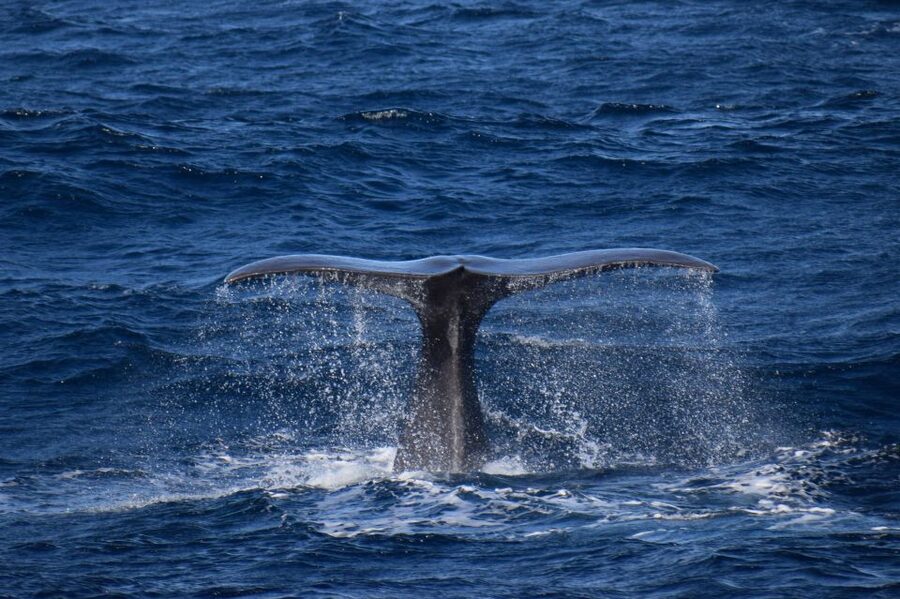
- Sperm whale sanctuary waters in the deep Atlantic near São Miguel
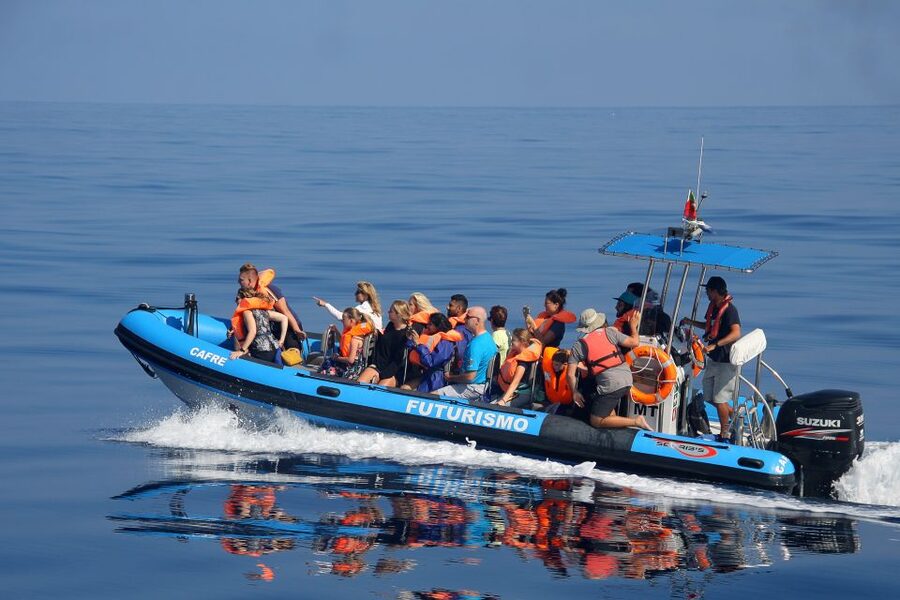
- Small boat experience that keeps you close to the action (zodiac style, around 16 seats)
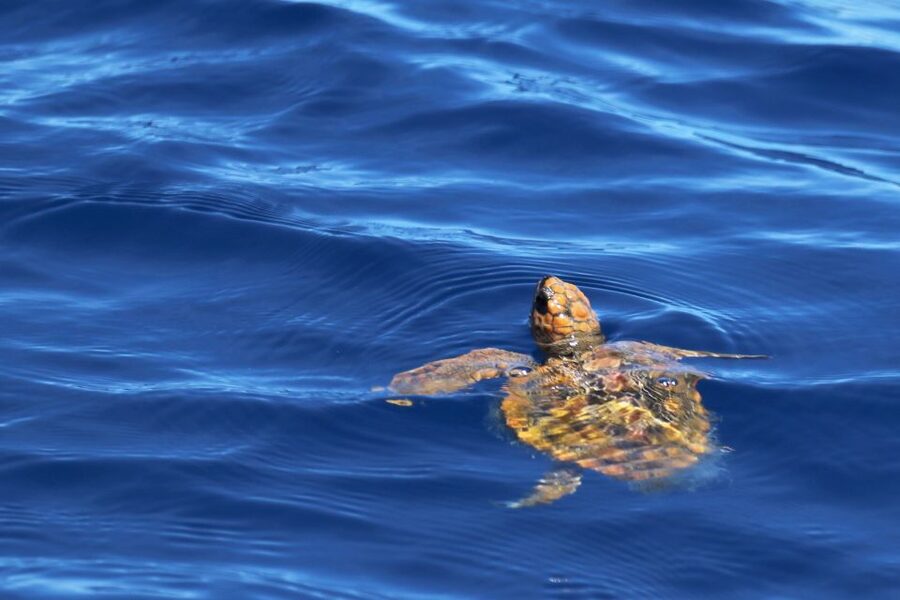
- Wildlife variety before the deep-water search, with a shot at dolphins, turtles, and Portuguese man-o-war
- A respectful approach built around how professionals and whale watchers protect the animals
More whale trips off Sao Miguel Island we have reviewed
- From Ponta Delgada: Whale and Dolphin Watching Trip★ 4.7 · 4,109 reviews
- Azores Whale Watching & Islet Boat Tour★ 4.6 · 2,146 reviews
- São Miguel Azores: Half-Day Whale Watching Trip★ 4.5 · 983 reviews
- Terceira: Whale and Dolphin Watching in a Zodiac Boat★ 4.8 · 230 reviews
Why sperm whales, and why the Azores part matters
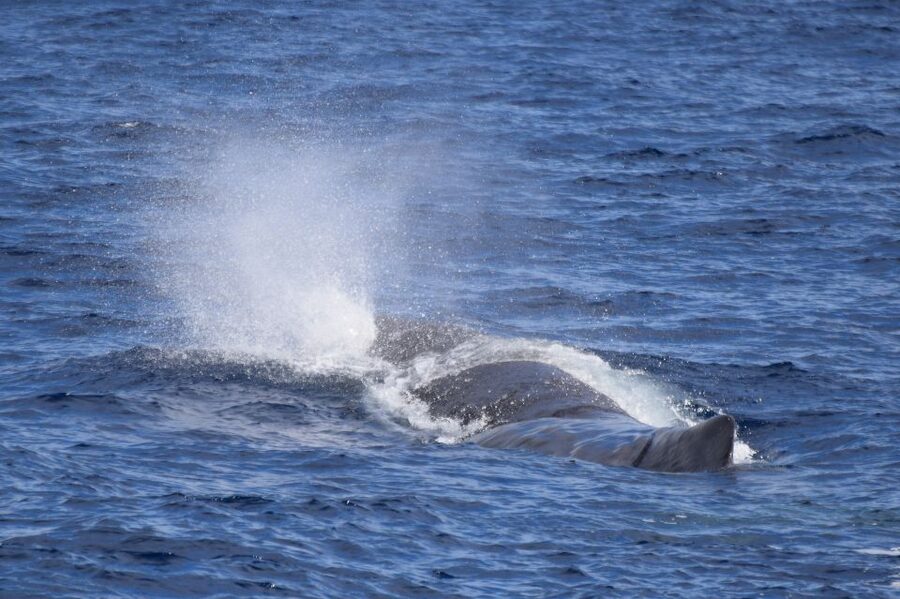
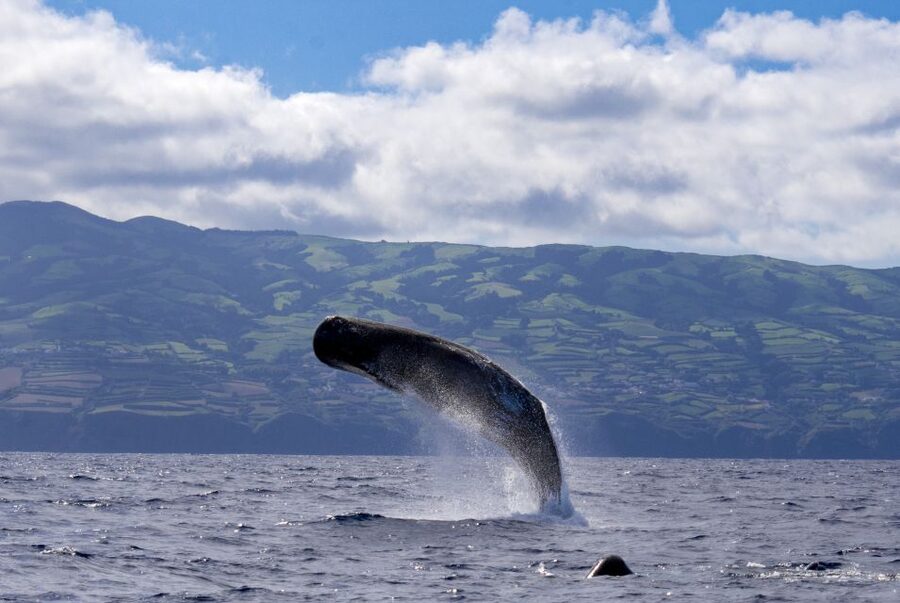
The lure of this tour is straightforward: sperm whales are the largest toothed whales on Earth, and the Azores are a place where they can be encountered in protected waters. But the bigger value here is that the expedition is built like a learning day, not a grab-and-go sightseeing loop.
You’re not just chasing a checklist. You’re learning what you might see, how sperm whales behave, and how the search is done with the animals in mind. That framing changes the whole experience. Instead of wondering what you’re looking at, you get a mental map for how sperm whales move, surface, and relate to their habitat.
Also, you’re operating from São Miguel’s northern coast, which gives you more than one wildlife phase. You may spot smaller ocean life along the way, then shift attention as you move into deeper sanctuary waters.
Meeting at Clube Naval Rabo de Peixe: briefing, safety, and expectations
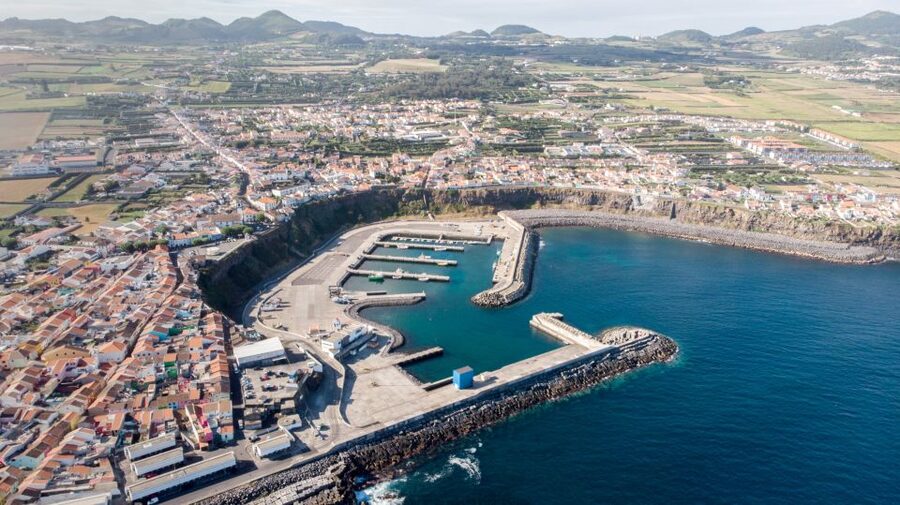
Your tour starts at Clube Naval Rabo Peixe, at the yacht club on the island’s northern side. The first step is a safety briefing that takes about 10 minutes. It’s quick, but it sets the tone. You’ll know how to stay comfortable and safe on a boat before you head out into open water.
Then the marine team brings you into whale-watching context. You’ll learn:
- which species might appear (and what “likely” means on the water)
- a bit about whale-watching history in the Azores
- the key idea that professionals and whale watchers respect the animals
This matters because sperm whales are not guaranteed on every trip. Still, a good briefing helps you understand what you’re looking for when sightings happen, and how to stay calm and steady when the ocean starts throwing curveballs.
The tour runs with a live guide in English and Portuguese, and having bilingual options makes a difference if you’re traveling with mixed-language companions.
The 3-hour on-water search: coastline first, then the sanctuary
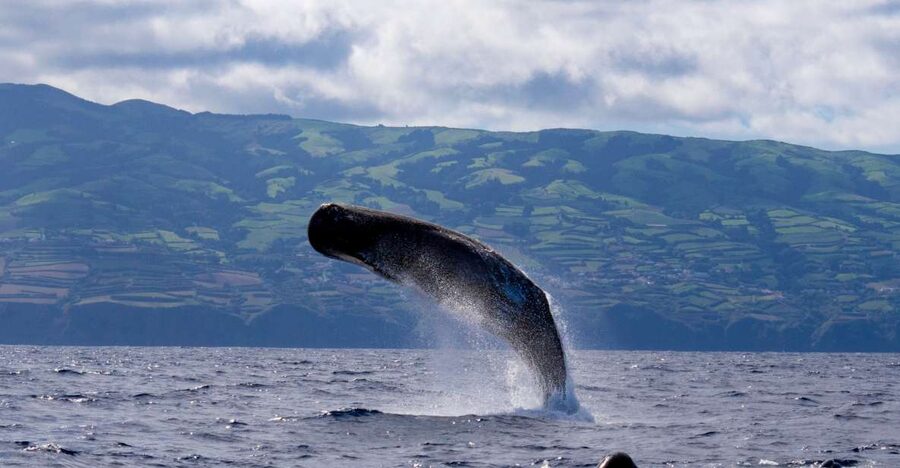
Once you board, you set out for Atlantic waters. The route is designed around a simple logic: start with the northern coast and its wildlife potential, then move toward deeper sanctuary areas where sperm whales are more likely.
Early on, keep your eyes open for the kinds of creatures that show up along coasts:
- dolphins, in some cases different species in the same trip
- Portuguese man-o-war drifting on the surface
- turtles that may surface as you move along
Then the search shifts. As you enter deeper water within the protected area, sperm whales become the focus. This is where patience pays off. You’re on a guided outing, but the ocean still runs the show.
One more practical point: this is typically on a zodiac-style boat with a small group size (about 16 seats). That can be a big quality factor. Smaller means less crowd noise and easier sightlines when someone spots movement, mist, or fin shapes.
What you learn from marine biologists during the expedition
The marine biologists are central to why this feels different from a standard whale tour. You get explanations before you go out, and you get follow-up once you’re back.
Before heading into the deeper water, you’ll hear basics tied to real-world whale watching: species to look for, how professionals interpret behavior, and how the search respects the animals.
After you return to Rabo de Peixe Harbor, the team tells you more about what you just saw. That wrap-up is when the day becomes memorable in a smarter way. If you caught a glimpse of a whale, you’ll leave with more meaning behind it, not just a photo and a guess.
In terms of communication style, the best part is passion without fluff. On past departures, biologists have shared explanations that clearly aim to make you feel the science, not just memorize facts. One biologist noted by name is Emma, and it’s a good reminder that you might get a guide with a gift for turning wildlife into something you can actually understand.



Respect on the water: how this tour keeps the focus on the animals
Whale watching is easy to ruin with the wrong approach. Loud boats, rushed behavior, and crowds that block sightlines all push in the wrong direction.
Here, the design explicitly centers on respect. You’ll be briefed on how biologists and whale watchers respect the animals, and that message continues through the tour. In practice, that translates into calmer handling when a sighting happens and more attention to observation than chasing.
It also helps that the group is small and the boat is compact. When you’re not packed in like a floating stadium, you’re less likely to stir up chaos around a whale. The goal becomes watching, not forcing proximity.
On some outings, people have even experienced close, memorable encounters with sperm whales. The key is that this kind of closeness should be treated as nature doing what nature does, not as something you can pressure or demand. The professional tone of the team keeps that boundary clear.
Dolphins and extra wildlife: why the odds feel better than you think
Sperm whales are the headline. But the tour is set up so you might see plenty of other life too. On real trips, dolphins can show up in more than one group, and you can also encounter other ocean creatures along the coastline before the main search.
That matters for two reasons:
- It improves your chance of feeling like you got value even if sperm whales take longer to appear.
- It lets you compare what different species do, how they surface, and how they move through the same general waters.
Even if sperm whales are the main goal, this approach keeps your attention engaged the whole time, not only during the final minutes.
Price and value: is $82 a fair deal?
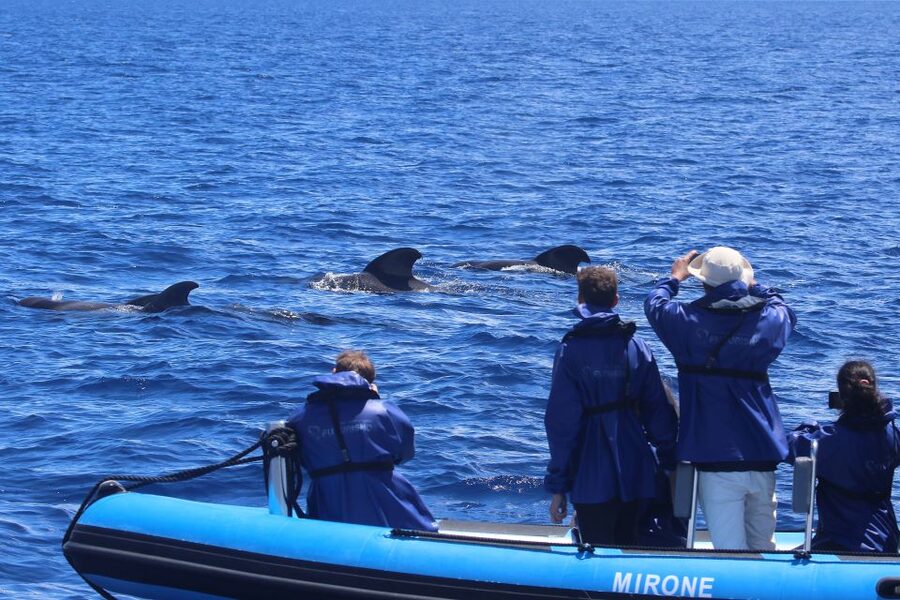
At $82 per person for a 3-hour outing, the value comes down to what’s included and how the day is structured. You’re paying for:
- a pre-tour briefing
- a marine biologist on board
- a guided search in a protected habitat area
What’s not included matters too. You’ll want to plan for your own snacks and drinks. Raincoat is not included, and there’s no hotel pickup or drop-off, so you’ll be responsible for getting to Clube Naval Rabo Peixe.
So is it worth it? If you compare tours that only provide a ride and a driver, the biologist-led component is the difference. Here, you’re buying interpretation and context, not just time on the water. If you enjoy wildlife learning, that’s where your money goes well.
If you’re more of a photo-only person, you may still enjoy it, but you may feel the cost more strongly since you’ll need to bring what they don’t provide, like food and rain gear.
Timing, delays, and weather: the two things you must respect
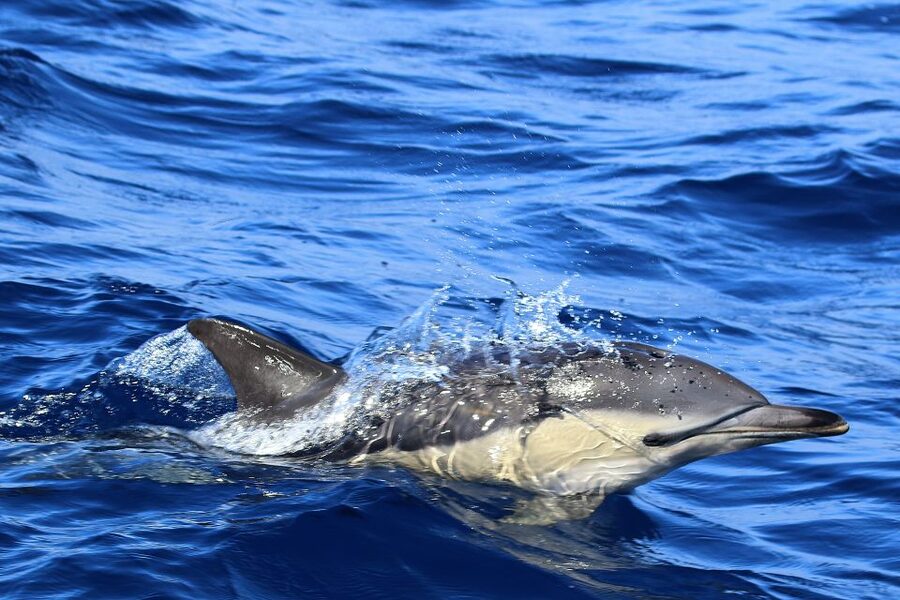
Two operational realities can affect your day.
First, the activity requires good weather. That’s not a minor footnote. On days when conditions are not right, the sea can change visibility and comfort, and the overall experience depends on being able to run the expedition safely.
Second, plan for possible delays. Due to logistics linked to the marina and the activity, the total experience duration may run about 30 to 45 minutes longer than you expect.
For planning, this means you should keep your schedule flexible. If you’re connecting to dinner, another excursion, or a ferry, build in a buffer. Think of this as a half-day focus, not a slot you can stack tightly.
What to bring, what not to bring, and how to dress smart
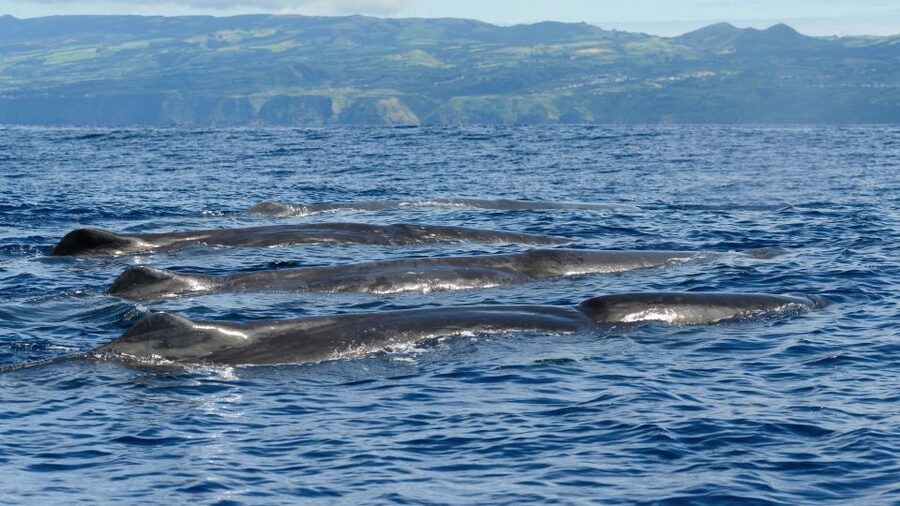
The tour gives you some structure, but you still need to show up ready for boat life. Here’s what you should bring:
- comfortable shoes
- sunglasses
- sun hat
- snacks
- sunscreen
- comfortable clothes
A few “don’t” items are worth treating as rules, not suggestions:
- no high-heeled shoes
- no drones
- no alcohol or drugs
Also note that a raincoat is not included. Even in decent weather, ocean trips can bring wind and spray. If there’s one item you don’t want to forget, it’s a lightweight layer or waterproof outer layer that can keep you comfortable.
And because food and drinks are not included, bring snacks you’ll actually want to eat. Boat time can be long enough that hunger becomes distracting.
Who this fits best, and who should rethink it
This is a great match if you:
- want to learn from marine biologists, not just watch from the deck
- enjoy wildlife that needs patience and calm attention
- are comfortable with a small boat outing that targets whales in real ocean conditions
It may not be the right match if any of these apply:
- pregnant women
- people with back problems
- people with mobility impairments
- people with recent surgeries
This isn’t about judgement. It’s about safety and the physical realities of boat movement and boarding.
Also, because you’re out on the water and the tour depends on good weather, you should be comfortable with outdoor conditions for a few hours.
Should you book the Rabo de Peixe sperm whale sanctuary expedition?
Book it if you want a whale watching day with strong interpretive value. The best reason to choose this one is the marine biologist-led approach plus the small-boat feel that keeps your attention on the wildlife. If sperm whales are your target, this expedition is built around that. If they are slower to show, you still have a meaningful chance at dolphins and other ocean life during the coastal-to-sanctuary route.
Skip it or choose another option if weather won’t be a good bet during your dates, or if the boat format does not work for your body or mobility needs. Also, be honest about what you’re comfortable bringing. You’ll handle snacks, and you should plan for rain protection since it’s not included.
If you’re traveling through São Miguel and you want an authentic Azores wildlife experience that feels guided, respectful, and genuinely educational, this is one of the clearer picks in the category. Just go in with flexible timing, come prepared, and let the ocean set the pace.
Whale Trips Off Sao Miguel Island, More Reviewed


Newly added around Sao Miguel Island
- Terceira: Half-Day Island Tour with Cheese Tasting
★ 4.4 · 106 reviews - São Miguel West: Sete Cidades and Fogo Tour with Lunch
★ 4.5 · 111 reviews - São Miguel: 2-Day Island Tour, Tea & Pineapple Plantation
★ 4.7 · 113 reviews - Vila Franca Do Campo: Introduction to Scuba Diving Tour
★ 5.0 · 117 reviews - Canyoning Experience at Ribeira Grande
★ 4.8 · 117 reviews - Rabo de Peixe: Sperm Whale Sanctuary Expedition
★ 4.8 · 135 reviews - Sete Cidades: Kayaking and Biking Adventure
★ 4.7 · 142 reviews - Ribeira Grande: Sete Cidades Quad / Buggy Tour
★ 5.0 · 163 reviews - São Miguel, Azores: Sete Cidades Half-Day Jeep Tour
★ 4.9 · 172 reviews - Island Van Tour (Full Day) | Terceira Island
★ 4.9 · 176 reviews
Other boats, other operators: Whale Watching.
 ★ 4.5From Funchal: Ecological Catamaran Dolphin Whale WatchingFrom $405,771 reviews
 ★ 4.5Funchal: Dolphin and Whale Watching Catamaran CruiseFrom $415,697 reviews
 ★ 4.7From Ponta Delgada: Whale and Dolphin Watching TripFrom $824,109 reviews
 ★ 4.2Funchal Bay: Dolphin & Whale Watch Luxury Catamaran CruiseFrom $472,684 reviews
 ★ 4.9All Inclusive Whale and Dolphin Watching Luxury TourFrom $932,573 reviews
 ★ 4.6Azores Whale Watching & Islet Boat TourFrom $702,146 reviews
 ★ 4.5Madeira Dolphin and Whale Watching on a Ecological CatamaranFrom $421,957 reviews
 ★ 4.5Funchal: Dolphin and Whale Watching by Luxury CatamaranFrom $471,709 reviews
Filed under