
REVIEW · SAGRES AND THE WESTERN ALGARVE
Sagres: Coasteering – Swimming, Cliff Jump & Rock Climbing
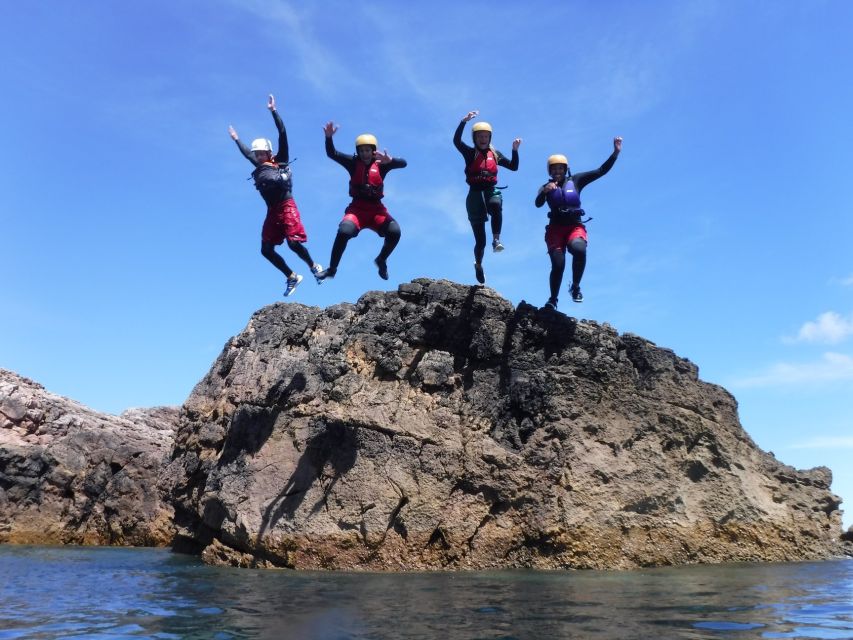
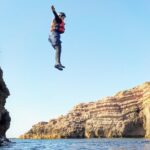
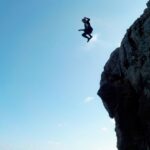
Coasteering turns the Algarve coast into a playground. In Sagres, you get a guided mix of cliff jumping, swimming, and rock scrambling that feels raw, close, and surprisingly personal. Guides such as Callum, Bobby, Jim, and Anne Marie lead groups along rugged coastline sections where the sea does the talking.
I especially like two things about this experience. First, the route is built around skill level, so you learn technique on smaller jumps before moving up, including options that can range from about 1m to 12m. Second, you get to seek out caves and jump into clean water again and again, then take home high-quality photos without paying extra.
One drawback to plan around: the exact start time depends on tides, and you get the confirmed time from the local partner the day before. So if your trip has fixed schedules, leave some wiggle room.
In This Review
- Key things you will notice on this Sagres coasteering day
- Why Sagres Coasteering Feels Different Than a Typical Algarve Day
- Meeting at Good Feeling Surf School in Raposeira and Getting Equipped Fast
- The 4-Hour Flow: How the Day Rolls From Briefing to Sea Time
- Cliff Jumping in Steps: From Learning Technique to Choosing Your Height
- Rock Scrambling Along Rugged Coastlines: Where You Earn the Views
- Cave Swimming in Crystal-Clear Water: The Part You Will Remember
- How Guides Keep It Safe, Fun, and Unpressured
- What $70 Gets You in Sagres, and Why the Value Works
- What to Bring (So You Do Not Regret It Later)
- Who Should Book This Coasteering Tour, and Who Should Skip It
- Should You Book Sagres Coasteering in Sagres?
- FAQ
- How long is the Sagres coasteering experience?
- What is included in the $70 price?
- Do I need to be an experienced swimmer?
- What should I bring?
- Are cliff jumps optional?
- What determines the start time?
- Where is the meeting point?
- Is this suitable for children?
- What language are the guides in?
- Can I cancel if my plans change?
Key things you will notice on this Sagres coasteering day
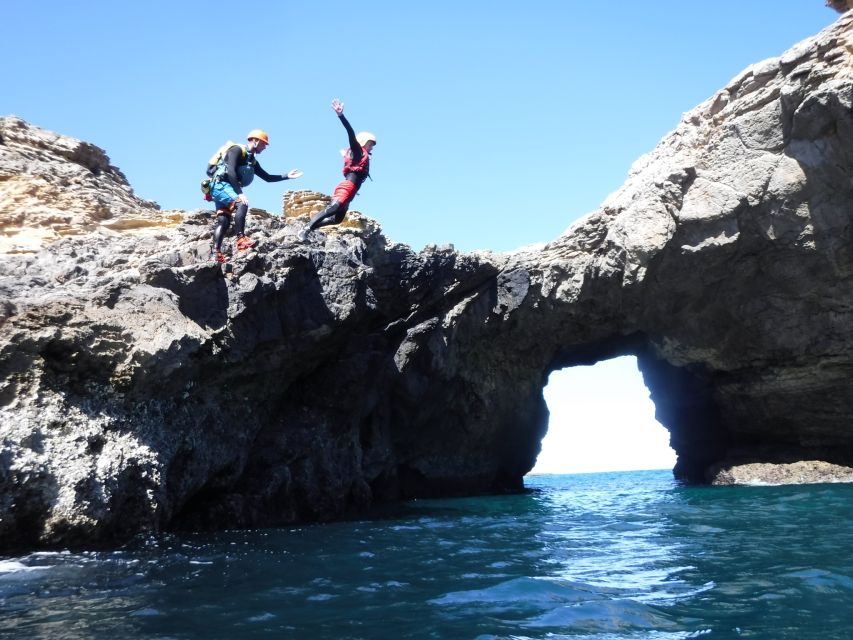
- Safety gear is full-on and taken seriously (helmet, buoyancy aid, wetsuit, protective gloves).
- You get skill-based options, so harder jumps or climbs can be swapped for easier alternatives.
- Jumping is taught in steps, not thrown at you all at once.
- Caves are part of the point, with swimming routes through hidden coastal spots.
- The guide style matters, with many groups praising patient, funny support and no pressure to jump.
More Sagres headland and west-coast trips we have reviewed in Algarve
- From Albufeira: Half-Day Lagos & Sagres Highlights Tour★ 4.5 · 476 reviews
- Sagres: Sagres Natural Park Sunset Tour by Jeep★ 4.8 · 329 reviews
- Algarve: 1-Hour Carrapateira Horseback Riding Tour★ 5.0 · 295 reviews
- Sagres: Coasteering – Swimming, Cliff Jump & Rock Climbing★ 4.9 · 226 reviews
Why Sagres Coasteering Feels Different Than a Typical Algarve Day
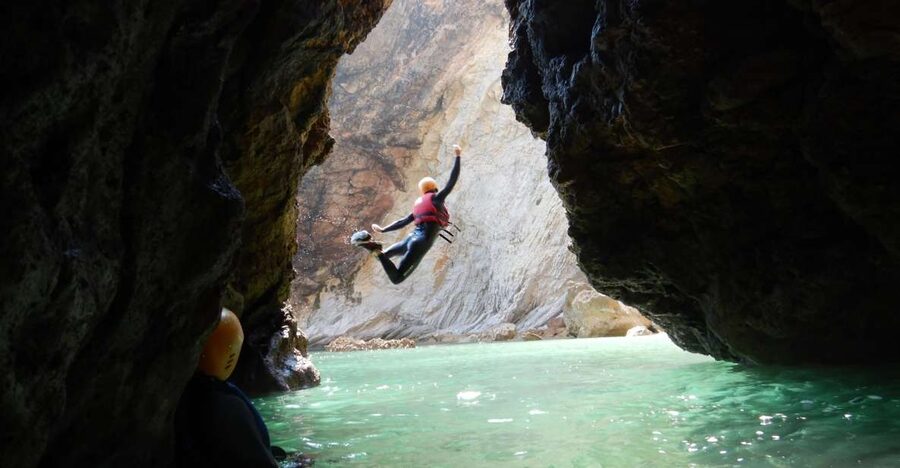
Most Algarve days are about driving, beach time, and maybe a viewpoint. Coasteering in Sagres flips that. You are moving along the coast in a way that makes you earn the views, not just look at them. The rocky edges, the tide timing, and the sudden open ocean all combine into a kind of adventure that feels like the coast is actively participating.
What makes it work is the balance of elements. You are swimming in crystal-clear water, doing controlled jumps, and also climbing or scrambling over rock. That variety keeps the day from feeling one-note. Even if you have a fear of heights, the day is set up so you can progress at your pace.
And the social side is real too. Coasteering is often a group activity, so you share the intimidation, the laughs, and the little victories together. One moment you are concentrating on where to place your feet, the next moment you are spotting caves and thinking, okay, this place is unreal.
Meeting at Good Feeling Surf School in Raposeira and Getting Equipped Fast
You meet at Good Feeling Surf School in Raposeira, at the bottom of the drive from the guesthouse. It is a simple setup, and that is a good thing. When your day starts with too much waiting, you lose momentum, and coasteering is all about momentum.
Once you arrive, you get fitted with the safety and comfort gear that matters for this activity:
- Helmet
- Buoyancy aid
- Wetsuit
- Protective gloves
That matters because coasteering is not just about thrills. It is about managing cold water, protecting your hands during rock moves, and staying safe on sharp, uneven coastal rock. The wetsuit also helps you enjoy the swims longer without rushing to get out.
One practical detail: towels are not included. You will want to plan your towel either from home or pick one up before you go, so you do not spend the post-adventure part of your day drying off with whatever you happen to have.
The 4-Hour Flow: How the Day Rolls From Briefing to Sea Time
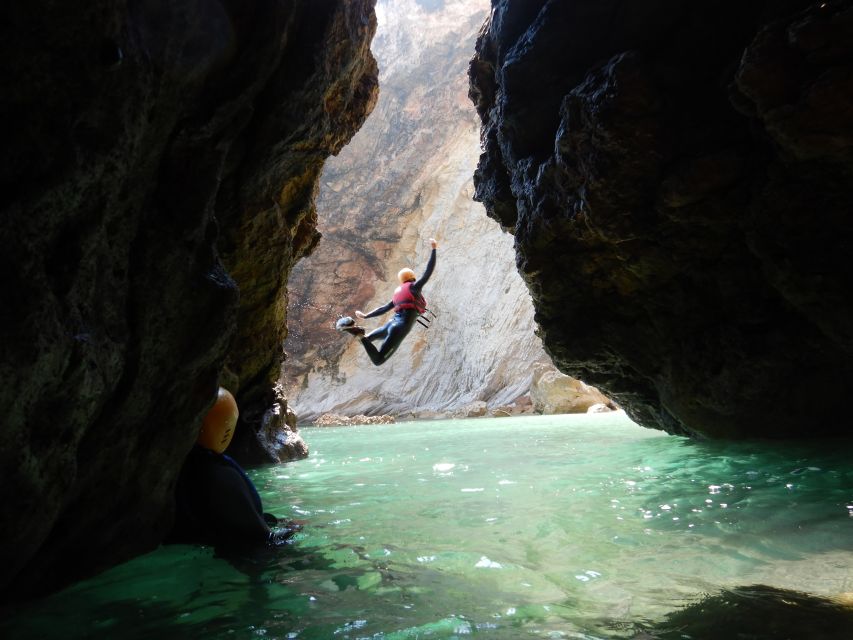
This is listed as a 4-hour experience, with a 3-hour adventure inside that window. That difference is important. You will spend some time getting ready, learning the approach, and moving between coastal sections. Then you shift into the real rhythm: swim, jump, climb scramble, repeat.
A typical flow looks like this:
- Gear up and get briefed on the day and safety habits.
- Warm up with technique basics, including how to handle the rock approach.
- Start with smaller jumps to build confidence and body position.
- Progress along the route with optional bigger jumps.
- Swim portions that can include cave sections.
- Finish when the planned route is complete, then get back to the start point.
What makes the pacing feel good is how often you get a reset. After a jump, you have a swim stretch. After a swim, you have a climb or scramble segment that is more focused, less adrenaline-only. That mix keeps you mentally engaged.
Also, the guides adjust on the fly. Routes can change with conditions, and your group’s ability level shapes what jumps and climbs you attempt. This is one of the reasons the day works for first-timers and also feels satisfying for people who want more challenge.
Cliff Jumping in Steps: From Learning Technique to Choosing Your Height
Jumping is the headline, but the best part is the training style. Instead of throwing everyone off the biggest spot right away, the day commonly starts with smaller jumps so you learn how your body behaves in the water and how to move confidently on the rock.
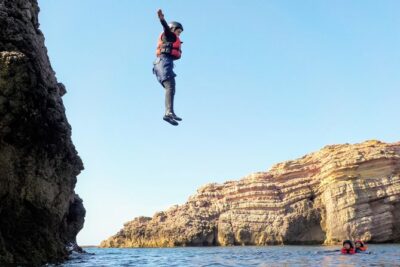
You can expect a progression. Some routes include jumps around 1m and can go much higher, up to about 12m for those who want the extra adrenaline. The key is that it is not forced. If you do not feel like jumping a particular height, you can take an easier alternative. If you are comfortable, you can choose to push yourself.
This is where the guides really earn their keep. Many groups highlight that the guides do not pressure anyone. They give instructions that make sense in plain language, then they help you practice the steps so your brain buys into the jump. That reduces the typical panic spiral that can happen with height-based activities.
For me, the biggest value of a stepped approach is that it protects the fun. You do not get one scary moment that ruins your day. You build confidence, then you get to enjoy the sea landing and the view from the top.
Other gorge descents and coasteering scrambles we have done in Algarve
Rock Scrambling Along Rugged Coastlines: Where You Earn the Views
The climbing and scrambling component is not a separate side quest. It is how you move between jump points and how you access the coastline sections that make Sagres coasteering special. You are not hiking on flat ground. You are stepping over rock edges, working around textures, and using your hands when needed.
That means good technique matters more than brute strength. The guides help you find stable footing and show you how to approach the rock so you can keep momentum. Many groups mention clear instructions, plus encouragement when the route gets harder.
Also, difficulty ramps gradually. Some people start with smaller jumps and easier rock moves. As the day goes on, the route can become more challenging, but there is usually a parallel, easier option. That is the practical difference between a thrilling activity and a chaotic one.
If you have any fear of heights, the scrambling part is a good place to build courage without the instant commitment of a jump. You can focus on the process: step, grip, balance, breathe. Then, when you reach the jump point, you are already warmed up mentally.
Cave Swimming in Crystal-Clear Water: The Part You Will Remember
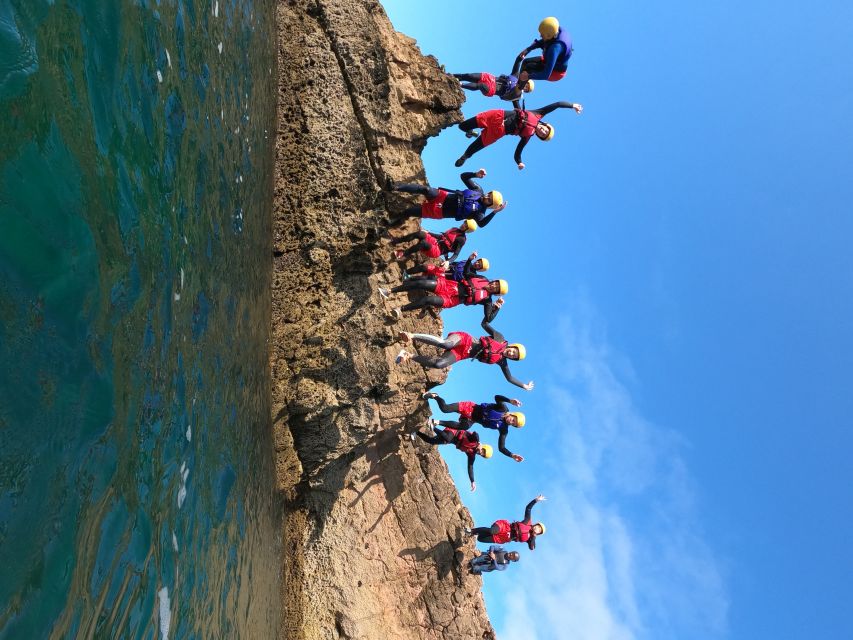
Swimming is built into the experience, and the water quality is a major reason people love this tour. The coast around Sagres is known for clarity, and coasteering uses that. You get swimming stretches in open sea and also cave sections that feel like you are moving through the coastline instead of around it.
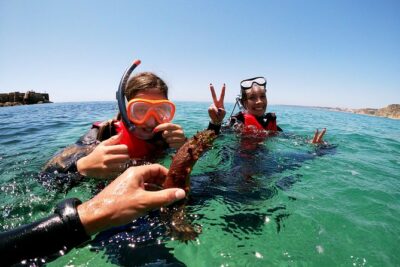
The caves are often the moment that turns a fun outing into a core memory. People consistently mention how stunning the caves look and how special it feels to enter them by swimming. It is not just a photo stop. You experience the cave route as part of the movement of the day.
One helpful point: you do not have to be an experienced swimmer. Swimming is key, but you are wearing a buoyancy aid and moving with guides. If you can float, follow instructions, and stay calm, you will likely be fine. The guides can also adapt the pace and options to fit the group.
In other words, you are not choosing between safety and adventure here. The design pushes you toward both: enjoy the caves, but do it within a structured plan.
How Guides Keep It Safe, Fun, and Unpressured
This activity lives or dies on the guide team. Here, the pattern across group experiences is consistent: clear safety habits, patient coaching, and humor that keeps nerves under control. Many sessions list guides such as Callum, Bobby, Jim, Joao, and Anne Marie as the ones bringing energy and confidence to the group.
A few things you should look for, and that these guides are repeatedly praised for:
- They provide technique coaching for jumps and climbs.
- They keep safety at the center without killing the fun.
- They encourage you to try, but do not pressure you.
- They offer alternatives when you want a lighter version of a move.
- They help the group progress at a pace that feels manageable.
That no-pressure style is especially valuable if you are nervous. You get encouragement that feels like support, not a dare. One person even mentions being terrified of heights, and still feeling guided step-by-step to reach jumps they were worried about. That is the difference between being left to your own fear and being coached out of it.
If you want adrenaline, this delivers. If you want to grow confidence, it also delivers. And because the equipment is included, you start with the right setup instead of scrambling for gear on your own.
What $70 Gets You in Sagres, and Why the Value Works
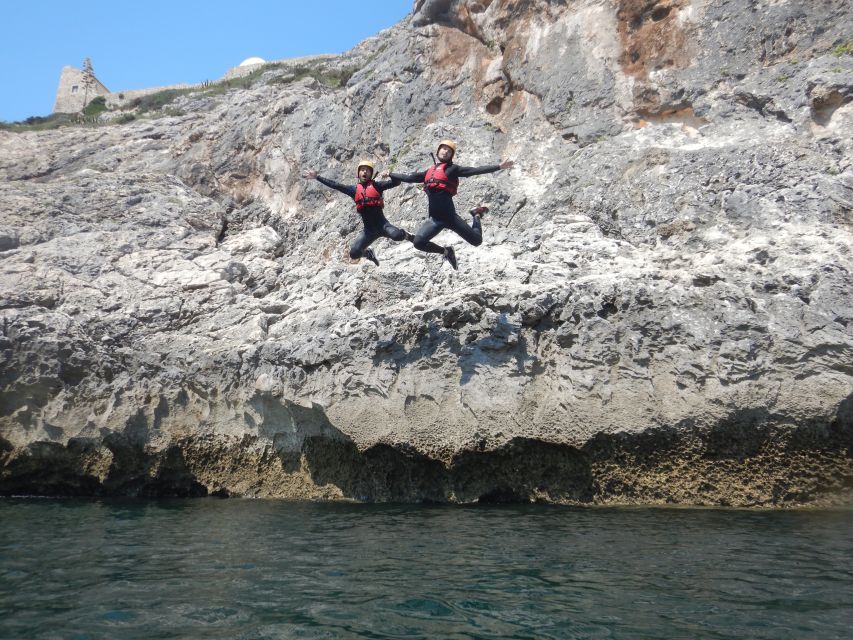
At $70 per person for a 4-hour block, you might wonder what is included besides the obvious thrill. The value is that you get the essentials for a high-skill, equipment-dependent activity:
- Helmet
- Buoyancy aid
- Wetsuit
- Protective gloves
- High-quality photos included
For coasteering, gear is not just comfort. It is protection, and it is what makes the swims and the rock scrambling more tolerable. If you tried to DIY, you would still need specialized safety gear, plus a local route knowledge. Having a guide turns the coastline from something scary and random into something navigable and repeatable.
Photos are also a quiet but real perk. You are busy moving, not taking perfect shots, and landing a jump is not exactly a good moment to fumble for a phone. Several people mention getting their pictures soon after the tour, which means your memories show up while the excitement is still fresh.
So for me, the value equation is simple: you are paying for expertise, safety supervision, and the day-structure, and you are getting the gear plus photos without extra add-ons.
What to Bring (So You Do Not Regret It Later)
This tour is simple, but you need the right footwear and the right dry plan.
Bring:
- Comfortable shoes
- Towel
- Waterproof shoes
The footwear part is more important than it sounds. Coasteering rock can be pointy and uneven, and you will step carefully while moving through tide-driven coastal zones. Some people mention using swimshoes with very thin soles and then needing to watch their steps more closely. That is a clue for you. Aim for shoes that can get wet but still give you grip and some protection from sharp edges.
Also, plan for a wet day. Even with a wetsuit, you will be in and out of the water. Have a towel ready, and wear something you feel comfortable getting soaked. Keep it straightforward so you can focus on the route, not on clothing logistics.
Who Should Book This Coasteering Tour, and Who Should Skip It
This experience fits best if you want active time outdoors and you are okay with water and heights on a guided route. It is suitable for groups and can work for families with children, but there is an important boundary: children under 8 are not suitable.
It is also not suitable for people with mobility impairments. That is not about being unkind. Coasteering involves climbing and scrambling over rock and transitioning between jump points, and those movements need a certain range and stability.
Who will love it most:
- You want a day that combines swimming, jumping, and climbing instead of just one activity.
- You enjoy learning technique and building confidence.
- You like guided adventures where you can choose easier options without losing the fun.
If you are a confident swimmer and enjoy adrenaline, you can likely take on more of the route options. If you are nervous, you can still enjoy the day by sticking with the easier alternatives the guides provide.
Should You Book Sagres Coasteering in Sagres?
If you are craving something more memorable than another beach afternoon, I think you should seriously consider booking this. The big reasons are the design choices: gear included, guided technique in steps, cave swimming as part of the route, and options that respect different comfort levels.
The main reason to pause is timing. If you cannot move your schedule, the tide-based start time can be a hassle. But if your day is flexible, that is a small trade for a genuinely active coast experience.
My call: book it if you want adrenaline with structure. Skip it if rock scrambling and water are deal-breakers for you, or if you need accessibility accommodations not covered by a mobility-limited route.
FAQ
How long is the Sagres coasteering experience?
The experience lasts 4 hours, with about 3 hours of coasteering adventure time.
What is included in the $70 price?
You get a helmet, buoyancy aid, wetsuit, protective gloves, and high-quality photos of the tour.
Do I need to be an experienced swimmer?
No. Swimming is a key part of coasteering, but you do not need to be an experienced swimmer.
What should I bring?
Bring a towel, comfortable shoes, and waterproof shoes.
Are cliff jumps optional?
Yes. The activities are suited to your group’s ability, and if there are jumps or climbs you do not feel comfortable with, easier alternatives can be provided.
What determines the start time?
The exact starting time depends on tides and is confirmed by the local partner the day before the activity.
Where is the meeting point?
Meet at Good Feeling Surf School in Raposeira, at the bottom of the drive from the guesthouse.
Is this suitable for children?
Children under 8 years are not suitable for this activity.
What language are the guides in?
The guide/instructor is in English.
Can I cancel if my plans change?
You can cancel up to 24 hours in advance for a full refund. You can also reserve now and pay later (book your spot and pay nothing today).
Gorges and Coasteering Scrambles, Other Descents
Sagres and the West Coast, More Headland Trips



Newly added around Algarve
- Algarve: 7 Seven Hanging Valley Hike Tour- Photos & Transfer
★ 4.8 · 38 reviews - Algarve Jeep Safari Full-Day
★ 4.6 · 40 reviews - Portimão: 1.25-Hour Segway Tour
★ 4.9 · 41 reviews - From Lagos: Ponta da Piedade Half-Day Yacht Cruise
★ 4.9 · 41 reviews - From Faro: Wildlife and Dolphin-Watching Speedboat Tour
★ 4.7 · 41 reviews - Portimão: 2-Hour Dolphin Watching Boat Tour
★ 4.7 · 42 reviews - Armação de Pêra: 2-Hour Wild Beaches and Caves Kayak Tour
★ 4.7 · 42 reviews - From Portimão: Private Boat Tour to Benagil Cave
★ 5.0 · 43 reviews - Algarve: Full-Day Guided Sightseeing Tour with Lunch
★ 4.6 · 43 reviews - SUP Tour in Algarve Ingrina Caves w/ Snorkeling & Photos Included
★ 5.0 · 44 reviews
Other boats, other operators: Sagres and the Western Algarve.
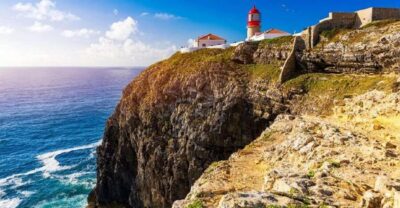 ★ 4.5From Albufeira: Half-Day Lagos & Sagres Highlights TourFrom $53476 reviews
 ★ 4.8Sagres: Sagres Natural Park Sunset Tour by JeepFrom $74329 reviews
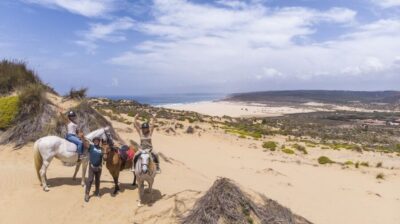 ★ 5.0Algarve: 1-Hour Carrapateira Horseback Riding TourFrom $82295 reviews
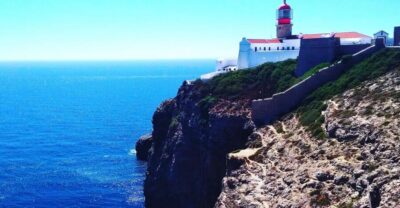 ★ 4.9Sagres & Cape St. Vincent Half-Day Tour from LagosFrom $69174 reviews
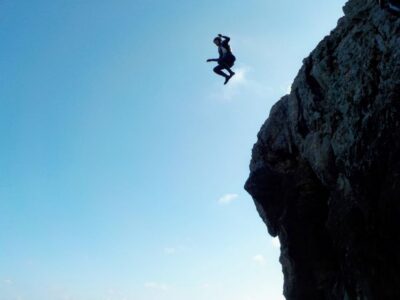 ★ 4.9Coasteering Algarve: Cliff Jump, Swim & Climb in SagresFrom $74158 reviews
 ★ 5.0Bordeira Beach – Horse Riding Tour at SunsetFrom $169133 reviews
 ★ 5.0Sagres: Sunset TourFrom $64129 reviews
 ★ 5.0Welcome to Carrapateira Horse Riding TourFrom $84124 reviews