
REVIEW · TERCEIRA AND ANGRA DO HEROISMO
Watching whales and dolphins on Terceira Island
Terceira waters turn into whale highways. This 3-hour trip is built around a land-based spotter system that helps the crew steer toward cetaceans fast, and it runs on a small boat where you feel close to the action. I especially like how the guide pairing with the Watchman boosts the odds of a sighting, and how the boat layout keeps most seats facing the same direction during finds. The tradeoff is simple, you will not control weather or the species, and even with a guarantee, you might end up with dolphins only on a given day.
You start at 8:30 am from Water4fun Whale Watching Terceira, and the group is capped at 15 people, so it stays lively without feeling crowded. If the sea is not cooperating, the operator can cancel for safety, and if nothing in the cetacean order shows up, you get a free reschedule or a refund.
In This Review
- Key things to know before you go
- Why Terceira is such a good bet for whales and dolphins
- Meeting at Water4fun and what the first half hour feels like
- The Watchman spotting system, and why it boosts your odds
- The small boat setup: comfort, visibility, and a bit of adrenaline
- What you might see: the Azores species mix (whales and dolphins)
- How the tour’s guarantee works when sightings are tricky
- Guide and captain teamwork: what to listen for, and who to thank
- The itinerary rhythm: scanning, finding, then settling in
- Weather, cancellations, and what to do with that risk
- Price and value: is $78.64 a fair deal?
- Who should book this tour (and who might skip it)
- Should you book Water4fun Whale Watching on Terceira?
Key things to know before you go
- Watchman spotting from Monte Brasil using long-range binoculars and radio guidance
- Over 90% cetacean sighting rate, thanks to real-time direction
- Guaranteed cetacean order at least one specimen, with a free second attempt if none
- Small-boat feel with good visibility, so you do not lose animals behind other people’s heads
- Multiple species possible year-round, with a mix of whales and dolphin types
- Life jacket included, and the crew handles safety while you focus on scanning the sea
Other Terceira lava caves and Angra streets we have covered in Terceira
- Terceira: Algar do Carvão Lava Caves Tour★ 4.7 · 305 reviews
- Terceira Island: Caves and Craters Tour★ 4.6 · 169 reviews
- Island Van Tour (Full Day) | Terceira Island★ 5.0 · 162 reviews
- Watching whales and dolphins on Terceira Island★ 5.0 · 150 reviews
Why Terceira is such a good bet for whales and dolphins
Terceira sits in one of the best places in the world for cetacean watching, mainly because the Azores get frequent visits from many different species. The operator’s own pitch is that you can see around 28 species throughout the year, roughly a third of what’s known globally. That matters, because on most islands you are chasing a single star attraction. Here, you’re building a day around variety.
I like this approach for you because it shifts the mindset. Instead of asking, will I definitely see whales, you can ask, what will the sea offer today, whales, dolphins, or both. The boat crew is set up to react quickly once sightings are confirmed on land.
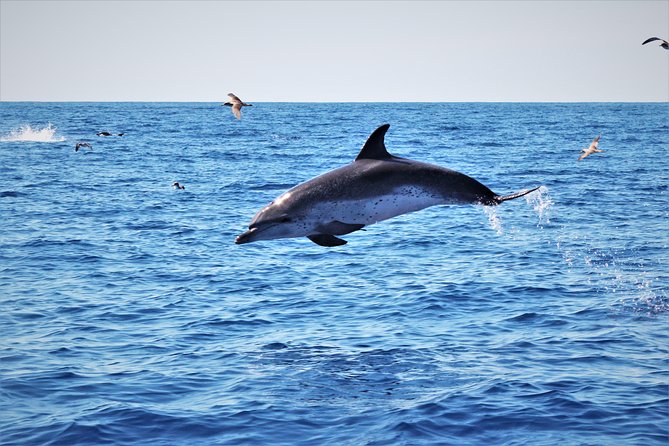
Also, this is not just about luck. The trip uses a Watchman stationed on higher ground to track activity with long-range binoculars. When the team radios the boat, you get directed over a larger search area instead of wandering around.
Meeting at Water4fun and what the first half hour feels like
The meeting point is Water4fun Whale Watching Terceira island in Angra do Heroísmo, and the start time is 8:30 am. That early departure helps, because marine life can be more active at certain times of day, and morning light also makes spotting easier for human eyes.
One practical detail I’d plan for: if you are relying on a taxi, give yourself extra buffer. There was at least one case where delayed participants held up the start by about 30 minutes, and the tour later departed without them. That is not a reason to panic, it’s a reason to be on time so you can start scanning sooner.
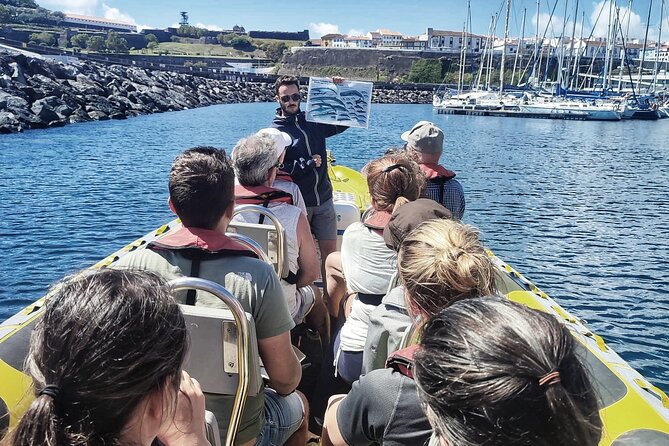
Once you’re aboard, the vibe is part adventure, part classroom. The guides explain what you’re looking for, then they point out likely areas when the spotter on land reports activity.
The Watchman spotting system, and why it boosts your odds
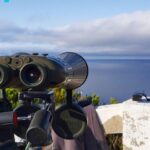
This is the heart of the experience. Instead of only searching from the boat, a team member on land acts like a real-time “Watchman” from a higher lookout. They use long-range binoculars and radio guidance to inform the vessel where cetaceans are likely to be.
That changes how the outing plays out for you in a big way:
- You spend less time blind-searching.
- When the crew commits to a direction, it tends to be because someone has eyes on the water first.
- You get quicker, more confident repositioning when animals surface.
The operator also claims a cetacean sighting rate over 90%. Even if that number is marketing, the concept is solid. A land spotter seeing blows from a distance is often a better starting point than only relying on the boat’s immediate viewpoint.
You will still experience the wild part, though. Cetaceans move. They change depth. They surface in patterns you cannot predict. The tour’s job is to turn “random ocean wandering” into “guided searching,” and that’s what this system is designed to do.
The small boat setup: comfort, visibility, and a bit of adrenaline
Boat size comes up again and again in the way people describe the day. A lot of operators use larger boats, and then you get crowding, plus fewer seats facing the right angles. Here, the maximum group size is 15 travelers, and the seating is arranged so most people have a clear view.
You’ll feel that “close to the wildlife” factor more than you would on a huge vessel. People noted that pods came close to the boat and that they could watch for long periods. That combination, small crowds plus more predictable sighting angles, tends to make the whole trip feel more intimate.
There is also real ocean energy. Multiple guides and captains keep the boat moving to track animals, so expect motion. One set of comments calls out bouncing over waves and feeling the sea breeze. If you’re prone to motion sickness, you might want to take that seriously. The trip includes a life jacket, but it cannot protect you from the motion itself.
If seas are calm, you’ll love how easy it is to scan the horizon. If seas are rough, plan for the fact that spotting takes patience and steady stance.
Other dolphin boats out of Terceira we have ridden
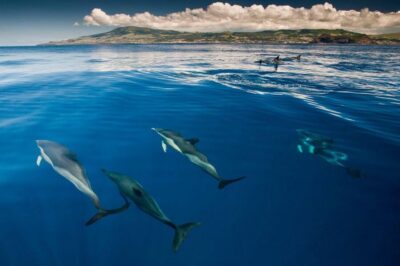
What you might see: the Azores species mix (whales and dolphins)
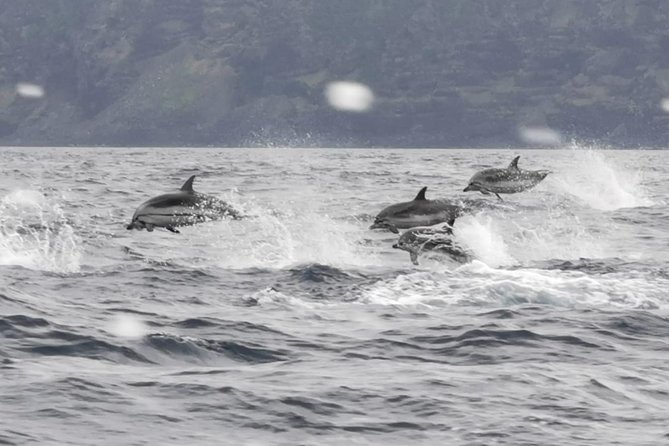
The trip is built around “cetaceans in the Azores,” and the results people report show that the day can be a mix of whales and dolphins. Exact species vary by season and ocean conditions, but the kinds of animals described include:
Whales (some examples seen on prior outings)
- Sperm whales
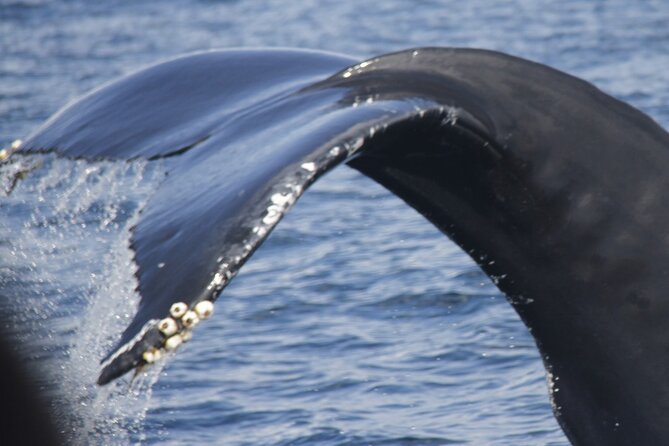
- Humpback whales
- Sei whales
- Blue whale (and even a calf, in one case)
- Pilot whales
- Commonly, people also mention different whale types like the false killer whale
Dolphins (some examples)
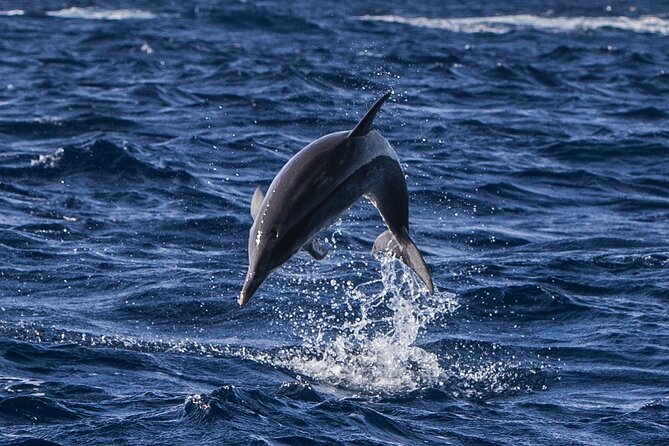
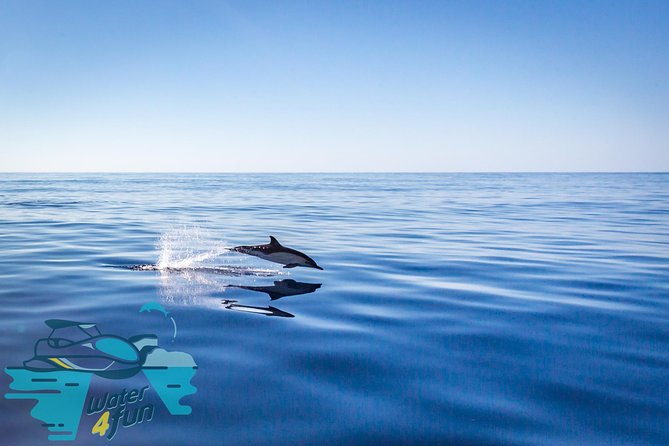
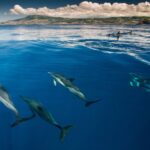
- Common dolphins
- Atlantic spotted dolphins
- Risso’s dolphins
- Bottlenose dolphins, including comments referring to bottleneck dolphins
- Spotted dolphins
That spread is part of the fun. Dolphins often show up quickly and can circle the boat, swim alongside, or pop up near the surface more often than some whales. Whales can take longer to locate, but once you get one, you may get extended viewing.
One practical thing for you: even when you think you’ve found the “real” moment, the crew may keep scanning for another species. People describe the guides as steering and tracking so you can spend time with each pod rather than rushing away after one brief sighting.
How the tour’s guarantee works when sightings are tricky
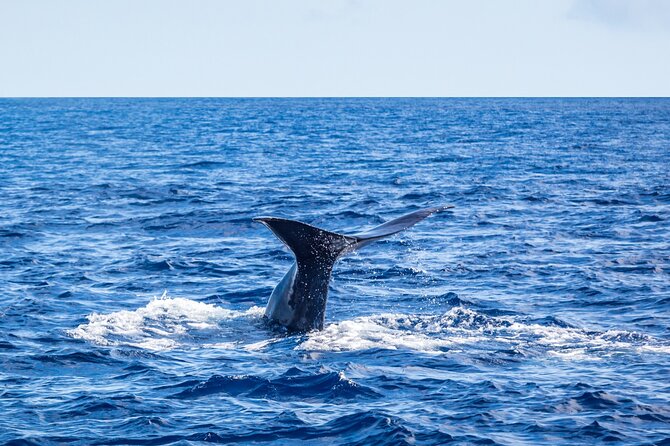
Let’s talk about the guarantee, because whale watching is never a 100% vending machine.
The operator guarantees at least one specimen from the cetacean order. That means you could get whales, dolphins, or another cetacean type that fits that category, but they cannot promise which family you’ll see on a particular day.
If you do not see any specimen from that cetacean order, you can reschedule a second attempt for free, based on availability. As a last resort, you can request a full refund.
For your planning, this matters because it protects you from the worst-case scenario. It does not remove the uncertainty. You’re still buying an experience that depends on living animals. But you are not left holding the bag if the sea gives you nothing that day.
And that’s the mindset to bring. One commenter started disappointed because visibility was poor and only dolphins appeared. Then conditions improved, and a Sei whale plus a whale with a calf showed up. That story is a good reminder: weather and visibility can change fast, and the spotter guidance is designed to respond when sightings get clearer.
Guide and captain teamwork: what to listen for, and who to thank
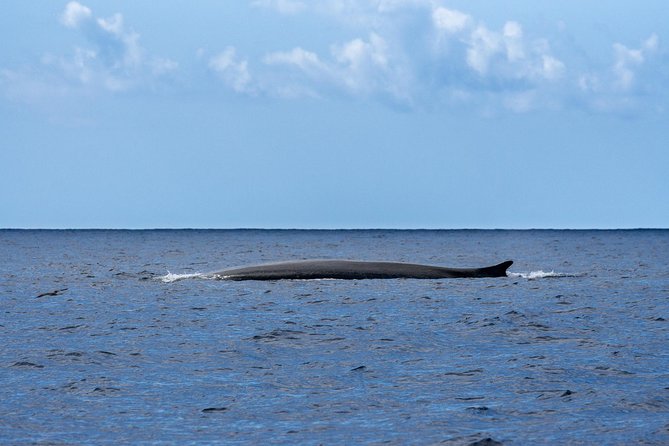
The guiding approach is more than, look over there. It’s active spotting plus education as you travel. A name that shows up often is Victor. People praise him for explaining differences between species and for pointing out exactly where to look so you do not miss the blow.
That’s a big deal. When you are new to whale watching, you can easily stare at empty water and miss the moment something surfaces. A good guide helps you scan in the right zones and understand what you are seeing, for example, the general behavior of dolphins around the boat or what whale sightings typically look like before and after a surfacing.
Captains and guides also help manage expectations during quiet stretches. The best tours use those lulls well, turning “waiting” into learning. In this case, the guide explanations are part of the reason people say the trip is worth the price even if whales do not show that day.
The itinerary rhythm: scanning, finding, then settling in
You’re on the water for about 3 hours. The day usually follows a pattern:
- Head out and orient.
- Use spotter info to position over likely areas.
- Scan, wait, then watch once the first surface happens.
- If you find multiple pods, the crew may reposition to chase additional sightings within the time window.
That rhythm is why the small group size matters. When you find something, you want everyone to see it at the same time, not take turns craning or searching around strangers.
People describe long periods with pods once the crew located them, which is what you want. Short sightings feel like photos of events you missed. Longer watches feel like actually being part of the animals’ world, even though you’re still just a visitor at sea level.
Weather, cancellations, and what to do with that risk
This trip requires good weather. It’s explicitly called out as a requirement, and there are cases of cancellation when the sea is too rough for safety. If the operator cancels due to poor weather, you will typically be offered a different date or a full refund.
So how should you handle this as a traveler? Don’t book this as your only plan on a tight schedule. Give yourself one flexible option day if you can. If you are staying multiple nights on Terceira, that flexibility helps a lot.
Also, keep an eye on sea conditions and visibility. One report notes poor visibility reduced early sightings, but later clearing brought better chances. That is pure nature. You can’t outsmart it, but you can be patient and stay ready when conditions improve.
Price and value: is $78.64 a fair deal?
At $78.64 per person for about 3 hours, you’re paying for three things:
- A boat experience out to real cetacean habitat.
- A spotting approach that uses a land Watchman and radio guidance.
- A guarantee of at least one cetacean order sighting, with a free second attempt if the sea gives you nothing.
The best value trips are the ones that reduce your “wasted time” risk. This one tries to do that through the spotter system and through the guarantee. Even if you end up with dolphins only, the dolphins are often active and can be close, with long viewing windows.
If you hate spending money on uncertainty, you may still find this stressful. If you enjoy the thrill of the search and you want a day that often delivers a mix of whales and dolphins, the structure makes the price feel more justified.
Who should book this tour (and who might skip it)
Book this if:
- You want a guided cetacean hunt, not just a random boat ride.
- You like the idea of a small boat with good sightlines.
- You’re comfortable with the nature factor, meaning you accept that species and exact timing can vary.
- You appreciate explanation, like learning what you’re seeing from a guide such as Victor.
Consider skipping or choosing another option if:
- You get strongly motion sick and cannot take medication or handle boat motion.
- You have no flexibility at all, and you will be upset if weather cancels the trip.
If you’re in Terceira for a short stay and you have at least one flexible window, this is one of those “make it happen” activities.
Should you book Water4fun Whale Watching on Terceira?
Yes, I think you should book it if your goal is a guided, odds-forward whale and dolphin experience with a real guarantee safety net. The standout strength is the Watchman spotting system from Monte Brasil, plus the small-group format that helps you actually see what the crew finds. The main risk is the usual one, the ocean decides what it shows, and weather can cancel.
If your schedule allows a backup day, you’ll feel much better about that risk. And if you show up early, stay patient during quiet stretches, and listen to the guide’s scanning tips, you’re set up for a memorable morning at sea.
Whale Trips Off Terceira, More Reviewed
Dolphin Boats Out of Terceira, Other Trips
Terceira and Angra do Heroismo, Other Visits


Newly added around Terceira
- Private Caves tour with a Geologist
★ 5.0 · 43 reviews - Terceira: Swimming with Wild Dolphins | Natural Habitat
★ 4.8 · 51 reviews - Terceira: Whale & Dolphin Watching | Best Wildlife Tour
★ 4.7 · 55 reviews - E-Bike Tour Monte Brasil | Terceira Island
★ 5.0 · 60 reviews - In and Around Terceira Island in a 4X4
★ 5.0 · 64 reviews - E-Bike Tour Monte Brasil | Terceira Island
★ 5.0 · 77 reviews - Dining Experience with local family
★ 5.0 · 89 reviews - Terceira: Buggy Tour 4×4 West Side Azores Retreat
★ 4.9 · 108 reviews - Underground Van Tour (Half Day) | Terceira Island
★ 5.0 · 141 reviews - Watching whales and dolphins on Terceira Island
★ 5.0 · 150 reviews
Other boats, other operators: Terceira and Angra do Heroismo.
 ★ 4.7Terceira: Algar do Carvão Lava Caves TourFrom $53305 reviews
 ★ 4.7Azores: Terceira Island Full-Day TourFrom $102291 reviews
 ★ 5.0Private Terceira Island Full Day TourFrom $174250 reviews
 ★ 4.8Terceira: Whale and Dolphin Watching in a Zodiac BoatFrom $82230 reviews
 ★ 4.6Terceira: Half-Day Dolphin and Whale Watching TourFrom $70219 reviews
 ★ 4.5Terceira Island Highlights Tour – AzoresFrom $108204 reviews
 ★ 4.9Island Van Tour (Full Day) | Terceira IslandFrom $88176 reviews
 ★ 4.6Terceira Island: Caves and Craters TourFrom $88169 reviews