
REVIEW · DOLPHIN WATCHING
Lisbon: Dolphin Watching with Marine Biologist
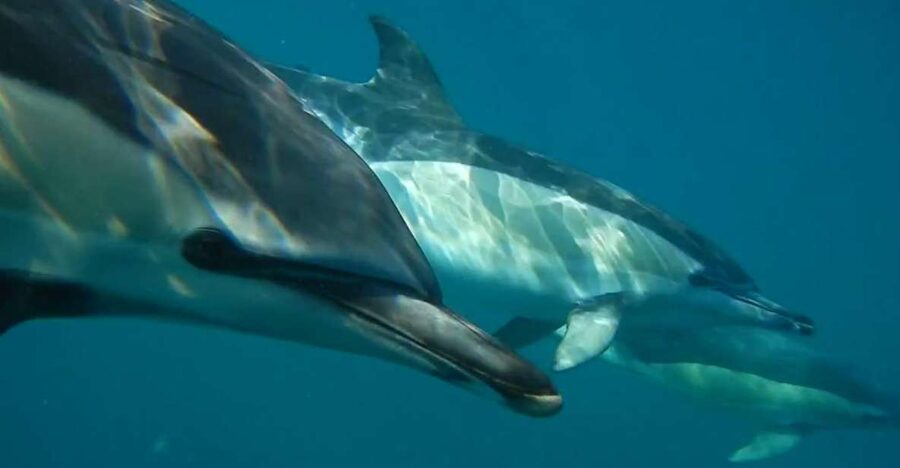
Lisbon’s dolphins are close enough to feel real. I love the marine biologist onboard approach, and I also like that you’re on a smaller, fast boat instead of a floating crowd. The one drawback to plan for is simple: dolphin sightings are wild and not guaranteed, even though the local partner reports a 97% chance.
What makes this stand out is the mix of science and scenery. You start near Alcântara, head out from Doca de Santo Amaro, then scan the water while guides explain what you’re seeing and why the boat keeps its distance. Some guides, like Bart, Sid, Lunor, and Sarah, are named in guest feedback, and they tend to run the trip with a safety-first, wildlife-respect mindset.
There’s also a practical side. It is a speedboat day, so you will likely feel wind and spray, and you should bring a jacket. If you get seasick easily, plan for that too, because the ocean can be choppy even when the route looks calm from shore.
In This Review
- Key highlights I’d bookmark
- Getting Started at Doca de Santo Amaro, Gate 3
- The Speedboat Ride: What “Fast and Comfortable” Means in Real Life
- Finding Dolphins With a Marine Biologist on the Water
- Scenic Stops From the Water: São Lourenço do Bugio and More
- Cascais Connection: What You See at JJ85+VG
- Belém and the Discoveries: Lisbon’s Monuments, Viewed From the River
- Value for $76: Why the Price Makes Sense (When It Works)
- Who This Tour Suits Best, and Who Should Rethink It
- My Booking Advice: Choose the Clear-Day Mindset
- FAQ
- Where is the meeting point for the tour?
- How long is the dolphin watching experience?
- Is dolphin viewing guaranteed?
- What is included in the price, and what is not?
- What languages will the tour guide speak?
- What should I bring with me?
- What items are not allowed during the tour?
- Who is this tour not suitable for?
Key highlights I’d bookmark
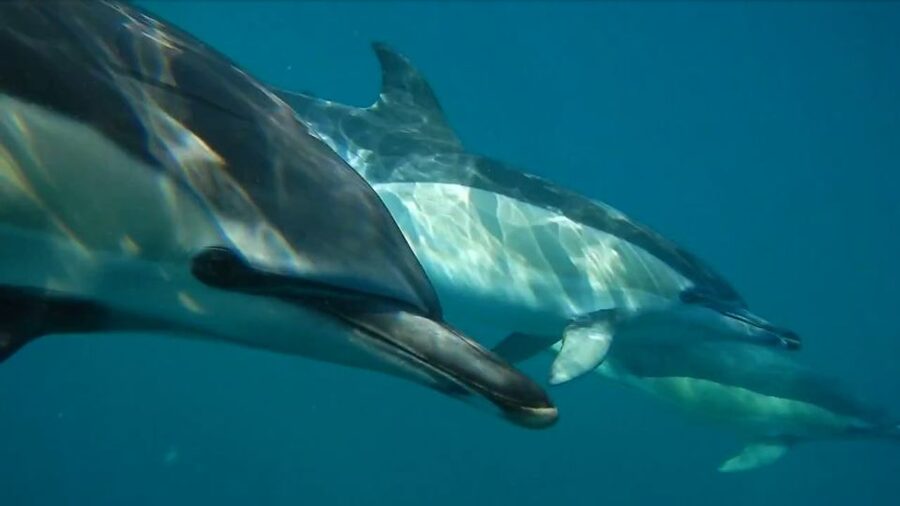
- Marine biologists on board who explain dolphin and seabird behavior as you look
- Wildlife viewing with distance in mind, designed to be less invasive
- Fast, comfortable RIB speedboat ride for reaching the best spotting areas quickly
- Coastal sightseeing that includes the Fort of São Lourenço do Bugio and the Bugio Lighthouse area
- Uncrowded feel that many people prefer for a calmer dolphin-viewing session
Other dolphin boats out of Lisbon we have ridden
- Lisbon: Tagus River Cruise to the Ocean & Dolphin Watching★ 4.0 · 3,019 reviews
- Lisbon: Dolphin Watching with Marine Biologist★ 4.9 · 1,853 reviews
- Lisbon: Dolphin Watching with Marine Biologist – Small Group★ 4.9 · 867 reviews
- Lisbon: Dolphin Watching with a Marine Biologist – Ocean Safari★ 5.0 · 812 reviews
Getting Started at Doca de Santo Amaro, Gate 3
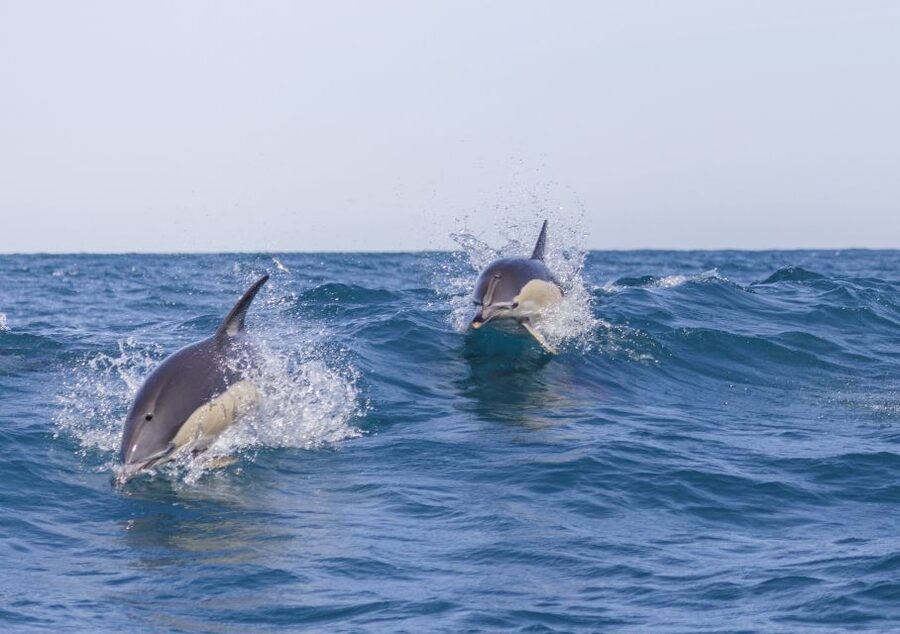
Your day begins at SeaEO Tours – Sea & Estuary Odyssey on Doca de Santo Amaro, Gate 3. The easiest reference point is the dock under the big red bridge, with the Alcântara neighborhood right in front of the riverside. If you’re navigating by phone, it helps to use the location described for the dock, not a random pin that sometimes drifts a bit.
Once you’re at the meeting point, the flow is pretty clear: you get outfitted with lifejackets and you hear a safety briefing before you head out. This matters more than people think. On a speedboat trip, a quick, calm safety routine helps everyone feel relaxed when you hit the wind.
You’ll also be contacted about 24 hours before the tour on your mobile phone. That tip is useful because it reduces last-minute stress, especially if you’re moving around Lisbon by foot and public transport.
The Speedboat Ride: What “Fast and Comfortable” Means in Real Life
This tour runs on a fast rigid inflatable boat (RIB). Translation: you cover ground quickly, which is exactly what you want for searching dolphins, because sightings can be brief and the animals can move.
Most of what people praise comes from the ride style itself. The boat is described as safe, fast, and comfortable, and you’ll also have crew support to help you settle in. The big practical note from real-world feedback is that the boat is small, so when the sea gets rough, it can feel a bit bumpy. If your back is sensitive, or you’re someone who hates jolts, take that seriously.
Also plan for temperature. Even in warmer months, it can feel chilly once you’re out on open water with wind in your face. A jacket is not optional in spirit, it’s part of the gear list. In feedback, people repeatedly say to bring warm layers, and I agree.
Finding Dolphins With a Marine Biologist on the Water
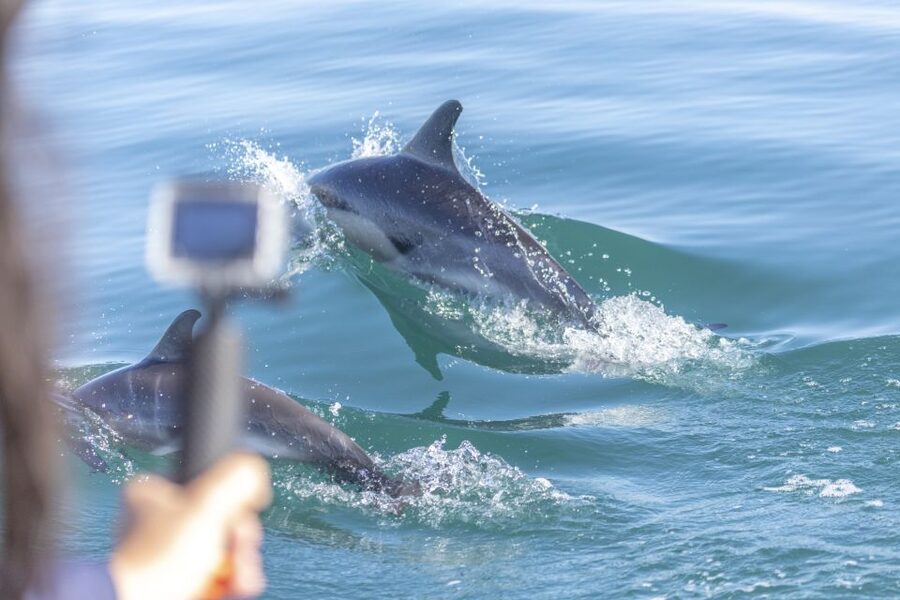
Once you reach the ocean from Lisbon, the trip shifts into spotting mode. The marine biologist onboard helps you identify species and explains what you’re seeing, including dolphins and seabirds, and sometimes other marine wildlife like sea fish, sharks, jellyfish, or sea-turtles. The experience is built around the idea that the more you find, the more the outing feels like a real field trip, not just a drive-by dolphin show.
The core skill here is scanning. You are literally out there looking across the water surface while the crew and guide coordinate where to go next. It sounds simple, but it’s why this style of tour works. When the search is done with intent, sightings happen faster, and you spend more time watching.
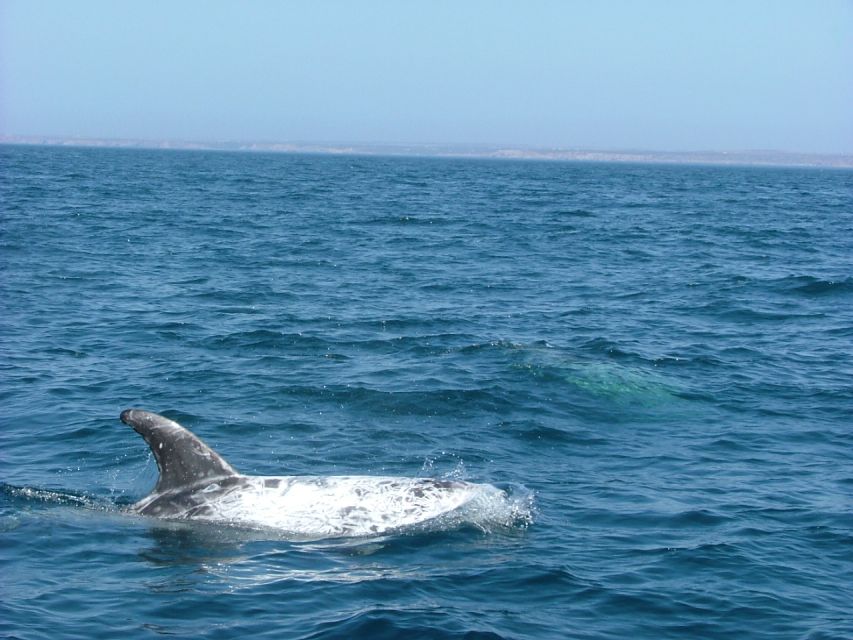
A lot of guest feedback points to close viewing without crowding. People mention the boat keeping distance so it is less stressful for dolphins, and still getting moments where dolphins swim alongside or come up near the RIB out of curiosity. That combination, distance plus connection, is the sweet spot if you care about wildlife ethics and also want memorable photos.
One important reality check: dolphins are wild. The local partner reports a 97% chance of sightings, but nature still decides the final outcome. So if you’re booking expecting a guaranteed dolphin close-up, you’ll be disappointed. If you’re booking for the search, the marine learning, and the chance to see dolphins in their habitat, you’ll likely be thrilled either way.
Scenic Stops From the Water: São Lourenço do Bugio and More
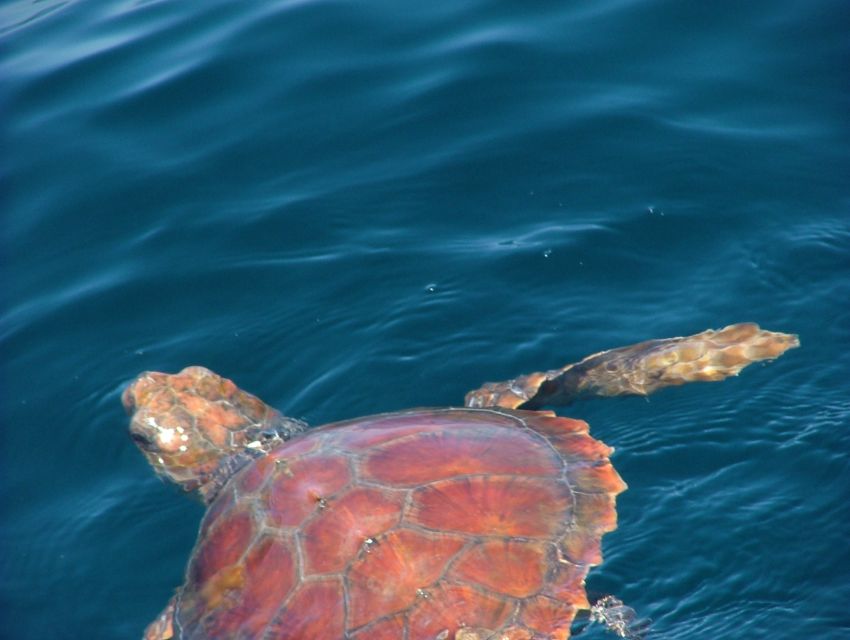
This is not just an ocean search. The route includes classic views that help you feel why Lisbon sits where it does.
After leaving the city area, you move toward the Fort of São Lourenço do Bugio area. That stop is framed as sightseeing plus sailing, and it’s where the coastline becomes part of the story. You also get the chance to see Bugio Lighthouse from the water. Even if you have seen Lisbon postcards before, seeing that stretch from the sea changes your scale. The city looks less like buildings and more like a coastline shaped by water, wind, and history.
From a practical standpoint, this kind of scenic segment does two things for you. First, it breaks up the day so you do not sit in pure waiting mode. Second, it helps you stay engaged when the ocean search takes time. In feedback, dolphin finding can take a bit longer sometimes, and having coast views and route narration helps those minutes feel useful rather than wasted.



Cascais Connection: What You See at JJ85+VG
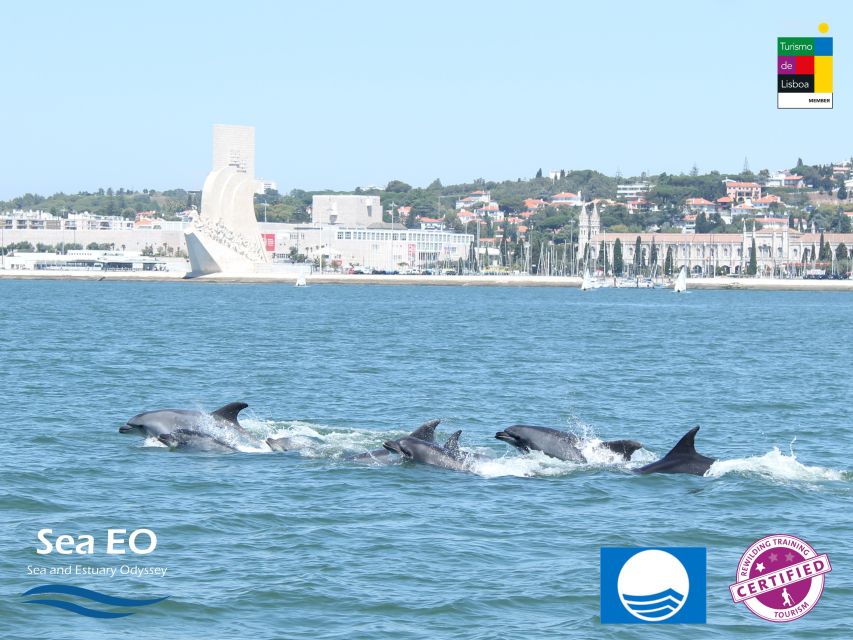
The tour also passes through the Cascais area, referenced as JJ85+VG in the route notes. People are not going out there just to say they visited Cascais. The value is the perspective shift, because you’re viewing the coast from a moving boat, which means cliffs, shorelines, and light behave differently than they do from land.
The Cascais portion is guided and includes sailing and wildlife viewing. That last part matters. Even when dolphins are not right in front of the boat, you are still out in marine territory with the chance to spot seabirds and other ocean life. It is a more “stay alert” experience than a purely destination-based one.
And yes, speed helps. The RIB style lets the crew reposition quickly if they spot activity. That is one reason smaller boat trips often outperform bigger vessels for animal encounters.
Belém and the Discoveries: Lisbon’s Monuments, Viewed From the River
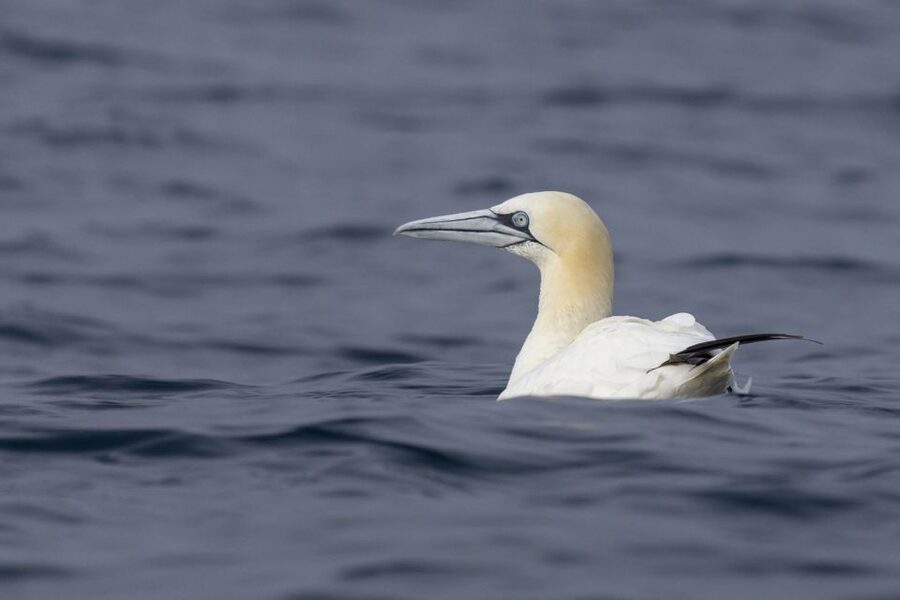
On the way back toward Lisbon, you get a run of landmark views from the water. The route notes mention views of the Monument to the Discoveries, the Jerónimos Monastery, and the Tower of Belém. You also have a short on-foot stop at Belem Tower for about five minutes.
This is the part many people appreciate because it connects the wildlife morning or afternoon to Lisbon’s bigger identity. Dolphins are a living story. Belém is the human story tied to Lisbon’s relationship with the sea. Seeing both in one outing helps the day feel complete, not like a random half-day activity.
That said, the on-land stop is short. You should treat the Tower of Belém moment as a quick photo and orientation break, not as a museum visit. If you want to linger, you’ll need a separate plan for Belém’s interior sites later.
Value for $76: Why the Price Makes Sense (When It Works)
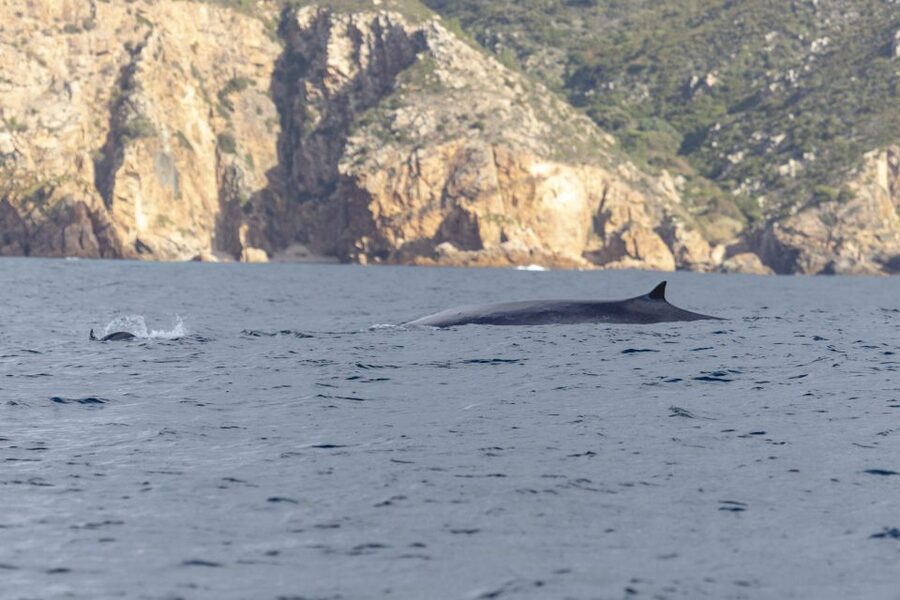
At $76 per person for about three hours, you’re paying for three things at once: time on the water, expert guidance, and the safety infrastructure that lets you do it properly. The included items listed are marine biologist guidance, crew, lifejackets, insurance, taxes, and fuel. Those are not tiny add-ons. This is not “just a boat ticket” pricing.
The best value shows up when the search goes well. When you spot dolphins quickly and you get extended viewing time, you feel like the trip delivered everything it promised: fast boat, close observation, and real explanations from someone who studies marine life.
Even when sightings are slower, the day still has structure. You’re not trapped in a long sit with no activity. You have route scenery, guided context, and the chance to see other marine life. That’s why the price feels fair to many people.
Who This Tour Suits Best, and Who Should Rethink It
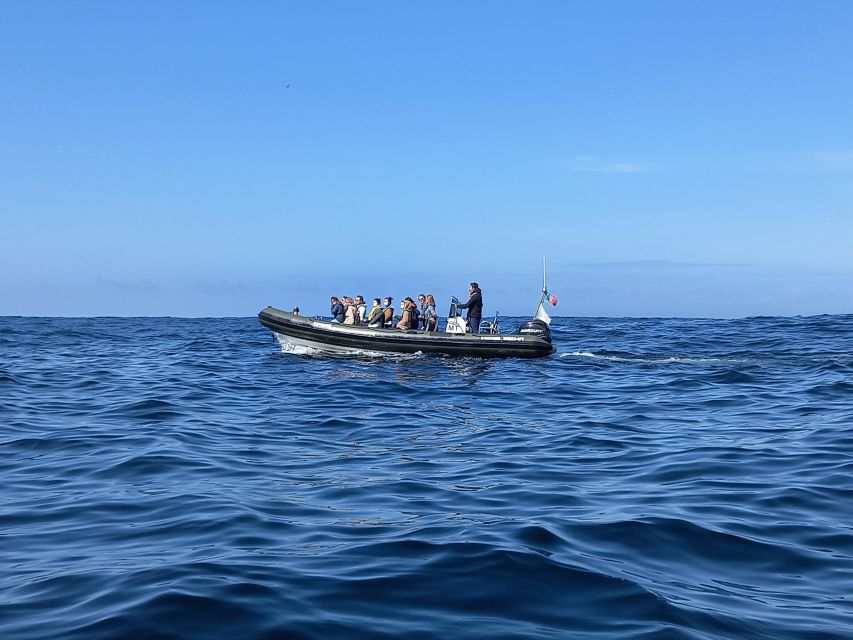
This is a strong fit if you want a less crowded, more intentional dolphin experience. It is also ideal if you like learning while you watch rather than reading a brochure later.
It is also a good match for adults and teens who can handle a boat ride in wind. In feedback, people call out that the boat is small and the ocean can be bumpy. If you are sensitive to that, you might want to choose a calmer alternative.
It is not suitable for:
- Children under 5
- Pregnant women
- People with severe back problems
- People with mobility impairments
- Wheelchair users
If any of these apply, it is worth skipping rather than hoping you’ll be fine.
Also note the rules: no smoking, no alcohol or drugs, no littering, no feeding animals, and no touching marine life. The last one is essential. You cannot “help” dolphins. You can only observe.
My Booking Advice: Choose the Clear-Day Mindset
If you’re deciding whether to book, I’d choose based on two things: your tolerance for wind and your attitude toward wild animals.
If you like fast, energetic boat rides and you pack a jacket, this can be a top Lisbon memory. If your idea of a perfect day is fully sheltered sightseeing with no spray, you may find the RIB ride less comfortable.
Dolphin sightings are not guaranteed, but the local partner reports a 97% chance. I’d treat that as high odds, not a promise. When dolphins do show up, the viewing feels special because you are not chasing them with mass tourism energy. You are out there with a plan, and the crew handles the search with care.
So should you book? Yes, if you want marine science plus coastal Lisbon views in one half-day, and you’re comfortable with the ocean factor. Skip if you need a guaranteed dolphin sighting, or if your body will not handle speedboat motion.
If you do book, go prepared, bring layers, and bring patience. This is a tour where the best moments happen when you stay focused and let the sea do its work.
FAQ
Where is the meeting point for the tour?
The departure is from Doca de Santo Amaro, Gate 3. The dock under the big red bridge is the best reference point, and Alcântara is in front of the riverside.
How long is the dolphin watching experience?
The duration is 3 hours.
Is dolphin viewing guaranteed?
No. Dolphins are wild animals, so sightings cannot be guaranteed. The local partner reports a 97% chance of sightings on the tour.
What is included in the price, and what is not?
Included are the marine biologist tour guide, crew members, lifejackets, insurance, taxes, and fuel. Not included are transfer from your hotel, plus food or water.
What languages will the tour guide speak?
The live tour guide is offered in Portuguese, English, French, Italian, and Spanish.
What should I bring with me?
Bring comfortable shoes, a camera, sunscreen, a jacket, and comfortable clothes.
What items are not allowed during the tour?
High-heeled shoes are not allowed, and you cannot smoke, bring alcohol or drugs, litter, feed animals, or touch marine life.
Who is this tour not suitable for?
It is not suitable for children under 5 years, pregnant women, people with severe back problems, people with mobility impairments, or wheelchair users.
Dolphin Boats Out of Lisbon, Other Trips

Newly added around Lisbon
- Lisbon: Street Art Walk
★ 5.0 · 79 reviews - From Lisbon: Nazare Big Waves and Óbidos Guide Day Trip
★ 4.7 · 79 reviews - Small Group Walking Tour of Belém
★ 4.9 · 80 reviews - Lisbon: Regaleira, Sintra, Cape Rock & Cascais Day Trip
★ 4.6 · 80 reviews - Lisbon: Evening Local Food Crawl with Drink Pairings
★ 4.6 · 80 reviews - From Lisbon: Sintra and Portuguese Coast Private Day Tour
★ 5.0 · 80 reviews - Lisbon: Authentic Fado Show, Dinner and Night Tour
★ 4.6 · 80 reviews - Golden Hour Boat Tour – Sailing by the Monuments with Wine
★ 5.0 · 81 reviews - Hard Rock Cafe Lisbon with Set Lunch or Dinner
★ 4.0 · 81 reviews - Fado Musical Experience with Portuguese Wine & Appetizers
★ 4.5 · 81 reviews
Other boats, other operators: Dolphin Watching.
 ★ 4.6Albufeira: 2.5-Hour Benagil Caves & Dolphin WatchingFrom $4010,710 reviews
 ★ 4.6Albufeira: Benagil Caves & Dolphin Watching Speed Boat TourFrom $406,316 reviews
 ★ 4.5From Funchal: Ecological Catamaran Dolphin Whale WatchingFrom $405,771 reviews
 ★ 4.5Funchal: Dolphin and Whale Watching Catamaran CruiseFrom $415,697 reviews
 ★ 4.7Albufeira: Dolphin Watching and Benagil CaveFrom $345,658 reviews
 ★ 5.0Dolphins Search and Benagil Caves from AlbufeiraFrom $364,814 reviews
 ★ 4.7From Ponta Delgada: Whale and Dolphin Watching TripFrom $824,109 reviews
 ★ 4.8Portimão: Benagil Caves & Dolphins Watching with BiologistFrom $473,795 reviews
Filed under