
REVIEW · HISTORICAL TOURS
Lisbon: Jewish History Tour of Lisbon
Lisbon hides Jewish stories in plain sight. This 3-hour walk connects Praça do Comércio with the tour’s Exodus origin theme, then shifts you into Alfama to see how medieval segregation shaped everyday life. I like that it also ties Portugal’s Jewish legacy to later chapters, including the 1940s refugee passage story.
One thing to keep in mind: you will spend a lot of time on place names and oral history, not on dramatic surviving monuments. If you are hoping for lots of visible artifacts, you may feel a little disappointed, even though the guides work hard to make the vanished community real.
In This Review
- Key takeaways before you go
- A 3-hour route that tracks Jewish Lisbon, block by block
- Starting at Praça do Comércio, where the Exodus story begins
- Praça do Município, Rua do Comércio, Casa dos Bicos, and Ribeira as your city link
- Baixa and forced conversions, learning the pressure behind the headlines
- Alfama and the medieval judiaria, segregation explained by geography
- Rossio and the 1506 Pessah massacre, using public squares to frame tragedy
- Mouraria, the Resistance Museum, and the 1940s refugee passage story
- Casa dos Bicos, Rua do Comércio, and the hidden layers you might miss on your own
- What you are really paying for: story, context, and a guide who can answer questions
- Pace, walking, and how to stay comfortable on the day
- Value at $106 per person: private guiding in three focused hours
- Who this Lisbon Jewish History Tour fits best
- Should you book this Lisbon Jewish History Tour?
- FAQ
- Where is the meeting point for the tour?
- How long is the Lisbon Jewish History Tour?
- What languages is the tour offered in?
- What is included in the $106 per person price?
- Is food or drinks included?
- What should I bring?
Key takeaways before you go
- Praça do Comércio as the starting pivot for Lisbon’s Jewish story line, before you head into older neighborhoods
- Alfama’s streets mirror medieval rules, with segregation described through the way the quarter was set up
- Baixa focuses on forced conversion and what that meant in public life
- Rossio brings the 1506 Pessah massacre into focus, using key city locations to frame the event
- Mouraria and the Resistance Museum route link medieval history to the 1940s refugee passage story
- Private group walking tour keeps the pace adjustable, and questions welcome
Other centuries-deep routes through Lisbon we have joined
- Lisbon: History, Stories and Lifestyle Walking Tour★ 4.8 · 10,902 reviews
- Lisbon: Live Fado Show with Port Wine in Historic Center★ 4.7 · 4,166 reviews
- Lisbon: Fado Show with Wine in a Historic Venue★ 4.8 · 1,294 reviews
- Explore Lisbon by Tuk Tuk: History and Viewpoints★ 5.0 · 840 reviews
A 3-hour route that tracks Jewish Lisbon, block by block
This is a private, English or Portuguese guided tour that lasts about three hours, designed to show you the “map” of Jewish presence across Lisbon’s major historic areas. The route centers on Castle Hill, Alfama, and Baixa, with walking that stitches together the places where Lisbon’s Jewish community lived, changed, and was often forced to adapt.
What makes it work is how the guide uses key moments to turn street corners into history lessons. You start in the grand open space of Praça do Comércio, then move into the older, tighter streets of Alfama and the central commercial geometry of Baixa. By the time you reach Rossio, the story is no longer only about medieval Lisbon. It’s about how power and fear kept repeating, and how communities survived by moving, hiding, converting, leaving, and remembering.
If you like history that feels grounded in real neighborhoods, this tour is a strong fit.
Starting at Praça do Comércio, where the Exodus story begins
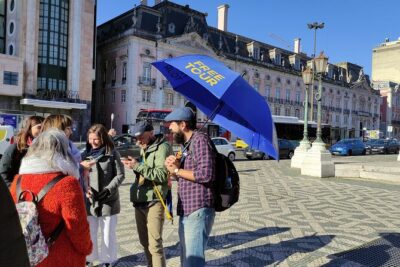
You meet at Praça do Comércio, looking for the guide under the big triumph arch. Your guide will be wearing an orange backpack or a Totebag with the Lisbon Walker logo.
This stop is more than a convenient landmark. It sets the tone: the tour frames the Jewish story in Lisbon through themes like origins, movement, and survival. One of the highlights is Praça do Comércio as the tour’s connection to the Exodus origin theme. Even if you do not see physical evidence of the old community here, you get the narrative anchor early, and the rest of the walking route starts making sense as part of a timeline, not just random sightseeing.
Practical tip: Praça do Comércio is open and bright. If you are sensitive to sun, bring water and plan for a quick early breather before you start walking into narrower streets.
Praça do Município, Rua do Comércio, Casa dos Bicos, and Ribeira as your city link
After Praça do Comércio, the walk connects through Praça do Município and Rua do Comércio, then onward toward Casa dos Bicos and the Ribeira area. Even without deep “stop-and-stare” monuments at every corner, these places help you understand Lisbon as layered, rebuilt, and repurposed over time.
Casa dos Bicos is especially useful in a tour like this because it gives you a visual waypoint in the central city while the guide explains the larger Jewish and New Christian context. Ribeira adds another flavor of Lisbon: water nearby, old routes of movement, and a sense of the city as a crossroads.
I like that this part of the itinerary keeps you oriented. You are not just walking from “point A” to “point B.” You are learning how the neighborhoods relate to each other, which is the difference between a tour you enjoy and a tour you can still remember a week later.
Baixa and forced conversions, learning the pressure behind the headlines
The tour’s Baixa portion focuses on the realities of forced conversions and what they did to community identity. Baixa is Lisbon’s central stage: churches, commerce, streets where public life concentrated. That matters, because the story here is not only about faith. It is about control, visibility, and how people lived under pressure.
One theme that comes up clearly through the tour structure is how Jewish life in Lisbon did not only face expulsion threats or violence. It also faced legal and social mechanisms that pushed people to convert and then navigate suspicion afterward.
A helpful expectation to set for yourself: you may not see lots of surviving synagogue-era objects. You are seeing the city where those rules were enforced and where people had to adapt. That can feel abstract until your guide connects it to a specific place name and a historical moment.
If you want history that explains why the city looks the way it does, Baixa is the part that pays off.


Alfama and the medieval judiaria, segregation explained by geography
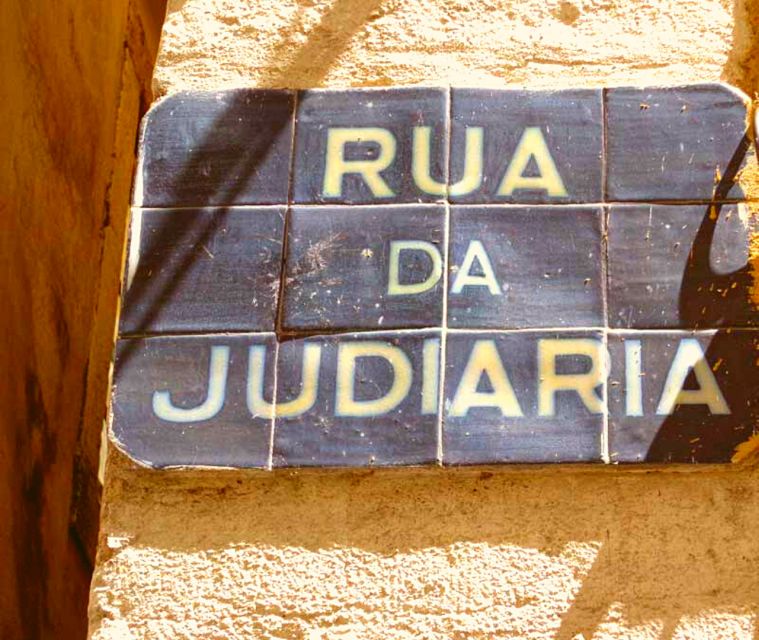
Alfama is the neighborhood where this tour really gains emotional weight. This is where you get the Alfama Jewish quarter story and how medieval segregation shaped daily life. The tour highlights the medieval segregation angle, which is a big deal because it turns “ghetto” ideas into something you can picture.
Alfama is also the part of Lisbon where walking feels like stepping into another pace of life. The streets are narrow. The views open and close. Corners make you slow down. That physical feel helps the guide’s explanations land.
From the reviews, one repeated idea comes through: even when the physical remains are limited, the guides succeed at making the human story feel present. People came away with the sense that Lisbon’s Jewish community legacy still matters in Portuguese culture and memory, even if you cannot easily point to artifacts on the street.
If you do this tour in warm weather, Alfama can also feel warmer because of the street layout. Wear comfortable shoes and plan to take your time on the turns.
Rossio and the 1506 Pessah massacre, using public squares to frame tragedy
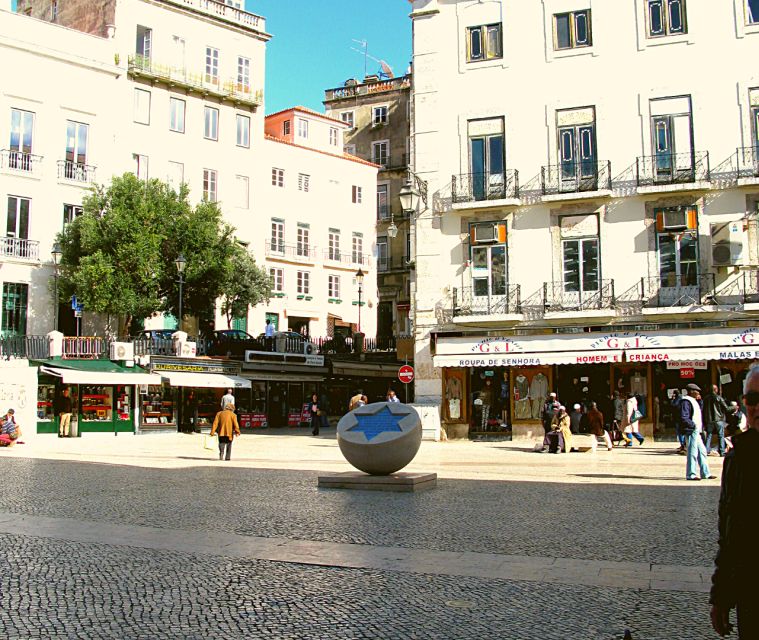
Next comes Rossio, where the tour highlights the 1506 Pessah massacre. Rossio is one of Lisbon’s most recognizable squares, and that helps. When a guide anchors a major tragedy to a high-visibility city center, it is harder for the story to feel like something that happened somewhere else.
Rossio also connects your walking loop into the broader urban center. By now, you have already heard about segregation and forced conversions. You have the idea of pressure and public control. The Rossio stop puts that framework into a specific historical event tied to the Jewish calendar and community life.
A quick note for your expectations: like other parts of the tour, this is not built around piles of surviving evidence. It is built around context, location, and the guide’s ability to tell the story clearly.
Mouraria, the Resistance Museum, and the 1940s refugee passage story
The itinerary continues through Mouraria and includes a Resistance museum stop. This matters because it bridges the gap between medieval Lisbon and the later 20th-century Jewish story line the tour wants you to understand.
One of the highlights you get to hear about is the 1940s passage of refugees, linked to World War II-era escape routes. The tour frames this as a continuation of Lisbon’s role in wider Jewish diaspora movement, including people traveling across the Atlantic and beyond.
Mouraria also has a reputation as a neighborhood of layered cultures, and it fits well with this tour’s theme of migration and survival. Even when you cannot “see” history carved in stone, the city’s changing neighborhoods help you imagine how stories moved across Lisbon.
If you like your history to include how real people coped with real danger, this part of the walk is often the one that lingers.
Casa dos Bicos, Rua do Comércio, and the hidden layers you might miss on your own
In a city as full of monuments as Lisbon, it is easy to look at the main facade and miss the smaller story. A standout detail from guide-led experiences: Jose took a group to see hidden Roman remains and churches in the tour flow.
That is the kind of add-on that makes a walking tour feel special. You leave with two gifts: the Jewish history through the lens of Portuguese culture and the city’s broader ancient layering. You are basically learning how to read Lisbon with better eyes.
Also, because this is a private group, the guide can adapt to your time and your starting point. If you are trying to fit Lisbon into a tight schedule, this flexibility can be a real value.
What you are really paying for: story, context, and a guide who can answer questions
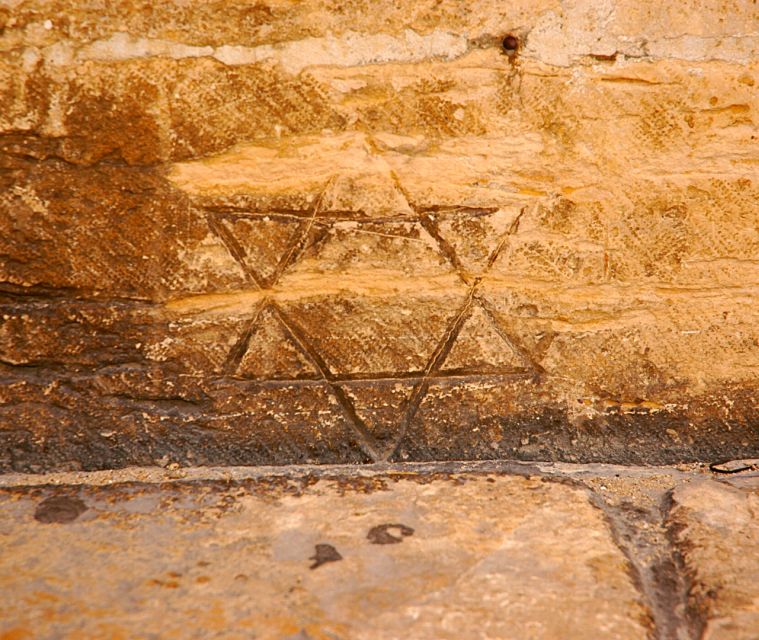
The most consistently praised part of this tour is the quality of the guide. People specifically highlighted guides like Jose, Filipa, Rita, Sofia, Jorge, and José Antunes for keeping the group engaged and for answering questions.
What I take from those comments is simple: this tour leans on interpretation. Physical landmarks of medieval Lisbon’s Jewish community are limited. That is not a flaw of the tour, but it changes what you should look for. You are paying for a guide who can connect:
- major sites and neighborhood layouts
- medieval segregation and forced conversion themes
- key historical events like the 1506 Pessah massacre
- the later Jewish refugee passage story in the 1940s
In other words, you are buying understanding, not souvenirs.
One review even pointed out that the lack of physical remains should be described more clearly up front. I agree with that caution. If you know that ahead of time, you will enjoy the tour more because you will judge it on how well it teaches and not on how much it shows.
Pace, walking, and how to stay comfortable on the day
This is a walking tour with a fair amount of walking through central districts and hill-adjacent areas. At the same time, some people noted the route required minimal hill climbing, while others mentioned the distance adding up.
So here is the practical way to plan: bring comfortable shoes. Bring water if it is warm. Leave a little time for rests, especially if you have mobility limits. The private format helps because your guide can adapt the pace to your group.
Timing-wise, it is a good single-day add-on if you want to understand Lisbon beyond the usual postcards. You get a structured route in three hours, which means you can still enjoy the rest of your day at your own pace.
Value at $106 per person: private guiding in three focused hours
At $106 per person, the value depends on what you want from your Lisbon day. You are not paying for transport, hotel pickup, or meals. The price specifically covers the 3-hour guided tour.
That actually makes the math easier. If you like walking, and if you want someone to connect neighborhood geography to Jewish history in Portugal, paying for a dedicated guide is often worth it. You also get English or Portuguese, and the tour is a private group, which usually means fewer awkward pauses and more chances to ask questions.
If your goal is to see a lot of preserved synagogue-era material, the tour may feel like less of a bargain because physical artifacts are limited. But if your goal is clarity and context, the guide-centered format is exactly what you are paying for.
Who this Lisbon Jewish History Tour fits best
This tour is a great match if you:
- want a single-day overview of Jewish history across medieval and later Lisbon
- like neighborhood-focused storytelling, not only museums
- enjoy asking questions and getting direct answers
- care about Lisbon’s role in wider diaspora movement, from the Atlantic to the Mediterranean and beyond
It is also a good choice for travelers who want a more human approach. The story is guided, but it is also geographic. You see where things happened, then hear what those places meant.
If you strongly prefer places with lots of surviving artifacts, do read the situation carefully. You are going to be relying on the guide’s explanations, not a trail of tangible objects.
Should you book this Lisbon Jewish History Tour?
Yes, if you want a structured, guided walk that helps you read Lisbon through Jewish history from medieval themes like segregation and forced conversion to later stories like the 1940s refugee passage. It is reasonably priced for a private, three-hour guide, and the repeated praise for guides like Jose and Filipa is a good sign that you will get strong storytelling and room for questions.
I would hesitate only if you are traveling with a strict “show me the artifacts” mindset. The tour’s power is interpretive, anchored in place names and a city’s geography. If you are happy with that style, you will likely leave with a clearer, more connected understanding of Lisbon and Portugal.
FAQ
Where is the meeting point for the tour?
Meet at Praça do Comércio, look for the guide under the big triumph arch. The guide will be wearing an orange backpack or a Totebag with the Lisbon Walker big logo.
How long is the Lisbon Jewish History Tour?
The guided portion is about 3 hours.
What languages is the tour offered in?
The tour is available in English and Portuguese.
What is included in the $106 per person price?
The price includes the 3-hour guided tour.
Is food or drinks included?
No. Food and drinks are not included.
What should I bring?
Bring comfortable shoes for walking.
Other Days Out Around Lisbon



Centuries-Deep Routes Through Lisbon



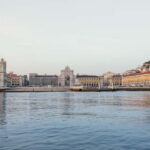
Newly added around Lisbon
- Lisbon: Street Art Walk
★ 5.0 · 79 reviews - From Lisbon: Nazare Big Waves and Óbidos Guide Day Trip
★ 4.7 · 79 reviews - Small Group Walking Tour of Belém
★ 4.9 · 80 reviews - Lisbon: Regaleira, Sintra, Cape Rock & Cascais Day Trip
★ 4.6 · 80 reviews - Lisbon: Evening Local Food Crawl with Drink Pairings
★ 4.6 · 80 reviews - From Lisbon: Sintra and Portuguese Coast Private Day Tour
★ 5.0 · 80 reviews - Lisbon: Authentic Fado Show, Dinner and Night Tour
★ 4.6 · 80 reviews - Golden Hour Boat Tour – Sailing by the Monuments with Wine
★ 5.0 · 81 reviews - Hard Rock Cafe Lisbon with Set Lunch or Dinner
★ 4.0 · 81 reviews - Fado Musical Experience with Portuguese Wine & Appetizers
★ 4.5 · 81 reviews
Other boats, other operators: Historical Tours.
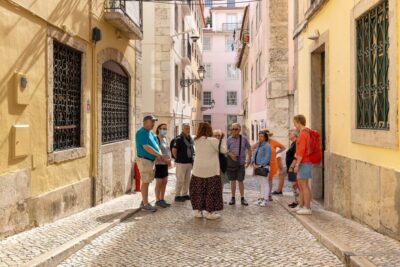 ★ 4.8Lisbon: History, Stories and Lifestyle Walking TourFrom $2910,902 reviews
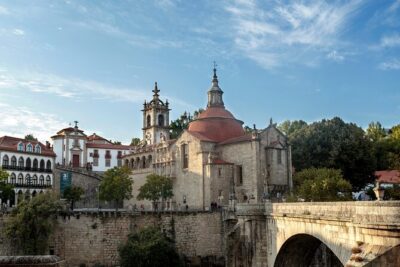 ★ 5.0Douro Valley: Historical Sites, Wine Experience, Lunch & CruiseFrom $1075,133 reviews
 ★ 4.7Lisbon: Live Fado Show with Port Wine in Historic CenterFrom $174,166 reviews
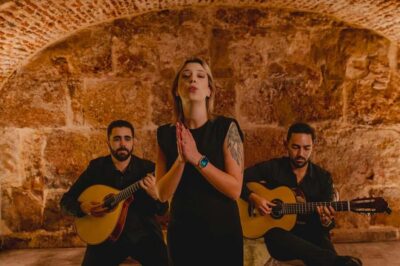 ★ 4.8Lisbon: Fado Show with Wine in a Historic VenueFrom $191,294 reviews
 ★ 4.7Porto: Historic City Center Walking TourFrom $331,172 reviews
 ★ 4.8Porto: An Intimate Fado Show in a Historical TavernFrom $211,093 reviews
 ★ 5.0Taste Funchal: food, wine & cultural tourFrom $112906 reviews
 ★ 4.8Porto: Historical Center Walking TourFrom $41898 reviews
Filed under