
REVIEW · WALKING TOURS
Lisbon: History, Stories and Lifestyle Walking Tour
Lisbon climbs, then rewards you with views. This 3-hour walk threads history and lifestyle together on hills you can actually feel, with stops that turn postcard angles into real context. You’ll cover classic neighborhoods like Bairro Alto and Alfama, then tie it all to the big moments that shaped Lisbon.
What I like most is the mix of sights and stories, not just buildings. You get major viewpoints like Miradouro São Pedro de Alcântara, plus signature landmarks along the way, including the Santa Justa elevator area, and you still make time for a practical break with coffee and cake.
One drawback to plan for: you will walk uphill and on uneven streets, with steps. Good news, the route includes frequent pauses and photo stops, but if you hate climbing at all, you’ll feel it.
In This Review
- Key highlights you will feel on this walk
- A 3-hour Lisbon sampler on hills, trams, and stories
- From Bairro Alto to Miradouro São Pedro de Alcântara
- San Roque Church: Jesuits, tiles, and a museum-like interior
- Down to Carmo: Gothic bones and the Carnation Revolution link
- Santa Justa and Baixa: the city’s grand rebuilding energy
- Tram ride to Portas do Sol: Tagus views, castle-area energy
- Alfama’s narrow streets: fado houses and St. Anthony festival culture
- Lisbon Cathedral at the finish: 1150 foundations and mixed styles
- Who should book this Lisbon walk, and who might skip it
- Should you book this Lisbon history, stories, and lifestyle tour?
- FAQ
- How long is the Lisbon history walking tour?
- What is included in the price?
- Is hotel pickup included?
- What main neighborhoods and landmarks do you visit?
- What languages are the live guides available in?
- Is there free cancellation?
Key highlights you will feel on this walk
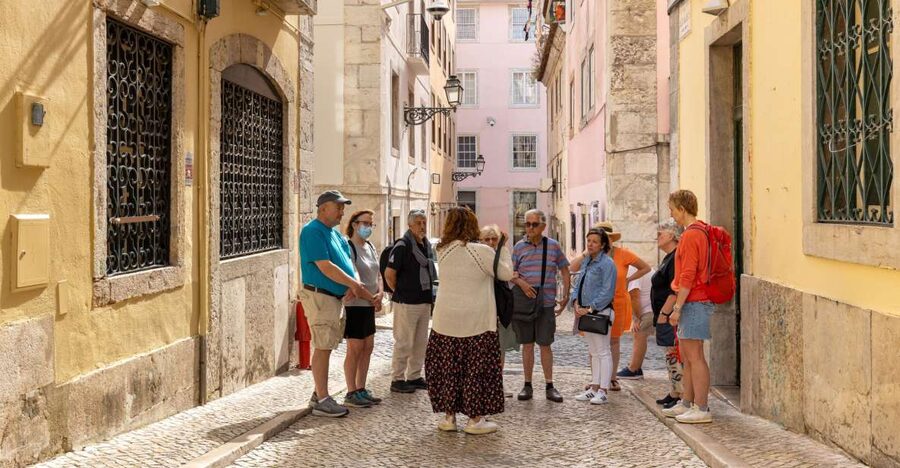
- Bairro Alto’s 16th-century streets, with context for how Lisbon shifted after the 1755 earthquake
- Miradouro São Pedro de Alcântara views over Baixa and the Tagus south bank
- San Roque Church, Jesuit-built, with austere exterior and richly decorated interiors
- Carmo Convent and Church, Gothic architecture and a direct link to the 1974 Carnation Revolution
- Santa Justa area and Baixa, where Lisbon’s grand rebuilding shows up in stone and angles
- Alfama for fado and St. Anthony festival culture, ending at Lisbon Cathedral from 1150
Other Lisbon calcada routes we have followed on foot
- Lisbon: History, Stories and Lifestyle Walking Tour★ 4.8 · 10,902 reviews
- Best of Lisbon Small-Group Guided Walking Tour★ 5.0 · 4,869 reviews
- Best of Lisbon Walking Tour: Rossio, Chiado & Alfama★ 4.9 · 2,700 reviews
- Age of Discoveries Walking Tour in Belém★ 5.0 · 1,513 reviews
A 3-hour Lisbon sampler on hills, trams, and stories
This is the kind of tour that helps you understand Lisbon fast, without rushing you through everything. You’re on foot for much of the time, then you switch gears with a Lisbon tram ride that turns “getting around” into part of the sightseeing.
I like that it focuses on the city’s big turning points, not just pretty streets. You start in the Bairro Alto area, then you work your way toward Baixa, cross into Alfama, and finish at Lisbon Cathedral. By the end, you can look at the city and know why the neighborhoods feel the way they do, where the views came from, and what changed after major historical shocks.
Price-wise, $29 for 3 hours is strong because it bundles the guide, the walking, the tram trip, and a food stop with coffee and cake. That means you are not paying extra for every small add-on just to make the route work.
From Bairro Alto to Miradouro São Pedro de Alcântara
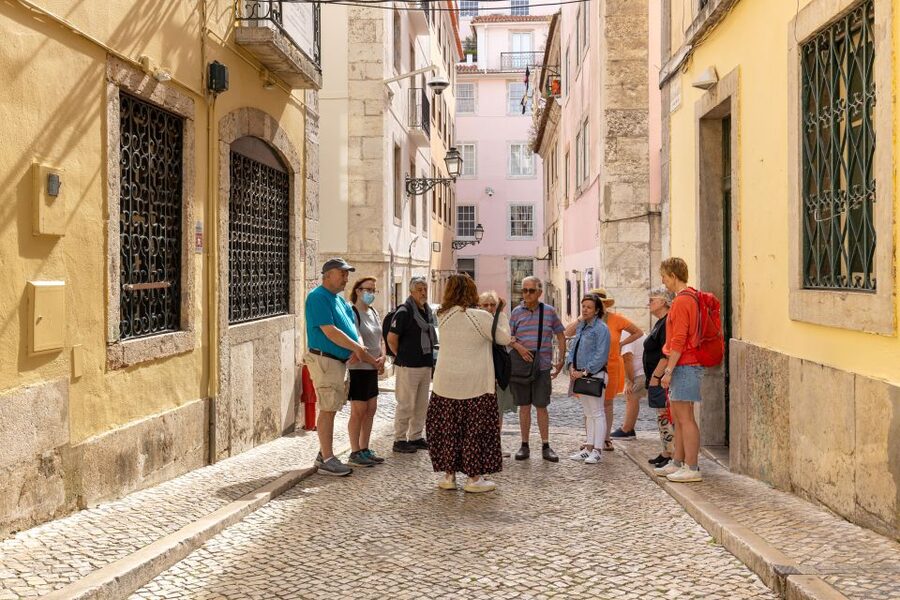
You begin in Bairro Alto, a district that dates back centuries, where the city’s layered growth is easy to see. The guide sets the scene by explaining how Bairro Alto evolved into a family-centered area after the 1755 earthquake, when people looked toward renewal and moved connections between districts. Even if you are not a history nerd, this framing helps you read the streets instead of just passing them.
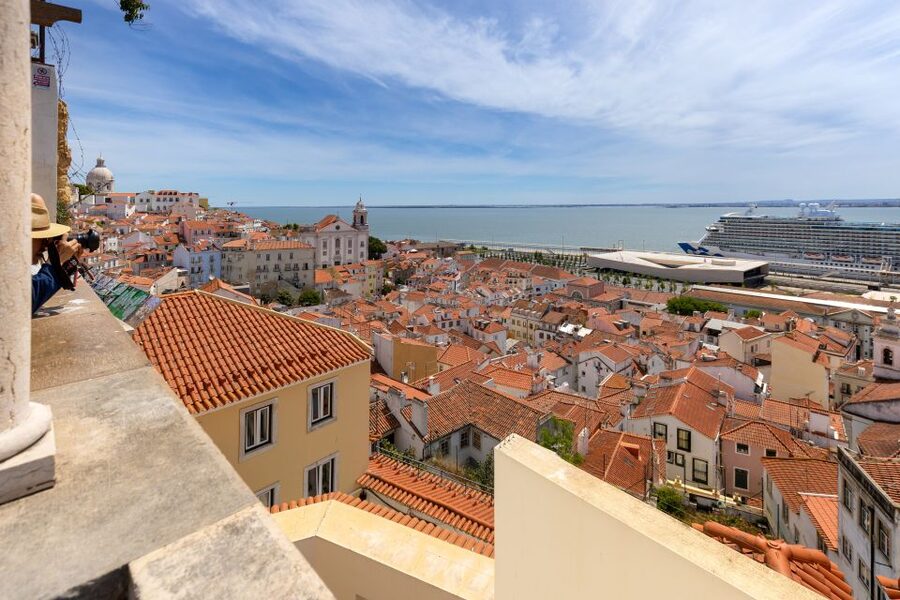
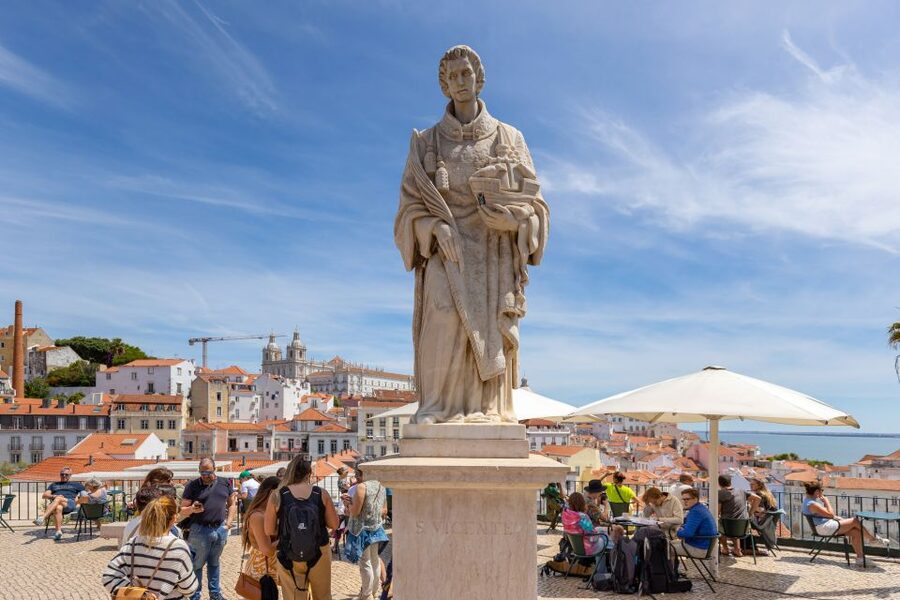
Next comes a classic Lisbon moment: the garden and viewpoint at São Pedro de Alcântara. Here you get wide angles across Baixa and toward the south bank of the Tagus. This is one of those spots where the city’s hills stop being a nuisance and start being the whole point. The views also help you connect the rest of your walk, because you can literally see where the city is heading.
Practical note: at viewpoints like this, you’ll want to keep your phone charged and your camera ready. Winds can pop up, and Lisbon’s light changes quickly, so you get the best photos by being ready when the group stops.
San Roque Church: Jesuits, tiles, and a museum-like interior
After the viewpoint break, the route shifts into more detailed architecture. You’ll see San Roque Church, built by the Jesuits. The exterior is described as austere, so you might walk in expecting restraint, then get hit with the interior’s design language.
Inside, you can admire gilding, tiles, and paintings that reflect Mannerist and Baroque styles. The value here is not that you are doing a formal “museum visit,” but that the guide helps you understand why the decoration feels the way it does and how it relates to the religious mission of the time. It’s Lisbon showing you art as communication.
If you love churches for their stories as much as their ceilings, this stop is a good anchor. If you usually rush through religious sites, take this one slower. Even a short look, when framed, makes it easier to notice the details that make this church memorable.
Down to Carmo: Gothic bones and the Carnation Revolution link
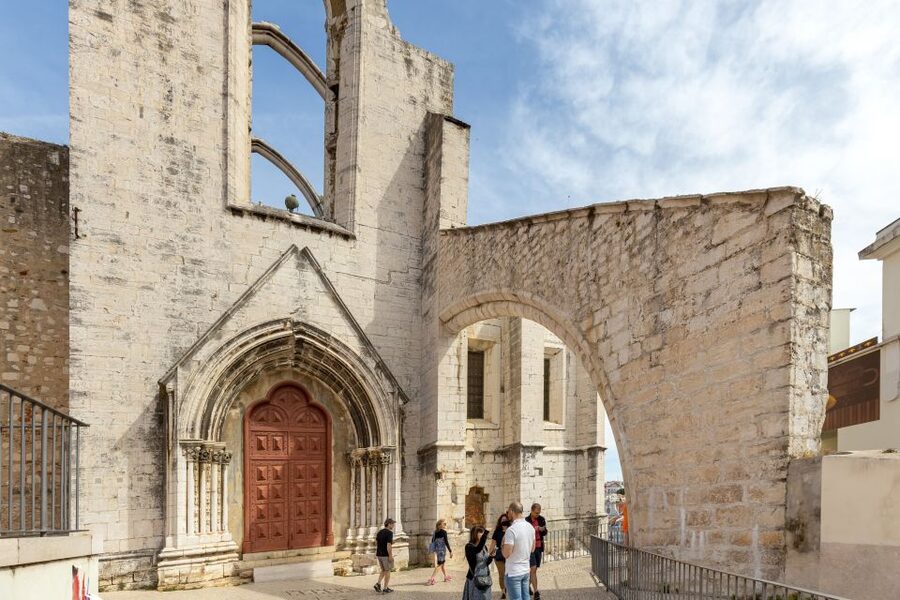
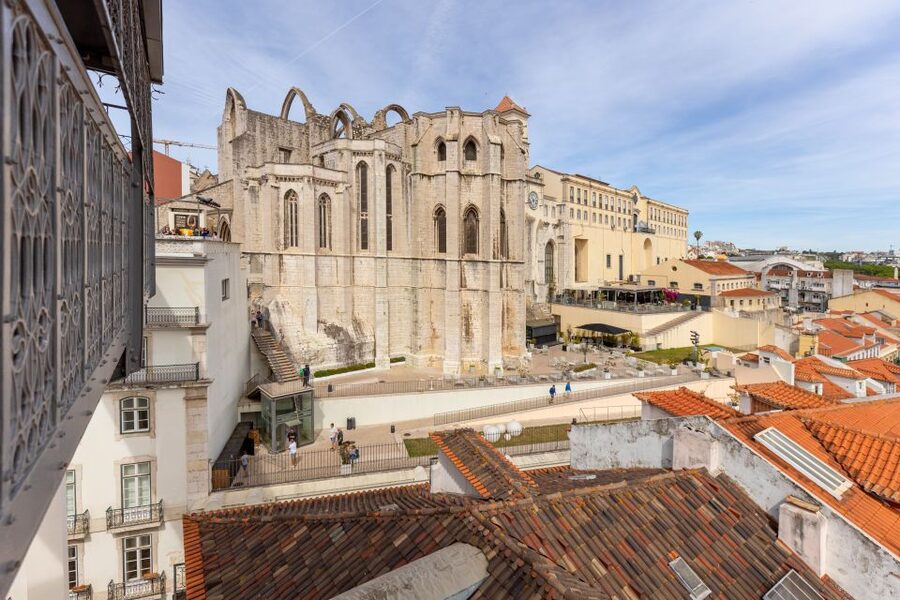
From higher streets, you head down toward the Carmo convent and church, known for Gothic architecture. The standout for most people is the strong sense of form, because Gothic design is built around structure and light.
What makes Carmo more than just an architectural stop is the historical tie to 1974, when the Carnation Revolution began. Ending a dictatorship is a big topic, but the tour approach makes it feel connected to place rather than a distant textbook event.
This is also a moment where you see how Lisbon blends eras. You’re not only looking at medieval or religious design. You are standing in a site that connects older Lisbon to modern political change. If you like “what happened here, right here,” this section is where you’ll feel it most.
Other centuries-deep routes through Lisbon we have joined




Santa Justa and Baixa: the city’s grand rebuilding energy
Next you arrive near Santa Justa elevator, an imposing monument in the Gothic Revival style. Even if you do not ride the elevator, you still get the benefit of its role as a viewpoint marker. It’s like a landmark that tells you, this is where the city gives you back the height you’ve been climbing.
From there, the walk goes into Baixa, Lisbon’s central heart. Baixa is useful because it shows the city’s planning and rebuilding approach, especially after the earthquake of 1755. When you look at the straight lines and the way streets funnel toward key points, you start to understand Lisbon’s shift from older, more irregular street patterns toward a more organized layout.
The guide typically uses these transitions to keep the story coherent. You see how one neighborhood’s character fits the next, rather than having each stop feel random. That’s the difference between a “sights list” and a real neighborhood walk.
Tram ride to Portas do Sol: Tagus views, castle-area energy
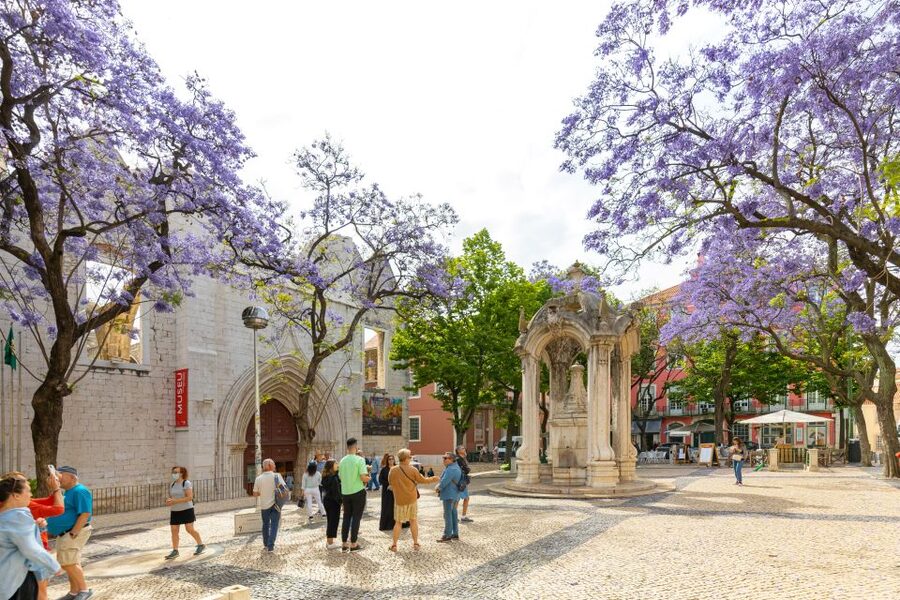
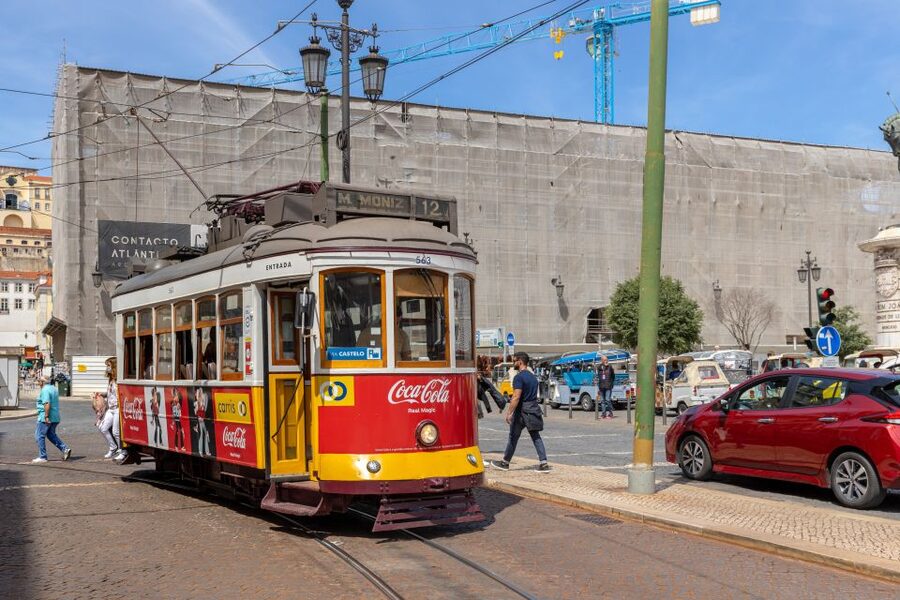
After a short break, the tour takes you onto an iconic Lisbon tram. This is not just a transportation tool. It’s part of the Lisbon identity, and it helps break up the hill walking with a slower, scenic ride.
You ride up from the castle area toward Portas do Sol. At Portas do Sol, you get a strong viewpoint again, this time with a different angle on the city and the Tagus. It’s a good reminder that Lisbon’s best views tend to show up at thresholds, where neighborhoods meet overlooks.
This stop also sets up the cultural layer of what’s coming next. You pass key monuments nearby, including the Monastery of São Vicente de Fora and the National Pantheon area. Those names matter because they signal Lisbon’s blend of religious legacy and national identity, and they help you make sense of why Alfama feels the way it does.
Alfama’s narrow streets: fado houses and St. Anthony festival culture
Alfama is the oldest and one of the most picturesque neighborhoods you’ll cover on this route, and it comes with a distinct vibe. The streets are narrow, the corners feel close, and it’s easy to see why Alfama is the home base for fado. If you want a practical way to understand fado culture, this is a smart neighborhood to do it in, because you’re walking the streets that shape the sound and the mood.
The tour also calls attention to saint festival traditions, especially St. Anthony. That matters in a city where religious and community life blend into the calendar. You’re not just hearing about history. You are seeing the type of place where festivals make sense.
A key advantage here is pacing. Because you already had your viewpoints earlier, Alfama can be about atmosphere and connection. You slow down naturally, and the narrow lanes create the kind of “local scale” that helps you understand why people keep returning to Lisbon’s oldest quarters.
Also, keep in mind that Alfama streets can be busy and sometimes slick. Wear shoes with real grip. This is not the time for delicate soles.
Lisbon Cathedral at the finish: 1150 foundations and mixed styles
The tour ends at Lisbon Cathedral, built in 1150, about three years after Lisbon was taken back from the Moors. That timeline gives you a clear “why” for the building, and it also helps you understand Lisbon as a place of layered change, not one single era frozen in time.
Over time, the cathedral experienced architectural changes and became a mix of styles. That mixture is what makes the site interesting if you like reading buildings like documents. It’s a visible record of shifts in taste, power, and rebuilding needs.
Ending here works well for two reasons. First, it closes the story of early Lisbon with a landmark that’s still central to the city. Second, you finish in a place that makes it easy to choose your next steps, whether you want to keep exploring nearby streets or find a calmer meal.
Who should book this Lisbon walk, and who might skip it
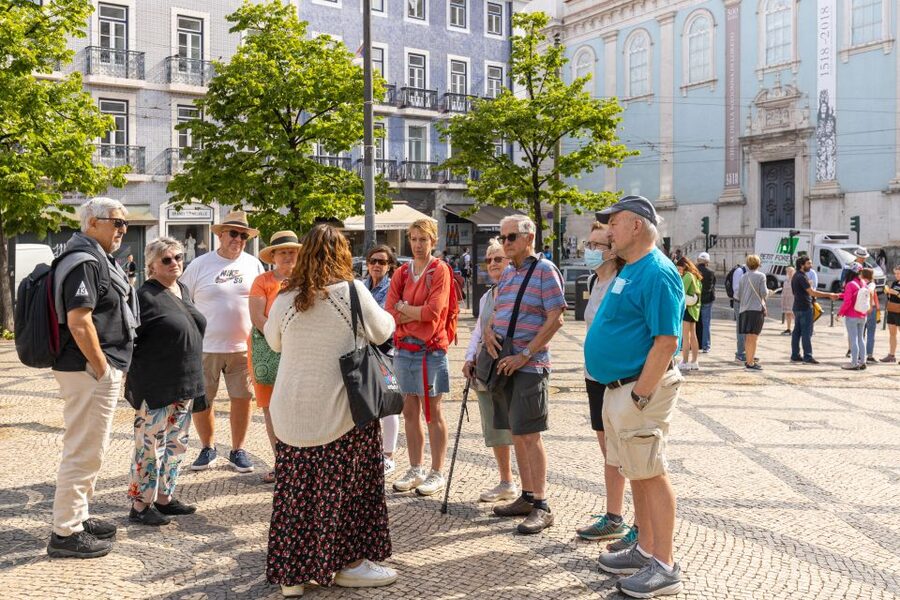
I think this tour fits best if you are:
- On your first trip and want a fast neighborhood orientation
- Interested in how major events like the 1755 earthquake and 1974 Carnation Revolution shaped what you see
- Happy to walk through hills, stop for photos, and learn at a relaxed pace
- Looking for value because the tour bundles a guide, a tram ride, and a coffee-and-cake break
You might consider skipping if you:
- Cannot handle stairs or uneven cobblestones at all
- Prefer one flat area and one long museum-style block of time
A nice bonus is the small group option. Many people do well in smaller groups because they can hear the guide clearly on windy streets and at viewpoints.
Should you book this Lisbon history, stories, and lifestyle tour?
If your goal is to understand Lisbon in a few hours, this is a smart booking. You get the key neighborhoods, a viewpoint rhythm that makes sense, a tram ride that feels like Lisbon, and a food stop that keeps the energy up. For $29, it’s hard to beat because it includes both the storytelling and the city transportation element.
My decision rule is simple: if you enjoy hills and you like connecting sights to why they exist, book it. If you want a mostly flat, ultra-relaxing stroll with only light stops, pick a different style of tour. Lisbon rewards effort, and this one spends that effort on the right places.
FAQ
How long is the Lisbon history walking tour?
The duration is 3 hours.
What is included in the price?
The tour includes a live guide, a tram trip, the walking tour itself, coffee, and cake.
Is hotel pickup included?
No, hotel pickup and drop-off are not included.
What main neighborhoods and landmarks do you visit?
You visit Bairro Alto, Miradouro São Pedro de Alcântara, San Roque Church, Carmo convent and church, the Santa Justa elevator area, Baixa, Portas do Sol, the Monastery of São Vicente de Fora, the National Pantheon, Alfama, and you end at Lisbon Cathedral.
What languages are the live guides available in?
The live guide is available in Portuguese, Spanish, Italian, German, French, and English.
Is there free cancellation?
Yes. You can cancel up to 24 hours in advance for a full refund.
Other Days Out Around Lisbon




Centuries-Deep Routes Through Lisbon





On Foot Around Lisbon, Other Guided Walks





Newly added around Lisbon
- Lisbon: Street Art Walk
★ 5.0 · 79 reviews - From Lisbon: Nazare Big Waves and Óbidos Guide Day Trip
★ 4.7 · 79 reviews - Small Group Walking Tour of Belém
★ 4.9 · 80 reviews - Lisbon: Regaleira, Sintra, Cape Rock & Cascais Day Trip
★ 4.6 · 80 reviews - Lisbon: Evening Local Food Crawl with Drink Pairings
★ 4.6 · 80 reviews - From Lisbon: Sintra and Portuguese Coast Private Day Tour
★ 5.0 · 80 reviews - Lisbon: Authentic Fado Show, Dinner and Night Tour
★ 4.6 · 80 reviews - Golden Hour Boat Tour – Sailing by the Monuments with Wine
★ 5.0 · 81 reviews - Hard Rock Cafe Lisbon with Set Lunch or Dinner
★ 4.0 · 81 reviews - Fado Musical Experience with Portuguese Wine & Appetizers
★ 4.5 · 81 reviews
Other boats, other operators: Walking Tours.
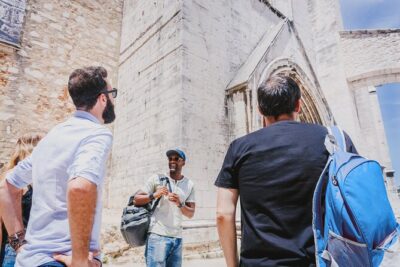 ★ 5.0Best of Lisbon Small-Group Guided Walking TourFrom $234,869 reviews
 ★ 4.9Lisbon: Food and Wine Small Group Walking TourFrom $724,082 reviews
 ★ 5.0Porto Walking Tour, Lello Bookshop, River Cruise and Cable CarFrom $723,354 reviews
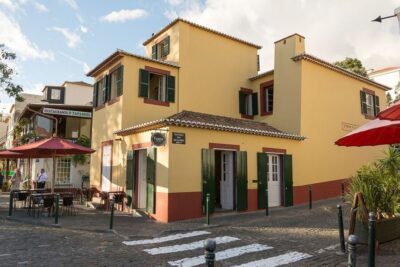 ★ 4.7Funchal: Old Town Walking TourFrom $193,233 reviews
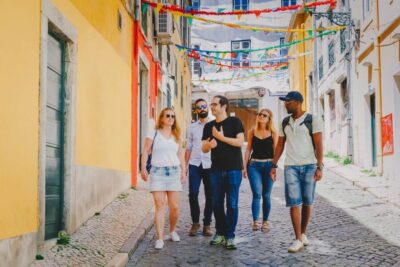 ★ 4.9Best of Lisbon Walking Tour: Rossio, Chiado & AlfamaFrom $232,700 reviews
 ★ 5.0Experience Porto’s Charm: 3-Hour Guided Walking TourFrom $352,432 reviews
 ★ 4.7Madeira: Enjoy a Guided Levada Walk in the Rabaçal ValleyFrom $502,197 reviews
 ★ 4.8Porto: 3-Hour Guided City Highlights Walking TourFrom $342,050 reviews
Filed under