
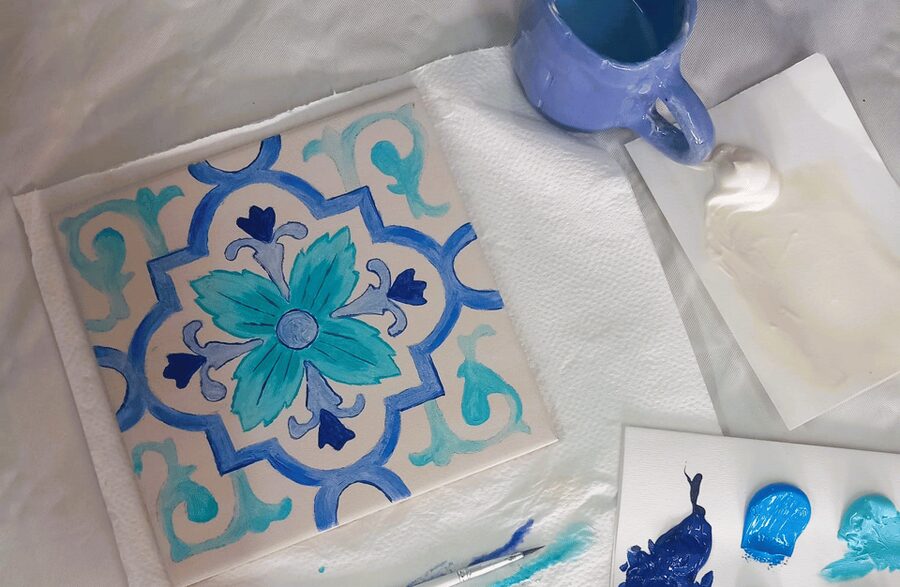
REVIEW · AZULEJO TILE WORKSHOPS
Porto: Tile Painting and Cocktails in Downtown Porto
Your souvenir comes with a cocktail. I like the calm pace and the azulejo history explained before you paint. I also love the step-by-step guidance that helps you make a good-looking tile even if you are not an art person. One catch: the workshop is not suitable for children under 10.
In just 2 hours, you get a short, story-led intro to Portuguese tiles, then you settle in to paint your own ceramic tile while sipping a cocktail. The vibe is relaxed, with calm music, and the guidance is practical, not precious.
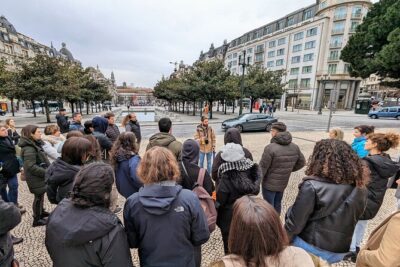
You meet at Boiler Studio on Rua Chã 77, a very typical street right in front of the Cathedral. It is a handy spot because you can pair this with major nearby sights like São Bento Train Station, Luís I bridge, Time out Market, and the Cathedral itself.
In This Review
- Key things to know before you go
- Boiler Studio on Rua Chã 77, right by Porto’s Cathedral
- The azulejo story you hear before you paint
- Cocktails and calm music, the low-stress way to create
- How the tile painting works, from stencils to your own design
- What you take home, and how soon it’s ready
- Is it worth $41? Value for a creative Porto moment
- Who this workshop suits best (and who should skip it)
- Pair it with the best nearby stops in downtown Porto
- Should you book this tile painting and cocktail workshop?
- FAQ
- How long is the Porto tile painting and cocktails workshop?
- Where do I meet for the workshop?
- What is included in the price?
- Is the class beginner-friendly if I am not artistic?
- Can I choose a design or use my own idea?
- When will I be able to take my tile home?
- Is it suitable for kids?
- What languages are offered during the workshop?
- Is the studio wheelchair accessible?
Key things to know before you go
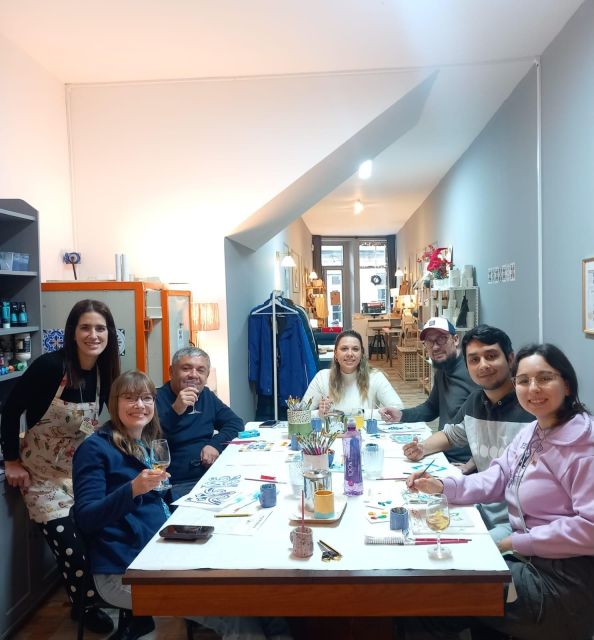
- Azulejo history in plain language, from early Arab influence to the 16th and 17th century rise in Portugal
- A relaxed workshop setting with calm music, a cocktail, and a no-pressure feel
- Guided painting for beginners, with stencils and design options that make outcomes look polished
- A take-home ceramic tile, plus paper packaging for the trip back
- Central location, with the Cathedral and key Porto stops close by
Other tile-painting benches we have sat at in Porto
- Porto: Tile Painting and Cocktails in Downtown Porto★ 4.9 · 484 reviews
- Tile Painting and Cocktails in Downtown Porto★ 5.0 · 187 reviews
- Porto: Tile Painting Workshop with Porto Wine (Sé do Porto)★ 5.0 · 102 reviews
- Porto Tile Painting Workshop in artist studio★ 5.0 · 83 reviews
Boiler Studio on Rua Chã 77, right by Porto’s Cathedral
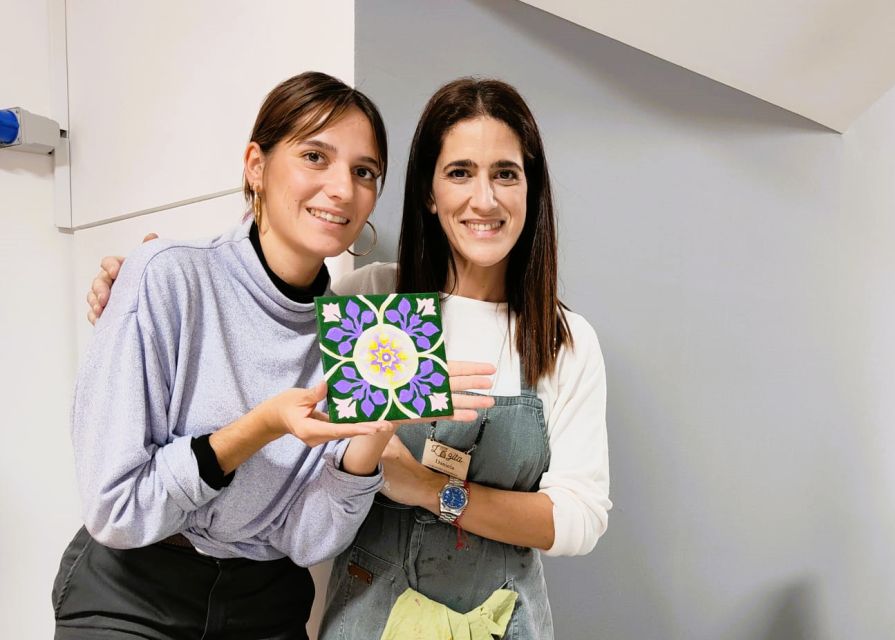
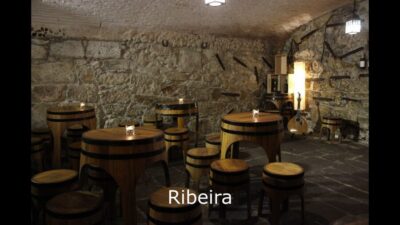
Boiler Studio is in a very walkable pocket of downtown Porto, on Rua Chã 77, with the Cathedral nearby. Finding it is usually straightforward because the area is packed with recognizable landmarks, including São Bento Train Station and Luís I bridge, plus Time out Market a short walk away.
The workshop space is also a shop, so you can browse local handmade goods before or after your session. I like this because it turns a single activity into a small, satisfying Porto stop, even if you arrive a little early.
Another small practical win: you are doing something creative in the middle of the city, so you are not relying on long transit or a separate day trip. That matters in Porto, where you likely want time for viewpoints, river walks, and neighborhoods that feel like real daily life.
The azulejo story you hear before you paint
This class starts with context, not just instructions. You learn how Portuguese tile traditions grew, including when azulejos really took hold and why the designs became so important across the country.
Here is the core story you should expect:
- Azulejos date back to the 13th century, linked to the Arab presence in the Iberian Peninsula
- Portugal’s tile culture really firms up in the 16th and 17th centuries
- The word azulejo comes from Arabic roots meaning small polished stone
- Early tiles were often simpler, with geometric shapes and mostly blue tones
- The class also connects styles to seasons and cities, so it is not just one look or one time period
I love this part because it changes what you see on Porto buildings. After the intro, you start noticing patterns with more meaning, not just pretty decoration. And since this is explained in English and Portuguese, you are not stuck guessing at the why behind what you are painting.
You may also hear it delivered by different hosts depending on the day. Names that come up in the team include Danielle, Daniella, Emmanuel, and Diogo, and participants often highlight how patient and hands-on the instruction is.
Cocktails and calm music, the low-stress way to create
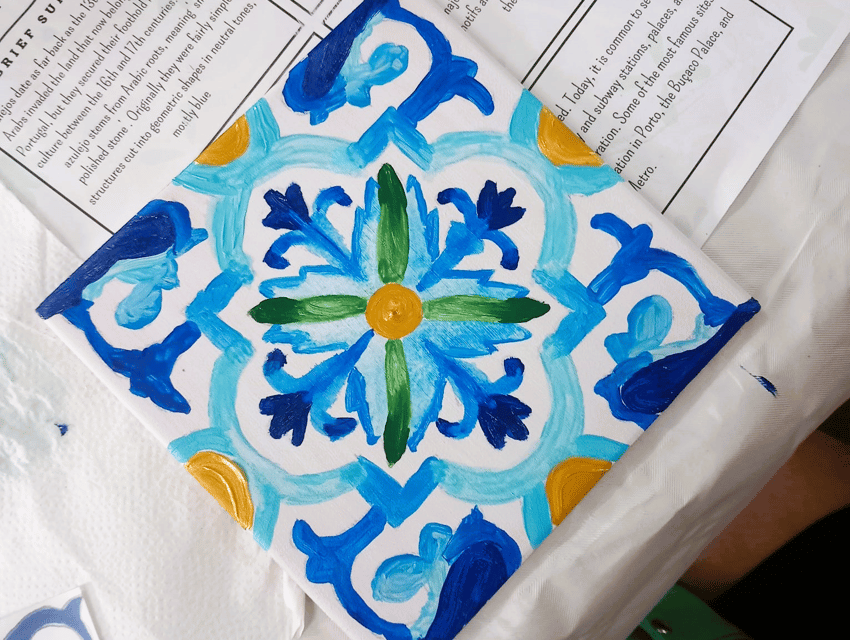
This is not a break-it-down, strict art class. It is more like a guided workshop where you can breathe, sip, and focus.
A cocktail is included with your session. Some examples mentioned include Porto Tonic, a port wine spritzer, and combinations like white port wine with tonic. Either way, it is a friendly way to slow the tempo, especially on rainy afternoons, when Porto can feel like it is moving too fast.
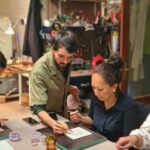
The music is calm, and the group setting helps too. Even if you are traveling solo, you are not isolated at a table. You are working alongside other people while the instructor circulates to correct technique and help you get unstuck.
My only caution here is mindset. This is a creative activity, not a high-energy sightseeing bus. If you want constant motion, you might find it more relaxing than exciting. But if you want something to reset your day, it delivers.
How the tile painting works, from stencils to your own design
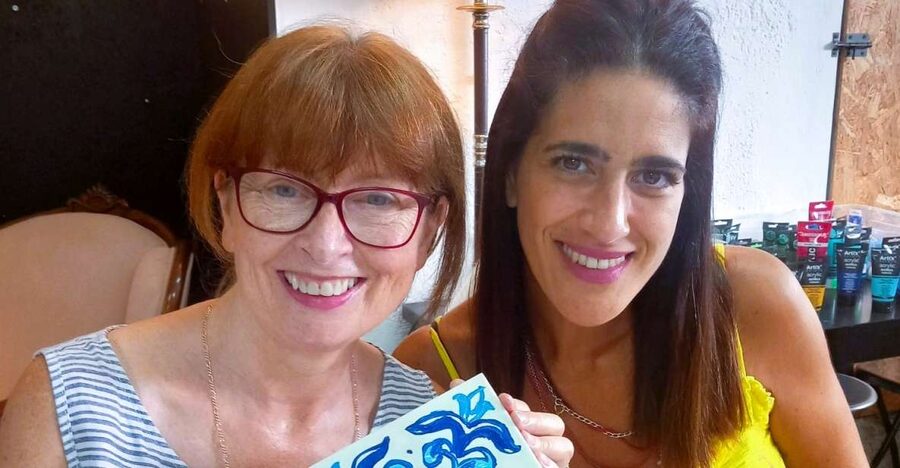
Once the history segment is done, you get into the fun part: painting.
You are provided with a ceramic tile and acrylic paints, plus the tools and materials you need for the session. You also get stencils or pattern options, and there is flexibility in how you create your design.
From what you can expect in the studio:
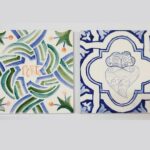
- You can choose from premade designs and patterns to trace
- You can create a design using guidance from the instructor
- If you have an idea in mind, you may be able to use a photo for your design, since some participants mention they could have their image printed for them
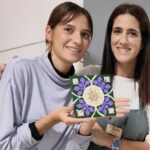
I like that this balances creativity with structure. Stencils keep the work approachable, while still letting your tile look personal. That is why even first-timers often leave feeling proud instead of frustrated.
The guidance is a major reason this workshop earns such high marks. People consistently describe the hosts as patient and attentive, including help with getting the right details and painting technique. If you accidentally make a mess, the tone stays encouraging, not critical.
Also, some sessions allow you extra time to finish. That matters if you are the type who colors slowly or wants to correct small areas. Since your tile is tied to your satisfaction, having breathing room is a real quality-of-life feature.




What you take home, and how soon it’s ready
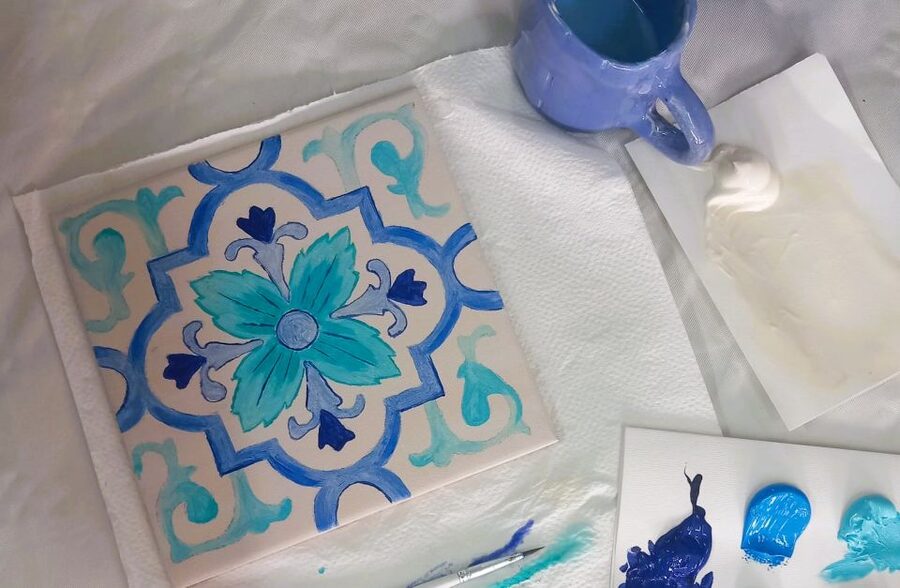
The big payoff is tangible: you paint a tile and take it with you.
The workshop includes paper packaging for your tile, which is great because you are dealing with something fragile while walking around Porto. I treat this as part of the value, not a throwaway add-on, because a good souvenir should survive the return trip from streets to hotel.
Timing seems to vary slightly by pace:
- Many participants mention the tile can be ready to take home right away
- Others mention picking it up later the same afternoon
- A few note that if they took longer, they returned the next day to collect it, so drying time may depend on how much detail you add and your session flow
So if you have very tight plans for the evening, plan a little slack. It is still a short 2-hour activity, but your tile collection might not line up perfectly with dinner reservations.
Is it worth $41? Value for a creative Porto moment
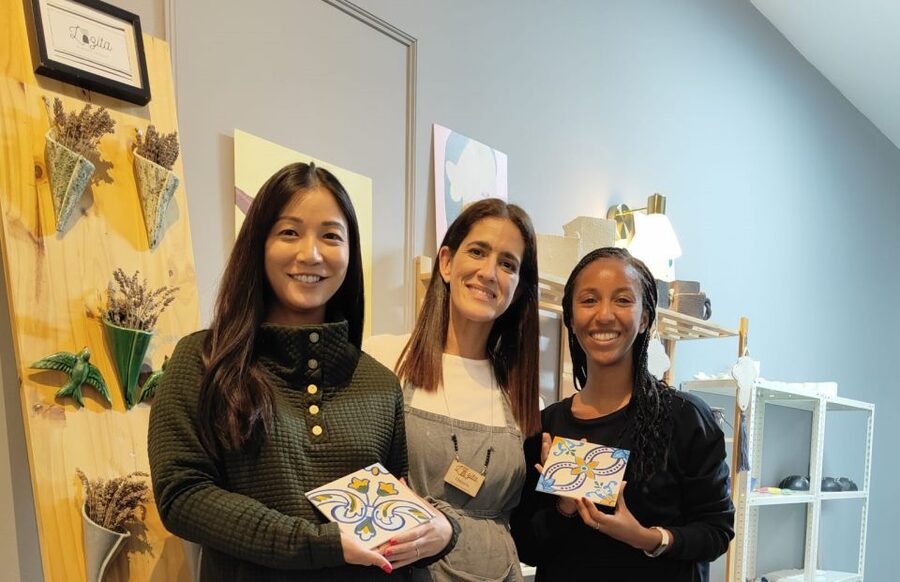
At $41 per person for a 2-hour workshop, the value comes from what is included, not just the idea.
For your money, you get:
- A ceramic tile and acrylic paints
- All materials for the activity
- A cocktail
- A workshop summary with text about tile history
- Paper packaging to take your tile home safely
When you compare that to typical Porto activities, this is strong because it bundles education, a hands-on souvenir, and a drink in one price. You are paying for an experience that ends with something you can hang onto for years, not just photos.
And the history component is not vague. You get the real timeline anchors, Arab influence and the Portuguese flowering period in the 16th and 17th centuries, plus the meaning behind the word azulejo. That makes your tile feel less like a random craft and more like a cultural souvenir.
If you are price-sensitive, this is also a smart pick because it is only 2 hours. You are spending less time and money getting a meaningful activity in a central location.
Who this workshop suits best (and who should skip it)
This works especially well if you want:
- A break from constant sightseeing
- A calmer activity where you can talk, paint, and sip
- A hands-on souvenir that does not require artistic talent
- An activity that adds context to what you see around Porto
It is also a good option for mixed skill groups. Even participants who said they were not artistic often describe the instruction as clear and step-by-step, with help when needed.
On the other hand, it is not suitable for children under 10, so families with younger kids should look for something else. The workshop also lists rules like no smoking and no fireworks or explosive substances, which is standard for safety.
One more practical detail: the instructor works in English and Portuguese, and the studio is wheelchair accessible. So if you need accessibility support, this venue is set up for it.
Pair it with the best nearby stops in downtown Porto
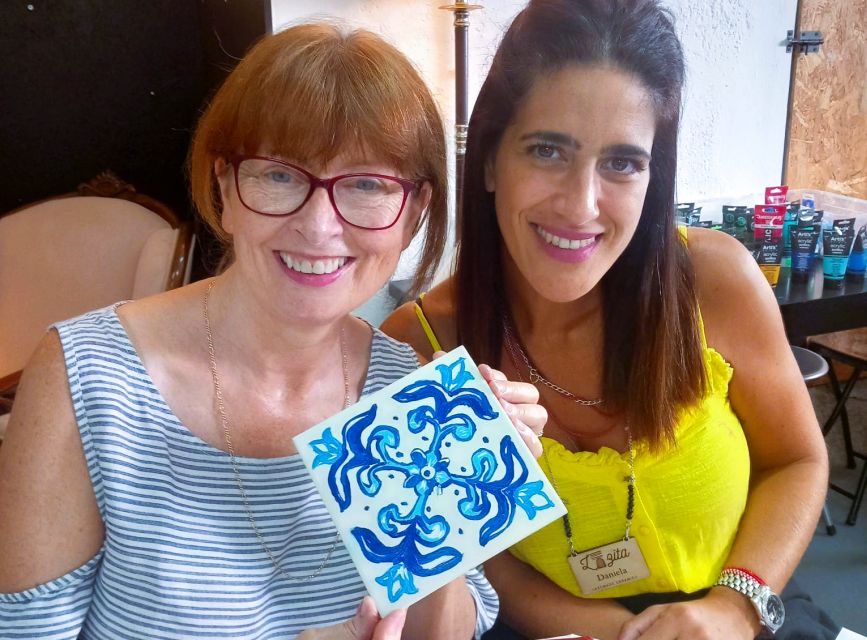
Because Boiler Studio is so central, it is easy to stitch into a Porto day.
A simple pairing plan:
- Start with a morning or afternoon walk around the Cathedral area
- Fit in this 2-hour tile workshop
- Continue on to nearby big hitters like São Bento Train Station, Luís I bridge, and Time out Market
This is especially good on slower weather days. Porto can rain in quick bursts, and having a calm indoor activity right near the core sights keeps your day from falling apart.
Also, since the studio doubles as a shop, you can use the time before or after your workshop to pick up small handmade items. It is a low-stress way to shop locally without turning your afternoon into a chore.
Should you book this tile painting and cocktail workshop?
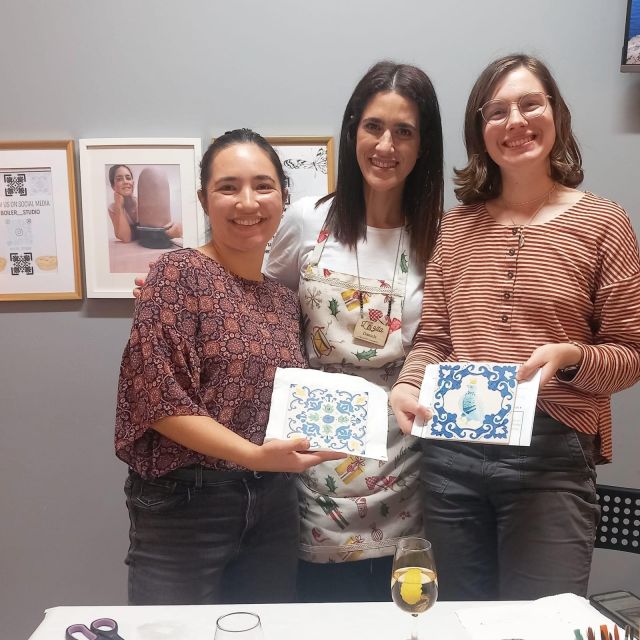
Yes, if you want a short, creative Porto experience that feels authentic and actually teaches you something.
Book it when:
- You want a take-home souvenir you create with your own hands
- You prefer relaxed pacing over a frantic, crowded tour
- You like the idea of learning why azulejos matter in Portugal before you paint
Consider passing if:
- You are traveling with children under 10
- You only want high-energy sightseeing, with no time for a calm, guided workshop
If you are on the fence, I would choose it for its balance: history that improves how you see Porto, a cocktail that makes the time feel lighter, and a tile you can keep. In a city known for azulejos, this is one of the few activities where you do not just look at the tradition, you make your own version of it.
FAQ
How long is the Porto tile painting and cocktails workshop?
It lasts 2 hours.
Where do I meet for the workshop?
You meet at Boiler Studio, Rua Chã 77, in downtown Porto, in front of the Cathedral area.
What is included in the price?
The price includes a ceramic tile, acrylic paints, paper packaging, a cocktail, and workshop materials with text about the tile. All materials for the activity are included.
Is the class beginner-friendly if I am not artistic?
Yes. You are guided through each step, and help is available if you need assistance. People repeatedly mention it feels doable even for beginners.
Can I choose a design or use my own idea?
You can pick from premade designs and stencil or tracing options. Some participants also mention they could use a photo of something they wanted to put on the tile, which the studio could print.
When will I be able to take my tile home?
Many people take the tile home right away, and some mention it is ready within about an hour. If you take longer to finish, you might need to pick it up later the same afternoon or the next day.
Is it suitable for kids?
It is not suitable for children under 10.
What languages are offered during the workshop?
The instructor offers English and Portuguese.
Is the studio wheelchair accessible?
Yes, the activity is wheelchair accessible.
Azulejo Benches, Other Tile Workshops

Newly added around Porto
- From Porto: 516 Arouca Bridge and Paiva Walkways Guided Tour
★ 5.0 · 38 reviews - Private Vinho Verde Region Wine Tour from Porto Including Lunch
★ 5.0 · 39 reviews - Surf Lesson | Surf Lessons
★ 5.0 · 39 reviews - Bike or E-Bike Tour of Porto and Atlantic Coast
★ 5.0 · 39 reviews - Porto Street Art Tour
★ 4.5 · 39 reviews - Private Porto Secrets Walking Tour + Personal Port Wine Tasting
★ 4.5 · 39 reviews - Douro Valley Premium Private
★ 5.0 · 39 reviews - Private Tour to stunning Douro Valley and most renowned wineries
★ 5.0 · 39 reviews - Off the Beaten Track in Porto: Private City Tour
★ 5.0 · 39 reviews - Porto Sunset Bike Tour
★ 4.5 · 39 reviews
Other boats, other operators: Azulejo Tile Workshops.
 ★ 4.6Lisbon: National Tile Museum Entry TicketFrom $11868 reviews
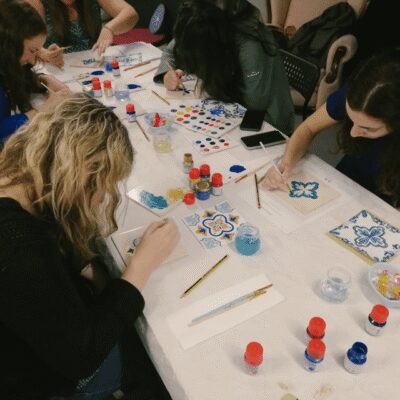 ★ 4.9Porto: Tile-Painting Workshop with Porto Wine – BainhariaFrom $45526 reviews
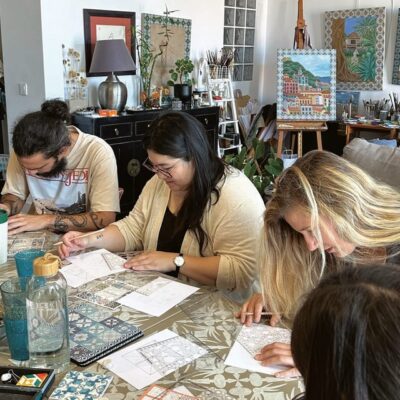 ★ 4.9Lisbon: Azulejos’ Design Create Your Own Tile WorkshopFrom $64420 reviews
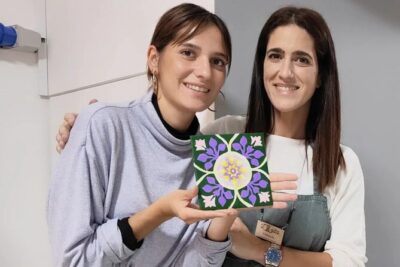 ★ 5.0Tile Painting and Cocktails in Downtown PortoFrom $42187 reviews
 ★ 5.0Arrabida Wine Tour from Lisbon: Wineries, Tastings & Tile FactoryFrom $96154 reviews
 ★ 4.3Lisbon: National Tile Museum E-Ticket & Audio GuideFrom $16121 reviews
 ★ 4.9Aveiro: Stories, Canals, and Azulejos Guided Walking TourFrom $20103 reviews
 ★ 5.0Porto: Tile Painting Workshop with Porto Wine (Sé do Porto)From $42102 reviews
Filed under