
REVIEW · PORTUGAL
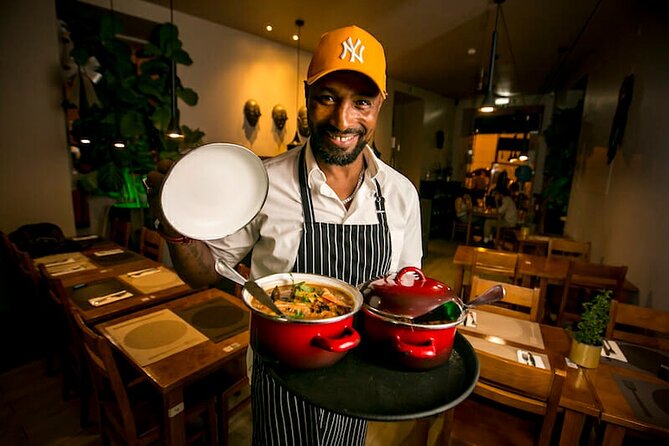
Lisbon’s Post-Colonial Feast
Lisbon’s food can tell hard truths. This 5-hour small-group walk connects classic Portuguese flavors to Portugal’s former colonies, with a day of tasting and street-level history. You’ll get out of the usual tourist lanes and into neighborhoods that help the story make sense.
I especially like the mix of food and post-colonial context. You’re not just eating, you’re learning why ingredients, techniques, and traditions traveled, and what that travel cost. The other big win for me is the small size, max seven people, which makes conversation feel natural.
The only real drawback to consider is the theme: this tour doesn’t sugarcoat Portugal’s past, including slavery, repression, and exploitation. If you want a purely light, casual food day, this may feel heavy at times.
In This Review
- Key highlights before you go
- A 5-hour Lisbon food tour with a post-colonial lens
- How the tastings connect Lisbon to former colonies
- Paço da Rainha: a calm start before the hard part
- Campo dos Mártires da Pátria and Avenida da Fonte Luminosa
- Jardim do Torel: where the breaks help you process
- Largo de São Domingos: the finale plates and square-time
- Price and value: is $150 worth it?
- Pacing, meeting people, and practical tips for your day
- Who should book this Lisbon’s Post-Colonial Feast?
- Should you book this tour?
- FAQ
- How long is Lisbon’s Post-Colonial Feast?
- What is the price per person?
- Is the tour offered in English?
- How many people are in the group?
- Where do I meet the tour, and when does it start?
- What kinds of food are included?
- Does it require good weather?
- Is there free cancellation?
Key highlights before you go
- Small group of up to 7 means better questions, less rushing, and easier chatting with your group
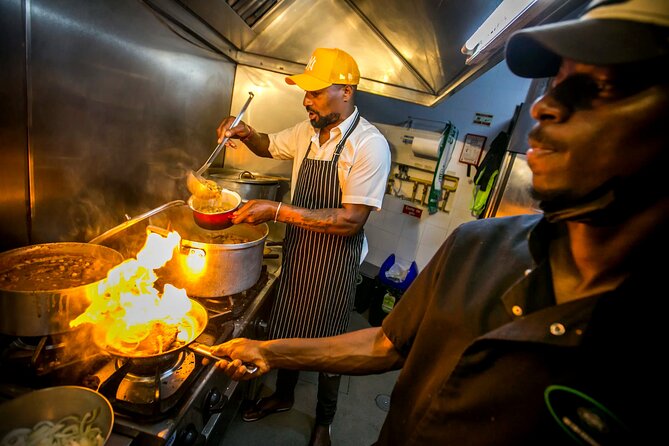
- Multiple tastings, including chocolate and chorizo stew, turn history into something you can actually taste
- Five neighborhood stops with no paid admissions listed for the sights keeps the day moving and budget-friendly
- English guided so you can track the story without relying on guesswork
- Guide-led storytelling, including one review that praised Celia for being kind and well-informed
Still weighing up the options? These are other Lisbon trips our reviewers have actually been on.
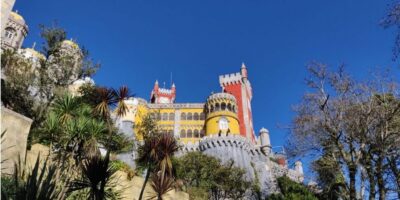
- Lisbon City Center Tour – The Unmissable Lisbon★ 5.0 · 22,234 reviews
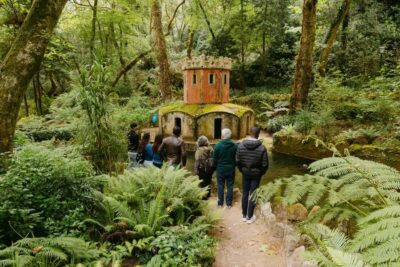
- Lisbon: Sintra, Pena, Regaleira, Cabo da Roca & Cascais★ 4.7 · 19,656 reviews
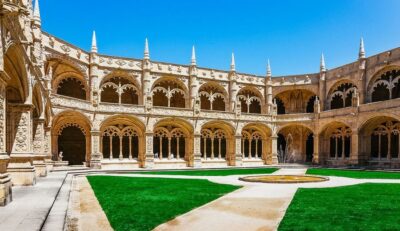
- Lisbon: Jerónimos Monastery Entrance Ticket★ 4.1 · 14,164 reviews
- Lisbon: History, Stories and Lifestyle Walking Tour★ 4.8 · 10,902 reviews
A 5-hour Lisbon food tour with a post-colonial lens
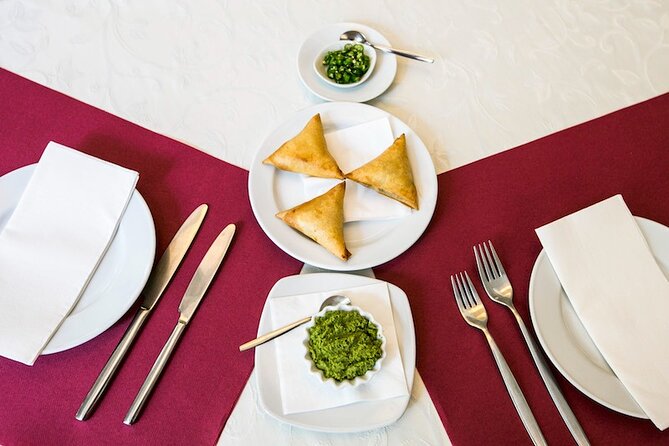
Lisbon can be gorgeous, sure. But it can also be complicated, and this tour leans into that reality in a practical way. You’ll walk a steady route, stop at key public spaces, and taste regional dishes while your guide connects what you’re eating to the larger Portuguese colonial era.
Think of it like this: you start with familiar Portuguese flavors, then you learn where those flavors were shaped by contact, trade, and forced movement. That connection is what makes the day feel more meaningful than a standard snack-and-photos outing.
The total time is about 5 hours, starting at 11:00 am and ending back at the meeting point. That timing works well if you prefer a late morning start and you want the rest of your afternoon for independent wandering.
How the tastings connect Lisbon to former colonies
What I like most here is that the tour treats food as evidence. Not as a vague “influenced by” detail, but as a thread you can follow through history. Expect chocolate and dishes like chorizo stew, along with other regional delicacies tied to the Portuguese world.
The post-colonial angle matters because it changes what you notice on your plate. For example, if you only look at flavor, you miss the story of who had power, who was exploited, and how that shaped daily life. This tour directly addresses Portugal’s grim history of slavery, repression, and exploitation as part of the meal journey.
In one review, the writer specifically loved learning how colonization affected both the cuisines abroad and Portuguese food itself. That’s a good sign for you if you like explanations that connect cause and effect, not just trivia.
Also, don’t get tunnel vision. A reviewer pointed out that Brazilian or Goan food might not be what you expect from a Lisbon food tour, but it’s exactly the kind of surprise that makes the experience feel fresh. You get used to thinking of Portugal as just Portugal, and then you’re shown how wide its culinary connections actually are.
Paço da Rainha: a calm start before the hard part
The tour kicks off near Paço da Rainha, a place that helps you set your bearings fast. This stop is about 45 minutes, and the goal is simple: get your eyes on Lisbon’s layers and start the day’s story before you hit the streets for more tasting.
What makes this first phase useful is pacing. You’re not thrown into long explanations right away, and you’re not sent sprinting to the next bite. It’s a structured warm-up that sets tone. If the tour is going to talk about painful history, it helps that you begin in a more grounded, sightseeing rhythm.
You’ll also be walking within sight of major local landmarks without needing to buy any entry ticket here. The tour notes admissions for these stops as free, which is a real value point when you’re trying to keep your day affordable and your plan predictable.
Campo dos Mártires da Pátria and Avenida da Fonte Luminosa
Next comes Campo dos Martires da Patria for another 45 minutes. This is where the tour leans more into history and culture. Public spaces like this do something museums can’t: they show you how memory plays out in the everyday city. You’re surrounded by the kind of geography locals actually navigate, which makes the explanations easier to keep straight.
Then you move on to Avenida da Fonte Luminosa, another 45 minutes. This stop is where the guide discusses the theme more explicitly and ties the day together as you move. I like how that works for your brain. You’re not just collecting facts in a line. The guide helps you organize what you’re hearing into a story about Portuguese influence and post-colonial realities.
Practical note: these are outdoor segments. Dress for weather and plan for some walking. Lisbon in good conditions is great for that. In rain, it can feel long and slippery, so lean into their weather requirement.


Jardim do Torel: where the breaks help you process
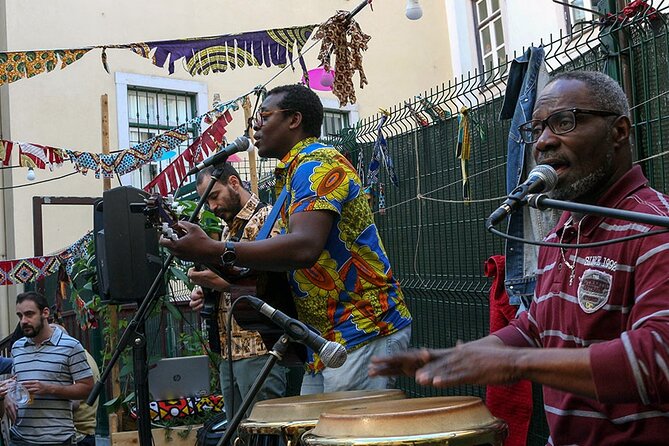
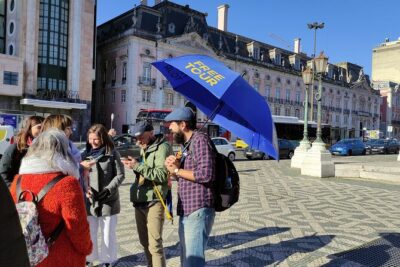
Jardim do Torel is another 45-minute pause, and it matters. The garden setting gives you a visual reset, plus a chance to slow down just enough to absorb what you’ve learned so far.
This is also the kind of stop where you’re more likely to notice subtle things: how neighborhoods feel different block to block, how the city’s layout nudges people into certain views, and how conversation changes when you’re not constantly moving.
In the tour outline, this is also described as the point where you find the next best bite. That’s a small detail, but it tells you the rhythm: taste, interpret, taste again. That loop is what keeps a history-centered food tour from feeling like a lecture with snacks.
One more value point: the stops are listed with free admission tickets. That means your money stays focused on the experience, not on separate fees that pop up last minute.
Largo de São Domingos: the finale plates and square-time
The last major stop is Largo de Sao Domingos, a 1-hour stop in the square. Longer time at the end usually means two things. First, you’re settled enough to enjoy the food. Second, you have room for questions and wrap-up.
This is where you’re likely to sample more specialty items, guided by the theme of the day. The square setting also helps the experience land emotionally. By the end, you’ve already heard how colonization shaped movement, power, and exploitation. Now you’re tasting the results, and that contrast is part of what makes the tour memorable.
If you’re worried about feeling too weighed down, the good news is that the guide is still steering the ship. One review praised Celia specifically, calling her lovely and knowledgeable. That kind of tone matters on a topic like this, because it helps the conversation feel human instead of harsh.
Also, a real-world note from one review: an Angolan restaurant stop had recently closed, and the group still ended up happy and well fed. That’s a reminder to keep an open mind. If something is temporarily unavailable, the operator may adjust the exact food stop while keeping the theme intact.
Price and value: is $150 worth it?
At $150 per person for about 5 hours, you’re paying for three things at once: guided neighborhood walking, multiple tastings (including chocolate and chorizo stew), and historical framing that ties the food to Portugal’s colonial past.
In plain terms, you’re not paying for a single meal. You’re paying for a structured day where the food is the delivery system for learning. The value gets better because the group is limited to seven travelers. That size usually means the guide can answer questions and adjust pacing, instead of running on autopilot.
Another value factor is that the tour lists admissions for the sight stops as free. So you’re spending money on the guided experience and the tastings, not on ticket lines for multiple attractions.
One more thing to consider: if you’re the type who loves food but hates lectures, this might feel like more education than you expected. If you’re the type who likes context, it’s a great use of money because it turns a snack day into a coherent story.
Pacing, meeting people, and practical tips for your day
This tour runs from 11:00 am to roughly mid-afternoon, and it’s built around multiple stops at about 45 minutes each, plus a longer final square. That structure is helpful because it prevents the classic food tour problem of eating too fast and then losing track of what you just learned.
The meeting point is Praça do Chile 2, 1170 Lisboa, Portugal, and the tour ends back there. Since it returns to the start, you avoid that annoying scramble to find transport at the end.
The tour also notes that it’s near public transportation, which matters if you want a low-stress arrival. Bring cash only if you want it for personal snacks or drinks. The tastings are part of the planned experience, and the tour uses mobile tickets.
What to wear and bring:
- Comfortable shoes, because you are walking between neighborhood stops
- A light layer or rain gear, because the tour requires good weather
- Water, especially if Lisbon is warm when you’re out
- A small tip budget for your guide, if the vibe feels right, since one review specifically encouraged tipping
Who should book this Lisbon’s Post-Colonial Feast?
Book this if you want a food tour that also explains the why behind Portuguese cuisine. It’s ideal for you if:
- You enjoy tasting regional dishes and want the story behind them
- You’re curious about how Portugal’s connections with former colonies show up in daily food
- You want a smaller group and a guide who can answer questions
- You prefer learning outdoors, in real neighborhoods, not just inside a museum
You might skip it if you’re looking for a gentle, purely fun tasting route. The tour confronts slavery and exploitation as part of its theme, so it’s not a soft-focus history lesson.
Should you book this tour?
If you’re choosing between Lisbon food tours, I’d book this one if you want your meal to come with context that goes beyond flavor. The combination of multiple tastings, a small group, and a guide who links food to the post-colonial story is exactly the kind of value that makes a guided experience worthwhile.
If you’re sensitive to heavy history, plan on a more reflective tone and give yourself time to process by scheduling something relaxed after. If you’re okay with that, you’ll likely leave with both a full stomach and a clearer understanding of how Portuguese cuisine got to where it is today.
FAQ
How long is Lisbon’s Post-Colonial Feast?
It runs for about 5 hours.
What is the price per person?
The price is $150.00 per person.
Is the tour offered in English?
Yes, it is offered in English.
How many people are in the group?
The tour has a maximum of 7 travelers.
Where do I meet the tour, and when does it start?
The meeting point is Praça do Chile 2, 1170 Lisboa, Portugal. The start time is 11:00 am, and it ends back at the meeting point.
What kinds of food are included?
You’ll feast on chocolate, chorizo stew, and a wealth of regional delicacies.
Does it require good weather?
Yes. The tour requires good weather, and if it is canceled due to poor weather, you’ll be offered a different date or a full refund.
Is there free cancellation?
Yes. You can cancel for free up to 24 hours in advance for a full refund.
Newly added around Lisbon
- Lisbon: Street Art Walk
★ 5.0 · 79 reviews - From Lisbon: Nazare Big Waves and Óbidos Guide Day Trip
★ 4.7 · 79 reviews - Small Group Walking Tour of Belém
★ 4.9 · 80 reviews - Lisbon: Regaleira, Sintra, Cape Rock & Cascais Day Trip
★ 4.6 · 80 reviews - Lisbon: Evening Local Food Crawl with Drink Pairings
★ 4.6 · 80 reviews - From Lisbon: Sintra and Portuguese Coast Private Day Tour
★ 5.0 · 80 reviews - Lisbon: Authentic Fado Show, Dinner and Night Tour
★ 4.6 · 80 reviews - Golden Hour Boat Tour – Sailing by the Monuments with Wine
★ 5.0 · 81 reviews - Hard Rock Cafe Lisbon with Set Lunch or Dinner
★ 4.0 · 81 reviews - Fado Musical Experience with Portuguese Wine & Appetizers
★ 4.5 · 81 reviews