
REVIEW · PICO ISLAND, FAIAL AND THE CENTRAL AZORES
Pico Island: Azores Whale & Dolphin Watching on Zodiac Boat
Zodiac boats turn whale watching into hands-on.
On Pico Island, this whale and dolphin watching trip from Lajes do Pico lets you scan the coast for whales, dolphins, turtles, and birds, while a marine guide explains what you are seeing. I especially like the safety setup, with a life jacket and waterproof top, and I also like the practical way the guide and captain help you maximize sightings without rushing animals. The main consideration is simple: if the sea is rough, you may get soaked and the zodiac ride can feel a bit uncomfortable.
You start at the harbor, get a quick briefing, and head out in a rib-style Zodiac boat for a focused chunk of time on the water. Expect a guide-led search for “what’s out there right now,” plus an onboard introduction to how whales and dolphins communicate and behave. If you are prone to seasickness or have mobility or back issues, plan carefully, because this is active time on the water.
In This Review
- Key points I’d treat as deal-breakers (or deciding factors)
- Setting Out From Lajes do Pico Harbor, Aqua Açores Style
- The 10-Minute Safety Briefing That Actually Helps on the Water
- Zodiac Boat Time: What the Ride Feels Like and Why It Matters
- Finding Whales and Dolphins: Slow, Careful Approaches and Real Search
- More Than Cetaceans: Birds, Turtles, and the Pico Coast Views
- Your Marine Guide Moment: How It Helps You Understand What You See
- Timing on the Island: Safety, Time on Water, and Refreshments
- Price and Value: What $53 Gets You (and Why It’s Reasonable Here)
- Who Should Book This Trip on Pico (and Who Should Skip)
- Practical Tips So You Enjoy the Wet and Bumpy Parts
- Should You Book This Pico Whale and Dolphin Zodiac Tour?
- FAQ
- Where do I meet for the Pico whale and dolphin watching tour?
- How long is the tour?
- What is included in the ticket price?
- Is hotel pickup and drop-off included?
- Are food and drinks included?
- What languages are the live guide available in?
- What should I bring with me?
- Is the tour suitable for children or for people with certain health conditions?
Key points I’d treat as deal-breakers (or deciding factors)
- Safety gear is included, meaning you do not have to guess about life vests or staying dry.
- You look for multiple wildlife types, not only whales and dolphins (birds and turtles are part of the game plan).
- Species spotting is guided, with a marine intro about habitats and behavior along the way.
- Approach rules matter, and the captain slows down and keeps things careful for the animals’ well-being.
- Expect variable results, because weather can change how long you are able to go and what you can find.
- You get confirmation after, including a card listing what species were seen.
Setting Out From Lajes do Pico Harbor, Aqua Açores Style
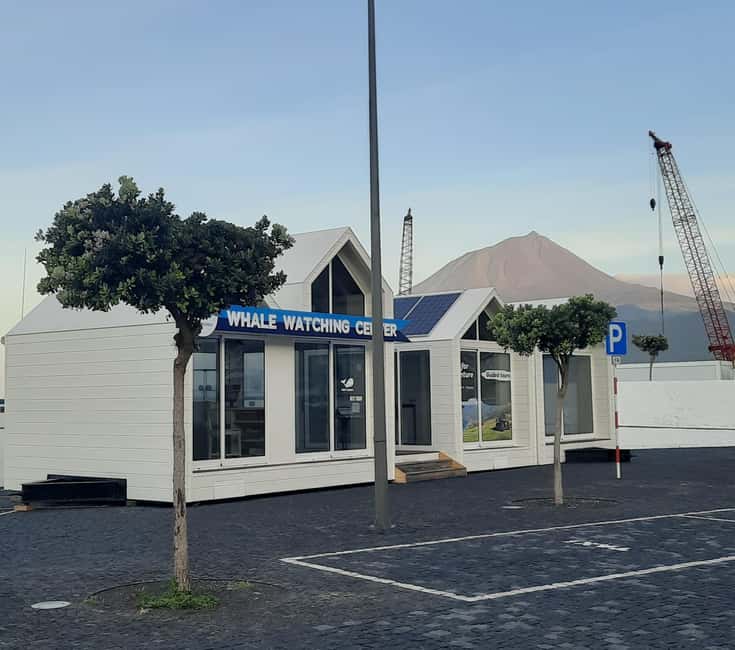
The trip is built around one main location: the whale watching center area at the entrance of Lajes do Pico harbor. You meet at Aqua Açores – Whale and Dolphin Whatching, and you should look for Whale Watching Center in big letters.
Once you’re there, the tone is practical. You get a short safety briefing and you learn how the crew expects you to behave on deck. That matters more than you’d think, because a zodiac boat is small, movement is constant, and the crew needs everyone coordinated for safe spotting and slow approaches.
Also, this is in town. You do not need to rely on hotel pickup, which makes it easier to fit into a day of island touring. If you are the type who likes to feel logistics first, this setup will feel friendly and clear.
The 10-Minute Safety Briefing That Actually Helps on the Water
After you meet at the harbor, the first stop is a safety briefing that runs about 10 minutes. This is not just paperwork. It’s the moment you learn how to wear and move with your gear while the boat is operating.
Your included gear is a life jacket plus a waterproof top. Those two items change the whole experience. A life jacket reduces anxiety, and the waterproof top means you can stay functional even if spray finds you. Many whale and dolphin tours are “bring your own rain layer” type affairs. Here, you get core protection included.
One more detail to take seriously: the operator advises that if you are susceptible to seasickness, take a sea sickness pill about 30 minutes before boarding. That’s not an optional “nice to have” note if you know you get queasy on boats.
Zodiac Boat Time: What the Ride Feels Like and Why It Matters
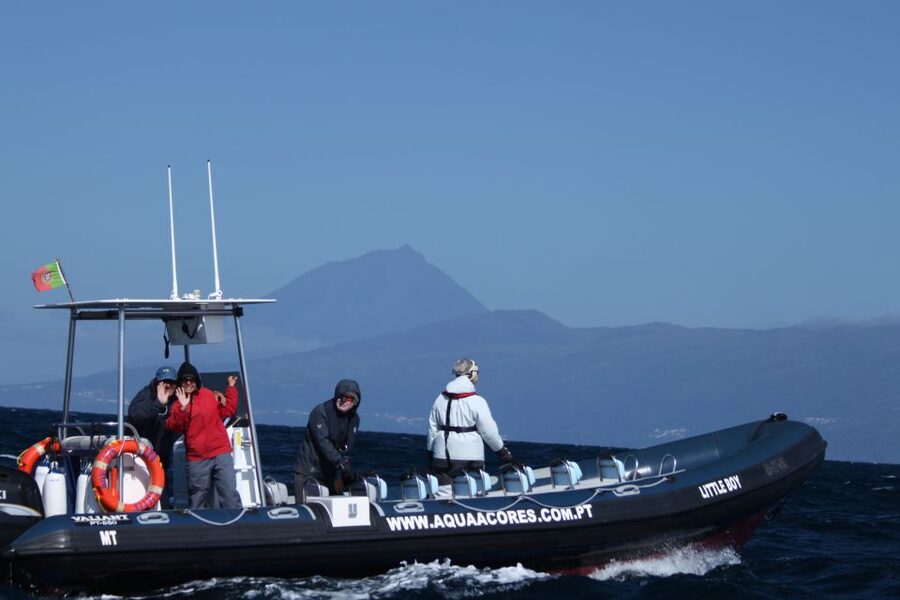
You’re on a rib-style Zodiac boat, which is fast and nimble. The upside is you can reach wildlife areas and keep moving without wasting your time. The downside shows up when conditions turn. Even with safety gear, you should assume the ocean can be bumpy.
In the real world, that means some days you’ll have crisp views and stable spotting. Other days you will get splashed and may feel the deck move under your feet. One review noted the boat could feel not very comfortable, so if you hate bouncing water for long periods, consider that as a real factor.
Still, the boat type is a big part of why this trip is fun. You are not staring at wildlife from far away on a large vessel. You are out there along the Pico coastline, able to take photos when the shoreline opens up and when animals surface close enough to see clearly.
Finding Whales and Dolphins: Slow, Careful Approaches and Real Search
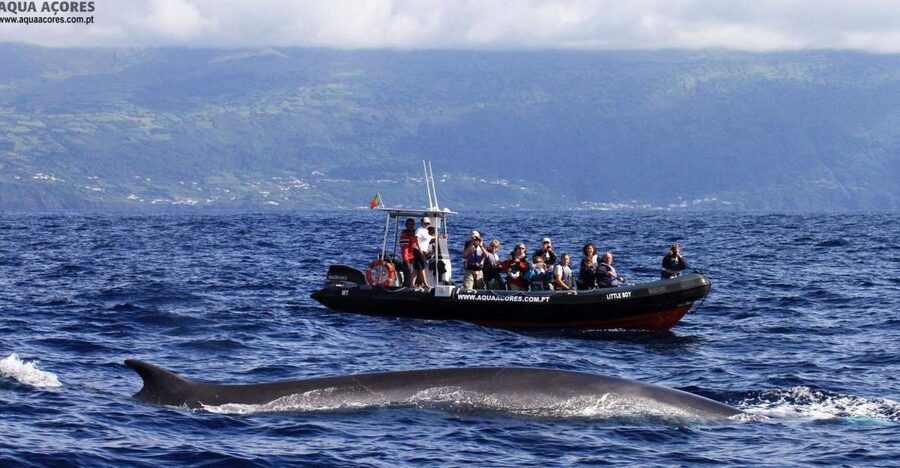
This is where the guide and captain earn their keep. The crew looks for whales, dolphins, and other marine life using both human skill and an active search pattern. The approach is slow and careful, with the goal of animal well-being, not chasing. That matters, because whales and dolphins are not props. They surface, travel, and change direction based on their own priorities.
The tour also positions you for spotting more than one kind of cetacean. In the Azores, the area can host over 25 cetacean species, and the whole experience is structured around the idea that you are looking at a living mix, not one guaranteed animal.
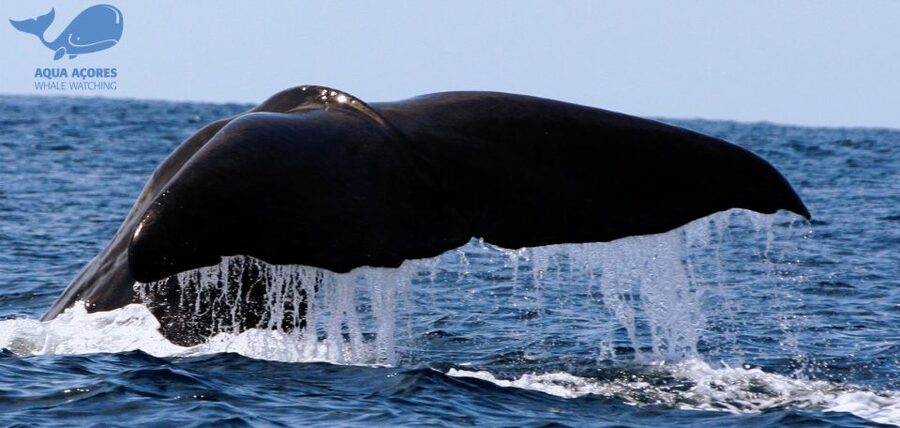
When you are scanning the water, it helps to know what “success” can look like. You might see big whales like sperm whales or blue whales on some days, and you might see dolphins in groups more often. You can also see playful dolphin behavior when pods are active. And yes, turtles can show up too.
A practical note: the exact sightings you get are not fully controllable. Weather affects visibility and the crew’s ability to stay out. One important theme from the experience is that the operation can be adjusted if conditions are unsafe.
More Than Cetaceans: Birds, Turtles, and the Pico Coast Views
This tour is not only about whales and dolphins. While you’re out searching, your guide keeps you alert for birds and turtles too. That gives you something to look for even when whales stay submerged longer than expected.
It also makes the coastline part more satisfying. You get time to take pictures of the sweeping shoreline as you cruise. Even if the “headline whale” takes a while to show, the coast views help you feel like the trip is still moving forward.
One small but meaningful touch: the crew and guide focus on marine communication and behavior, so the wildlife spotting feels like learning, not just random luck. You’re hearing why animals surface, how they communicate, and what natural habits can mean in the water.
Your Marine Guide Moment: How It Helps You Understand What You See
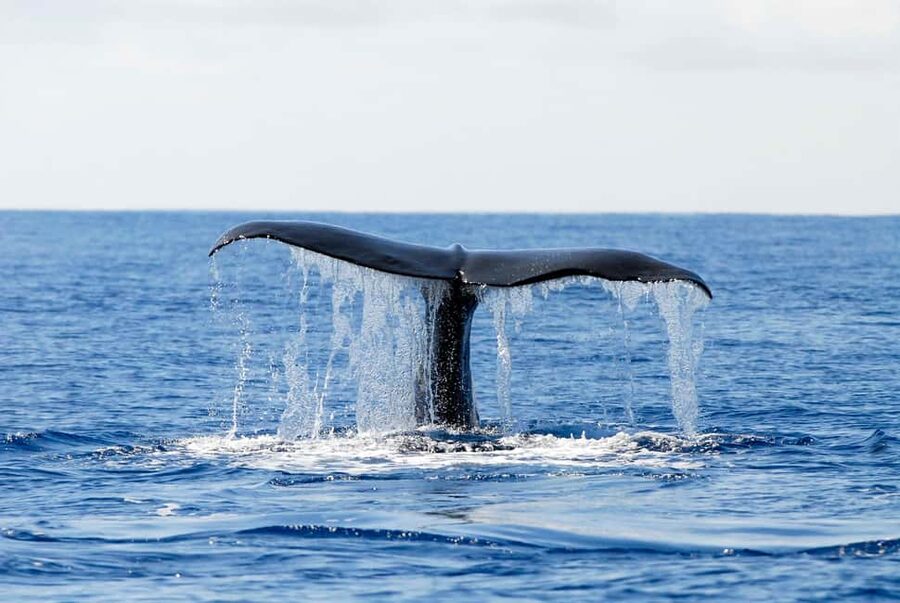
You get a guided introduction to cetaceans (whales and dolphins). That includes discussion of habitats, communication styles, migration patterns, and behavioral features. The point is not to overload you with science. It’s to give you mental hooks so you can watch more intelligently.
This is also where guide personality shows up. Several guides were praised for being friendly, enthusiastic, and attentive, including names like Vania and Monica. The captain Nelson also earned credit in at least one account for being experienced and considerate, which reinforces that both roles matter.
After your ride, you may also get a small takeaway card confirming the types of animals you saw. That’s a nice way to help you remember what was seen once you’re back on dry land and your photos are sorted.
Timing on the Island: Safety, Time on Water, and Refreshments
The listed flow works like this: safety briefing at Lajes do Pico, then time on the water for dolphin and whale watching, then you return and get a short refreshments stop before heading back.
The overall duration is given as about 2.5 hours, but the detailed schedule includes a longer guided time on the water and a brief refreshments segment. In practice, weather can change how much time the crew can safely spend offshore. One account mentioned a tour break after about 2 hours due to rough conditions, with rescheduling or refund options offered. So treat this as a flexible plan, not a rigid clock.
After you come back, there are welcome refreshments. One review described juice and crackers on return, which fits the idea that you’re kept comfortable after getting wet.
Price and Value: What $53 Gets You (and Why It’s Reasonable Here)
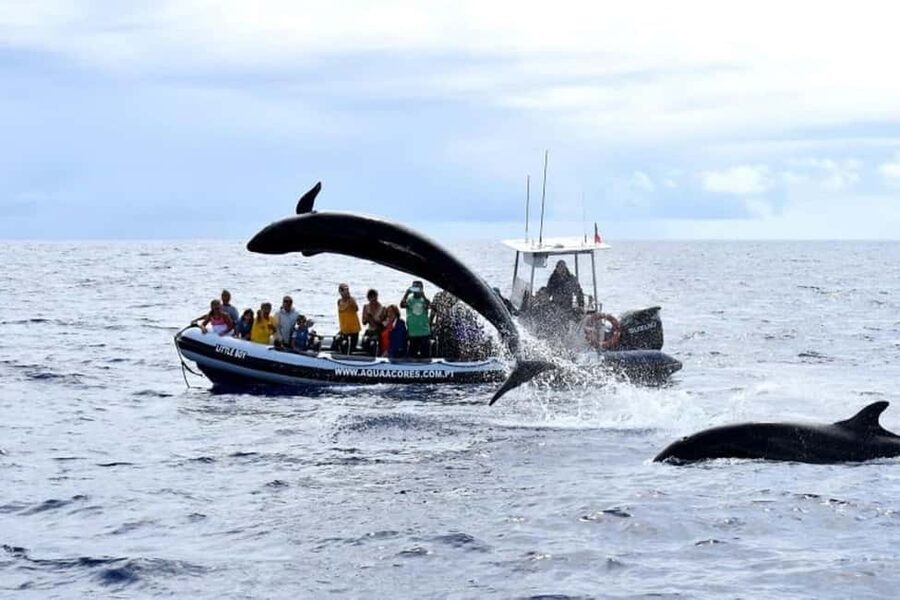
At $53 per person for about 2.5 hours, this is not “cheap,” but it is also not overpriced for what’s included. You get:
- a guide and skipper
- the Zodiac rib boat
- a waterproof top and life vest
- insurance
That bundle is the real value. Boat time, safety gear, and trained oversight are the expensive parts. Also, the operation’s approach to whale well-being matters. When captains slow down and keep distance, you often get better viewing and less stress for the animals. At the same time, that care means the crew may adjust plans based on conditions.
One more value angle: this trip is designed to be educational while you hunt for wildlife. If you’ve ever booked a wildlife cruise where you get minimal interpretation, you’ll appreciate the structured guide talk here. Even when sightings are fewer, you’re still walking away with a better understanding of what you were watching.
Who Should Book This Trip on Pico (and Who Should Skip)
This experience is a great fit if you:
- want a small-boat feel and real time on the water
- like learning while watching wildlife
- enjoy photography and want shoreline views from the coast
It’s especially appealing if you are hoping for larger cetaceans. Accounts include sightings of sperm whales, pilot whales, blue whale reports, and multiple dolphin groups. The chance of seeing more than one type is part of the excitement.
It may be a poor fit if you are:
- under 2 years old (not suitable)
- pregnant (not suitable)
- someone with back problems (not suitable)
- extremely prone to seasickness and unable to take precautions
If your main goal is a calm, smooth, “sit and watch” cruise, choose your expectations carefully. Zodiac trips are active and the sea can be unpredictable.
Practical Tips So You Enjoy the Wet and Bumpy Parts
Pack like you’ll get splashy, because you might. Use the included waterproof top correctly, and bring your own extra layer if you run cold.
Bring:
- a sun hat and sunscreen
- a jacket
- comfortable clothes that match the day’s weather
Light food is permitted on board. That helps if you get hungry after time in the sun and wind.
One last practical trick: keep your camera settings ready before the best moment arrives. Animals do not schedule for your charging cable. With a guide calling attention and a captain watching the water, you can focus on spotting, not fumbling.
Should You Book This Pico Whale and Dolphin Zodiac Tour?
I think it’s a strong choice if you want an up-close, guide-led wildlife search from Lajes do Pico. The included safety gear, the careful approach to animals, and the focus on multiple types of wildlife make it feel like more than a random boat ride.
Book it if:
- you can handle a bumpy zodiac ride and you do not mind getting wet
- you want a real introduction to whales and dolphins, not just a sightseeing slideshow
- you’re aiming for a serious shot at seeing cetaceans in the Azores
Skip or reconsider if:
- you have back issues, pregnancy, or a very young child
- you cannot manage seasickness
- you need a very comfortable, sheltered ride no matter the sea
FAQ
Where do I meet for the Pico whale and dolphin watching tour?
Meet at the entrance of Lajes do Pico harbor, look for Whale Watching Center in big letters, at Aqua Açores – Whale and Dolphin Whatching.
How long is the tour?
The duration is listed as 2.5 hours.
What is included in the ticket price?
Included are the guide, skipper, Zodiac rib boat, waterproof top and life vest, and insurance.
Is hotel pickup and drop-off included?
No, hotel pickup and drop-off is not included.
Are food and drinks included?
Food and drinks are not included, though light food is permitted on board. You also get welcome refreshments for about 10 minutes.
What languages are the live guide available in?
The live tour guide is available in Portuguese and English.
What should I bring with me?
Bring a sun hat, sunscreen, a jacket, and comfortable clothes appropriate for the weather.
Is the tour suitable for children or for people with certain health conditions?
It is not suitable for children under 2 years, pregnant women, or people with back problems.
Other boats, other operators: Pico Island, Faial and the Central Azores.
 ★ 4.3Lisbon: São Jorge Castle E-Ticket and Audio GuideFrom $302,182 reviews
 ★ 4.6Lisbon: Sao Jorge Castle Skip-the-Line Ticket with GuideFrom $371,191 reviews
 ★ 4.9Pico Island: Whale Watching Experience from LajesFrom $68492 reviews
 ★ 4.5São Jorge Castle Skip-the-line Entry TicketFrom $36440 reviews
 ★ 4.9Horta: University Startup Whale and Dolphin RIB Boat TripFrom $101225 reviews
 ★ 5.0Faial Island: Full Day Tour – Nature and Local CultureFrom $114213 reviews
 ★ 5.0Pico Mountain: Climb the Highest Point of Portugal 2351mFrom $90187 reviews
 ★ 4.8Faial Island: Half Day TourFrom $69181 reviews