
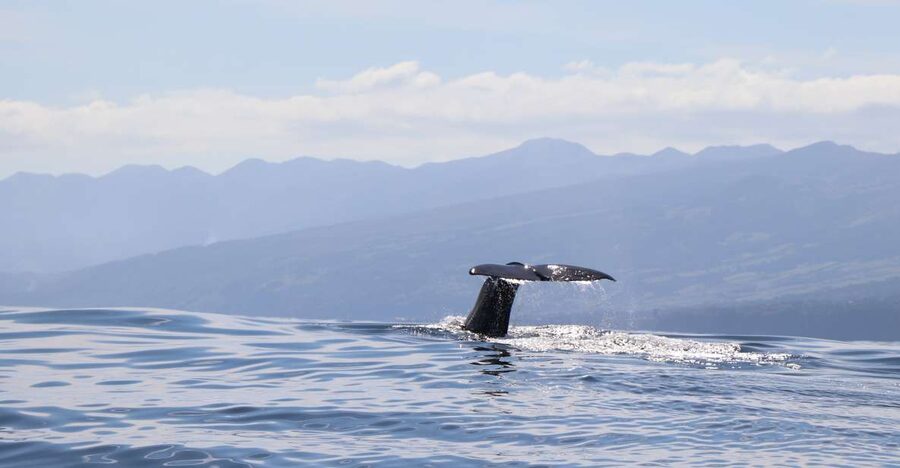
REVIEW · PICO ISLAND, FAIAL AND THE CENTRAL AZORES
Horta: University Startup Whale and Dolphin RIB Boat Trip
Whales up close beats any zoo day. This 3-hour RIB trip from Horta in the Azores turns land spotting into an out-on-the-water, real-time search, with a University of Lisbon marine researcher joining you to explain what you are seeing as it happens.
I love two things most: the team starts with whale spotters on Faial and Pico, so you go out with a plan instead of pure luck. I also love the science angle, because the marine biologist is there to collect data and give you up-to-date context in English, Portuguese, or Spanish.
One drawback to think about is that you will be on a semi-rigid RIB, so if you have significant back problems, are pregnant, or have recently had surgery, this is not a good fit.
In This Review
- Key moments that make this trip worth it
- Horta whale watching by RIB with real University marine research
- What you might actually see in the Azores in a 3-hour session
- From marina to open sea: how the 10-minute safety briefing pays off
- The University biologist onboard: what you learn while the boat runs
- Seeing sperm whales, dolphins, and other wildlife without losing your comfort
- RIB boat ride reality check: waterproof gear helps, but bring the right shoes
- Price and value: is $101 per person a smart deal in Horta?
- Who should book this Horta whale watching RIB trip
- Should you book Naturalist – Science & Tourism whale watching in Horta?
- FAQ
- How long is the whale and dolphin RIB boat trip?
- Where do I meet for the tour?
- What species could I see on the trip?
- What is included in the price?
- What languages are available for the tour?
- Is this tour suitable for everyone?
Key moments that make this trip worth it
- University marine researcher onboard to collect data and explain sightings in plain language
- Land-based whale spotting in Faial and Pico, so the captain is hunting with leads, not guesswork
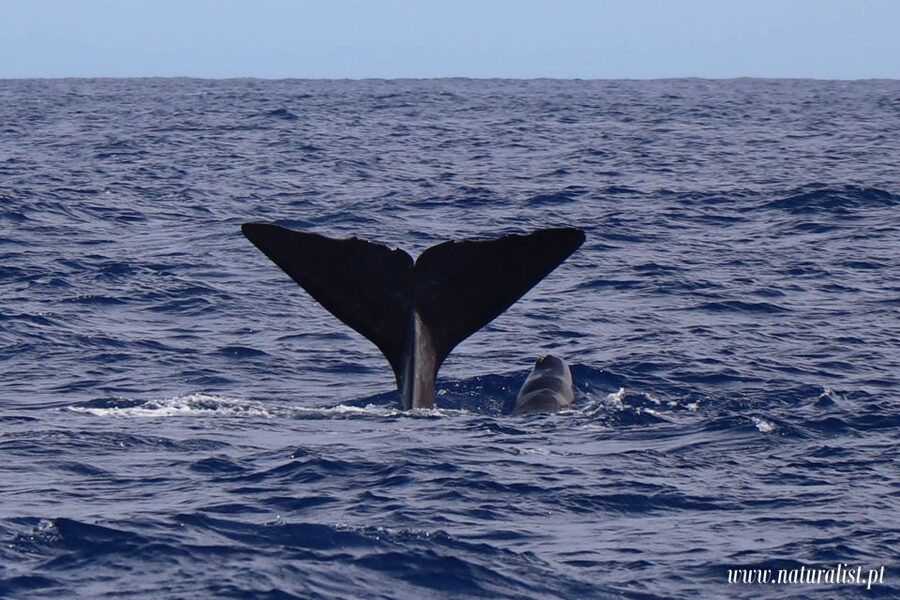
- 2 to 3 cetacean species per trip is the norm, not a promise, with sperm whales often year-round
- Dolphins close to the boat, plus a real chance of turtles and sharks depending on conditions
- Sea birds overhead (corys, great and manx shearwaters, common and roseate terns) while you scan for whales
- Waterproof gear included, and you might even warm up after the ride with tea and cookies
More central-group island hops we have made in Faial Island
- Horta: University Startup Whale and Dolphin RIB Boat Trip★ 4.9 · 225 reviews
- Faial Island: Full Day Tour – Nature and Local Culture★ 5.0 · 213 reviews
- Faial Island: Half Day Tour★ 5.0 · 99 reviews
- Faial Island Tour: Full Day with lunch★ 4.9 · 66 reviews
Horta whale watching by RIB with real University marine research
If you care about seeing whales and dolphins in the wild, Horta is a smart Azores base. What makes this particular whale watching tour in Horta feel different is the mix of speed, expertise, and ongoing research. You are not just buying time on the ocean. You are joining a working lookout and a research-minded team.
The trip typically runs 3 hours, with departures at 09h00 and 14h00. The boat is a semi-rigid RIB carrying up to 16 people, which matters because it keeps the experience more personal than big-deck tours. One review also described a smaller group size around 11 tourists, which likely makes it easier for the crew to position for good viewing and keep everyone comfortable.
You also get onboard framing that helps your eyes keep up. When the biologist talks about feeding behavior, resident versus migratory patterns, and what to watch for on the water, the trip turns into a live field lesson. You will still hope for the big spout on the horizon, but you also learn how to spot what is happening before the whale surfaces.
What you might actually see in the Azores in a 3-hour session
The Azores are famous for cetaceans, and this itinerary is built around that reality. You can see a range of species throughout the year, and the tour shares which ones are being watched for before you go out.
Here is the practical breakdown of what is most likely, depending on the season:
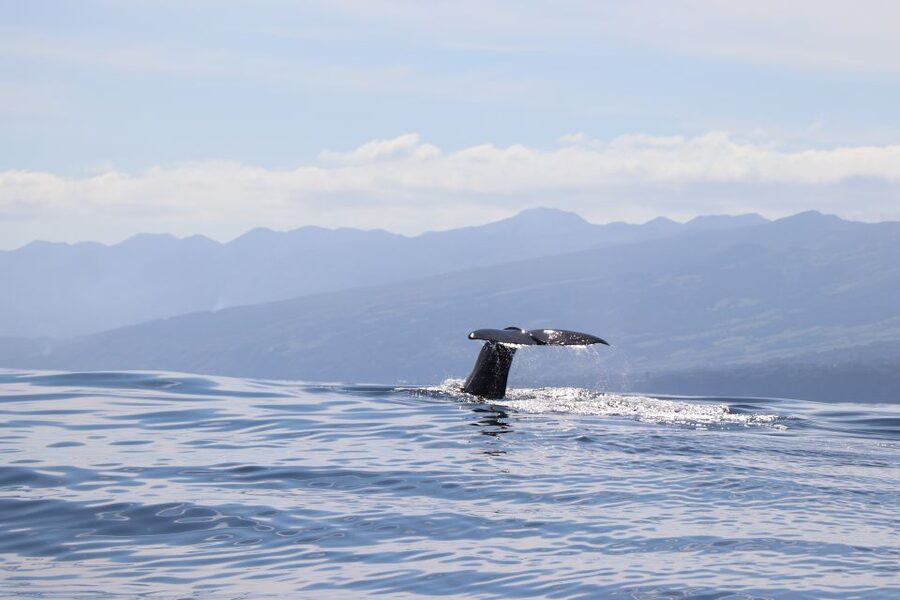
- Sperm whales: present year-round, so they are often the anchor sighting
- Blue and fin whales: more associated with spring
- Bryde and sei whales: can show up in summer
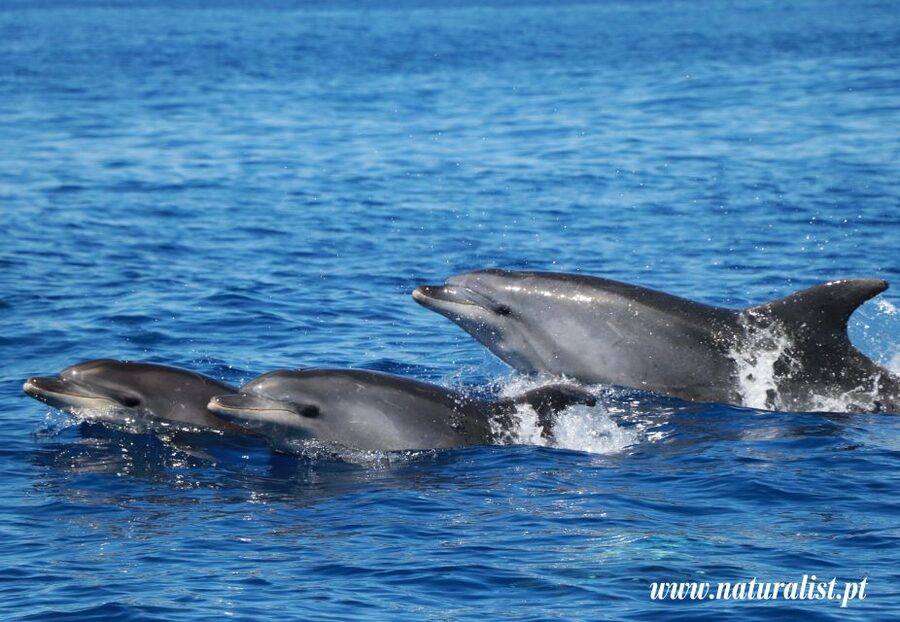
- Dolphins: bottlenose, Risso, and common are resident, while many other dolphin species may appear
Even with all that, the ocean stays the ocean. The tour is realistic about it, and wildlife sightings depend on weather and animal movement. The good news is that the region can be busy. The experience commonly turns into a sequence, where dolphins may show first, then larger whales arrive later, or multiple species feed in the same area.
Beyond cetaceans, you might also spot:
- Turtles: loggerhead and green are found in the Azores, and leatherback and kemp can occur
- Sharks and other fish: hammerhead and blue sharks, plus sunfish can appear
- Cephalopods and sea life: squid and octopus may be seen, and flying fish can show up near the surface
There is also a bird component that many people miss until they are out there scanning. You may notice corys shearwaters, great shearwaters, manx shearwaters, and common and roseate terns working the same patch of ocean. When birds are feeding actively, it is a clue that prey is nearby, and that can help you understand why the dolphins appear or why a whale takes an interest.
From marina to open sea: how the 10-minute safety briefing pays off
Your morning or afternoon starts at Naturalist – Science & Tourism Whale Watching in the marina. Plan to arrive 15 minutes early. That time is not just for formality. It helps you get suited up, meet the guide, and get your bearings so the first sighting does not feel rushed.
The itinerary is simple and efficient:
- Safety briefing (10 minutes)
- Photo stop and guided tour
- Dolphin watching and marine life viewing
- Scenic views while searching
- Whale watching segment (about 30 minutes)
That structure matters because it balances attention. You get time to scan, you get time to follow the action, and you get dedicated whale watching time rather than constant repositioning. Some trips likely involve waiting, then moving fast when a sighting is confirmed. One review even mentioned the captain repositioning twice to come in front and line up the best viewing angle, which is exactly what you want on a RIB: fast, controlled moves when the animals are close.
Also, note the language setup. The marine research experience runs in English or Portuguese, and Spanish is also available. French needs to be requested in advance based on availability. If language matters to you, this is worth checking before you show up.
The University biologist onboard: what you learn while the boat runs
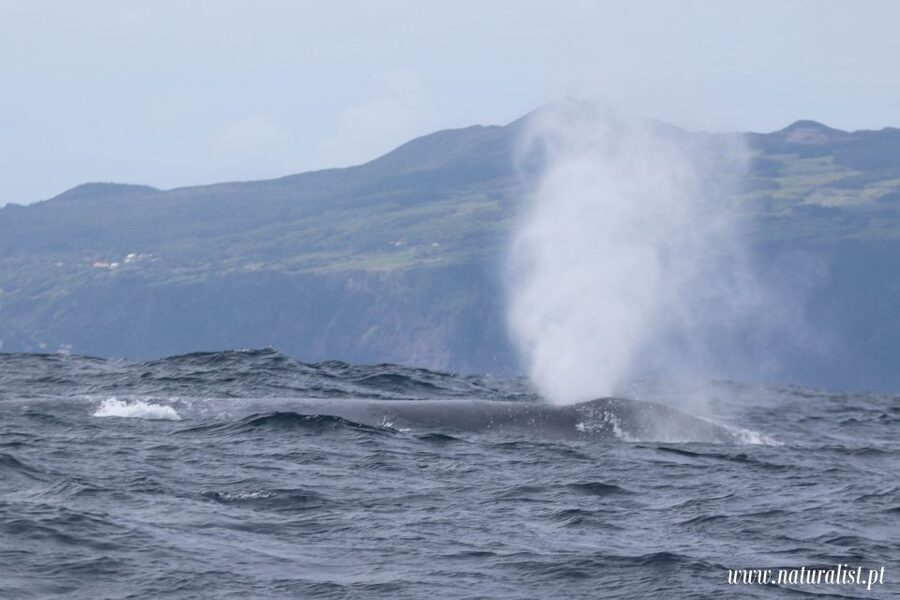
A big part of the value here is the person on board doing the science talk, not just the wildlife itself. The tour includes a marine researcher/biologist from the University of Lisbon and Azores to collect data and share real-time marine biodiversity information.
In the reviews, I saw names like Anna and Cristiana. When they explain what you are seeing, it is not just a list of species. They connect behavior to biology. For example, when dolphins feed, you often see a whole chain reaction in the water, and the biologist can help you understand what is likely happening under the surface.
Some trips also include more than one marine specialist. One review noted two marine biologists, and another mentioned the biologists providing extra context plus photos afterward. So if you are hoping for that extra layer of interpretation, you should know this tour can deliver it.
You are also collecting a “meta” benefit even if you do not do anything yourself. Watching whales with scientific context makes the sightings feel less random. You stop thinking, I hope we see something, and start thinking, I understand why this group is here and what they might do next.

Seeing sperm whales, dolphins, and other wildlife without losing your comfort
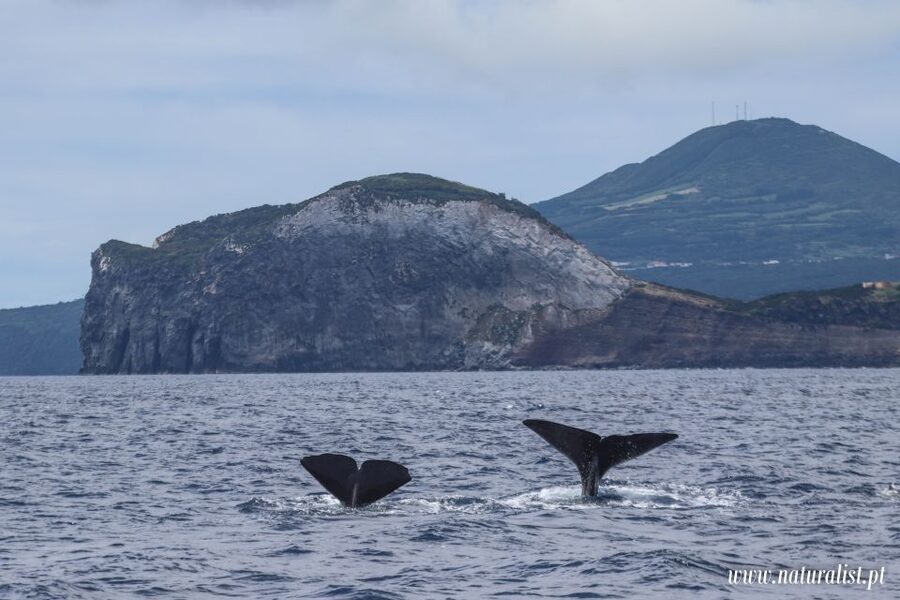
Dolphins and whales do not behave like fixed attractions. You will need to stay alert, and the crew will help you do that.
What I like about this setup is that it is built around the kinds of sightings the Azores are known for:
- Resident dolphins can mean you get action even if whales take time
- Migratory whales can mean the day becomes a chase for a specific pattern
- Feeding zones can pull multiple species into the same area, which increases your odds of more than one highlight
One review described trips where dozens of dolphins, multiple whale types, and huge numbers of birds were active together. Another described a day with sperm, sei, and humpback whales plus hundreds of dolphins. That kind of overlap is not guaranteed, but it is realistic in this region.
You also should be ready for “bonus” wildlife. Reviews mention:
- Loggerhead sea turtles appearing during the outing
- Tuna, shearwaters, and other marine birds in the same zones
- Occasional sightings of sharks and other open-ocean animals
Here is the small practical tip I would give you for whale watching in general, and this tour rewards it. Keep your eyes on the water, not just the horizon. Many animals show surface cues quickly, and when the captain guides you toward the best viewing position, you will want to be ready.
RIB boat ride reality check: waterproof gear helps, but bring the right shoes
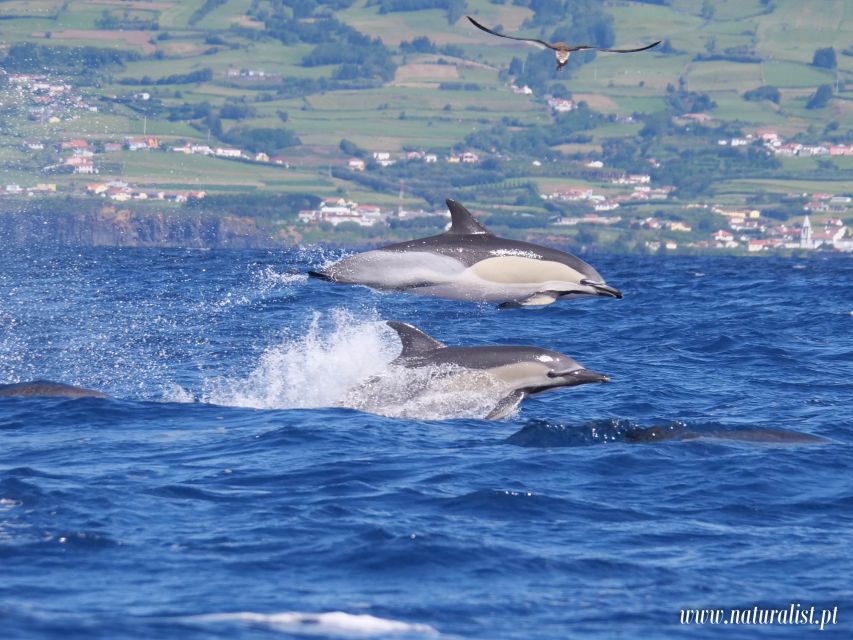
This is a semi-rigid RIB ride, and that is part of the appeal. It is fast, maneuverable, and it puts you close to wildlife more often than big, slow boats.
It is also why the tour includes waterproof clothes. Reviews mention waterproof jackets and trousers being provided, and that helps a lot when the sea spray comes aboard or when you get splashed at the front.
Still, think beyond the included gear:
- Bring waterproof or quick-dry shoes, since the tour gear is not always enough for footwear comfort
- If the seas are rough, expect you may get wet, even with gear
- If you have back issues or have recently had surgery, follow the tour warning and skip this one
One review mentioned a turbulent drive due to weather, but the big whale sighting made it worth it. That is the trade. You are choosing the kinetic, close-up experience knowing the boat ride can be bumpy.
Price and value: is $101 per person a smart deal in Horta?
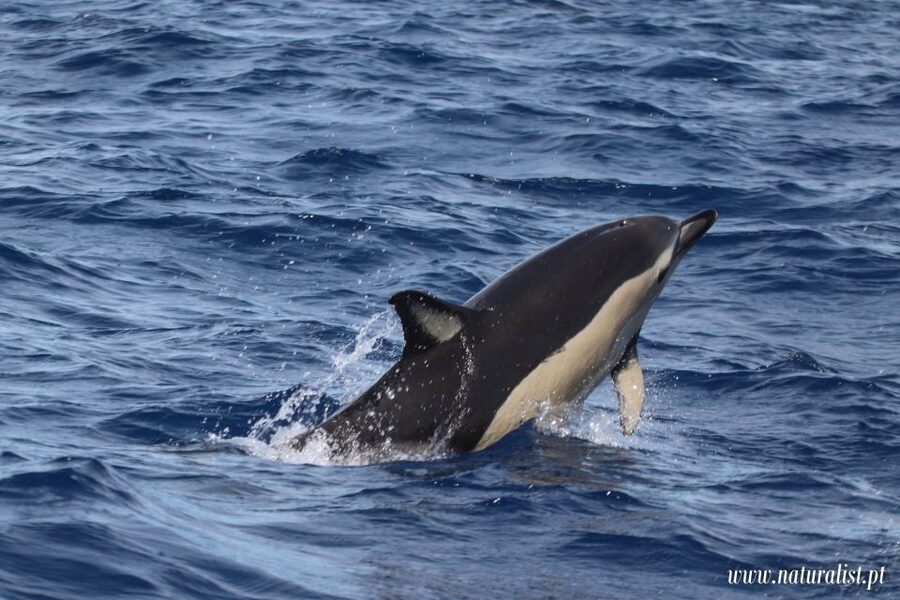
At $101 per person for about 3 hours, this tour sits in a mid-range price point for serious wildlife watching. The key question is value, and here the math is helped by what is included:
Included:
- Marine researcher/biologist on board
- Waterproof clothes
- Safety insurance
- Briefing about the animals and the tour
Not included:
- Food and drinks
- Hotel pickup
If you were to compare a generic boat tour, you would usually pay for the ride and maybe some basic guiding. Here, you are paying for a guided search plus real data collection and specialist interpretation. That matters if you care about understanding what you are seeing and not just checking a box.
Also, the tour often shows 2 to 3 cetacean species per outing in this region. Even when you see one big highlight, the birds, dolphins, turtles, and other marine life can add up quickly. For me, that is why the price feels more reasonable: your “what are the odds” scenario improves because the day can turn into a multi-species watch rather than a single lucky encounter.
One more value angle from the reviews: some guides provide free animal photos after the trip. That is not guaranteed in the provided information, but it is a nice perk when it happens.
Who should book this Horta whale watching RIB trip
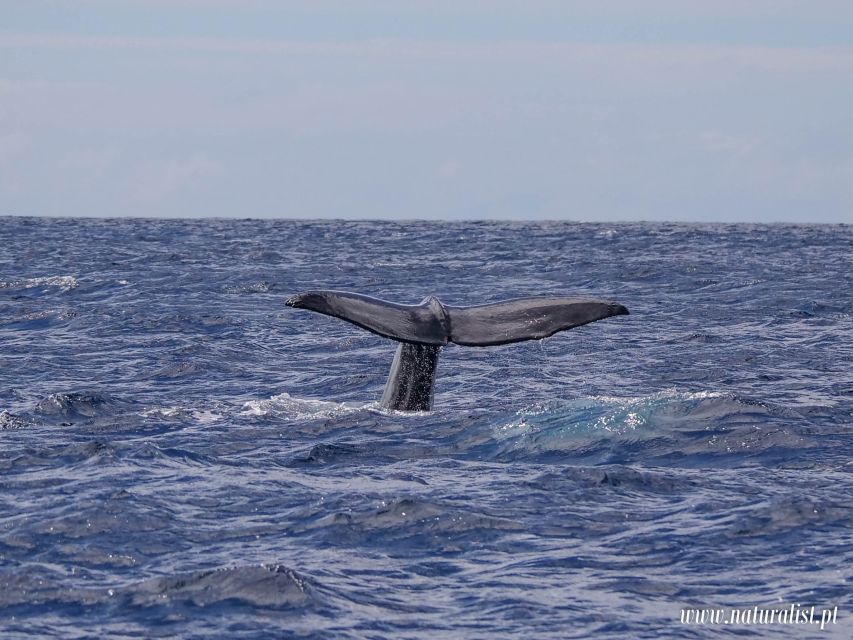
This is best for people who want wildlife in motion, not a calm sightseeing cruise.
You will likely love it if you:
- Want whales and dolphins with real science explanation
- Enjoy fast-paced searching with a team that repositions to improve viewing
- Like the idea of learning species behavior while you are actually spotting it
You should probably not book if:
- You have back problems, are pregnant, or have had recent surgeries
- You are traveling with children under 5
Language is another fit question. The tour runs in English and Portuguese, with Spanish available, and French needs advance request. If you need a specific language, confirm ahead of time.
If you are visiting Faial and Pico, this also makes sense as a flexible “wildlife anchor activity.” It is a half-day commitment with a clear start time, and the crew uses information from whale spotters on the islands. That tends to feel efficient in a region where the best marine days depend on shifting conditions.
Should you book Naturalist – Science & Tourism whale watching in Horta?
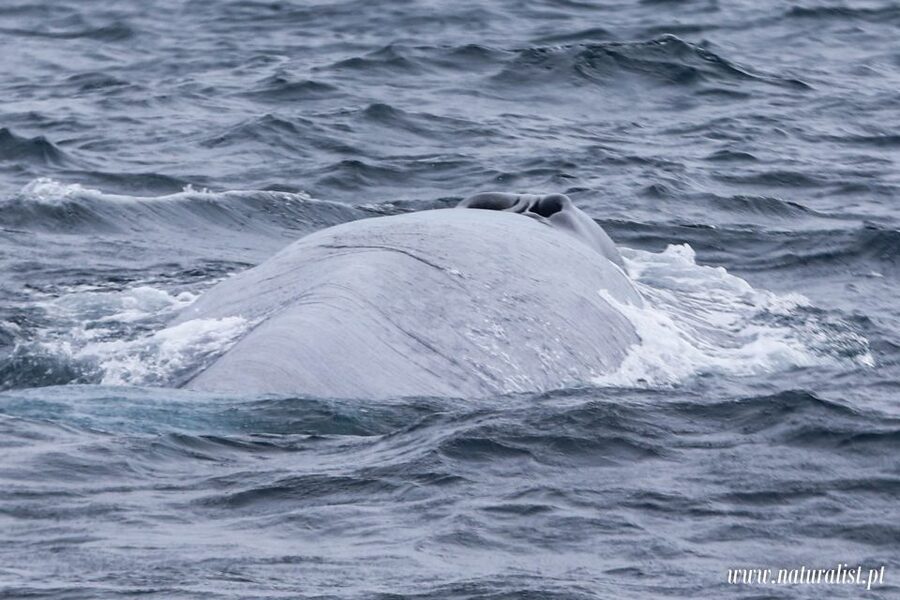
If your goal is to see whales and dolphins in the Azores with a University marine researcher guiding your experience, this is an easy “yes” for most adults who are comfortable on a fast boat.
Book this tour if you:
- Are ready to be outdoors in changing weather
- Want a close-up RIB experience, with waterproof gear included
- Care about understanding what you see, not just getting lucky
Consider passing if you have mobility or medical concerns that make bumpy semi-rigid rides a problem, or if you are bringing very young kids under 5.
One last practical decision rule. If you can be flexible with the date and you are staying in the area for a day or two, the odds improve because weather and animal movement drive the outcome. When conditions line up, this kind of trip can deliver multiple highlights in one outing.
FAQ
How long is the whale and dolphin RIB boat trip?
The tour lasts about 3 hours.
Where do I meet for the tour?
Meet at Naturalist – Science & Tourism Whale Watching in the marina. Plan to arrive 15 minutes before departure.
What species could I see on the trip?
Depending on season and conditions, the region includes resident and migratory cetaceans such as sperm whales, blue and fin whales, humpback and sei whales, plus bottlenose, Risso, and common dolphins. You might also see turtles, sharks, rays and other marine life, and seabirds like shearwaters and terns.
What is included in the price?
The tour includes a marine researcher from the university on board, waterproof clothes, safety insurance, and a briefing about the tour and animals.
What languages are available for the tour?
Tours run in English, Portuguese, and Spanish. French tours need to be requested in advance based on availability.
Is this tour suitable for everyone?
It is not recommended for children under 5, pregnant women, people with back problems, or people with recent surgeries. The activity also depends on weather conditions and can be rescheduled.
Pico, Faial and the Central Group, More Island Hops




Newly added around Faial Island
- Full-Day Private Tour of Faial
★ 5.0 · 40 reviews - Faial Island Tour: Full Day with lunch
★ 4.9 · 66 reviews - Faial Island: Half Day Tour
★ 5.0 · 99 reviews - Faial Island: Full Day Tour – Nature and Local Culture
★ 5.0 · 213 reviews - Horta: University Startup Whale and Dolphin RIB Boat Trip
★ 4.9 · 225 reviews
Other boats, other operators: Pico Island, Faial and the Central Azores.
 ★ 4.3Lisbon: São Jorge Castle E-Ticket and Audio GuideFrom $302,182 reviews
 ★ 4.6Lisbon: Sao Jorge Castle Skip-the-Line Ticket with GuideFrom $371,191 reviews
 ★ 4.9Pico Island: Whale Watching Experience from LajesFrom $68492 reviews
 ★ 4.5São Jorge Castle Skip-the-line Entry TicketFrom $36440 reviews
 ★ 4.8Pico Island: Azores Whale & Dolphin Watching on Zodiac BoatFrom $53408 reviews
 ★ 5.0Faial Island: Full Day Tour – Nature and Local CultureFrom $114213 reviews
 ★ 5.0Pico Mountain: Climb the Highest Point of Portugal 2351mFrom $90187 reviews
 ★ 4.8Faial Island: Half Day TourFrom $69181 reviews