
REVIEW · PORTUGAL
Song of the Sea: Fish, Seafood and Tradition in Lisbon’s Port Zone
A food walk in Lisbon’s port area feels like a secret menu. This one centers on seafood and tradition, guided by locals, with tastings that go beyond what you normally find in guidebooks. I especially like the small-group feel, because you actually talk with the people behind the food. One thing to note, it includes walking with some upward stretches, so wear good shoes and plan for a steady pace.
I like that the tour is built like a real neighborhood route, not a checklist of attractions. You start in the big public food hub, then shift to quieter landmarks and side streets, where the “how” and “why” of Portuguese eating comes through. If you want a seafood-focused day but still enjoy variety, the mix of stops and included meals works well.
You’ll also get plenty of time to pause, snack, and ask questions. The goal is simple: leave Lisbon with a full stomach and a better sense of how seafood culture fits into everyday life.
In This Review
- Key highlights you’ll feel right away
- Lisbon’s Port Zone is made for seafood stories
- Price and what you truly get for $150
- Small-group pace, moderate fitness, and the uphill reality
- Stop 1: Time Out Market Lisboa, where you get your bearings fast
- Stop 2: Chafariz da Esperança, a landmark with quieter food energy
- Stop 3: Jardim 9 de Abril, views and a breather before the next bite
- Stop 4: Alcântara-Mar, seafood and shop-owner conversations
- Stop 5: Museu Nacional de Arte Antiga area, food-hunting without museum time
- What you’ll likely taste, and why it makes sense
- Guides, personalities, and the value of local explanations
- Practical tips to get the best results
- Should you book Song of the Sea in Lisbon?
Key highlights you’ll feel right away
- A tight group (max 7), so conversations with shop owners are realistic, not rushed
- Seasonal sampling, with bites you’re unlikely to see in the same form elsewhere
- Portuguese seafood focus, mixed with sweet and savory classics
- Off-the-main-route stops, including historical landmarks and viewpoints
- All-in meal plan, including lunch plus coffee and/or tea, and alcoholic beverages
Still weighing up the options? These are other Lisbon trips our reviewers have actually been on.
- Lisbon City Center Tour – The Unmissable Lisbon★ 5.0 · 22,234 reviews
- Lisbon: Sintra, Pena, Regaleira, Cabo da Roca & Cascais★ 4.7 · 19,656 reviews
- Lisbon: Jerónimos Monastery Entrance Ticket★ 4.1 · 14,164 reviews
- Lisbon: History, Stories and Lifestyle Walking Tour★ 4.8 · 10,902 reviews
Lisbon’s Port Zone is made for seafood stories
Lisbon’s port side is where food stops being abstract. You can sense the work behind it, the daily rhythm of markets, shops, and family-run producers. And because the tour route threads through neighborhoods rather than big-ticket sights, you see how seafood fits into the wider Portuguese diet.
This is also a practical setup. You’re not just eating. You’re learning what to look for when you’re on your own later, like how seasonal products change the menu and why certain producers develop loyal local followings.
Price and what you truly get for $150
At $150 per person, this is not a bargain snack crawl. It is closer to a guided food day with real food involved. The included items matter: snacks, bottled water, coffee and/or tea, lunch, and alcoholic beverages are all part of the package.
That turns the price into something easier to judge. You’re paying for guide-led access to multiple tasting stops plus a planned route you can follow without guessing. If you normally spend a similar amount on a mix of meals and drinks, paying once for a structured day can feel like better value than piecing it together solo.
One practical note: the tour does not include private transportation. You’ll be on foot and using public transit as needed, which is common for Lisbon walking tours, but it does change how you plan your day.
Small-group pace, moderate fitness, and the uphill reality
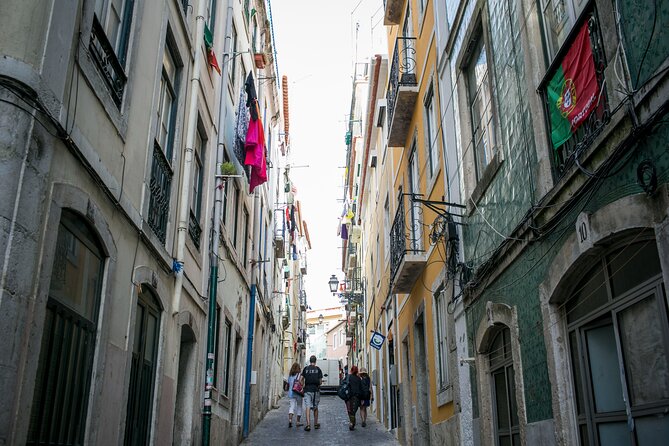
This runs about 5 hours, starting at 9:45 am. It’s designed for a maximum of 7 travelers, so the guide can keep an eye on the group and adjust timing if someone needs an extra minute.
The good news: the stops are paced so you’re not sprinting from one place to the next. The watch-out: there are some upward stretches, and the tour’s physical level is listed as moderate. If you’re good on city walking, you’ll likely be fine. If stairs and hills tire you quickly, plan extra breaks and bring comfortable footwear.
Stop 1: Time Out Market Lisboa, where you get your bearings fast
You meet at Time Out Market Lisboa (Mercado da Ribeira), address Av. 24 de Julho, 1200-479 Lisboa. This is the kind of place that helps you lock in the geography of the area right away. You also get a first taste of Lisbon food in a concentrated setting, which makes the rest of the walk feel like you’re expanding outward.
Expect history and a look at seasonal products. The practical benefit is that you start with recognizable flavors, then build toward smaller, more local stops later. Admission is free for this stop, so you’re paying in time and food, not ticket fees.
What I’d do if you’re the type who likes to order your own food later: use this first hour to learn the names and styles of dishes your guide keeps referencing. You’ll be in a better position to ask smart questions at the next stops.




Stop 2: Chafariz da Esperança, a landmark with quieter food energy
From the market, you head to Chafariz da Esperança for about an hour. This historical landmark gives the tour a sense of place beyond food. It’s a chance to slow down, look around, and connect what you’re eating to the older city fabric around it.
Here, you also get room for small detours, like potentially stopping for a cup of coffee. Admission is listed as free, so this stop is mostly about the walk experience plus whatever tastings your guide chooses to pair with the surrounding area.
Tip: if you’re a first-time Lisbon visitor, landmarks like this help you build mental maps quickly. That means you’ll be more confident exploring on your own after the tour ends near Alcântara.
Stop 3: Jardim 9 de Abril, views and a breather before the next bite
Next comes Jardim 9 de Abril, a park stop with an included admission. You’ll get about an hour here. The listing highlights that it overlooks the next best bite, which is a great way to think about the pacing: you’re not only resting, you’re also using the viewpoint to set up what comes next.
Parks are often overlooked on food tours, but I like them for a simple reason. After market energy and street walking, a green break gives you time to regroup, digest, and keep your curiosity switched on. It also makes the whole day feel less like a nonstop schedule.
If you’re traveling with a daypack, this is a good moment to stash anything you don’t need. And if you like photos, take a few now, when your feet are still fresh.
Stop 4: Alcântara-Mar, seafood and shop-owner conversations
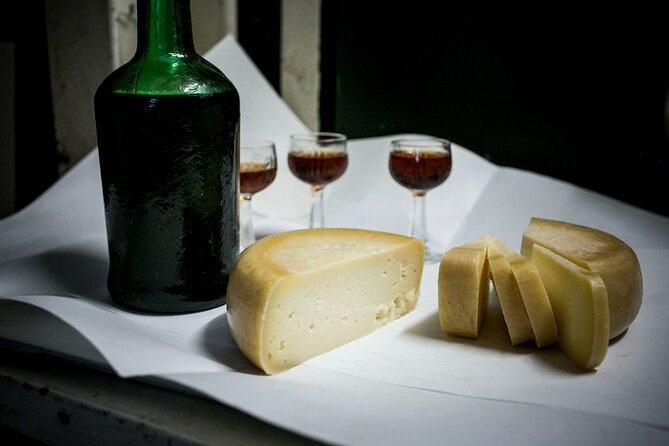
This is the neighborhood section that ties the day together. At Alcântara-Mar, you’ll sample more seafood and meet local shop owners, if they’re available. It’s listed as about an hour, with free admission.
This stop matters because it’s not just about what you eat. It’s about who makes the food part of the local scene. When shop owners can chat, you get details that don’t fit on a menu, like what they’re proud of and what they recommend people try when they’re deciding what to buy.
If you enjoy buying food to bring home, this is the kind of stop that can teach you how to choose. Even without shopping, the stories help you understand what makes one producer different from another.
Stop 5: Museu Nacional de Arte Antiga area, food-hunting without museum time
Your final stop is in the area of Museu Nacional de Arte Antiga. You won’t go into the museum, but you’ll spend about 45 minutes finding more food moments nearby.
Admission is listed as free for this stop, and the focus is clearly on food rather than museum hours. For many people, this is a smart ending. You finish with small, satisfying tastings and a sense of the surrounding neighborhood instead of getting stuck in a long indoor visit.
End point is around Alcântara, 1350-279 Lisboa, near where the tour concludes. Practically, it gives you an easy jump-off point for more wandering, dinner plans, or hopping on public transit.
What you’ll likely taste, and why it makes sense
This tour is seafood-forward, but it is not seafood-only. A good food walk should give variety because it keeps you learning. With snacks, lunch, coffee or tea, and alcoholic beverages included, the day is structured so you don’t just nibble. You eat enough to understand how different flavors work together.
Based on the types of items highlighted, you may run into Portuguese classics like pastel de nata, plus seafood staples such as sardines. You might also see items like local grapes, cheeses, and wines. Even when the exact menu varies, the pattern is consistent: seasonal products, a mix of sweet and savory, and pairings that make Portuguese eating feel like a whole system.
The best part is the guide’s storytelling. The tour description and feedback emphasize learning about the people behind the food and getting a sense of how Portuguese diets and seafood habits developed. That context makes your tastings more memorable. You’re not only tasting, you’re understanding what you’re tasting.
Guides, personalities, and the value of local explanations
Guides make or break food tours, and this one leans heavily on that human element. Two names that come up strongly are Laura and Kika. They’re praised for bringing the food to life with useful details about where to eat, what locals value, and how the products connect to everyday Lisbon.
I also like how this kind of guide work can change what you do after the tour. You leave with better instincts, like what to look for in markets, how to ask questions in shops, and how to choose seafood without falling into the tourist trap of expensive but generic.
A tour can give you a list of places. This one aims to give you a method for finding places.
Practical tips to get the best results
A food tour works best when you show up ready to move and ready to taste. A few simple things help a lot:
- Wear comfortable shoes. Even when the stops are short, Lisbon streets add up.
- Use the included coffee or tea as your reset button, especially after uphill stretches.
- Pace your tastings. Alcoholic beverages are included, so sip and sample thoughtfully.
- Bring curiosity, not just an appetite. The best learning happens when you ask what to buy and why.
- Plan a light evening. With lunch plus snacks already included, you won’t need a big meal right after.
If you like food photos, aim to take them at the landmarks and viewpoints too. Your day won’t be only plates and cups. It’s Lisbon, framed around eating.
Should you book Song of the Sea in Lisbon?
Book it if you want a guided day focused on seafood and tradition with tastings, not just sightseeing. This is especially a good match for you if you like small groups, enjoy talking with shop owners, and want to see Lisbon’s port-side food scene in a route that takes you off the biggest paths.
Skip it, or at least think twice, if you dislike walking hills. The tour has moderate fitness needs, and some upward stretches show up. Also, if you want a heavy museum or indoor-history day, this route is more about food spots around historical landmarks than about long museum time.
If you’re on the fence, here’s the deciding factor I’d use: you’re paying for a full, guided food day that includes lunch, drinks, and a local route built around real producers. If that sounds like your kind of Lisbon, it’s an easy yes.
Newly added around Lisbon
- Lisbon: Street Art Walk
★ 5.0 · 79 reviews - From Lisbon: Nazare Big Waves and Óbidos Guide Day Trip
★ 4.7 · 79 reviews - Small Group Walking Tour of Belém
★ 4.9 · 80 reviews - Lisbon: Regaleira, Sintra, Cape Rock & Cascais Day Trip
★ 4.6 · 80 reviews - Lisbon: Evening Local Food Crawl with Drink Pairings
★ 4.6 · 80 reviews - From Lisbon: Sintra and Portuguese Coast Private Day Tour
★ 5.0 · 80 reviews - Lisbon: Authentic Fado Show, Dinner and Night Tour
★ 4.6 · 80 reviews - Golden Hour Boat Tour – Sailing by the Monuments with Wine
★ 5.0 · 81 reviews - Hard Rock Cafe Lisbon with Set Lunch or Dinner
★ 4.0 · 81 reviews - Fado Musical Experience with Portuguese Wine & Appetizers
★ 4.5 · 81 reviews