
REVIEW · WINE TOURS
Wine Tour
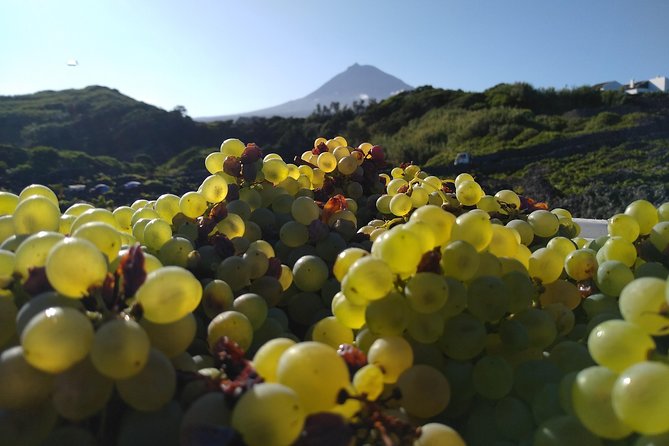
Pico wine hits different when you walk the rows. This 8-hour, max 8 traveler tour strings together UNESCO-vineyard stops with tastings, plus time in Madalena do Pico, the island’s wine hub. Guides like Phillip and Filipe are a big part of the magic, linking the grapes to basalt walls, local history, and everyday island life.
I especially love two things: the wine and brandy tastings paired with real context, and the fact you get a gentle, varied day that includes short walks instead of just sitting on a bus.
One consideration: there’s no pickup or drop-off, so you need to reach the meeting point on your own, and you should plan for a full day when weather gets showery.
In This Review
- Key Highlights Worth Booking
- Pico Wine, Put Together Like a Perfect Intro Day
- Starting at Madalena do Pico, Then Letting the Island Lead
- Picowines Stop: Tastings That Teach You How to Read the Wine
- Pico Wine Museum: Where the Island’s Wine Story Becomes Clear
- Trilha de Vinhas: UNESCO Vineyard Walks You Can Actually Feel
- Lajido da Criacao Velha: Centenary Vines and a Short Trail
- Madalena do Pico Stop: The Wine Capital Moment
- Centro de Interpretacao da Paisagem da Cultura da Vinha: From Vines to Culture
- Lunch That Actually Feeds Your Adventure
- Price, Value, and What You’re Really Paying For
- Who This Tour Fits Best on Pico
- My Decision Guide: Should You Book This Pico Wine Tour?
- FAQ
- FAQ
- Where is the meeting point?
- What time does the tour start?
- How long is the experience?
- Is lunch included?
- Is wine tasting included in the price?
- Does the tour include pickup or drop-off?
- How big is the group?
- Is the tour offered in English?
- What if the weather is bad?
- Can I get a full refund if I cancel?
Key Highlights Worth Booking
- Max 8 travelers keeps questions and pace in a human zone.
- Picowines wine tasting plus an extra local brandy or liquor tasting feel built in.
- UNESCO vineyard walks at Trilha de Vinhas and Lajido da Criacao Velha.
- Museum + interpretation center so you understand how Pico wine became its own system.
- Regional lunch included, with options that can satisfy cheese lovers and hungry hikers.
Still weighing up the options? These are other Pico trips our reviewers have actually been on.
- Pico Mountain: Climb the Highest Point of Portugal 2351m★ 5.0 · 187 reviews
- Whale and Dolphin Watching in Pico Island – Half Day★ 4.5 · 157 reviews
- Route DA Pico Island★ 5.0 · 101 reviews
Pico Wine, Put Together Like a Perfect Intro Day
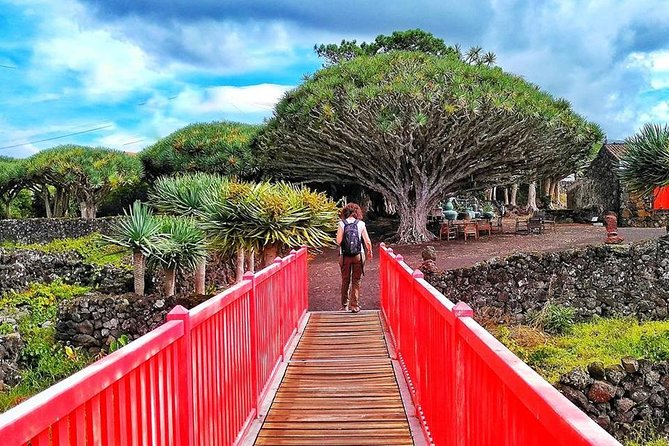
If it’s your first day on Pico, this tour is a strong way to get your bearings fast. You start in Madalena and spend the day moving through the island’s main wine areas, with guided stops that explain not just what you’re tasting, but why the vines grow the way they do.
The small group size matters more than it sounds. With up to 8 people, you get room to ask questions, and the guide can tailor attention if someone has a personal angle. In one case, Filipe went beyond the script after a guest mentioned family roots on Pico, making time for a meaningful detour connected to heritage and a local church visit.
Expect a day that mixes learning with flavor and with practical walking. You’ll go from indoor tastings to museum rooms, then out to vineyard paths with basalt walls and rows that are older than most visitors’ travel memories.
Starting at Madalena do Pico, Then Letting the Island Lead
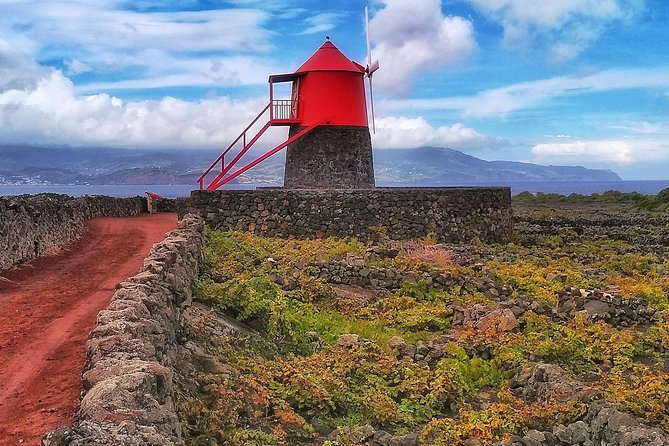
You meet at the João Quaresma Maritime Ferry Terminal in Madalena do Pico, Rua dona Maria da Glória Duarte do, Carmo, 9950-340 Madalena, Portugal. Start time is 10:00 am, and you end back at the same meeting point.
Since pickup is not included, I’d treat this as a “plan your first hour well” kind of day. If you’re staying near town, it’s simpler. If you’re farther out, build in buffer time so you can arrive relaxed, not sprinting.
Once the group is together, the day flows like a loop: wine producers, cultural stops, and vineyard walks, with lunch built in. It’s not a race through checklists. You get multiple moments to slow down and look, especially when you’re out in the vine areas.
Also note: the tour is offered in English, and you’ll use a mobile ticket. Service animals are allowed, and the tour lists participation as suitable for most travelers, so it’s aimed at an easygoing range of fitness, with walking focused on short segments.
Picowines Stop: Tastings That Teach You How to Read the Wine
Your first major stop is Picowines, with a guided visit to a wine company and tastings. This part runs about 1 hour and includes admission.
This is the best place to start because it gives you a baseline. Instead of tasting randomly, you’re guided through how Pico wines are made and how the island’s environment shapes the end result. You’ll also get to sample local bottles, and many people add the brandy or liquor tasting to their mental checklist as a highlight, because it feels like a different category of flavor, not just more of the same.
Why this matters for your trip: by the time you reach the museum and the vineyard walks, you’re not just looking at scenery. You’re connecting what you learned indoors to what you see outdoors. That makes the rest of the day stick.
A practical tip: if you’re sensitive to alcohol, go slow at tastings. The day includes walking, and the goal is enjoyment, not performance.
Pico Wine Museum: Where the Island’s Wine Story Becomes Clear
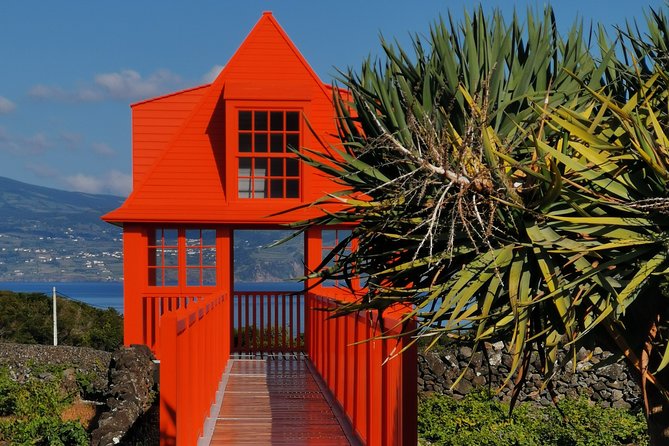
Next is the Pico Wine Museum, a guided tour of about 45 minutes with admission included.
This stop is designed for understanding. Pico wine is not only about grapes, it’s about a system created by island conditions, labor, and long-term thinking. The museum format helps you put names and dates to what you’ll later see outside, especially the vineyard methods tied to Pico’s environment.
It’s also a good break in pace. After a tasting and drive time, museum time lets you reset your focus. If you like culture stops that still connect to food and wine, you’ll appreciate this one.
One nice thing: museum time tends to make the later vineyard areas feel more meaningful, because you’ll recognize ideas when you’re standing among vines and basalt walls.
Trilha de Vinhas: UNESCO Vineyard Walks You Can Actually Feel
After the museum, you head to Trilha de Vinhas, a guided visit to the vineyards recognized as World Heritage since 2004. This segment runs about 1 hour and is admission free.
This is where your senses take over. You get out into the vineyard environment and see how the rows are positioned, how the terrain is managed, and why the walls matter. Even if you’ve visited vineyards on mainland Portugal, Pico does feel distinct, and walking helps you understand the work behind each bottle.
What I like about this stop for first-timers is that it’s not too long. It’s enough time to look closely, ask questions, and feel the space, without dragging you into a long hike. You’re learning, but you’re also sightseeing at an island pace.
If weather is rough, your best move is to keep a flexible mindset. One of the tours’ reviews notes rainy conditions and still describes the day as excellent, which suggests the guide keeps the experience moving even when the sky changes.
Lajido da Criacao Velha: Centenary Vines and a Short Trail
Another vineyard-focused stop is Paisagem Protegida do Lajido da Criacao Velha, with a visit and small trail in the centenary UNESCO heritage vineyards. Plan about 30 minutes, with admission free.
This part is shorter, but it’s memorable because you’re outdoors and the environment becomes the lesson. The centenary wording is a clue: you’re not only seeing plants, you’re seeing time managed in the soil and on the slope.
Why it’s worth doing: the vineyard areas are the soul of Pico’s wine identity. Tastings are the reward, but these vineyard moments are the explanation.
Also, this is the kind of stop where you’ll want shoes that are comfortable on uneven ground. The tour includes walking, and you want to enjoy it, not fight your footwear.
Madalena do Pico Stop: The Wine Capital Moment
In between the vineyard areas and the interpretation stop, you visit the village of Madalena do Pico, described as the wine capital of the Azores.
Even without a detailed time block here, this is the cultural anchor. You get a chance to shift from rural vineyard sites back to town life. This matters because wine on Pico is tied to community rhythms, not only to farms.
For me, village time is also where you can mentally reconnect the day’s wine story. After museums and tastings, it’s helpful to walk through the place where people actually live and celebrate the work behind their bottles.
If you’re the type who loves grabbing small souvenirs or tasting local food beyond lunch, this is where you can start planning what you might do later in the evening.
Centro de Interpretacao da Paisagem da Cultura da Vinha: From Vines to Culture
The final major programmed stop is the Centro de Interpretacao da Paisagem da Cultura da Vinha da Ilha do Pico at Lajido de Santa Luzia, near Dog, Arcos, and Cabrito in the northern vineyard area, UNESCO heritage. This segment is about 1 hour and admission is free.
Interpretation centers are underrated when you’re short on time, but this one fits perfectly into a wine day. You’re not just looking at a place, you’re learning how the wine culture was shaped by its setting and by people working over generations.
This stop also connects your day into a coherent story. You started at the producer, then you learned from the museum, walked among the vines at Trilha de Vinhas, saw centenary vineyard areas, and now you’re tying it all together with culture and landscape management lessons.
Bonus: it’s another chance to step out of the sun or wind if the weather turns. Even if it’s bright, you’ll get a quick, guided reset.
Lunch That Actually Feeds Your Adventure
Regional lunch is included, and in past similar days on Pico, people often mention a hearty buffet feel. One review highlights a lunch with lots of cheese, which tells you this is not a token sandwich break.
Lunch matters because your afternoon includes more vineyard time and interpretation stops. If you skip lunch or eat lightly, the walking and tastings can start to feel harder than they should. With lunch included, you can focus on enjoying rather than calculating.
If you know you’re sensitive to alcohol, it helps to treat tastings like a sampling menu. Eat well first, then taste with intention.
Also, one review mentions a downhill walk with nature after lunch. You should expect some movement after the meal, so comfortable shoes and a light layer can make a big difference.
Price, Value, and What You’re Really Paying For
At $168.96 per person for an 8-hour day, this tour isn’t a bargain-basement activity. The value comes from the combination: producer tasting time, museum admission included, free UNESCO vineyard and interpretation stops, and a regional lunch that keeps the day feeling substantial.
A key point is that the tour is capped at 8 travelers. For many people, that’s where the money goes, because it turns a normal sightseeing day into a more personal experience where you can ask questions and stay engaged.
You’re also paying for a guide who is tied to Pico and wine culture. Reviews mention guides such as Phillip, Filipe, Raiza, Gabriel, and Philippe, all praised for knowledge and for treating questions seriously. While guides differ day to day, the common thread is clear: the guiding is part of what you’re buying.
So, if you want one day that covers vineyards, tastings, and cultural context without you building the route yourself, the price starts to look reasonable fast.
Who This Tour Fits Best on Pico
This is a great match if you want:
- A guided introduction to Pico wine culture without planning every stop
- A day that mixes tastings with short walks
- English-language guidance and a small-group vibe
- UNESCO-related vineyard access with real explanation
It’s also a good choice for couples, solo travelers, and small groups who want a structured day but not a stiff, timed factory schedule.
If you hate tours or you want total flexibility, you might prefer independent driving and self-guided tastings. But if you’re like most visitors, you’ll appreciate having the driving puzzle solved for you and the vineyards explained so you can actually see what matters.
My Decision Guide: Should You Book This Pico Wine Tour?
Yes, book it if this sounds like your kind of day: tastings plus vineyard walks plus museum learning, wrapped into one organized route with lunch included and a small group size.
I’d especially book it early in your trip, because it helps you understand what you’ll see later. Once you’ve walked the UNESCO vineyard areas and tasted the wine with context, the rest of Pico clicks into place more easily.
Skip it only if you’re planning for heavy downtime right now, or if you already know you dislike guided tastings and short walking segments. Remember, there’s no pickup, so you should be comfortable reaching the ferry terminal meeting point yourself.
FAQ
FAQ
Where is the meeting point?
You meet at João Quaresma Maritime Ferry Terminal, Rua dona Maria da Glória Duarte do, Carmo, 9950-340 Madalena, Portugal.
What time does the tour start?
The tour starts at 10:00 am.
How long is the experience?
It runs for about 8 hours.
Is lunch included?
Yes. A regional lunch is included.
Is wine tasting included in the price?
Yes. Wine tasting is included, along with related guided stops where tastings happen.
Does the tour include pickup or drop-off?
No. Pickup and drop-off are not included, and the tour ends back at the meeting point.
How big is the group?
The tour has a maximum of 8 travelers.
Is the tour offered in English?
Yes, it is offered in English.
What if the weather is bad?
The experience requires good weather. If it is canceled due to poor weather, you will be offered a different date or a full refund.
Can I get a full refund if I cancel?
Free cancellation is available. You can cancel up to 24 hours in advance for a full refund.
Newly added around Pico
- Wine Tour
★ 5.0 · 52 reviews - Route DA Pico Island
★ 5.0 · 101 reviews - Pico Mountain: Climb the Highest Point of Portugal 2351m
★ 5.0 · 187 reviews
Other boats, other operators: Wine Tours.
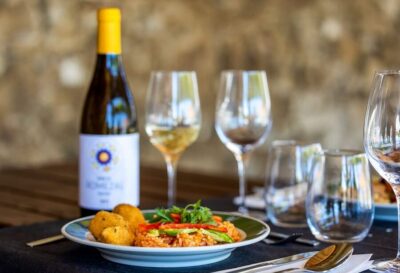 ★ 4.7From Porto: Douro Valley w/ Boat Tour, Wine Tasting & LunchFrom $8219,061 reviews
 ★ 4.8Porto: Live Fado Show with Glass of Port WineFrom $236,498 reviews
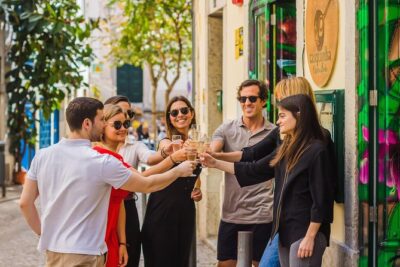 ★ 5.0Winner 2025 Undiscovered Lisbon Food & Wine Tour by Eating EuropeFrom $1256,390 reviews
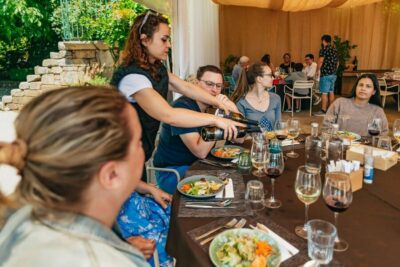 ★ 4.6Douro Valley: Wine Tour with Lunch, Tastings & River CruiseFrom $1136,081 reviews
 ★ 5.0Douro Valley: Historical Sites, Wine Experience, Lunch & CruiseFrom $1075,133 reviews
 ★ 5.0Authentic Small Group Douro Wine Tour with Lunch & River CruiseFrom $1334,775 reviews
 ★ 4.7Lisbon: Live Fado Show with Port Wine in Historic CenterFrom $174,166 reviews
 ★ 4.5Porto: Cálem Cellar Tour, Interactive Museum & Wine TastingFrom $234,113 reviews