
REVIEW · COIMBRA AND THE UNIVERSITY CITY
Coimbra: Guided tour with a local student
Coimbra feels different with a student guide. I like this tour because it treats student traditions as living culture, not museum fluff, and it also makes the big-name university story easy to follow on foot. You get a clear timeline feeling, from the oldest layers of the city up through today.
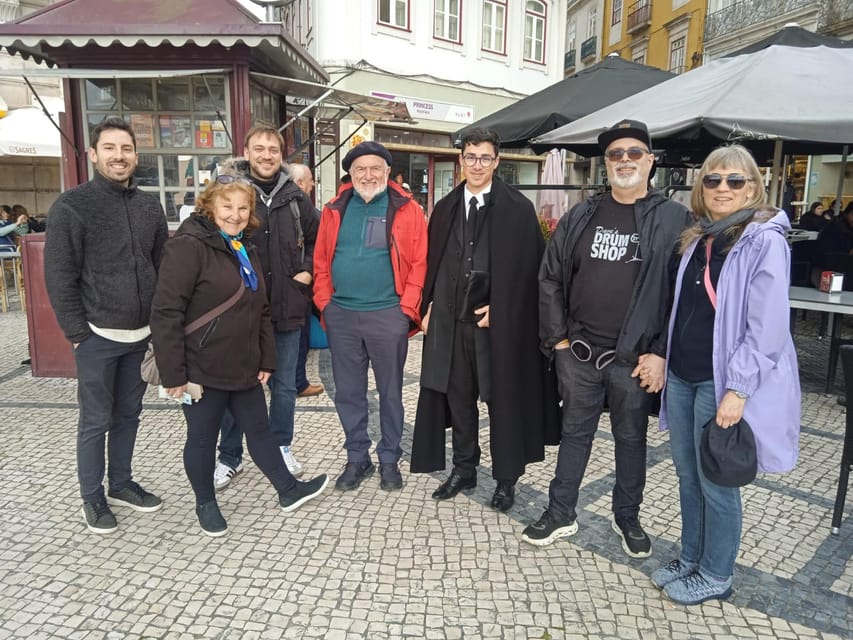
I also love that your guide is a current University of Coimbra student, Daniel, often in traditional student clothing. That changes the vibe. The humor is real, the pride shows, and you get practical city advice that comes from daily life, including where students tend to go and what to eat.
One possible drawback: you do not enter the University buildings or paid interiors like the Joanina Library, so this is built for seeing, walking, and learning from the outside. If you want ticketed interior time, plan separate visits.
In This Review
- Key things that make this student tour work so well
- How a University of Coimbra student makes history feel real
- Starting at Praça da República: get your bearings fast
- Royal Palace and the University zone: why Coimbra still pulls students
- Sé Nova de Coimbra: using the landmark to understand the city’s shifts
- Alta da Cidade: the city’s height is part of the story
- Sé Velha: when the old cathedral zone makes the timeline click
- Santa Cruz Monastery: Coimbra’s deep layers, explained without a museum ticket
- The real star: student life details you can use during your stay
- What you do not do matters for expectations
- Logistics that make a difference on the ground
- Price and value: is $23 for 2.5 hours a smart buy?
- Who should book this student-led Coimbra walk
- Should you book this Coimbra student walking tour?
- FAQ
- Where does the tour start?
- How long is the walking tour?
- How many people are in the group?
- What languages is the tour offered in?
- Do we go inside the University buildings or the Joanina Library?
- Is it suitable for wheelchair users or for people with hearing impairments?
Key things that make this student tour work so well

- You get student-life context, with traditions explained in plain language and in good humor
- Monuments become a timeline, with the city framed from ancient roots to modern Coimbra
- Small group size (up to 8) helps you actually ask questions and get personal answers
- Daniel’s student regalia and outfit make the history feel present, not distant
- You’ll get local tips for what to do next, including where to eat after the tour
Other Coimbra university and old-town visits we have reviewed in Coimbra
- Coimbra: Live Fado Show with Glass of Port Wine★ 4.7 · 998 reviews
- Guided tour of the University and city of Coimbra.★ 5.0 · 377 reviews
- Coimbra: Mondego River Kayaking Tour★ 4.7 · 324 reviews
- Coimbra: Guided tour with a local student★ 5.0 · 170 reviews
How a University of Coimbra student makes history feel real
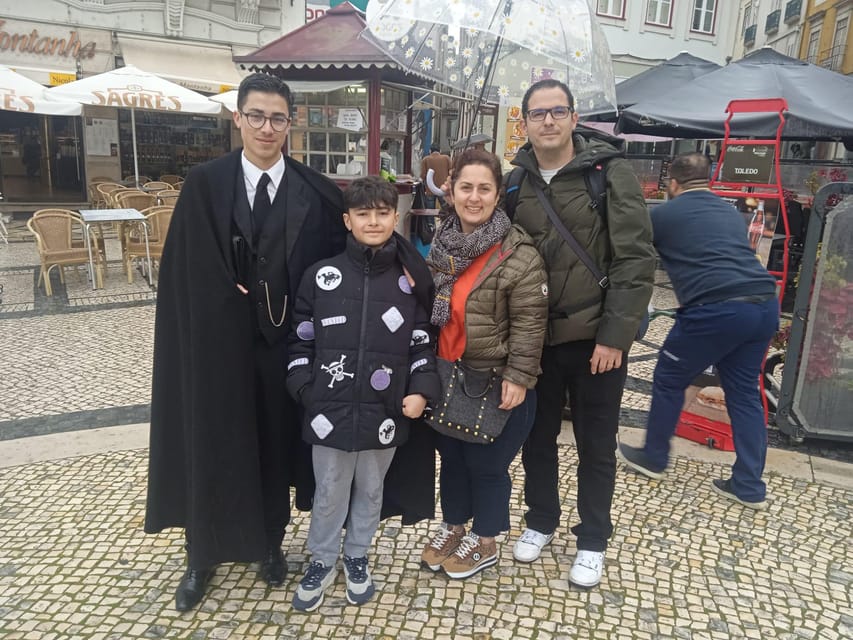
If you usually do history tours that sound like lectures, this one will feel different fast. Your guide, Daniel (and Daniel & Filipe as the experience provider), is not reciting facts just to finish a route. He’s showing you how Coimbra’s identity is shaped by students, old rituals, and the rhythm of campus life.
You’ll notice two things right away. First, the tour blends the big university story with day-to-day details, like how students socialize, study, and dress. Second, the city landmarks are explained as part of a larger pattern, not as isolated photo stops. You end up understanding why Coimbra looks the way it does, and why the university matters beyond academics.
Also, the tone helps. Multiple people praise how Daniel keeps things fun and candid, even when the weather is not cooperative. So if you get stuck with gray skies, you are not stuck with a dull tour.
Starting at Praça da República: get your bearings fast
The tour begins in the middle of Praça da República, where you’ll find your guide wearing a long black cape in traditional student style. This is a smart start, because the square gives you a mental map before you head uphill and into the older streets.
What I like about starting here is that you immediately learn how Coimbra is structured: parts feel civic and practical, and other parts feel steep, historic, and enclosed. That matters later, because once you start moving toward the older religious sites and the university zones, the layout makes sense.
One more small thing that helps: you can ask early questions without feeling like you are already behind. People also recommend not rushing, and this start is where you can set the pace.
Royal Palace and the University zone: why Coimbra still pulls students
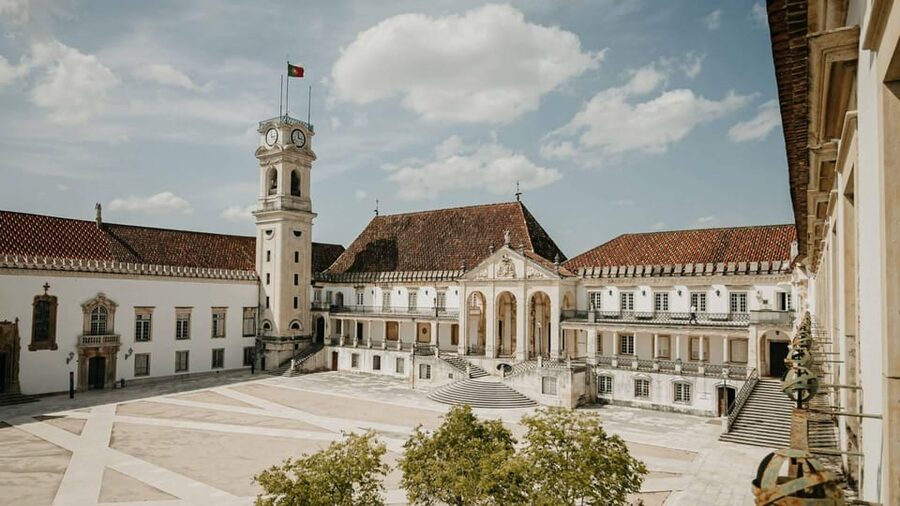
From the start area, the walk brings you to the Royal Palace and the University of Coimbra area. Even without entering buildings, you get a strong sense of the university as a power center and a long-running institution.
Daniel focuses on the creation and evolution of the oldest University in Portugal, and you’ll hear how Coimbra’s academic identity took shape over time. The key here is that you are not just hearing dates. You’re getting a sense of how the university became woven into the city’s daily life.
Look for what’s around you, not just what’s on a sign. The way streets bend, the height shifts, and the placement of major sites all show you why Coimbra feels like a layered place. You’re walking in a town that has been shaped by centuries of scholars.
Sé Nova de Coimbra: using the landmark to understand the city’s shifts
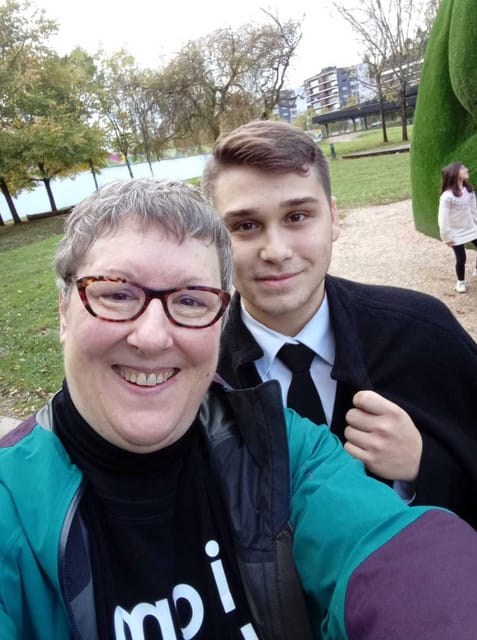
Next comes Sé Nova de Coimbra. Even if you do not go inside paid interiors, the stop is useful because it helps you connect religion, architecture, and civic identity.
You’ll likely get explanations that place Sé Nova within Coimbra’s larger pattern of medieval and later change. The value of this stop is perspective. You start to see how the city’s priorities shifted while still keeping older layers close.
If you like photos, this is a moment to pause and frame the skyline. Cathedrals and major church structures tend to define viewpoints, and a guide who knows the terrain can point out which angles show the best city relationship.
Possible drawback of this kind of stop, and it applies to the whole tour: if your dream is to spend time inside key buildings, your enjoyment depends on whether you are happy with exterior reading. The guide can only help you see so much without ticketed entry.
Other guide-led outings in Coimbra we have booked
Alta da Cidade: the city’s height is part of the story
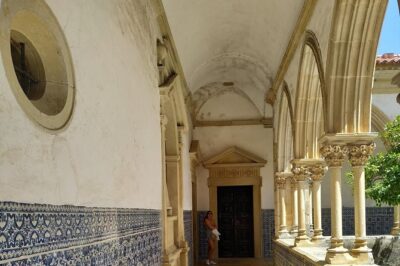
Alta da Cidade is where Coimbra starts to feel like a living stage set. This area is not just scenic. It’s also functional. The elevation shapes how people move, where institutions sit, and how neighborhoods relate.
Daniel uses the uphill segments to connect older eras to the modern city. He highlights the city’s timeline, including how you move mentally from ancient references toward medieval and more contemporary Coimbra. You feel that even if the city does not show a single “Roman ruin moment” at every corner.
Wear shoes you can trust. The tour is not a slow stroll, and this segment is where your legs start to feel the altitude. If you are prone to foot pain, plan for that now rather than hoping it will be fine.
Sé Velha: when the old cathedral zone makes the timeline click

Sé Velha is another key stop, and it helps you compare what you saw at Sé Nova. The names alone tell you there’s a relationship between “older” and “newer,” and a good guide makes that comparison meaningful.
Here’s why this part is worth your time: once you’ve walked through two cathedral zones, you can start noticing contrasts in placement, surrounding streets, and how the city’s historic identity changes from one area to the next. It becomes less about memorizing and more about seeing a logic.
Daniel’s style matters here. Several people highlight his ability to answer questions and share smaller details, including student customs and historical curiosities. That kind of side-story makes the landmark feel personal, not generic.
Santa Cruz Monastery: Coimbra’s deep layers, explained without a museum ticket
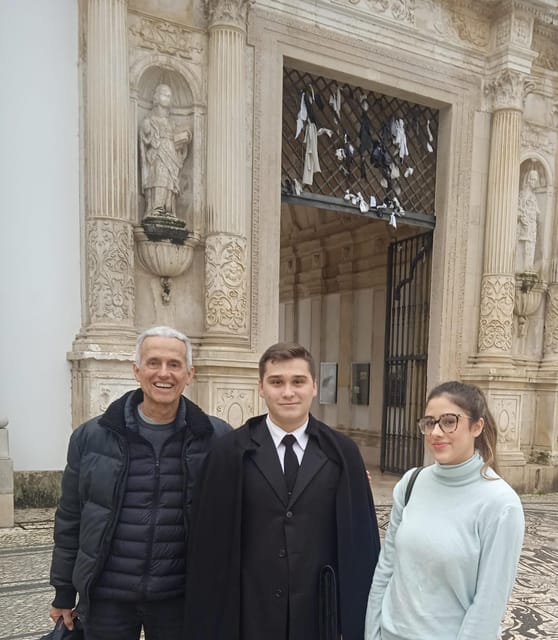
Santa Cruz Monastery is one of those stops that can feel like a “must.” But what makes it special on this tour is the framing. You do not just view stonework. You connect it to Coimbra’s long timeline and the role institutions played in shaping culture.
The experience description promises travel in time from roman to contemporary, and this stop is where that idea becomes tangible. Even from outside, monasteries like this tend to anchor stories about learning, faith, and the continuity of place.
You will likely leave Santa Cruz with a stronger sense of what makes Coimbra different from other Portuguese cities. It is not only the landmarks. It is the way the landmarks point back to a university city that has had centuries to invent traditions.
The real star: student life details you can use during your stay

This is the part people love most, and it’s the part you cannot fake with a self-guided walk.
Daniel talks about students as students, not students as tour props. You’ll hear about how they socialize, how they manage studies, what they wear, and what the traditions mean. The goal is to help you understand the atmosphere you’ll feel if you spend time near campus areas on your own.
Practical tips show up too. Multiple guide-advice themes appear in the feedback: Daniel recommends places to eat that students actually like, and he shares hangouts that feel more local than touristy. Even if you do not copy the exact plan, you leave with better decision-making instincts.
If you like asking questions, this tour supports that. People report that Daniel answers a lot and keeps his knowledge accessible. That matters when you are trying to separate major sights from what is worth your limited time.
One more helpful note: the guide sometimes uses visual aids to explain concepts and traditions. That can make the harder historical bits easier to grasp while you’re standing in the real setting.
What you do not do matters for expectations
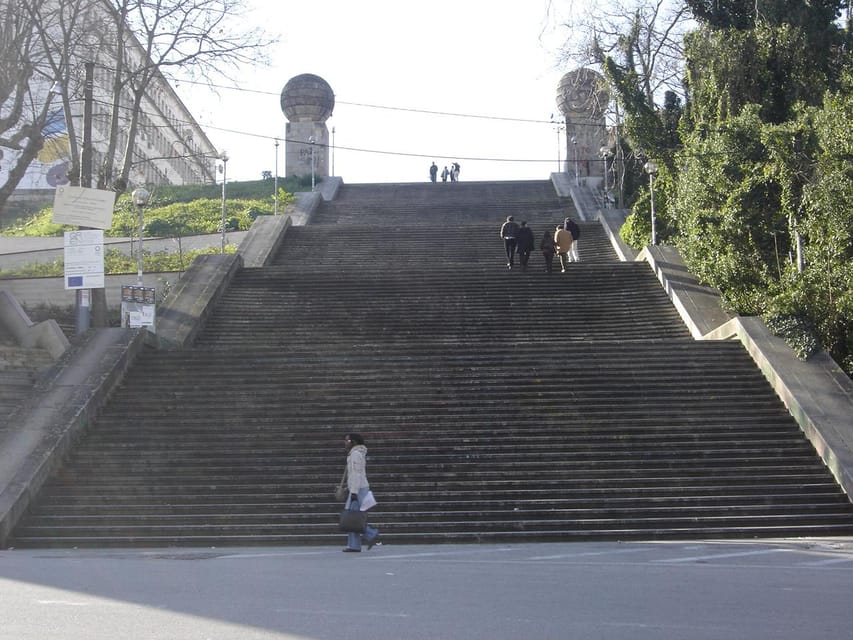
Here’s the clearest expectation-setting point: this is a walking tour with sightseeing, and it does not include entering University buildings. It also does not include entering the Joanina Library or any paid museums and paid activities.
That doesn’t make it bad. It makes it different. You’ll spend your time connecting the dots across key exterior landmarks and city areas, plus learning student traditions in a tight 150 minutes.
If your ideal day in Coimbra is all interiors, you should treat this as a solid intro that helps you choose which paid spots to prioritize later. Think of it as orientation plus story, not a replacement for ticketed experiences.
Logistics that make a difference on the ground
This runs about 150 minutes, and it is a small group limited to 8 participants. That size is big enough for lively conversation and small enough that you do not feel like you’re lost in the crowd.
Your guide speaks English, Portuguese, and French. So if you are comfortable in one of those languages, you’ll have an easier time keeping up with details and asking questions.
You also want to be ready for real walking. Comfortable shoes are non-negotiable here. Bring water, and bring a camera, since exterior viewpoints and student regalia photo moments are part of the fun.
If weather is rough, do not assume you will lose the tour. People report rainy-day success. Still, plan like rain is possible: pack a light layer and a small umbrella if that’s your style.
Price and value: is $23 for 2.5 hours a smart buy?
At $23 per person for about 150 minutes, this is strong value if you care about context. You are not paying just for landmarks. You’re paying for a local student host plus time at multiple major sites, and you’re getting city advice that can save you hours of wandering.
The value gets even better because the group is small. In bigger tours, you often get a checklist and a brief answer. Here, you have room for questions, and Daniel’s humor and personal explanations show up more naturally.
If you dislike walking or you need full interior access to major buildings, then the price may feel less justified. In that case, your money might be better spent on paid entry experiences. But if you want a clear, friendly way to understand Coimbra fast, this price looks fair.
Who should book this student-led Coimbra walk
I’d especially recommend it if you:
- Want Coimbra explained by someone currently living the student culture
- Prefer stories and humor over a strict monument checklist
- Are okay with sightseeing without entering paid interiors
- Want practical next-step tips for where to eat and what to see after
I’d think twice if you:
- Need wheelchair access or have mobility limits, since it is not suitable for wheelchair users
- Are hearing-impaired, since it is not suitable for hearing-impaired people
Should you book this Coimbra student walking tour?
Yes, if your goal is to understand Coimbra in a short, human way. This tour is built for people who like learning from the inside, student traditions included, and who enjoy seeing the city’s layers move from one landmark to the next.
Book it when you want orientation and story more than ticketed interiors. The walk helps you make better decisions for the rest of your day, because you’ll know what the university means in the city and where the important zones sit.
If you want, after this tour, to spend time inside major rooms or libraries, plan that as a separate step. Do the walk first for context, then choose interiors with a clearer sense of what you are looking at.
FAQ
Where does the tour start?
The meeting point is in the middle of Praça da República.
How long is the walking tour?
It lasts about 150 minutes.
How many people are in the group?
The group is limited to a small size of up to 8 participants.
What languages is the tour offered in?
The guide speaks English, Portuguese, and French.
Do we go inside the University buildings or the Joanina Library?
No. The tour does not include entering the University buildings or the Joanina Library.
Is it suitable for wheelchair users or for people with hearing impairments?
No. It is not suitable for people with mobility impairments, wheelchair users, or hearing-impaired people.
Other Days Out Around Coimbra





Guide-Led Outings in Coimbra, More Bookings

Coimbra and the University Hill, Other Visits

Newly added around Coimbra
- Lousa Mountain Private Tour
★ 5.0 · 88 reviews - An adventure through the Schist Villages of Lousã
★ 5.0 · 98 reviews - Convent of Christ Tour “Portugal in the Map” – Visit Tomar with a local guide!
★ 5.0 · 105 reviews - Schist Villages at Lousa Mountain
★ 5.0 · 127 reviews - Coimbra: Barca Serrana Traditional Boat Trip
★ 4.6 · 127 reviews - Conimbriga and The Roman Tour
★ 5.0 · 132 reviews - Joanina Library & Coimbra University | Private Former Alumni Tour
★ 5.0 · 135 reviews - Portugal dos Pequenitos entry ticket
★ 4.2 · 167 reviews - Coimbra: Guided tour with a local student
★ 5.0 · 170 reviews - Coimbra: Mondego River Kayaking Tour
★ 4.7 · 324 reviews
Other boats, other operators: Coimbra and the University City.
 ★ 4.7Coimbra: Live Fado Show with Glass of Port WineFrom $18998 reviews
 ★ 5.0University of Coimbra guided tours without queueFrom $66518 reviews
 ★ 5.0Guided tour of the University and city of Coimbra.From $82377 reviews
 ★ 4.7Coimbra: Mondego River Kayaking TourFrom $35324 reviews
 ★ 4.5Aveiro and Coimbra Small Group Tour with Moliceiro Boat CruiseFrom $126236 reviews
 ★ 4.6From Porto: Aveiro & Coimbra Tour with Moliceiro Boat CruiseFrom $125219 reviews
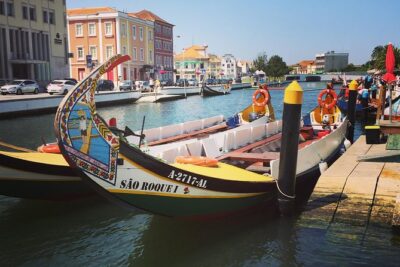 ★ 4.5Full Day Tour from Porto to Coimbra and Aveiro with River CruiseFrom $119166 reviews
 ★ 4.9University of Coimbra Walking TourFrom $96140 reviews
Filed under