
REVIEW · PORTUGAL
Schist Villages at Lousa Mountain
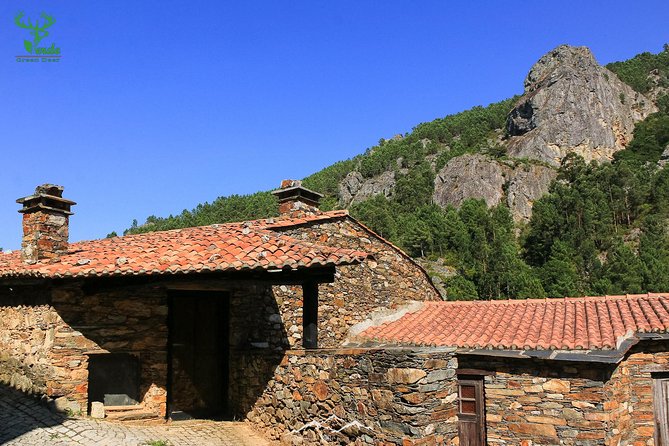
If you like real villages more than postcard stops, this one works. The Schist Villages around Lousã Mountain feel timeless, with slate streets, restored stone houses, and wide mountain views that you only get by going up into the hills.
I love the mix of easy-to-enjoy walking stops and off-road driving that gets you to villages most day-trippers never reach. I also really like how the guide explains what’s happening now, not just what used to be there, including restoration and how life continues in the area. My main consideration is that this is a stairs-and-slopes kind of visit, so wear grippy shoes and go at your own pace.
In This Review
- Key Things to Know Before You Go
- Schist Villages on Lousã Mountain: What Makes This Area Different
- Price and Value: Is It Worth $102.80?
- Getting There From Coimbra: Pickup, Meeting Point, and Road Reality
- Cerdeira: Slate Paths, a Hidden Spring, and Local Creativity
- Candal: A More Developed Village With Mountain Weekend Energy
- Aldeia do Talasnal: Restoration Details You Can Actually See
- Casal Novo: The Village You Almost Miss (In a Good Way)
- Aldeia de Gondramaz: A Restored Slate Village and Coffee Time
- Aldeias do Xisto: Walking Between Cadaval Cimeiro and Cadaval Fundeiro
- Full-Day Option: Aigra Velha, Aigra Nova, and Pena
- Aigra Velha: Highest Altitude, Wide Horizons
- Aigra Nova: Three Streets, Pastures, and Farm Life
- Pena: Schist and Quartzite, a Chestnut at the Entrance, and Water Power
- How the Tour Actually Feels: Pace, Steps, and Your Guide’s Role
- Photography, Binoculars, and Wild Nature Moments
- Meals and Snacks: What’s Included and What to Plan For
- Who Should Book This Tour From Coimbra
- Should You Book the Schist Villages at Lousã Mountain?
- FAQ
- How long is the Schist Villages at Lousã Mountain tour?
- Is hotel pickup included?
- What is included in the price?
- Are meals included?
- Which stops are only for the full-day tour?
- Is it free to cancel, and what if weather is bad?
Key Things to Know Before You Go
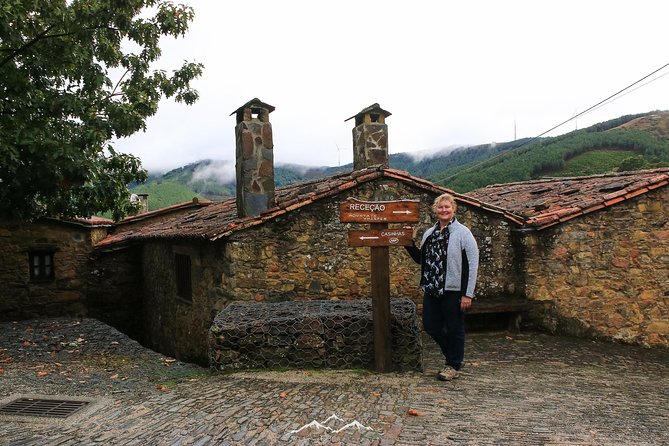
- Private feel with small group limits: max 10 per booking, and it’s only your group.
- Off-road roads plus walking: you’ll be on uneven, unpaved surfaces and up-and-down stone paths.
- Restored Aldeias do Xisto villages: slate villages with different stages of restoration.
- Half-day or full-day options: full day adds higher villages like Aigra Velha, Aigra Nova, and Pena.
- Photo and binocular extras: a professional photographer guide adds a souvenir photo, and you get binoculars.
Still weighing up the options? These are other Coimbra trips our reviewers have actually been on.
- Coimbra: Live Fado Show with Glass of Port Wine★ 4.7 · 998 reviews
- University of Coimbra guided tours without queue★ 5.0 · 518 reviews
- Guided tour of the University and city of Coimbra.★ 5.0 · 377 reviews
- Coimbra: Mondego River Kayaking Tour★ 4.7 · 324 reviews
Schist Villages on Lousã Mountain: What Makes This Area Different
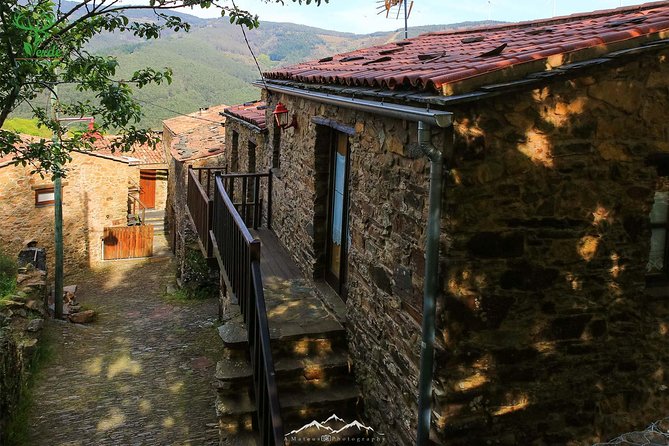
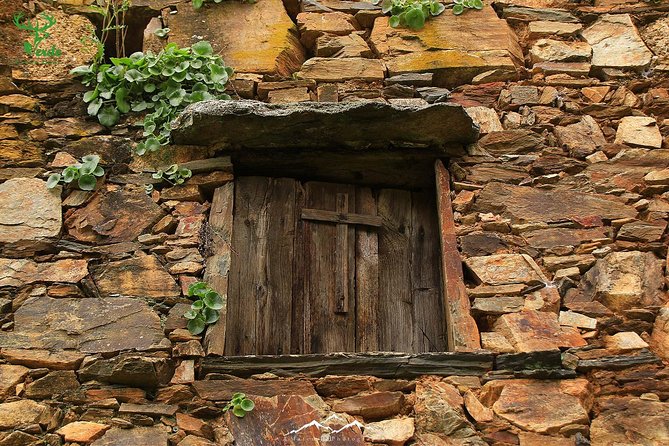
The schist villages around the Lousã Mountain are famous for one thing: stone that looks like it grew out of the earth. The houses, the steps, the small walls, even the way water finds the valley, all tie back to the local schist and the shape of the mountains.
What makes this tour special for you is that you are not just stopping at a scenic pull-off. You drive into mountain country, then you spend real time moving through villages like Cerdeira, Candal, and Aldeia do Talasnal, where restoration efforts are visible in the details.
And yes, you get the atmosphere people come for. Expect quiet lanes, spring water stories, and that slow feeling you only get when you’re away from big-city traffic.
Price and Value: Is It Worth $102.80?
At $102.80 per person, you’re paying for a bundled day of transport, guiding, and access to multiple villages in one go. You also get some practical extras that help you enjoy the scenery more, like binoculars and a souvenir photo taken by a professional photographer guide.
The value gets even better if you’d rather not rent a car and fight mountain roads on your own schedule. The tour includes transport by private vehicle and optional hotel pickup and drop-off in central Coimbra and nearby towns (if you choose that option). For many visitors, that convenience is the difference between seeing the villages and just reading about them.
One more value point: meals are not forced. If you want a local lunch or snack, you can, but it’s listed as optional and paid separately on site.
Getting There From Coimbra: Pickup, Meeting Point, and Road Reality
You start and end at Largo da Portagem, 3000-337 Coimbra. If you pick the hotel pickup option, you can be collected from most hotels in central Coimbra, plus areas like Lousã, Miranda do Corvo, Condeixa-a-Nova, and Penela, as long as parking is available.
If you’re outside that zone, they can still pick you up for an additional fee (listed as 10€ to 20€). This matters because the schist villages sit up in mountain terrain, so saving time on transfers helps you spend more of your day actually walking and looking.
Now the road reality: you will be on unpaved and steep mountain roads during the tour. That’s part of why the experience feels adventurous. If you get motion sick easily, it’s worth taking that seriously and saying something to your guide about your comfort level.
Cerdeira: Slate Paths, a Hidden Spring, and Local Creativity
Cerdeira is the village that makes you stop mid-sentence. At the entrance, a small bridge leads you toward a handful of houses framed by thick foliage. It feels like crossing into a quiet fantasy, but the magic stays grounded in the details.
You’ll notice a slate path that points the way toward a spring hidden among lush vegetation. That’s the kind of “small” feature that makes a big difference here, because the village is arranged around water and terrain.
Cerdeira also has an active cultural side. At certain times of year, it can host events that combine art and botany, which turns your visit from a simple walk into something more alive and seasonal.



Candal: A More Developed Village With Mountain Weekend Energy
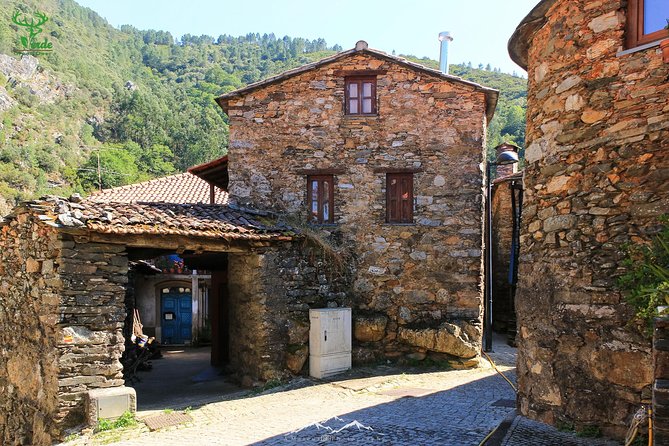
Candal is the opposite vibe from Cerdeira in a good way. It’s considered the most developed of these mountain villages, and the National Highway makes it easier to reach.
Because it’s easier to get to, Candal is one of the most visited villages. You’ll likely feel that in the energy: a bit more movement, more weekend visitors, and a more social atmosphere.
If you like villages where you can see how people live alongside tourism, Candal is a smart stop. It keeps the tour from feeling like only a museum of stone.
Aldeia do Talasnal: Restoration Details You Can Actually See
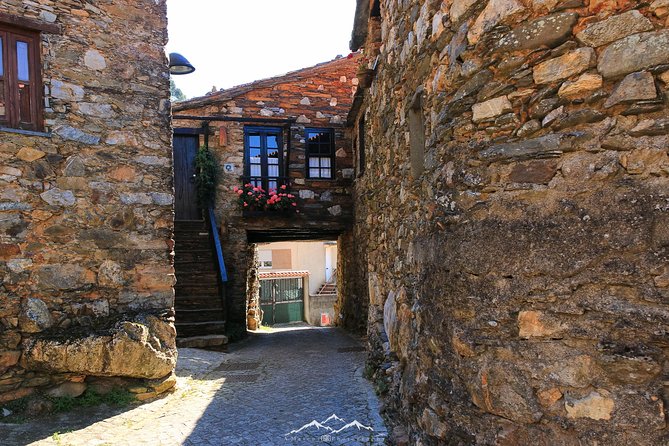
Aldeia do Talasnal is where you start appreciating the craft of restoration. This village is widely known for the charm created by careful rebuilding of its houses and the overall attention to details.
What I like about a place like this is that it teaches you what “preserving” can really mean. It’s not only about keeping walls standing. It’s about restoring the village in a way that still makes sense for life there now.
The stop description also hints at something more intimate, like being seduced through the mouth. In plain terms, it’s a reminder that schist villages are not just for looking, they’re for tasting and slowing down.
Casal Novo: The Village You Almost Miss (In a Good Way)
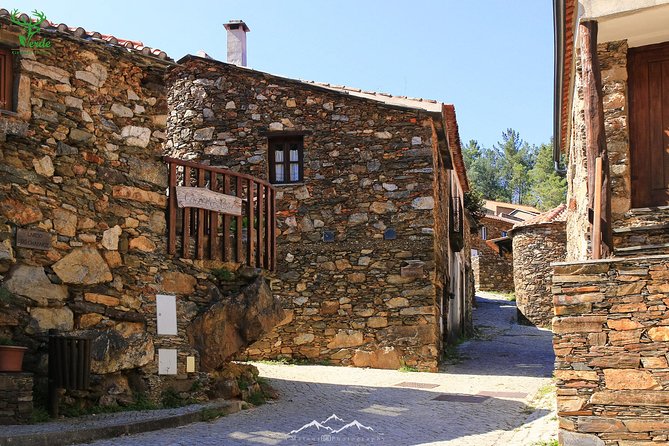
Casal Novo doesn’t announce itself. You pass along an unpaved road, and the village’s outline almost disappears as the woodland hides it from view.
That makes the arrival feel earned. You’re not being rushed to a viewpoint. You’re discovering a settlement that fits into the hillside fold, north-facing and tucked into trees.
This is the kind of stop that helps your brain settle. It breaks up the day so you’re not just collecting villages, you’re experiencing how they relate to the mountain.
Aldeia de Gondramaz: A Restored Slate Village and Coffee Time
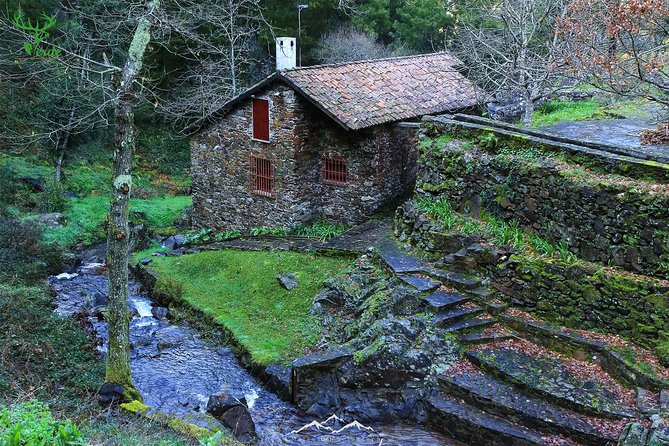
Gondramaz is described as a completely restored shale village, with about 50 houses. It also has a tourist resort, so it functions as a comfortable pause point in the middle of the mountain day.
You’ll have coffee here, which is not just a break. It’s a chance to sit, catch your breath, and look at the village layout without rushing to the next stop.
This stop is a nice balance after villages where you might notice more wild edges. Gondramaz feels like a place designed for both visitors and daily life, which makes the restoration feel practical instead of purely decorative.
Aldeias do Xisto: Walking Between Cadaval Cimeiro and Cadaval Fundeiro
This is where the tour turns from “pretty stone villages” into a story about survival and rebuilding. You’ll visit Cadaval Cimeiro and Cadaval Fundeiro, which were abandoned after being burned twice in the 1980s.
Then you’ll hike between the two. You’re moving through the space where history happened, and you get to see how a landscape can change after hardship, then come back with new life.
The hiking here is part of the value. It’s not only about distance. It’s about feeling connected to the area’s shape, and getting mountain air while your guide explains what’s being restored and why.
Full-Day Option: Aigra Velha, Aigra Nova, and Pena
The full-day itinerary adds the higher and more spread-out villages. The tour notes that Aigra Velha, Aigra Nova, and Pena are only included on the full-day option, which matters if you’re trying to plan a shorter visit.
Aigra Velha: Highest Altitude, Wide Horizons
Aigra Velha is the highest altitude schist village listed here, at 770 metres. It’s described as not far from the summits of the Lousã Mountain, yet it’s still easy to get to, which helps if you want altitude without turning the day into an endurance test.
The village is small, but the views around it are the point. Here everything feels simple and driven by the natural cycle of the area.
Aigra Nova: Three Streets, Pastures, and Farm Life
Aigra Nova is laid out with a simple structure: three small streets that cross the village. Instead of “only stone and quiet,” this stop leans into everyday agriculture.
Spring and mild climate support market gardens, livestock, and even donkeys. If you like seeing the working side of rural Portugal, Aigra Nova adds that texture.
Pena: Schist and Quartzite, a Chestnut at the Entrance, and Water Power
Pena is built from a combination of schist and quartzite, and the village entrance is guarded by a centuries-old chestnut tree. That’s the kind of landmark detail that makes the village feel anchored to time.
The village developed along a promontory, so the houses seem to defy gravity. Then the village makes use of crystal-clear stream waters, with the Penedos de Góis offering adventure for the daring.
Even if you don’t go full adventure-mode, Pena gives you a dramatic sense of how topography shapes settlement.
How the Tour Actually Feels: Pace, Steps, and Your Guide’s Role
This tour is built for wandering, not sprinting. You can alter the schedule or pace on a private tour, which means you can slow down for photos, linger at viewpoints, or take short breaks without feeling awkward.
That said, be ready for physical unevenness. You’ll walk stone paths with steps, and you’ll be going up and down throughout the day. One of the reasons people love the tour is that the guides seem to adapt, but your best move is to come with shoes that grip.
Off-roading adds a real adventure layer. Reviews also mention guides who drive carefully on steep, non-paved roads, and the general feeling is that you’re safe while you enjoy the ride.
Photography, Binoculars, and Wild Nature Moments
This experience includes a professional photographer guide and one souvenir photo. That’s handy if you’re traveling solo or you want at least one good shot that doesn’t rely on strangers and shaky arms.
You also get binoculars. That’s not just a gimmick. In mountain country, it helps you spot details in the woods and distant movement when your guide points something out.
The tour atmosphere tends to support these moments because you’re not rushing. When you’re in the villages and on the paths longer, you have more time to notice animals, trees, and seasonal plants.
Meals and Snacks: What’s Included and What to Plan For
Food and drinks are not included unless specified. Meals as per itinerary (lunch or dinner) are listed as optional and paid separately on site.
So bring a simple plan: if you see a local snack break or coffee option, grab it. If you have dietary needs, check with your guide during the day since the tour description doesn’t promise specific menu options.
If you want to taste local specialties, this kind of rural outing is often where you can do it without adding extra logistics to your schedule.
Who Should Book This Tour From Coimbra
I’d point you toward this tour if you want:
- Real villages with stone restoration you can see up close
- Mountain walking without a full-on trek day
- A guide who can explain the area’s past and present side by side
- A break from city tours, with quiet and wide views
It’s also ideal if you’ll be staying in Coimbra and want a day that feels like Portugal’s interior, not just another museum morning.
If you’re short on time, the half-day option can work well. If you want the higher villages and more variety in terrain and scenery, go for the full-day choice.
Should You Book the Schist Villages at Lousã Mountain?
Book it if you like off-road access, stone villages, and slower walking. This tour has a strong “friend shows you around” vibe, especially when the guide helps you connect what you’re seeing with why these places matter. The combination of transport, stops, and included extras like the photo and binoculars is a good value for an organized day.
Skip it or reconsider if you know you’re sensitive to uneven ground, lots of steps, and steep mountain roads. In that case, talk to the guide about your comfort level and choose the pace option that fits you.
If you come prepared, with solid shoes and a flexible attitude, this is one of those Coimbra-area tours that actually feels like a step back in time, while still showing what’s alive today.
FAQ
How long is the Schist Villages at Lousã Mountain tour?
The tour duration is listed as approximately 4 hours. There is also a full-day option that includes additional villages.
Is hotel pickup included?
Hotel pickup and drop-off are offered if you select the pickup option. The tour notes pickup from many hotels in central Coimbra and nearby areas if parking is available, and pickup from other locations for an additional fee.
What is included in the price?
The tour includes all activities, a driver/guide, transport by private vehicle, binoculars, and a souvenir photo with a professional photographer guide.
Are meals included?
Food and drinks are not included unless specified. Meals as per the itinerary (lunch or dinner) are optional and paid separately on site.
Which stops are only for the full-day tour?
Aigra Velha, Aigra Nova, and Pena are listed as only included on the full-day option.
Is it free to cancel, and what if weather is bad?
Free cancellation is available up to 24 hours before the experience start time for a full refund. If the experience is canceled due to poor weather, you’ll be offered another date or a full refund.
Newly added around Coimbra
- Lousa Mountain Private Tour
★ 5.0 · 88 reviews - An adventure through the Schist Villages of Lousã
★ 5.0 · 98 reviews - Convent of Christ Tour “Portugal in the Map” – Visit Tomar with a local guide!
★ 5.0 · 105 reviews - Schist Villages at Lousa Mountain
★ 5.0 · 127 reviews - Coimbra: Barca Serrana Traditional Boat Trip
★ 4.6 · 127 reviews - Conimbriga and The Roman Tour
★ 5.0 · 132 reviews - Joanina Library & Coimbra University | Private Former Alumni Tour
★ 5.0 · 135 reviews - Portugal dos Pequenitos entry ticket
★ 4.2 · 167 reviews - Coimbra: Guided tour with a local student
★ 5.0 · 170 reviews - Coimbra: Mondego River Kayaking Tour
★ 4.7 · 324 reviews