
REVIEW · PORT WINE CELLARS IN VILA NOVA DE GAIA
Porto: Port Cellar Visit and Wine Tasting at Fonseca
Port tastes better underground. Fonseca’s Port cellar visit is a smooth, self-paced way to learn how Port works, then finish with a signature pour of Bin 27. I also like that the experience uses museum-style explanations, so you can connect the dots between the Douro Valley and what’s in your glass.
One thing to plan around: the cellars sit on uneven, steep surfaces. If walking is a challenge for you, this one may be rough going.
In This Review
- Key points to know before you go
- Entering Fonseca in Porto, with a self-guided pace
- The 200-year-old cellar walk, museum-style but not stuffy
- How Port gets made, from Douro Valley origins to Quinta do Panascal
- Bin 27 and Siroco: what the tasting is really teaching you
- Why sustainability is part of the story at Fonseca
- Douro Valley uniqueness, translated into something you can taste
- Views of Porto and the Dom Luís I bridge, a nice bonus
- Price and value: is $16 a good deal?
- Timing that fits Porto: opening hours and how to plan
- Practical tips to make the self-guided visit smoother
- Who should book, and who might skip this one
- Quick decision guide: should you book Fonseca Port cellar visit?
- FAQ
- How long is the Fonseca experience ticket valid?
- What’s included in the tasting?
- Is the tour self-guided?
- Is an audio guide provided, and what languages are available?
- What are the opening hours?
- Is it suitable for people who have difficulty walking?
Key points to know before you go
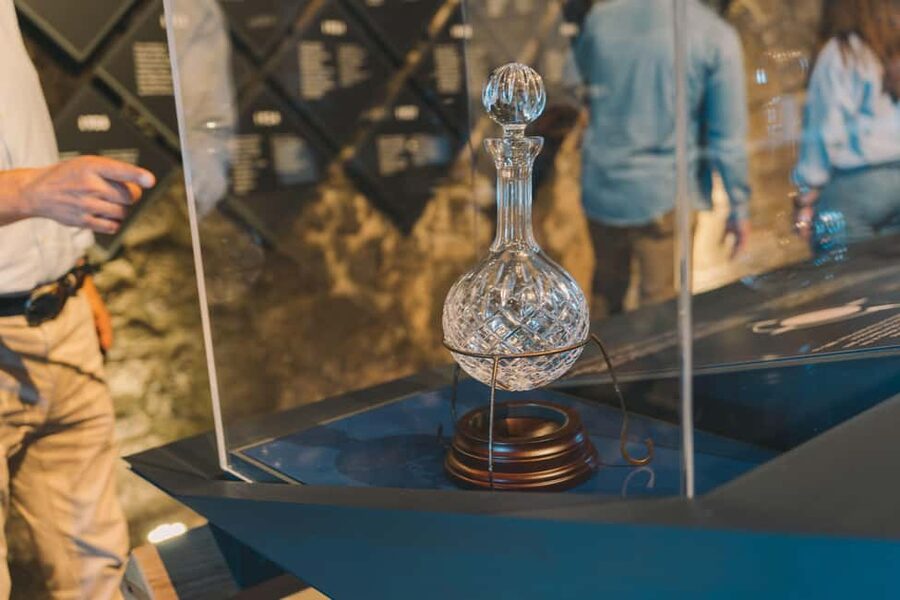
- 200-year-old Fonseca cellars: You walk through historic rooms at your own speed with audio support.
- Bin 27 Port tasting: The signature glass is part of the standard experience.
- Real Port-making context: You hear how Port starts in the Douro Valley, tied to Fonseca’s Quinta do Panascal.
- Siroco extra dry white Port: You get a second pour, not just one Port style.
- Sustainability focus: Fonseca highlights sustainable winemaking as part of the story.
- Porto views in the mix: You’ll see the city and the Dom Luís I bridge from the broader experience area.
More Gaia lodges and port tastings we have sat down for in Vila Nova De Gaia
- Porto: Taylor’s Port Cellars & Tasting★ 4.6 · 3,374 reviews
- Vila Nova de Gaia: Port Wine Tasting with Cheese Pairing★ 4.8 · 1,074 reviews
- Porto: 6 Bridges Port Wine River Cruise with 4 Tastings★ 4.9 · 586 reviews
- Porto: Fonseca Cellar Tour & Fado Show with Optional Dinner★ 4.5 · 362 reviews
Entering Fonseca in Porto, with a self-guided pace
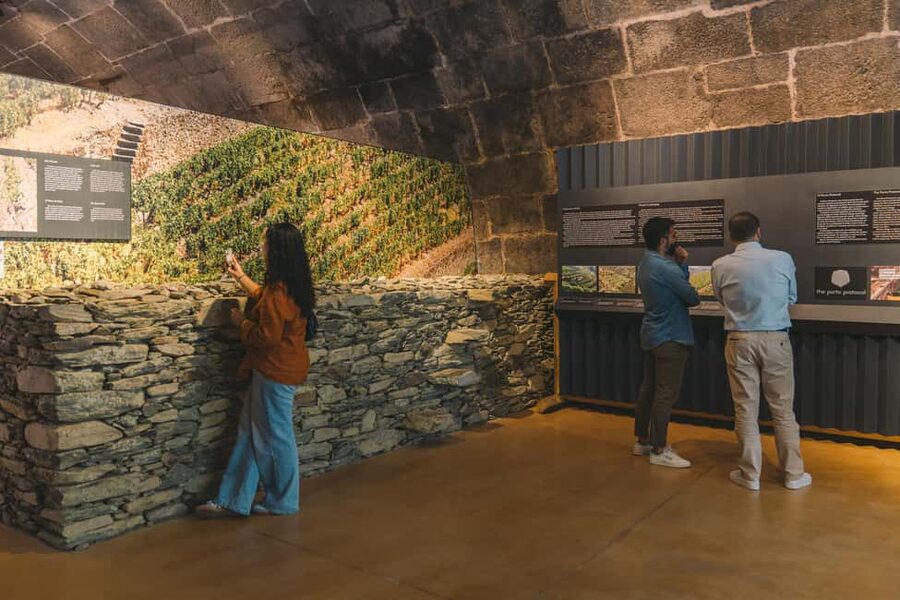
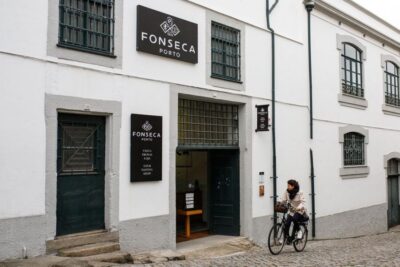
This is a classic Porto combo: a world-famous Port name, a walk through old cellars, and a tasting that doesn’t feel rushed. You show up, get your ticket, and then you’re free to take the tour at your pace during open hours. That matters because wine experiences can either feel chaotic or too scripted. Here, the structure is there, but you control the timing.
What you’re really buying is time with Port as a product. You’re not just being told, you’re being guided step-by-step through what Port is, where it comes from, and how Fonseca thinks about making it today. The cellars are the setting, but the goal is understanding.
The 200-year-old cellar walk, museum-style but not stuffy
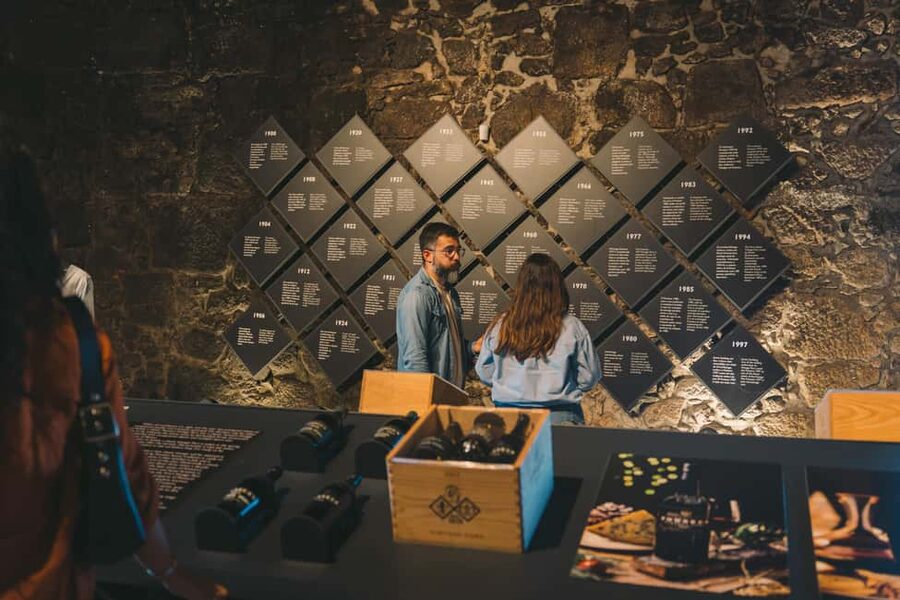
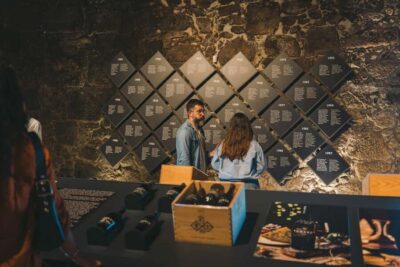
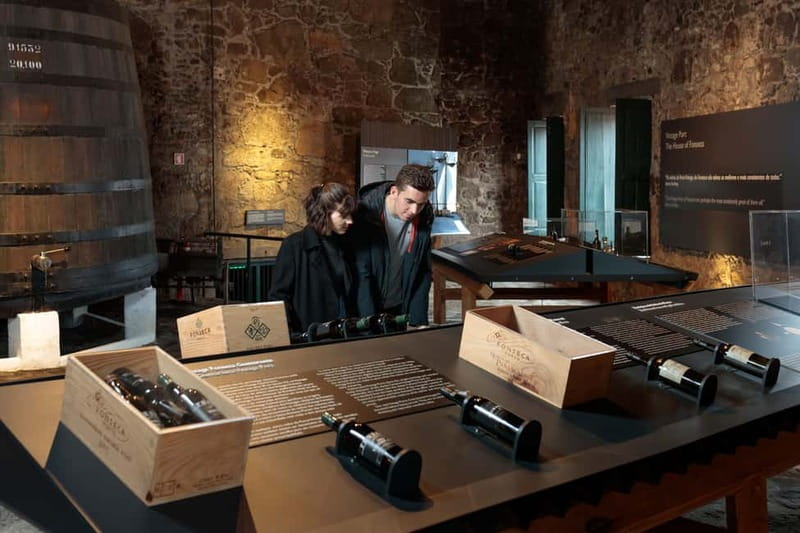
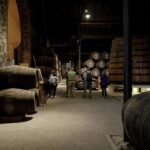
Fonseca’s Port cellar visit is self-guided through its 200-year-old spaces. Think of it as wandering through a story laid out in rooms, with explanations posted along the way. If you like reading at your own speed, this works well. If you prefer a lively, live guide, you’ll want to know this is not that kind of tour.
You’ll start with the basics: Fonseca’s history goes back to 1815. That gives you a sense of scale. This is not a trendy “new wine bar with a label.” Fonseca has been building Port knowledge and production for generations, and the tour is built to help you connect the brand to the product.
The atmosphere tends to be calm and relaxed. Even without live narration, the format helps you slow down and actually look at what’s in front of you, not just rush to the tasting room.
How Port gets made, from Douro Valley origins to Quinta do Panascal
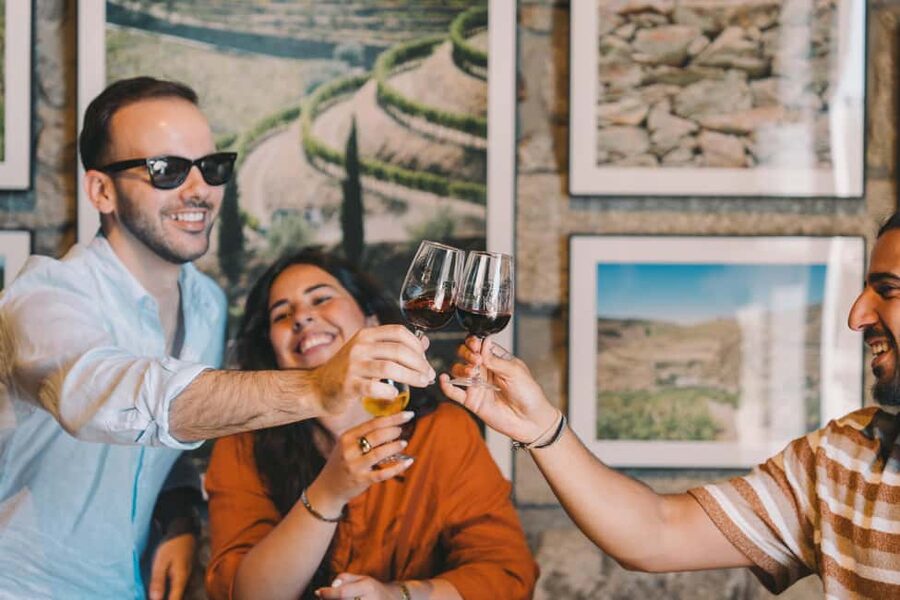
The tour is built around one key idea: Port is not just a type of wine you buy in a bottle. It’s a specific process tied to the Douro Valley. During your visit, you learn the Port production process, starting with the origin in the Douro Valley and moving through the aging and finishing steps.
A nice detail is that the tour links Fonseca’s Port to Quinta do Panascal, where Fonseca’s Port wine is born. That connection matters because it’s easy to treat Port as one generic category. The Douro is part of the reason Port tastes the way it does, and the tour gives you a framework for thinking about that.
You’ll also see the aging process explained as part of how Port develops its character. That helps if you’ve ever wondered why one bottle tastes deeper, why some are sweeter, or why “Port” can mean different styles. By the time you reach the end, the tasting doesn’t feel random. You’re basically testing the logic you just learned.
Bin 27 and Siroco: what the tasting is really teaching you
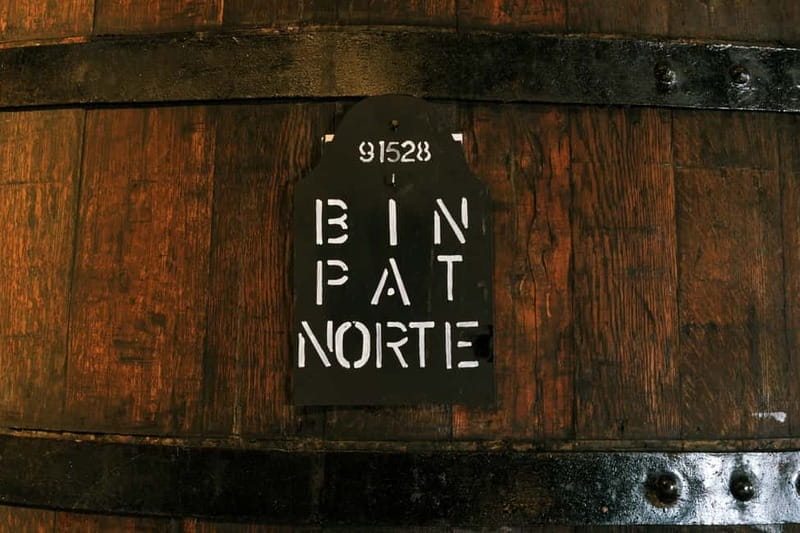
At the end, the experience includes a commented tasting. You’ll taste one glass of Fonseca Bin 27 Port and one glass of Siroco extra dry white Port.
That pairing is smart for two reasons. First, it anchors you in Fonseca’s signature style with Bin 27. Second, it shows you that Port is not only dark and sweet. Siroco is extra dry and white, which helps you broaden your mental map. If your wine comfort zone is still mostly red wine or standard table wine, this is a useful correction.
Bin 27 is also the glass people often remember. The experience is set up so you can compare the moment you learn about Port to the actual taste. And if you want to take the lesson home, you can usually buy bottles in the Fonseca Shop. One shopper cited the signature bottle around 14 euros, which is a reasonable ballpark if you’re budgeting for a souvenir you might actually drink later.
If you’re traveling with children ages 8 to 17, the tasting includes one grape juice from the Douro Valley instead of the alcohol. That keeps the family portion simple and consistent.
Why sustainability is part of the story at Fonseca
Port has a reputation for tradition, so it’s easy to assume it’s all old-world habits and nothing else. Fonseca’s experience pushes back on that idea. You’ll hear about the brand’s significant role in sustainable winemaking and how that fits into Port production.
Why you should care as a visitor: sustainability isn’t just a buzzword when it connects to farming choices, soil health, and long-term production. When a winery talks about sustainability inside a visitor experience, it usually means it’s integrated enough to show up in how grapes are grown and how the house thinks about the future.
Even if you’re not a policy person, it’s worth paying attention here. It gives context for why the Douro Valley matters beyond the romance. You’re learning how the product can keep existing in the real world.
Douro Valley uniqueness, translated into something you can taste
The tour doesn’t just mention the Douro Valley. It explains what makes it unique, as part of how Port develops. That’s a big deal for visitors who only have limited time in Portugal.
Porto can be a whirlwind, and it’s easy to treat the Douro like a distant postcard. This visit brings the Douro Valley into the city. You don’t need to take a full-day trip to a vineyard to understand the “why” behind Port character.
This is also why the self-guided format can actually help. You’re not stuck listening through a script you don’t need. You can focus on the areas that answer your questions, especially if you’ve got a specific goal, like understanding what makes Bin 27 taste the way it does.
Views of Porto and the Dom Luís I bridge, a nice bonus
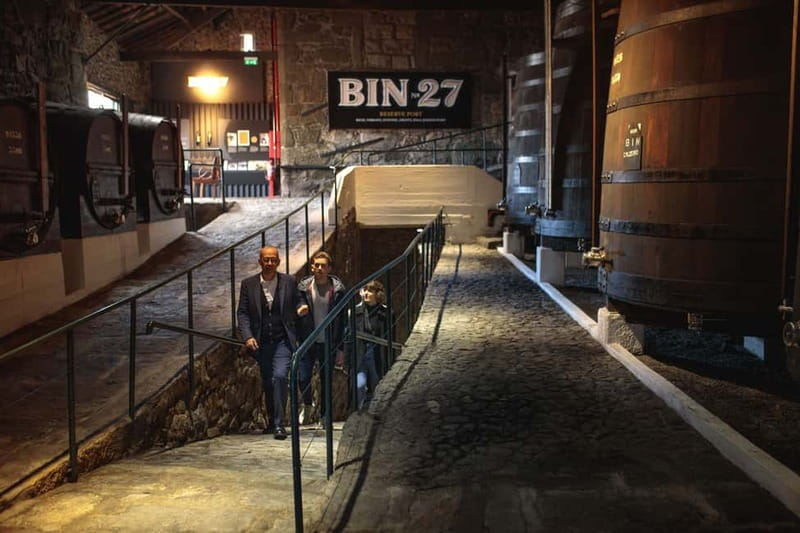
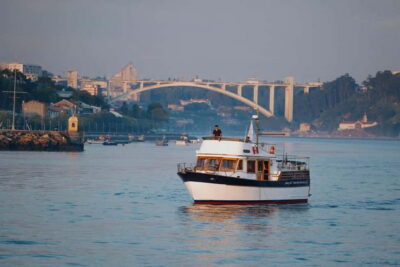
Even though this is a cellar visit, the experience area ties into the bigger Porto picture. You’ll get views of the city of Porto and the famous Dom Luís I bridge.
This is more than a photo stop. It helps you remember where you are. Port houses in Porto sit in a working port city, not a fantasy wine village. Those views remind you that Port is tied to shipping, trade, and a city built around the river.
Price and value: is $16 a good deal?
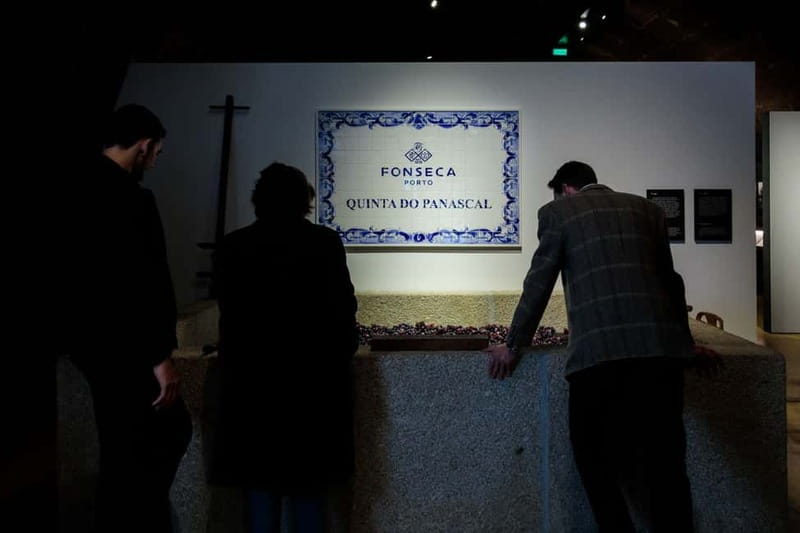
At about $16 per person, this is one of the more straightforward Port tasting values in Porto. The price isn’t just for the tasting glass. You’re getting a self-guided tour through historic cellars plus audio guide support in multiple languages, then a two-glass tasting that includes one signature red-style Port and one extra dry white-style Port.
You also get more than one moment of learning. The cellar walk is the context, the tasting is the payoff. That combo is what makes the price feel fair, especially if you’d otherwise spend time piecing together a wine story on your own.
Could it cost more if you add bottles? Sure. But that’s optional. You can leave with knowledge even if you buy nothing.
Timing that fits Porto: opening hours and how to plan
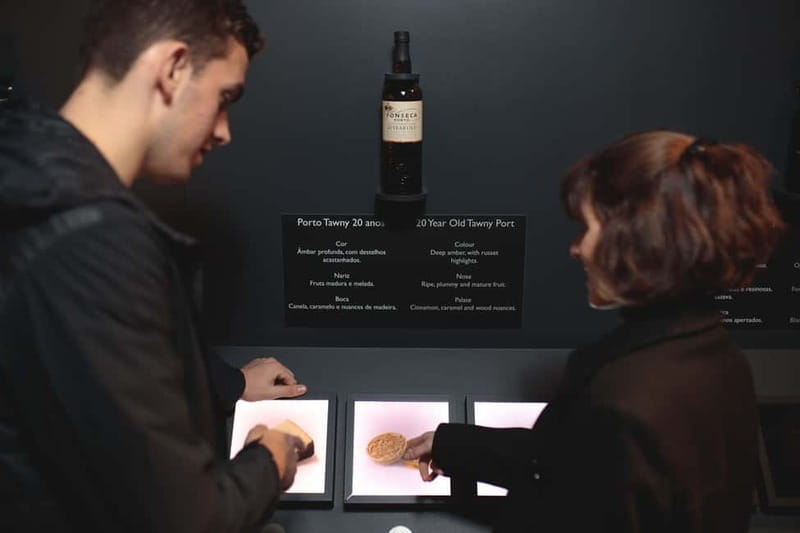
Fonseca’s experience runs daily in two blocks: 11:00 am to 1:00 pm, and 1:30 pm to 6:00 pm (last entrance). You can present your ticket anytime during opening hours on your selected date.
That flexibility is practical. It means you can pair this with a Porto morning or a relaxed afternoon. It’s also helpful if your day runs long, or if you want a tasting after lunch without committing to a fixed appointment time.
Practical tips to make the self-guided visit smoother
A self-guided tour can be either great or annoying, depending on how you handle it. Here are a few ways to get the most out of this one.
First, plan to bring your attention to the explanations, not just the rooms. The story is what turns the tasting into something more than a quick sip.
Second, use the audio guide if reading isn’t your thing. Audio is available in Portuguese, English, French, Spanish, German, and Korean. That helps you stay oriented even if your Portuguese is limited or you get tired of scanning signs.
Third, wear shoes you can trust. The experience notes uneven and steep surfaces, so good grip matters.
And fourth, if you’re thinking about buying a bottle, decide what you want before you step out. Bin 27 is the obvious choice here, but the tour also points you toward the broader style range through Siroco.
Who should book, and who might skip this one
This experience is best for you if you want:
- A Port-focused visit in Porto without needing a long vineyard day
- A calm, self-paced walk through well explained content
- A tasting that includes both Fonseca’s signature style and an extra dry white Port option
- An easy family-friendly tasting alternative through grape juice for children ages 8 to 17
You might want to skip it if:
- Walking is difficult for you, due to uneven and steep surfaces
- You strongly prefer a live guide and hands-on teaching style over posted information and audio
Quick decision guide: should you book Fonseca Port cellar visit?
Book it if you want a practical Port education with a real tasting payoff, and you like setting your own pace. For the money, you get historic context, production basics tied to the Douro Valley, and two glasses that show different Port directions.
Pass if your mobility is limited or if you know you only enjoy wine tours that are guided minute by minute. For everyone else, this is a smart Porto activity: part museum walk, part tasting room, and very “Portugal,” even if you only have a short window in the city.
FAQ
How long is the Fonseca experience ticket valid?
Your ticket is valid for one day. You can check available starting times, and you can use the ticket during opening hours on your selected date.
What’s included in the tasting?
The experience includes one glass of Fonseca Bin 27 Port Wine and one glass of Siroco extra dry white Port. Children ages 8 to 17 get 1 grape juice from the Douro Valley.
Is the tour self-guided?
Yes, the tour is self-guided. You walk through the Fonseca cellars on your own, using the audio guide and displayed information.
Is an audio guide provided, and what languages are available?
Yes. An audio guide is available in Portuguese, English, French, Spanish, German, and Korean.
What are the opening hours?
The experience is open daily from 11:00 am to 1:00 pm, and from 1:30 pm to 6:00 pm, with the last entrance during the latter period.
Is it suitable for people who have difficulty walking?
No. Due to uneven and steep surfaces, the activity is unsuitable for anyone who has difficulty walking.
Tables and Tasting Stops Across Vila Nova De Gaia

Adegas and Vinho Verde Flights, More Tastings
Gaia Port Lodges, More Tastings We Sat Through


Newly added around Vila Nova De Gaia
- Porto: Graham’s Port Lodge Tour and Port Essentials Tasting
★ 4.9 · 39 reviews - Porto: Classic Sailboat Cruise Along the Douro River
★ 5.0 · 99 reviews - Porto: The Authentic Fado Concert with Port Wine
★ 4.9 · 188 reviews - Porto: Combined Ticket for WOW Cultural District
★ 4.7 · 188 reviews - Porto: Port Cellar Visit and Wine Tasting at Fonseca
★ 4.2 · 232 reviews - Porto: Fonseca Cellar Tour & Fado Show with Optional Dinner
★ 4.5 · 362 reviews - Porto: Luxury Yacht Tour of the 6 Bridges and Douro Estuary
★ 4.9 · 521 reviews - Porto: 6 Bridges Port Wine River Cruise with 4 Tastings
★ 4.9 · 586 reviews - Vila Nova de Gaia: Port Wine Tasting with Cheese Pairing
★ 4.8 · 1,074 reviews - Porto: Charming Sailboat Cruise with Port Wine,Sunset Option
★ 5.0 · 1,978 reviews
Other boats, other operators: Port Wine Cellars in Vila Nova de Gaia.
 ★ 4.8Porto: Live Fado Show with Glass of Port WineFrom $236,498 reviews
 ★ 4.7Lisbon: Live Fado Show with Port Wine in Historic CenterFrom $174,166 reviews
 ★ 4.5Porto: Cálem Cellar Tour, Interactive Museum & Wine TastingFrom $234,113 reviews
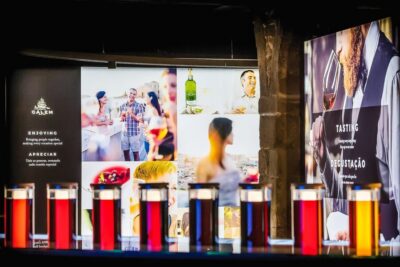 ★ 4.4Porto: Cálem Cellar Tour, Fado Show & Wine TastingFrom $333,530 reviews
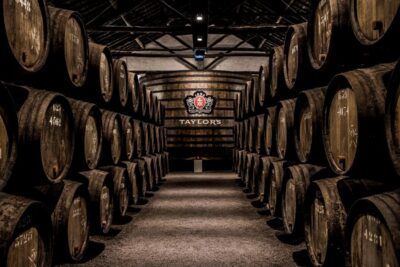 ★ 4.6Porto: Taylor’s Port Cellars & TastingFrom $293,374 reviews
 ★ 4.8Porto: Cockburn’s Port Lodge Tour and TastingFrom $353,360 reviews
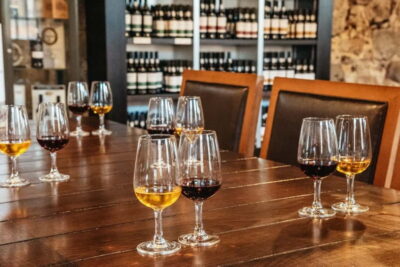 ★ 4.1Porto: Bridges Cruise with Wine Cellar Tour or Sunset OptionFrom $202,758 reviews
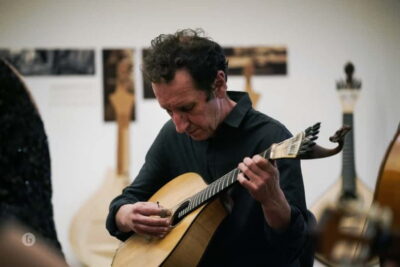 ★ 4.8Porto: Authentic Fado Show, Port Wine & Handmade InstrumentsFrom $212,737 reviews