
REVIEW · PASTEIS DE NATA AND LISBON FOOD WALKS
Porto: Pastel de Nata Cooking Class from Scratch
Custard tarts start with your hands, not magic. In Porto’s Norte Region, this small-group class has you making Pastel de Nata from scratch and hearing the history and secrets behind Portugal’s most famous pastry.
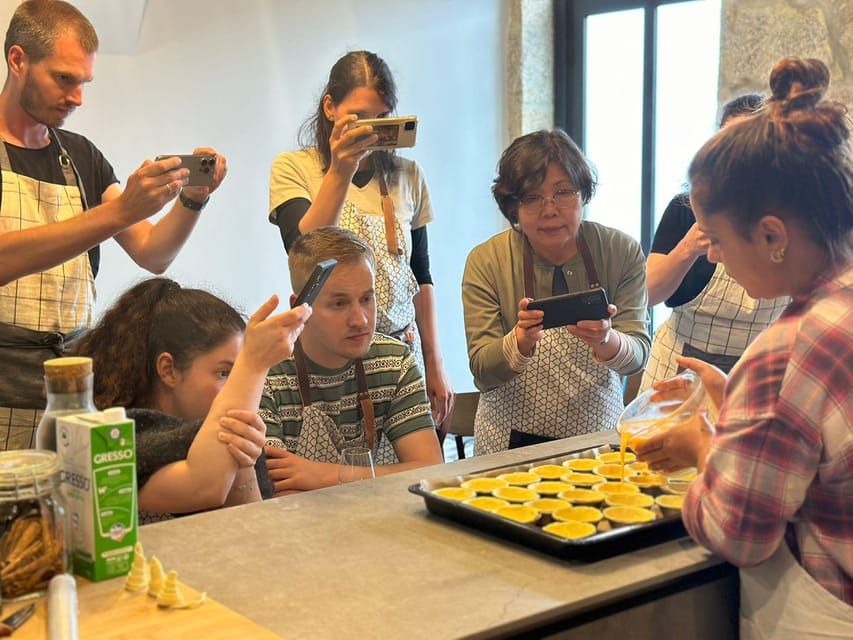
I really like that it is genuinely hands-on. You take turns through the stages, and you get step-by-step guidance so you are not just watching while someone else does the work.
One thing to consider first is the strict rules: it is for adults only, kids under 15 are not allowed, and you cannot enter once the door closes at the scheduled start time.
In This Review
- Key things I’d circle before you book
- Why Porto’s Pastel de Nata class feels different
- The 2.5-hour flow: what you’ll actually do
- Making the dough from scratch, and why it changes everything
- Filling and assembling: how you get consistent results
- The wine and the cultural chat that makes it more than baking
- Baking results: warm pastries, plus the recipe follow-up
- Price and value: is $50 a fair deal?
- Group size, pace, and who will enjoy it most
- Practical tips for a smooth start in Porto
- Should you book the Porto Pastel de Nata cooking class?
- FAQ
- How long is the Pastel de Nata cooking class?
- What is included in the ticket price?
- Does the experience include hotel pickup?
- What language is the tour guide?
- Are children allowed?
- Is the class suitable for gluten or lactose intolerance?
Key things I’d circle before you book
- Hands-on dough making: this workshop includes making the dough, not just assembling tarts.
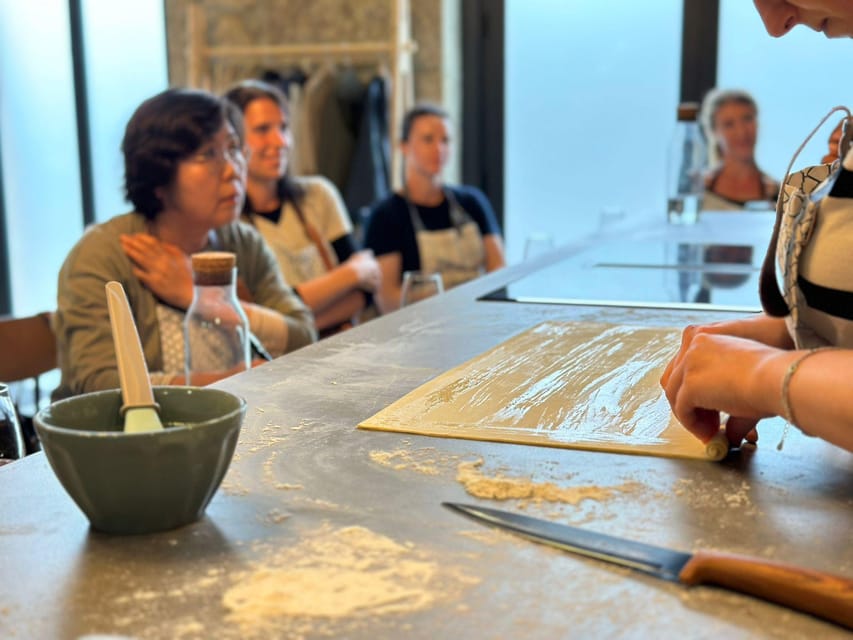
- Turn-taking for the whole group: you participate across different phases while others watch.
- English live guide: instruction is in English for a smooth learning flow.
- Wine with the lesson: you get a glass of local wine during the class.
- Take-home confidence: you leave with a recipe (often shared digitally with a QR code) so you can recreate them.
Still weighing up the options? These are other Vila Nova De Gaia trips our reviewers have actually been on.
- Porto: Six Bridges Cruise★ 4.2 · 11,680 reviews
- Porto: Taylor’s Port Cellars & Tasting★ 4.6 · 3,374 reviews
- Porto: Charming Sailboat Cruise with Port Wine,Sunset Option★ 5.0 · 1,978 reviews
- Vila Nova de Gaia: Port Wine Tasting with Cheese Pairing★ 4.8 · 1,074 reviews
Why Porto’s Pastel de Nata class feels different
Porto is great for eating. But if you want something more than a snack, this kind of cooking class gives you a real skill, not just a memory.
What makes this class feel special is that it is built around the full process. Many pastry experiences stop at tasting, or only cover the easy assembly. Here, you make the dough too. That matters because the dough is where the texture and that signature flaky bite begin. Once you understand what the dough should feel like at each stage, the rest becomes less mysterious.
I also like the way the class pairs food with story. You get a gastronomic conversation about Portuguese culture and history while the oven does its job. It turns the session into something you can talk about later, not just a checklist of steps.
Still, it is not a casual drop-in. The workshop has a firm start time, and once it begins, entry is not permitted. That is not picky for the sake of it. The kitchen needs everyone there on schedule, and groups are kept small.
The 2.5-hour flow: what you’ll actually do
The total time is about 2.5 hours, and the class is structured so you cycle through tasks. You are placed in a rhythm, and the host invites participants to join at each phase. Groups can have up to 12 people, which helps keep the pace friendly instead of chaotic.
Here is the typical flow you can expect:
- Arrive and get into the kitchen workflow
The workshop starts at the scheduled time with no exceptions. For logistical reasons, you cannot join after it starts. So plan to be there early enough that you are not rushing or searching for the meeting point.
- Learn the pastry background and the key technique
You get the history and the secrets of Portuguese pastry as part of the instruction, not as a lecture that has nothing to do with your hands. The guide explains what to look for, like consistency and timing.
- Make the dough from scratch
This is the big point of difference. You do not just roll dough from a pack. You work through making it, which means you learn what success looks like.
- Fill and assemble the custard tarts
Once the dough phase is set, you move into forming the pastel de nata and adding the custard filling. You do it with guidance so it does not feel like guesswork.
- Bake, then enjoy warm pastries
After baking, you enjoy the results while the kitchen is still producing. You also get time for conversation, often with a glass of wine included.
- Leave with a recipe so you can repeat it at home
A number of recent participants note that the recipe is provided digitally, sometimes by QR code. That is a practical bonus, because you can recreate the steps without relying on shaky memory.
Making the dough from scratch, and why it changes everything
If you are considering this class, the dough is the reason to care.
When you make the dough yourself, you learn the tactile signals that instructions alone cannot teach. People in these classes often mention that the steps are broken down clearly and that the host keeps it interactive, so you are not stuck doing one single repetitive motion the whole time.
You will also likely appreciate why the class limits kids and why it runs like a real kitchen session. Dough needs attention. It needs timing. And it needs clean execution. That is exactly what a good host manages with turn-taking for up to 12 adults.
A few important practical notes from the experience format:
- You participate in stages alternately, so the whole group feels included.
- The pace is designed for non-experts. Several participants explicitly said the process did not feel daunting because it is broken into straightforward steps.
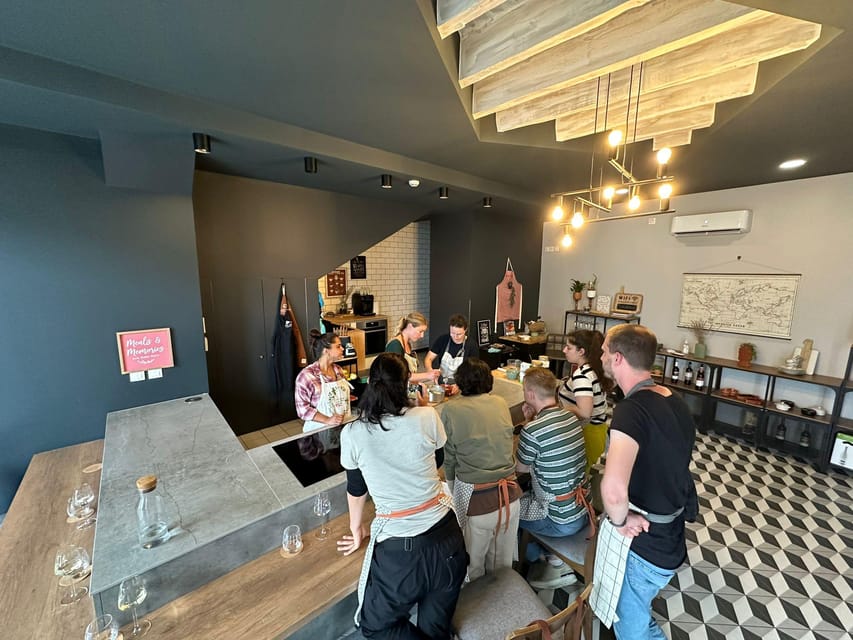
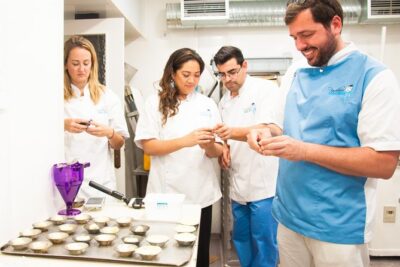
- The kitchen setup supports group work. One review called out a modern show kitchen with a large shared table, which makes it feel less like a lecture and more like a team activity.
Filling and assembling: how you get consistent results
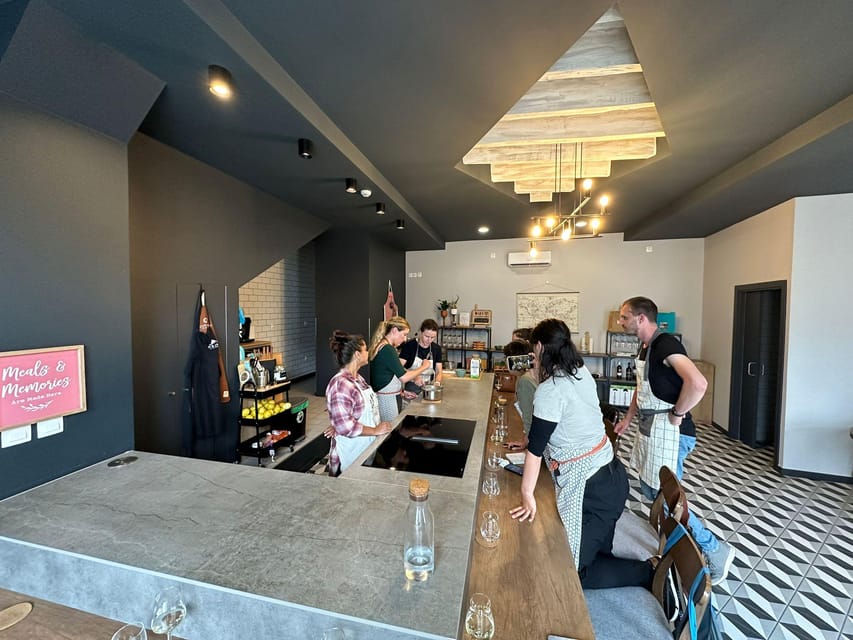
Once the dough work is underway, the class moves into the part that most people actually want to taste. You fill and shape your pastel de nata, guided by the instructor.
What I find valuable here is that the class does not treat assembly as a magic trick. It is explained as a series of manageable steps. That matters if you want to replicate them later, because Pastel de Nata can go wrong in very specific ways. Too much filling, uneven shaping, or rushed timing can ruin the final texture.
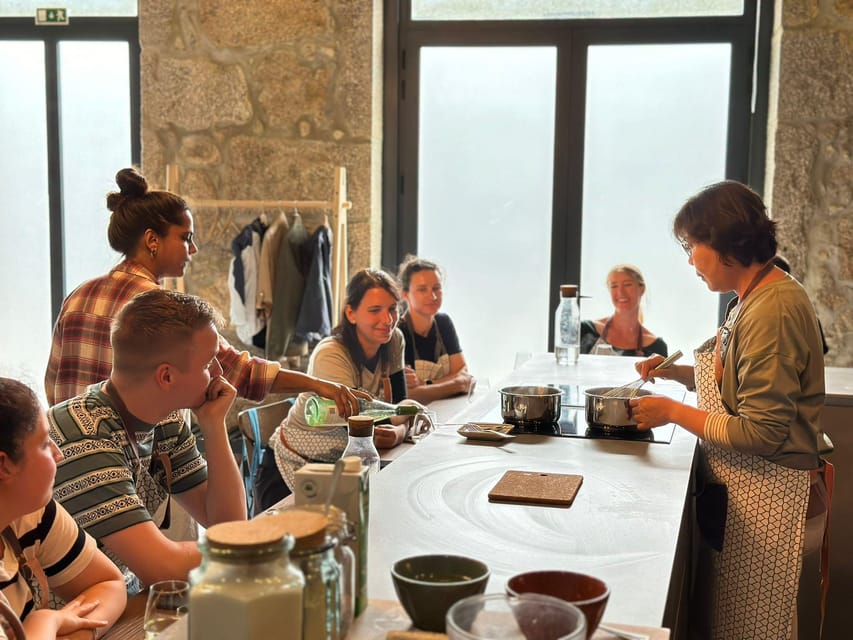
In this workshop, the instructor encourages you to do the work yourself. One participant described how the host invited people up to take on different tasks while others watched. That group structure keeps you from feeling like you are on the sidelines, and it also prevents the class from becoming a pile of unrelated tasks.
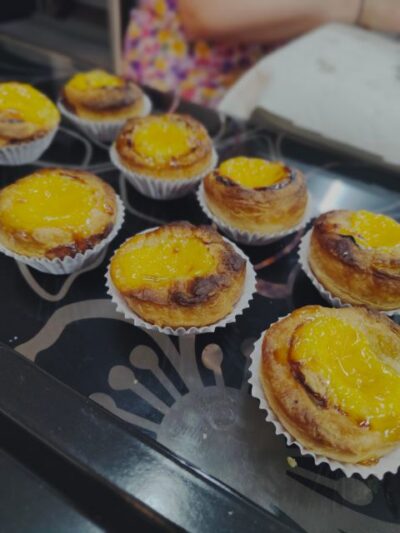
And yes, you will taste the results warm from the oven. That is when it all clicks. Warm custard plus flaky pastry is not just delicious, it is a quick way to judge whether you executed the steps correctly.

The wine and the cultural chat that makes it more than baking
Food classes can sometimes feel like a repeat of the same short script. This one tends to feel more human because you get a regional wine alongside conversation.
The experience includes a glass of wine. In some recent sessions, participants reported that the wine and drink setup felt generous, and a few mentioned other beverages alongside it. But you should treat the included part as the safe baseline: you get one glass, and the rest is a bonus if it is offered that day.
What you gain from the cultural talk is context for why Portuguese pastry feels so serious about technique. You hear about Portuguese culture and history through the pastry lens while your tarts bake. It is not just background noise while you wait. It helps connect what you are doing to a broader tradition.
If you enjoy the idea of learning a little and eating a lot in the same time window, this is a strong fit.
Baking results: warm pastries, plus the recipe follow-up
When your pastel de nata come out of the oven, the class shifts from work mode to enjoyment mode. You eat what you made, warm and fresh.
Many participants highlight two practical outcomes:
- The pastries taste genuinely good, not just edible.
- You leave with enough guidance to bake again at home.
One review specifically noted that a recipe is provided digitally via QR code. That is the kind of detail that makes a big difference after your trip, when you might otherwise forget the order of steps or how the dough should look.
Also, several people mention taking pastries home. Your exact take-home amount is not guaranteed in the basic description, but the fact that fresh leftovers are commonly mentioned suggests you will likely have something to enjoy later.
Price and value: is $50 a fair deal?
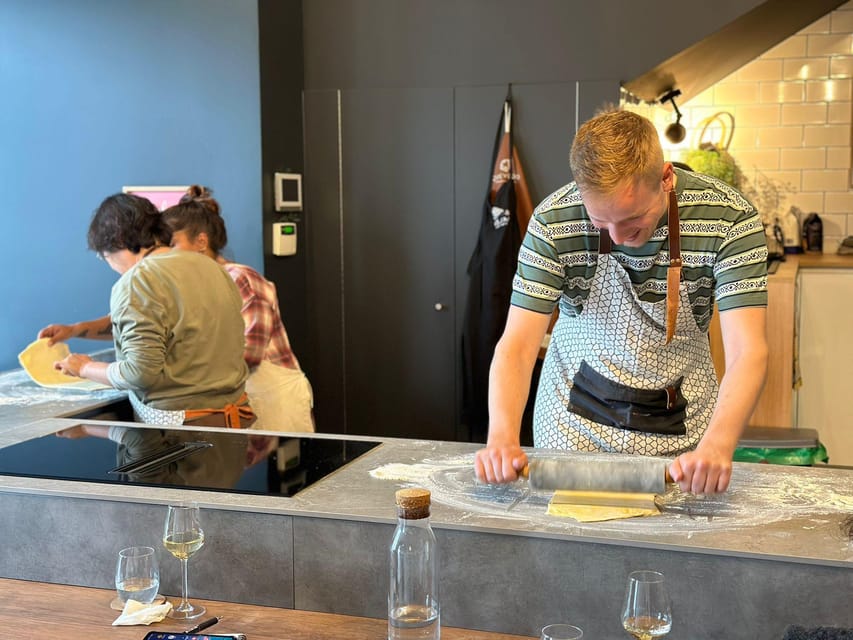
At $50 per person, you are paying for more than ingredients. You are paying for:
- The instructor-led process
- A kitchen setup that can handle group baking
- Dough work that many cheaper workshops skip
- Pastries and at least one glass of wine
So the value depends on what you want from the experience.
If you want a simple taste, you will probably feel like this is too expensive. But if you want to leave with a real ability, the price starts to make sense. You are learning a technique you can repeat. And you are not learning it as a spectator. The interactive format means you get time on tasks, not just photos.
Another value point is the short duration. 2.5 hours is long enough to learn the process, but not so long that it becomes an all-day chore. Porto has plenty to do. This gives you a focused afternoon or morning break from walking and queues.
Group size, pace, and who will enjoy it most
This is a group workshop for adults, and kids under 15 are not allowed. The class is also not suitable for certain dietary needs, specifically gluten intolerance and lactose intolerance.
Adults often love this format because it feels participatory. Reviews repeatedly praise the hosts for being fun, engaging, and patient, with many people saying nobody felt left out. Instructors named in recent sessions include Vanessa, Clara, Mariah, Ana, Ana and Maria variants, Claudia, Klara, and others. The consistent theme is interaction, clarity, and a group atmosphere.
That matters because if you are a confident cook, you still enjoy the technique tips. If you are not a confident cook, the step-by-step structure helps.
Who should book?
- You want hands-on Portuguese pastry skills
- You like learning in a kitchen setting, not a museum-style demo
- You enjoy meeting people in small groups
- You want a rainy day plan that still feels memorable
Who should skip?
- You need a gluten-free or lactose-free option, since the class is listed as not suitable for those intolerances
- You are traveling with children under 15
- You want a fully flexible schedule, because the door closes at the start time and late entry is not permitted
Practical tips for a smooth start in Porto
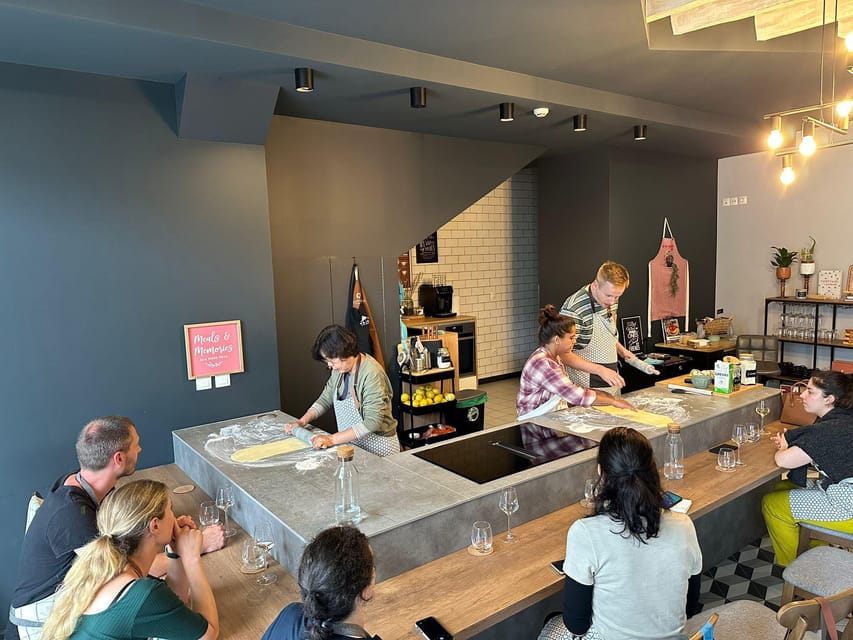
A few details can make or break your experience, especially with a strict start.
- Be early for the meeting point
Meeting point may vary depending on the option booked. Since you cannot enter after the class begins, you do not want to arrive flustered. Confirm your location before you head there.
- Go without pets or intoxication
Pets are not allowed. Also, intoxication is not allowed. It is a working kitchen, so expect a controlled environment.
- Plan around the alcohol rules
Portugal’s minimum age to consume alcoholic beverages is 18. If you are under that age, you should not rely on the wine element.
- Smoking indoors is not allowed
Simple, but worth noting if you are a smoker.
- No unaccompanied minors, and no companions entering
Only participants with a reservation can enter the space. Companions are not allowed regardless of age. If you are traveling with friends or family, plan on meeting them after class outside the workshop space.
Should you book the Porto Pastel de Nata cooking class?
If you want Pastel de Nata in the tourist version, there are plenty of places to buy them in Porto. But if you want the real satisfaction of making the pastry yourself, this is one of the better choices.
I recommend booking if you:
- Want the dough-making step, not just assembly
- Like a small-group workshop where you take turns
- Enjoy eating warm pastries right after baking
- Want a recipe you can use later, not just a memory
I would hesitate if you:
- Need gluten-free or lactose-free options
- Are bringing kids under 15
- Have a schedule that makes strict start times hard to meet
Overall, for $50, you are paying for skill plus a fun, guided group session. The high score makes sense: people consistently praise the hosts for keeping things clear, interactive, and enjoyable, and that is exactly what turns a cooking class into something you will actually remember.
FAQ
How long is the Pastel de Nata cooking class?
The duration is 2.5 hours.
What is included in the ticket price?
The class includes the pastry class, an instructor, pastries, and a glass of wine.
Does the experience include hotel pickup?
No. Hotel pickup and drop-off are not included.
What language is the tour guide?
The live tour guide is English.
Are children allowed?
This is a group workshop for adults. Children under 15 are not allowed.
Is the class suitable for gluten or lactose intolerance?
No. It is not suitable for people with gluten intolerance or lactose intolerance.
Newly added around Vila Nova De Gaia
- Porto: Graham’s Port Lodge Tour and Port Essentials Tasting
★ 4.9 · 39 reviews - Porto: Classic Sailboat Cruise Along the Douro River
★ 5.0 · 99 reviews - Porto: The Authentic Fado Concert with Port Wine
★ 4.9 · 188 reviews - Porto: Combined Ticket for WOW Cultural District
★ 4.7 · 188 reviews - Porto: Port Cellar Visit and Wine Tasting at Fonseca
★ 4.2 · 232 reviews - Porto: Fonseca Cellar Tour & Fado Show with Optional Dinner
★ 4.5 · 362 reviews - Porto: Luxury Yacht Tour of the 6 Bridges and Douro Estuary
★ 4.9 · 521 reviews - Porto: 6 Bridges Port Wine River Cruise with 4 Tastings
★ 4.9 · 586 reviews - Vila Nova de Gaia: Port Wine Tasting with Cheese Pairing
★ 4.8 · 1,074 reviews - Porto: Charming Sailboat Cruise with Port Wine,Sunset Option
★ 5.0 · 1,978 reviews
Other boats, other operators: Pasteis de Nata and Lisbon Food Walks.
 ★ 4.9Lisbon: Pastel de Nata Baking ClassFrom $642,106 reviews
 ★ 5.0Porto: Pastel de Nata Cooking Class with Grandma’s RecipeFrom $331,565 reviews
 ★ 4.9Porto: Pastel de Nata Pastry-Making WorkshopFrom $411,542 reviews
 ★ 4.8Porto: Pastel de Nata Cooking Class with Port Wine – SéFrom $41888 reviews
 ★ 4.9Workshops Pasteis de Nata in Porto, PortugalFrom $40520 reviews
 ★ 5.0Pastel de Nata Masterclass at a Real Bakery in Downtown LisbonFrom $84491 reviews
 ★ 5.0Pastel de Nata Pastry Class: Bake and Enjoy Your Own TreatsFrom $66485 reviews
 ★ 4.8Lisbon: 2-Hour Pastel de Nata Cooking ClassFrom $64461 reviews