
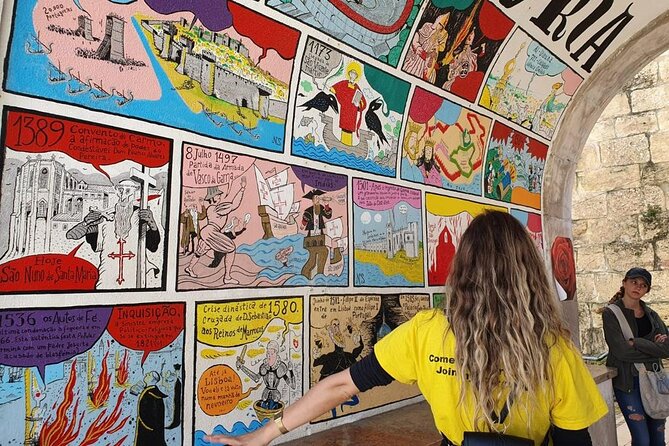
REVIEW · ALFAMA AND OLD LISBON WALKS
Discover Lisbon’s Alfama: Secrets of the Old Town
Lisbon’s Alfama rewards slow wandering. This 2.5-hour walk connects big viewpoints and intimate lanes, with stories that explain why this corner of town survived so much. You start in Rossio Square, move toward Alfama, and end near Lisbon Cathedral, so the day naturally continues into lunch.
I especially like two things: you get an expert local guide who keeps the pace human while sharing legends and real context, and you also get a smart mix of sights, including a church you go inside and Lisbon’s hilltop castle. One thing to keep in mind is that this is a walking tour through hilly old streets, so plan for steps and uneven ground, and go only when the weather is decent.
Key highlights you will feel on the ground
- Rossio Square start, Lisbon Cathedral finish: easy to keep your bearings and move on afterward.
- Multiple stops with built-in context: theater exterior, an inside church, then Castle views.
- Earthquake and destruction stories: how Lisbon’s past shaped what you see today.
- Free entry segments at several landmarks: you spend money on the tour, not every doorway.
- Small-group feel even at scale: max 100 travelers, usually a manageable group size.
- Value extras: discounts for other tours in the day and nights, plus no transport ticket needed if you already have transit.
In This Review
- Alfama on Foot: Why This Old-Town Route Works
- Start at Praça do Rossio: The Quick Way to Get Oriented
- Stop 1: Praça Dom Pedro IV and the Road Toward Alfama
- Teatro Nacional Dona Maria II: Exterior-Only for a Reason
- Igreja de São Domingos: Going Inside Where Stories Stick
- Castelo de São Jorge: The Hilltop View and the Long Timeline
- The Pace Over 2.5 Hours: What You Can Expect
- Price and Value at Around $3.62: What You’re Actually Buying
- Tips, Ticketing, and How to Prepare Without Stress
- Finishing at Lisbon Cathedral: Make Lunch a Five-Minute Plan
- Who This Tour Fits Best, and Who Should Skip It
- Should You Book Discover Lisbon’s Alfama Walk?
- FAQ
- How long is the Alfama old town walking tour?
- Where does the tour start and where does it end?
- Is the tour offered in English?
- What sights will I visit during the walk?
- Are any admission tickets included?
- Is transport included?
- Does the tour include alcohol or a wine or ginjinha tasting?
- Do I need good weather?
- Is there a group size limit?
- Can I cancel for a full refund?
- Is tipping expected?
Alfama on Foot: Why This Old-Town Route Works
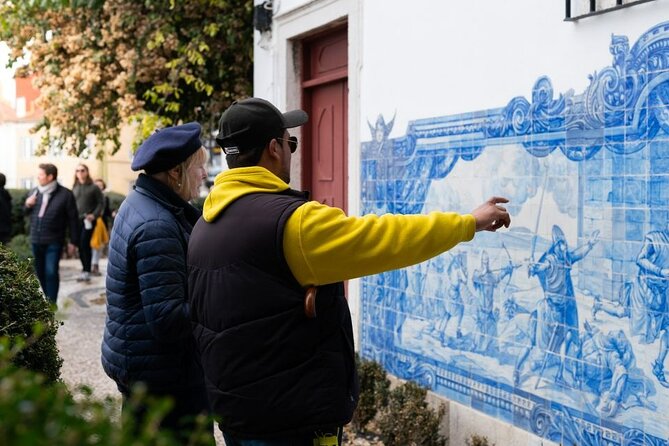
Alfama is the part of Lisbon that feels like it has layers. One street is medieval and narrow. The next turns into a view over the river. The point of this tour is to help you connect those layers without turning it into a random wander.
I like that the route is built like a story, not just a list of stops. You begin at a major square, then head toward Alfama, and the landmarks you hit keep escalating in meaning. You start with orientation, then you get a cultural landmark, then a religious one, and finally the castle hill where the geography explains a lot.
And because you end at Lisbon Cathedral, you do not get stranded in the middle of nowhere. You finish in a dining-friendly area, which matters on a trip when you want lunch to be a short walk away rather than a whole new plan.
Other walks through the old Lisbon quarters we have reviewed in Lisbon
- Alfama Tour in Lisbon Old Town★ 5.0 · 4,936 reviews
- Private Lisbon Sightseeing Tuk-Tuk Tour: Alfama, Belém & More★ 5.0 · 4,277 reviews
- Lisbon: Hills, Alfama, and Mouraria Tour by Electric Bike★ 4.8 · 3,438 reviews
- Best of Lisbon Walking Tour: Rossio, Chiado & Alfama★ 4.9 · 2,700 reviews
Start at Praça do Rossio: The Quick Way to Get Oriented
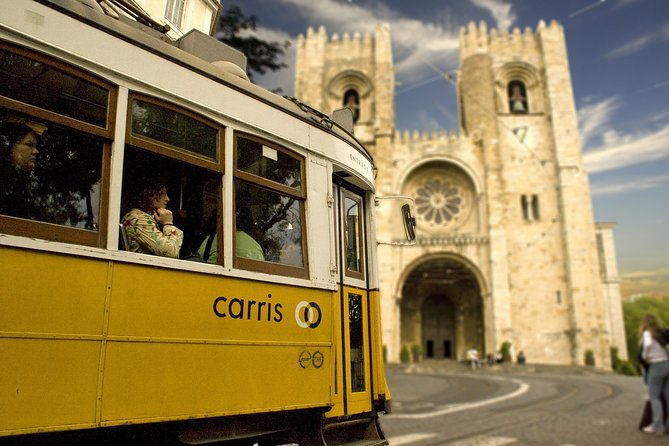
Your tour begins at Praça do Rossio, Lisbon’s central square. This matters because Alfama can feel maze-like if you arrive cold. Rossio gives you a reference point, and your guide helps you understand how the old town is laid out.
From the start, you are walking through key areas before you reach the heart of Alfama. Expect your first stretch to be about getting your bearings fast. If you are visiting for the first time, this is a big win. You learn what direction you are heading, and why those streets and rises exist in the first place.
The tour is also offered in English, which is helpful when you want the details explained clearly. You get a mobile ticket, so you can keep things low-key on your phone instead of hunting for paper.
Stop 1: Praça Dom Pedro IV and the Road Toward Alfama
You kick things off at Praça Dom Pedro IV. This stop is included with an admission ticket, and it also functions as the tour’s setup. You get a foundation for what comes next, not just a photo op.
From here, your route heads through key areas toward Alfama. In practice, this is the part that helps you stop thinking in straight lines. Alfama is not a grid. It is geography and history combined, with hills forcing curves and viewpoints popping up where you least expect them.
A good guide will connect that physical setup to the human one, and this tour is built around storytelling. You hear intriguing legends, plus the kind of history that explains why Lisbon’s old parts look the way they do after major destruction. In this part of the walk, those stories make the streets feel less random.
Teatro Nacional Dona Maria II: Exterior-Only for a Reason
You pause at Teatro Nacional Dona Maria II. You do not go inside here. You see and learn about the famous theater of Lisbon from the outside.
I like this approach when I am walking. It keeps the pacing steady, and it gives you context without losing time in lines or long interior visits. Also, seeing the theater from the outside helps you understand where it sits within Lisbon’s broader city center, before you retreat into Alfama’s older, quieter vibe.
This stop lasts about 10 minutes, so it is more of a marker than a destination. It works well because it breaks up the older-street focus and adds a cultural landmark that makes Lisbon feel like more than one neighborhood.
Igreja de São Domingos: Going Inside Where Stories Stick
One of the best parts of this walk is that you go inside Igreja de São Domingos. You get to see the church up close and hear the history and amazing facts that shaped it.
This is the moment when the tour shifts from streets and architecture to meaning. A church interior naturally slows people down, and it gives your guide a chance to explain how Lisbon’s past, including earthquake and destruction, influenced what survived and what was rebuilt.
Even if you are not a “church person,” I think this stop works because it is not just about religious art. It is about why Lisbon’s neighborhoods changed and how people rebuilt their lives in the same place.
You also get free admission for this stop, which is a nice value element. You are paying for a guide and an organized route, and you are not forced to pay extra for every door you want to see.


Castelo de São Jorge: The Hilltop View and the Long Timeline
Then you climb into the big finish: Castelo de São Jorge. This is where Lisbon’s geography makes sense in a single glance. The castle is in Santa Maria Maior, and the story here goes back extremely far.
The hill has been occupied since at least VIII BC, and the first fortifications date to the first century BC. That timeline is not trivia for trivia’s sake. It helps you understand why this spot became a strategic center and why the landscape around Alfama is so tied to defense, movement, and settlement.
This stop lasts about 15 minutes, with free admission. In that time, you are not meant to conquer every corner of the castle grounds. You are meant to absorb the viewpoint, understand the purpose of the hilltop, and connect the dramatic scenery to the long human timeline.
If your legs are feeling it, pace yourself. Think of this as a “take in the big picture” segment rather than a full castle visit.
The Pace Over 2.5 Hours: What You Can Expect
This is an approximately 2.5-hour walking tour. That duration is long enough to feel like you covered something meaningful, yet short enough that it does not swallow your entire day.
The route includes multiple stops, with time for both explanations and transit between points. You should expect about 20 minutes at the first major stop, then shorter segments at the theater and the churches, and then a final castle visit.
The physical requirement is “moderate fitness.” That is your clue to think about steps, slopes, and uneven pavement. If you have mobility issues, this might not be the best fit. If you can handle walking at a steady pace for a couple hours, you will likely be fine.
Group size is capped at 100 travelers. With a cap like that, you typically get a more controlled experience than the huge hop-on bus feel. You should still know that in peak hours, streets can pack in a bit, especially in an old neighborhood.
Price and Value at Around $3.62: What You’re Actually Buying

At $3.62 per person, the price is what grabs your attention first. But the real value is what comes with it: an expert local guide, a walking route of roughly 2.5 hours, intriguing stories and legends, plus the specific theme of Lisbon’s earthquake and destruction.
You also get free entry for key stops like the theater exterior viewing (no admission needed for that part), and free admission tickets for Igreja de São Domingos and Castelo de São Jorge. The walk also includes discounts for other tours later in the day and nights, which can make your overall trip planning cheaper if you have more time to explore.
One practical note: the tour price model can feel confusing at first. One review mentions paying a small amount to book and then being told the walking tour aspect was free, paired with a clear request to tip the guide because the guide has costs tied to the number of people. I would treat this as a heads-up that you should budget for tipping even if the booking price looks small.
Also, alcoholic beverages like wine or ginjinha tasting are not included. So do not rely on this walk to turn into a tasting tour. Save that for later.
Tips, Ticketing, and How to Prepare Without Stress
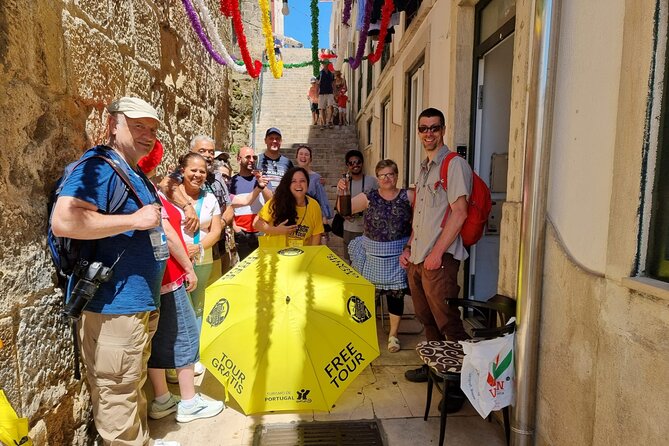
The tour includes a mobile ticket, and it runs in English. There is a maximum group size of 100, and the meeting point is near public transportation at Praça do Rossio.
At the same time, there is no transport ticket included. That means you are responsible for getting yourself to the start area and for moving on after the tour ends. If you already plan to use public transport, this is easy. If not, consider how you will reach Rossio Square without turning your morning into a guessing game.
Your best strategy is simple: show up ready to walk, and bring comfy shoes. Lisbon’s old streets do not always cooperate with flat-soled sandals.
Finally, do not ignore weather. This experience requires good weather. If conditions are poor, you are offered a different date or a full refund. For a neighborhood like Alfama, weather can also mean slippery stones and muddy footpaths, so your judgment matters.
Finishing at Lisbon Cathedral: Make Lunch a Five-Minute Plan
You end at Lisbon Cathedral, at Largo da Sé 1. This is a smart ending point because it puts you in an area where eating out is a natural next step.
Instead of spending your energy figuring out where to go next, you can simply look for a place nearby and recover with a meal and a drink. It is also a good location to keep walking if you want to do a self-guided loop around the cathedral area.
If you are the type who likes photos, plan for a few minutes at the end to take them. Your camera will naturally want the cathedral surroundings, and having time right after the tour is better than rushing out mid-experience.
Who This Tour Fits Best, and Who Should Skip It
This is a strong choice if you want an organized introduction to Alfama. You get the key landmarks in a logical order, and the guide stories help you connect the geography to Lisbon’s past, including the theme of earthquake-era destruction and recovery.
It is also great if you like walking tours that include a mix of viewpoints and culture. You see the theater exterior, go inside a church, and then reach the castle hill.
This may not be the best fit if you hate hills, you have trouble with steps, or you are expecting a low-effort city experience with lots of sitting and minimal walking. The tour is designed for movement.
If you want food or drinks as a central part of the plan, also consider another option. This one does not include wine or ginjinha tasting.
Should You Book Discover Lisbon’s Alfama Walk?
I think this is worth booking if you want value, structure, and story-driven sightseeing in a compact timeframe. The price is low relative to what you get, and the free admission stops make it feel more like a guided plan than a scavenger hunt.
Book it if:
- you are short on time and want a high-impact Alfama overview
- you want earthquake-era context, not just dates and names
- you want a finish near Lisbon Cathedral so your next step is easy
Consider skipping or choosing a different format if:
- you cannot handle moderate walking and hilly streets
- you are traveling in bad weather conditions and hate outdoor plans that can shift
If you go in with comfortable shoes and realistic expectations about walking, you’ll get a focused introduction to Alfama, plus a sense of why Lisbon’s old town looks the way it does today.
FAQ
How long is the Alfama old town walking tour?
It lasts about 2 hours 30 minutes.
Where does the tour start and where does it end?
It starts at Praça do Rossio (Rossio Square) and ends at Lisbon Cathedral, Largo da Sé 1.
Is the tour offered in English?
Yes, it is offered in English.
What sights will I visit during the walk?
You’ll visit Praça Dom Pedro IV, Teatro Nacional Dona Maria II (from the outside), Igreja de São Domingos (inside), and Castelo de São Jorge.
Are any admission tickets included?
Yes. The tour includes an admission ticket at Praça Dom Pedro IV, and it includes free admission tickets for Igreja de São Domingos and Castelo de São Jorge.
Is transport included?
No. Any transport ticket is not included.
Does the tour include alcohol or a wine or ginjinha tasting?
No. Alcoholic beverages and wine or ginjinha tasting are not included.
Do I need good weather?
Yes. The experience requires good weather. If it is canceled due to poor weather, you’ll be offered a different date or a full refund.
Is there a group size limit?
Yes. The maximum is 100 travelers.
Can I cancel for a full refund?
Yes. You can cancel up to 24 hours in advance for a full refund.
Is tipping expected?
A contribution to the guide of around 10 to 20€ is suggested.
Alfama and the Old Quarters, Other Walks We Reviewed





Newly added around Lisbon
- Lisbon: 2H Sunset Boat Cruise Tour with Drinks
★ 5.0 · 103 reviews - Discover Lisbon’s Alfama: Secrets of the Old Town
★ 5.0 · 104 reviews - Fatima Private Personalized Half Day Experience from Lisbon
★ 4.5 · 107 reviews - From Lisbon: Algarve, Benagil Sea Cave & Lagos Full-Day Tour
★ 4.8 · 107 reviews - From Lisbon: Sesimbra Wild Beach Tour
★ 4.6 · 108 reviews - Faith and Heritage: Fátima, Batalha, Nazaré, Óbidos from Lisbon
★ 4.5 · 108 reviews - 3-Hour Private Guided Walking Tour of Lisbon
★ 5.0 · 108 reviews - Private Full-Day Wine Tour from Lisbon with Tastings
★ 5.0 · 109 reviews - Lisbon Downtown & Alfama with a guide Walking tour
★ 4.5 · 109 reviews - Lisbon: Catamaran Boat Party with Music, Open Bar & Dives
★ 4.2 · 109 reviews
Other boats, other operators: Alfama and Old Lisbon Walks.
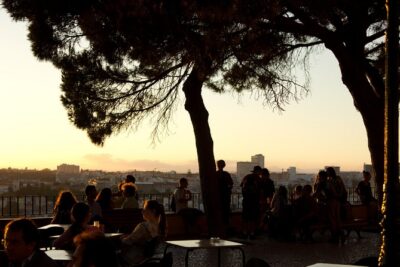 ★ 5.0Private Lisbon Sightseeing Tuk-Tuk Tour: Alfama, Belém & MoreFrom $524,277 reviews
 ★ 4.8Lisbon: Hills, Alfama, and Mouraria Tour by Electric BikeFrom $253,438 reviews
 ★ 4.6Lisbon: Fado in Chiado Live ShowFrom $273,095 reviews
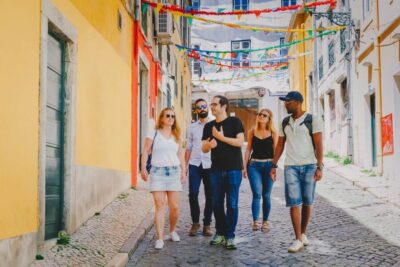 ★ 4.9Best of Lisbon Walking Tour: Rossio, Chiado & AlfamaFrom $232,700 reviews
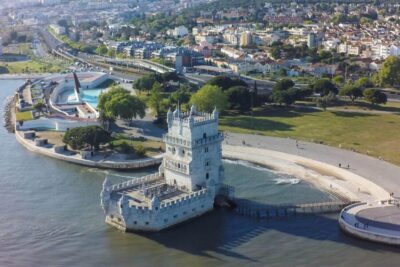 ★ 4.3Lisbon: São Jorge Castle E-Ticket and Audio GuideFrom $302,182 reviews
 ★ 5.0Lisbon Small-Group Food Tour with 18 Tastings in Alfama DistrictFrom $1261,967 reviews
 ★ 4.9Lisbon: Baixa District Food Tour with Dinner and DrinksFrom $821,870 reviews
 ★ 4.5Lisbon E-Bike Tour Commerce Square, Mouraria and AlfamaFrom $301,688 reviews
Filed under