
REVIEW · PICO ISLAND, FAIAL AND THE CENTRAL AZORES
Pico island: Climb Mount Pico, highest mountain in Portugal
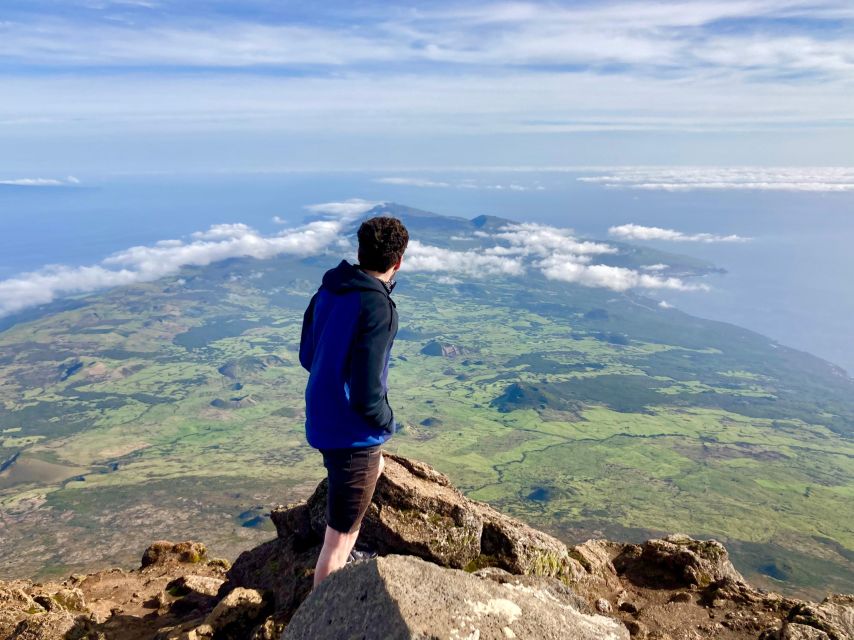
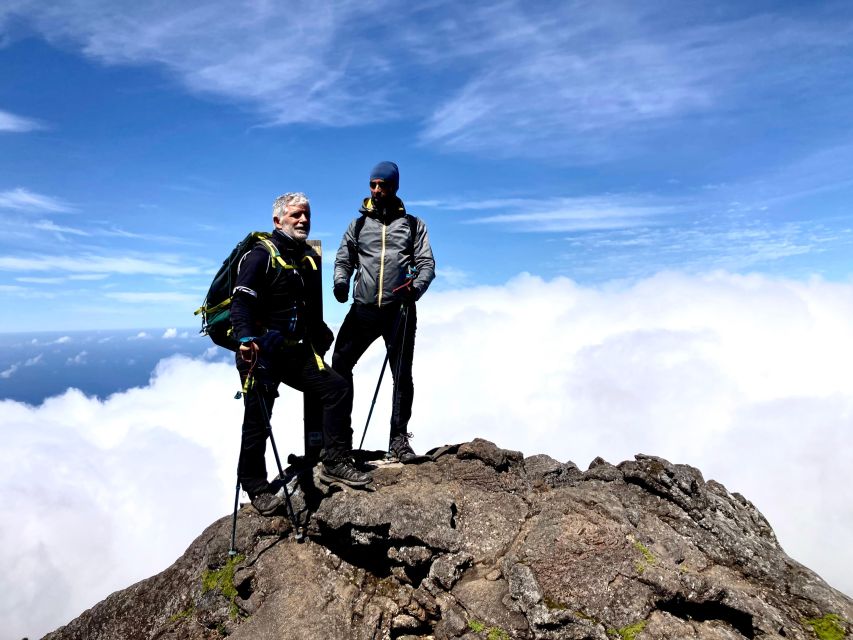
Portugal’s highest peak is for the brave. You get a certified Pico Mountain Guide for the full ascent and descent, and you earn 360° summit views from 2351 m. One possible drawback: the trail gets steep and rocky, and the descent can feel tougher than the climb if you are not used to uneven footing.
You start at the Mountain House with a short, serious safety briefing, then head into the protected Mount Pico Natural Reserve. The route mixes mud, solid rock, and loose sand, plus the last 15 minutes to Piquinho can require using your hands. Weather matters here, so plan for changing visibility and do not assume you will see every island perfectly.
In This Review
- Key things you’ll feel on this Mount Pico climb
- Mount Pico, the Azores peak that turns a day into a story
- Starting at the Mountain House, then getting the safety briefing out of the way
- The hike into the Natural Reserve, where the trail tests your balance
- The crater approach and why your pacing matters
- The last 15 minutes to Piquinho, hands-on for balance
- Summit payoff: 2351 m views, and how weather changes the whole story
- Descent feels longer, and you really do need guide tips
- Guide quality makes a real difference, and you’ll feel it
- What you get for the price, and why it can be good value
- Packing essentials and shoe rules that keep you on the route
- Who should book this, and who should skip it
- Should you book the guided Mount Pico climb?
Key things you’ll feel on this Mount Pico climb
- Certified guide support on every step (and a steady pace that keeps the group together)
- Real summit work, including a hands-assisted final stretch to Piquinho
- Panoramas that can be 360°, depending on cloud cover
- Terrain variety from mud and rock to loose, sandy sections
- Descent tips that protect your knees, since going down is often the hardest part
- Practical inclusions like poles, reserve access, and personal accident insurance
More central-group island hops we have made in Pico Island
- Tours on Pico Island – Cultural and Natural Landscape★ 4.8 · 115 reviews
- Pico Mountain Climb: Portugal’s Highest Point – 2351 meters★ 4.9 · 72 reviews
- Pico island: Climb Mount Pico, highest mountain in Portugal★ 5.0 · 65 reviews
Mount Pico, the Azores peak that turns a day into a story
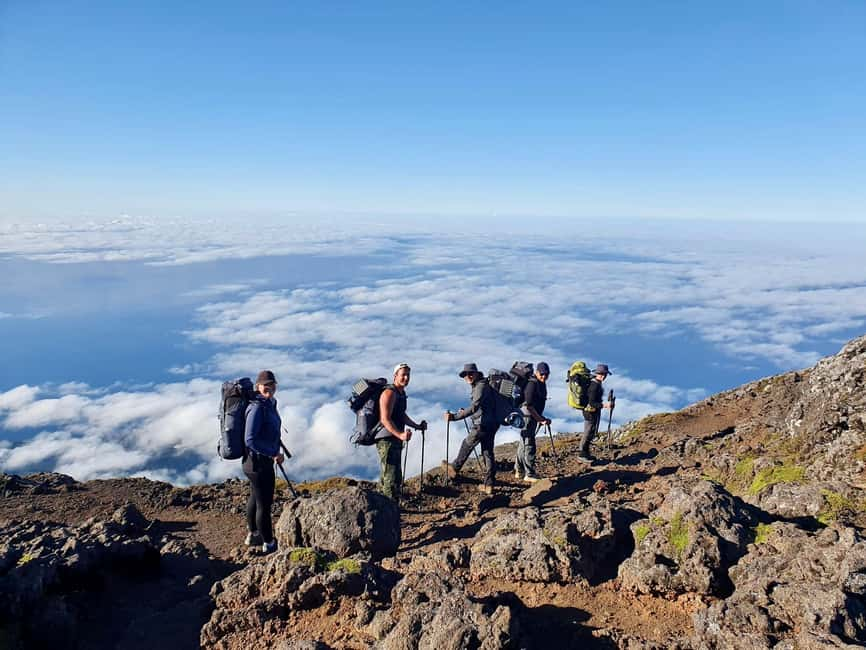
Mount Pico sits on Pico Island in the Azores, and it is Portugal’s highest mountain. This hike is not a quick photo stop. It is a full, physical day that rewards you with the kind of view you remember on the flight home. The route climbs about 1100 m and gains altitude fast enough that you feel it in your legs, even before you reach the steeper technical parts.
What makes this climb especially worthwhile is the mix of things you see and how you see them. You are walking through native vegetation and along striking geological structures, so you are not just climbing to stand on top. You are learning while you hike, which makes the day feel longer in the best way.
And yes, you will likely talk about the summit. The highest point is Piquinho, at 2351 m, and the goal is to appreciate the immensity around you. If the weather cooperates, the central-group islands can be visible from up there. Even if clouds roll in, the climb still has a strong sense of achievement because you earned it the hard way.
Starting at the Mountain House, then getting the safety briefing out of the way
The experience begins at the Mountain House. Your guide is inside, ready to check you in and get you moving. Before you hike, you get a safety briefing that lasts about 20 minutes. That short pre-hike talk matters more than it sounds.
Here’s why: the route includes different footing types and a final section where using your hands for balance is normal. Guides also have to manage group safety if conditions worsen or if someone in the group starts to struggle. Even the best trail can turn slick when it is muddy or windy. Getting your expectations set early helps you avoid panic later.
Once the briefing is done, you head out toward the Mount Pico Natural Reserve. This is not just a scenic area. It is a protected zone, so access and rules matter. In practice, it also means you will spend your time in an environment that feels wild and preserved, not like a paved viewpoint with crowds.
The hike into the Natural Reserve, where the trail tests your balance
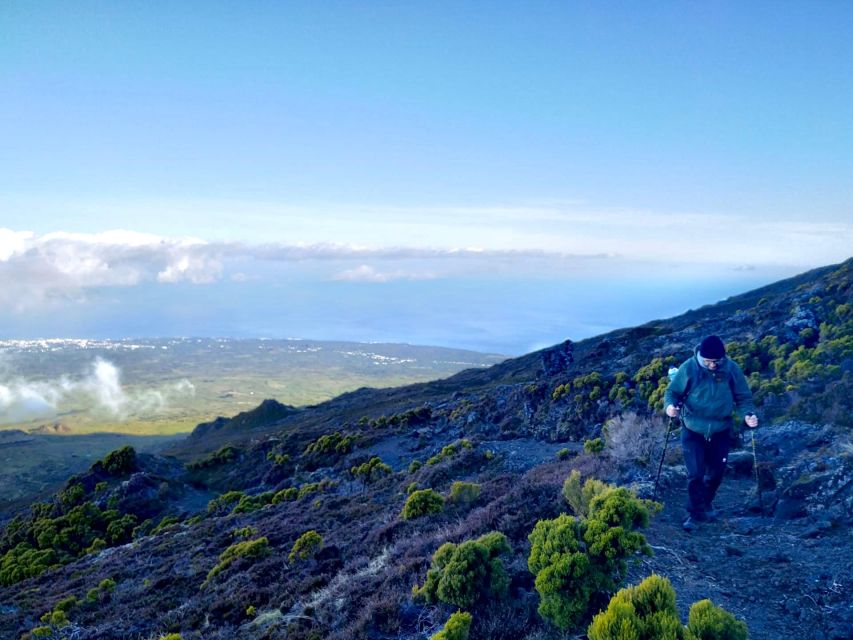
After the briefing, the climb follows the nature reserve. The total hike time is about 8 hours, and the route length is around 8 km with roughly 1100 m ascent and 1100 m descent.
Expect the hike to be a gradual build, not a single constant struggle. The first part is a good indicator of the rest of the climb. It gives you a chance to find your rhythm. If you hit real difficulties early, your guide may advise you to stop for your own safety and the group’s safety. That is not a failure. It is risk management.
As you move higher, the terrain becomes steeper and demands more physical fitness. You also get a real mix of surfaces:
- Mud in places where footing can be slippery
- Solid rock sections that feel stable, but still require careful steps
- Loose rock and sand later on, where traction can be unpredictable
This variety is one reason you should not treat the route like a simple hike. It is closer to a controlled scramble in spots, even when you are technically still walking. I like this style of challenge because it keeps your brain engaged, which usually makes the day feel more satisfying.
The crater approach and why your pacing matters
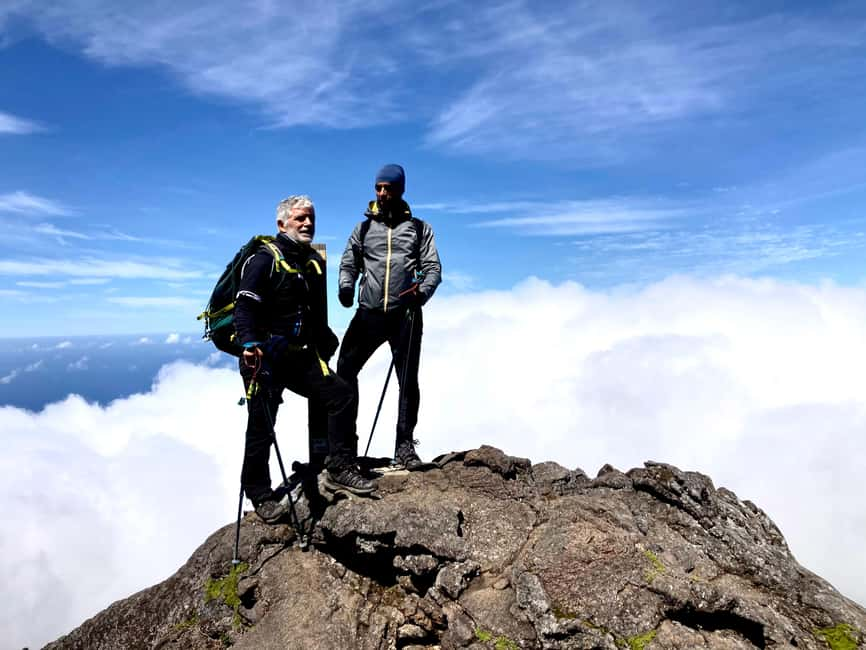
One key phase is the climb to the crater area. That segment is about 3 hours, and it runs across multiple terrain types. That time estimate is useful for planning your energy.
You want to pace yourself so you are not sprinting early and then running out of control later. A guided group helps here. With a certified guide, you are less likely to force the pace beyond what the day demands. Guides also tend to look out for uneven pacing within the group, adjusting so everyone stays safe.
If you are tempted to rush because you want the summit fast, remember that the descent is long and hard. A good summit is one where you still feel steady on the way down.
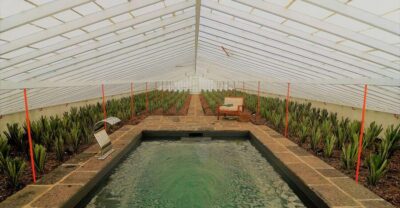
The last 15 minutes to Piquinho, hands-on for balance
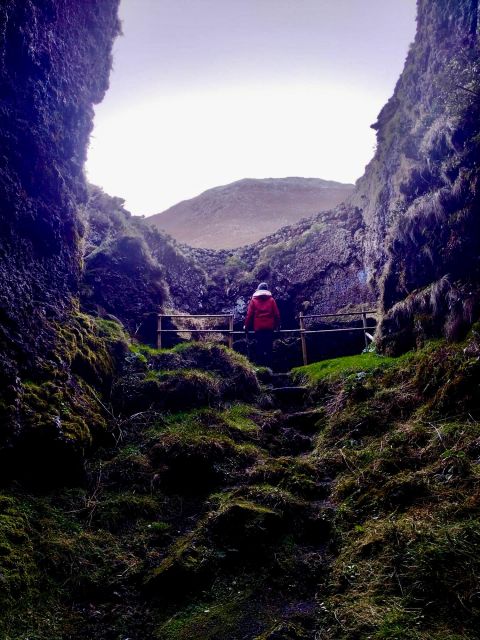
The final push is where you really feel Mount Pico’s personality. In the last 15 minutes to the top at Piquinho, you may need to use your hands for stability.
That does not mean you need climbing experience, but it does mean this is not purely a leg workout. You need coordination and calm decision-making. Place your feet well, keep three points of contact when the trail asks for it, and listen to your guide’s instructions.
This is also where footwear and grip show their value. The natural park requires hiking boots or hiking shoes with a good grip on the sole. If you show up with the wrong shoes, access can be refused. That one rule can save you from an unsafe experience and also saves you from last-minute disappointment.
Summit payoff: 2351 m views, and how weather changes the whole story
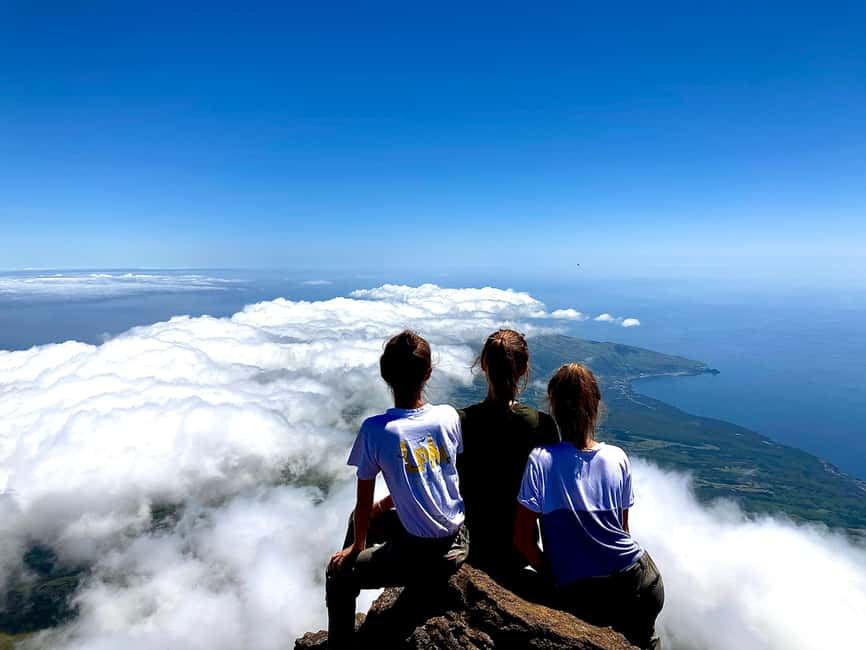
Reaching the top is the moment that makes all the earlier effort click into place. At 2351 m, you can appreciate the immensity around you. Depending on conditions, you might be able to see all the islands of the central group.
Here’s the practical truth: clouds can limit what you see. But even cloudy weather can still be rewarding. On a mountain like this, the view is not only about clarity. It is also about feeling the altitude, the wind exposure, and the scale of the terrain below you.
This is why a guide helps beyond safety. Good guides also point out what you are looking at, and they share context about Pico Mountain and the island itself. That turns a summit stop into something more memorable than a quick line-up for photos.
Descent feels longer, and you really do need guide tips
After the summit moment, you start the descent. This takes about 3 to 4 hours and follows the same general path as the ascent.
The descent is often the most challenging part, especially if you are not used to steep, rocky downhills. Your legs can feel fine at the top, then fatigue hits on the way down as your body works to control each step.
That is where guide coaching becomes crucial. Your guide will give tips for handling the terrain better, which can help your balance and reduce the chance of slips. Hiking poles are included, and they are there for a reason. They can take some pressure off your knees and give you extra control when the surface gets loose.
Expect the descent to be slow enough that you are still paying attention to each foot placement. A calm descent is what turns a good day into a safe day.
Guide quality makes a real difference, and you’ll feel it
This kind of hike lives or dies on leadership. The guides here are certified Pico Mountain Guides, and the best part is how they manage people, not just routes.
I like that guides keep an appropriate pace and pay attention to different group members. In practice, that means you are not stuck dragging yourself along at someone else’s speed. It also means the leader watches for signs that conditions or effort are exceeding what the group can safely handle.
Two guide names come up strongly: Petro and Steffi. Petro is praised for being very good and personable, with nice conversations that make the day feel human rather than just instructional. Steffi is noted for explaining Pico’s history and interesting facts, while also maintaining the right pace and giving helpful advice. There is also a clear theme around practical support, including quick help when someone had a minor slip during the downhill.
Even if you never face an emergency on the trail, that kind of readiness is the difference between a stressful hike and a confident one.
What you get for the price, and why it can be good value
The listed price is $91 per person, and the value is tied to what is included. You are not just paying for access. You are getting:
- A Certified Pico Mountain Guide
- Access fee for the Mount Pico Natural Reserve
- Hiking poles
- Allianz personal accident insurance
- A certificate
On Pico Island, the reserve access and guide costs are usually the parts that add up. So when you compare this as a package, it often makes more sense than trying to cobble together guide time plus separate access plus equipment.
Also, the time commitment is real. This is an 8-hour outing with major elevation change. If you are going to spend that long hiking anyway, having a guide and poles already lined up is a quality-of-life win.
Language options are also a plus: the guide can be in English, Dutch, or Portuguese, which helps you get the most out of the explanations while you are working hard.
Packing essentials and shoe rules that keep you on the route
This hike is not the day for random footwear. The biggest practical rule is simple: you must wear hiking boots or hiking shoes with a good grip. Sports shoes are not allowed, and the natural park can refuse entry if your footwear is not appropriate.
Bring a daypack, water, and food. You will want sunscreen and sunglasses because the sun exposure at elevation can sneak up on you. Rain gear is smart too, since conditions can change. Weather-appropriate clothing is key since the wind and temperature at altitude can feel different than at sea level.
A short list of what to bring:
- Sunscreen
- Daypack
- Hiking shoes (good grip)
- Weather-appropriate clothing
- Food
- Rain gear
- Sunglasses
- Water
One more practical note: if you plan to bring a drone, you must register at ANAC, the Portuguese Civil Aviation Authority. Do not assume mountain rules are relaxed just because it is an outdoor day.
Who should book this, and who should skip it
This climb is for active people who have good physical preparation. It is not suitable for people with a sedentary lifestyle. The physical effort is rated 3 out of 5, and the technical difficulty is around 2.5 out of 5.
It is also not for everyone medically or physically. It is not suitable for:
- Children under 12 years
- People with back problems
- People with heart problems
- Wheelchair users
- People afraid of heights
- People with respiratory issues
- People with recent surgeries
- People with low level of fitness
- Pregnant women
If you fall into any of those categories, do not try to power through. This is the kind of hike where safety decisions happen on the trail. Choose a different Pico adventure that fits your limits.
If you do fit the fitness profile, you are likely to enjoy it a lot. It is a rewarding challenge with a clear summit goal, and it is guided enough that you can focus on the climb rather than figuring everything out yourself.
Should you book the guided Mount Pico climb?
Book it if you want Portugal’s highest point with structured guidance. The certified guide, reserve access, included poles, and insurance are real perks, not just fine print. The pacing and safety mindset also seem to be a strong point, especially with guides like Petro and Steffi.
Skip it or reconsider if you are not comfortable with steep, rocky downhills, if you get nervous around heights, or if your health situation falls into the non-suitable categories listed. Also keep in mind this is weather-dependent. In rough conditions, the hike can be cancelled just before it starts, so you need flexibility in your plans.
If you want a day that feels like a true Pico Island milestone, a guided Mount Pico climb is a solid choice.
Pico, Faial and the Central Group, More Island Hops
Newly added around Pico Island
- Pico island: Climb Mount Pico, highest mountain in Portugal
★ 5.0 · 65 reviews - Pico Mountain Climb: Portugal’s Highest Point – 2351 meters
★ 4.9 · 72 reviews - Tours on Pico Island – Cultural and Natural Landscape
★ 4.8 · 115 reviews - Pico Island: Whale Watching Experience from Lajes
★ 4.9 · 492 reviews
Other boats, other operators: Pico Island, Faial and the Central Azores.
 ★ 4.3Lisbon: São Jorge Castle E-Ticket and Audio GuideFrom $302,182 reviews
 ★ 4.6Lisbon: Sao Jorge Castle Skip-the-Line Ticket with GuideFrom $371,191 reviews
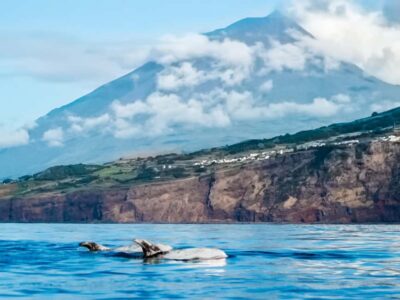 ★ 4.9Pico Island: Whale Watching Experience from LajesFrom $68492 reviews
 ★ 4.5São Jorge Castle Skip-the-line Entry TicketFrom $36440 reviews
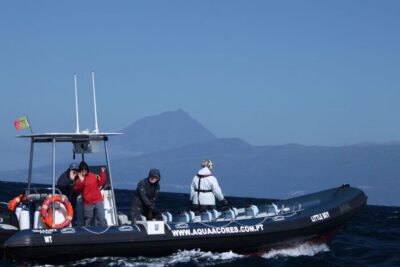 ★ 4.8Pico Island: Azores Whale & Dolphin Watching on Zodiac BoatFrom $53408 reviews
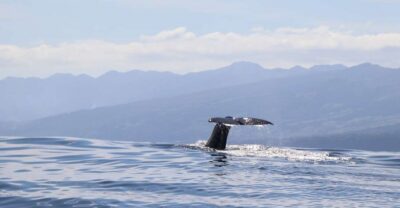 ★ 4.9Horta: University Startup Whale and Dolphin RIB Boat TripFrom $101225 reviews
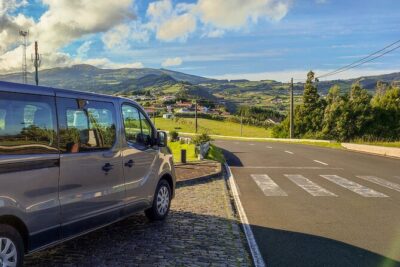 ★ 5.0Faial Island: Full Day Tour – Nature and Local CultureFrom $114213 reviews
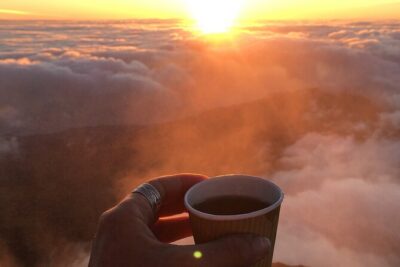 ★ 5.0Pico Mountain: Climb the Highest Point of Portugal 2351mFrom $90187 reviews
Filed under