
REVIEW · PICO ISLAND, FAIAL AND THE CENTRAL AZORES
Pico Mountain Climb: Portugal’s Highest Point – 2351 meters
Portugal’s highest point waits behind volcanic stairs. This full day trek to Piquinho mixes steep hiking, crater views, and included coffee, plus guides who film and photograph your climb. If you like a challenge with real payoff, this one is straightforward.
I also like the way the day is guided end-to-end, from a quick equipment check before you move to a supported route through Mount Pico Natural Reserve. One thing to consider first, though: it is intense. You’ll cover about 8 km, and the descent is steep and rocky, with an average slope around 30 percent, so it helps to arrive fit and ready.
In This Review
- Key things to know before you go
- Pico, Piquinho, and the feeling of actually reaching the top
- The 7-hour plan from Mountain House to summit and back
- Stop 1: Start at the Mountain House in Madalena
- Stop 2: Safety briefing and equipment check
- Stop 3: A quick viewpoint break and photo stop
- Stops 4 and 6: Mount Pico Natural Reserve hiking time
- Stop 5: A secret stop for another break and photos
- Stop 7: Photo stop plus picnic time near the reserve
- Stops 8 and 10: Final guided stretches
- Stop 9: Another viewpoint pause
- Stop 11: Back to the Mountain House
- Coffee, poles, and guides who keep the day moving
- The volcano crater pause and the lava cone push
- Summit views, clear days, and what you’ll do with your photos
- The descent is where your legs will talk
- Price and value: what $90 actually buys you
- What to bring, and the rules that keep it safe
- Who should book this Pico climb, and who should skip it
- Quick practical tips to make the summit moment easier
- Should you book the Pico Mountain Climb?
- FAQ
- How long is the Pico Mountain Climb?
- Where do I meet the guide?
- What is the highest point you reach on this hike?
- Are walking sticks included?
- Is coffee included during the hike?
- Are photos and videos included?
- What should I bring for the hike?
- What footwear is not allowed?
- Is there a refund if I cancel?
- What languages do the guides speak?
Key things to know before you go
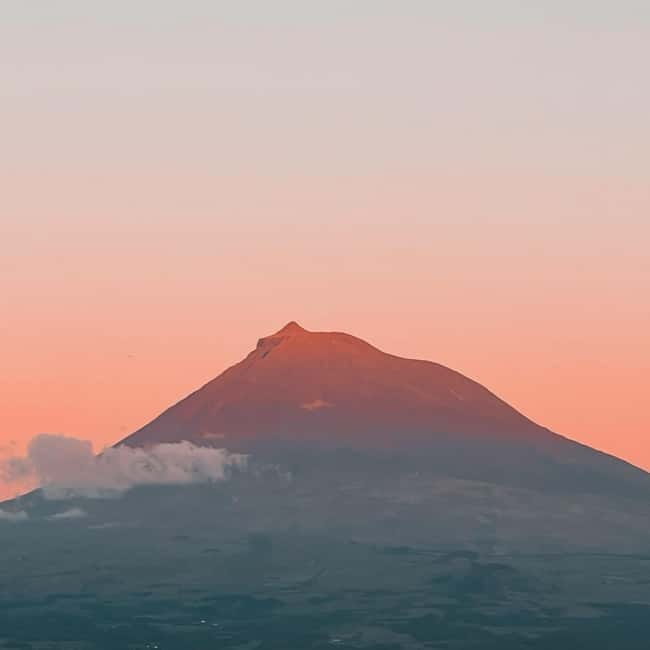
- Piquinho summit at 2,351 meters, the highest point in Portugal
- A volcano moment up close, with a crater pause and fumaroles on the lava cone
- Free coffee along the way, plus photos and video taken during the hike
- About 8 km of trail, with harder terrain as you get higher
- Guided, safety-first pacing, including a briefing and provided walking sticks
- $90 includes insurance and media, but meals and drinks are not included
More central-group island hops we have made in Pico Island
- Tours on Pico Island – Cultural and Natural Landscape★ 4.8 · 115 reviews
- Pico Mountain Climb: Portugal’s Highest Point – 2351 meters★ 4.9 · 72 reviews
- Pico island: Climb Mount Pico, highest mountain in Portugal★ 5.0 · 65 reviews
Pico, Piquinho, and the feeling of actually reaching the top
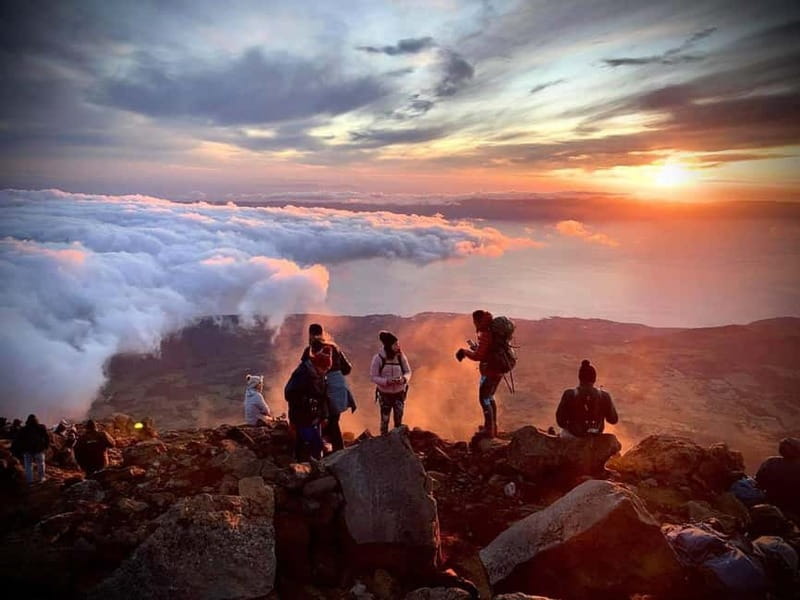
Pico is not a gentle walk. You are climbing a volcanic mountain that locals treat as part hike, part nature lesson. The big draw here is that you are going for Portugal’s highest point, Piquinho, at 2,351 meters. When you crest the lava cone, the accomplishment feels earned, not staged.
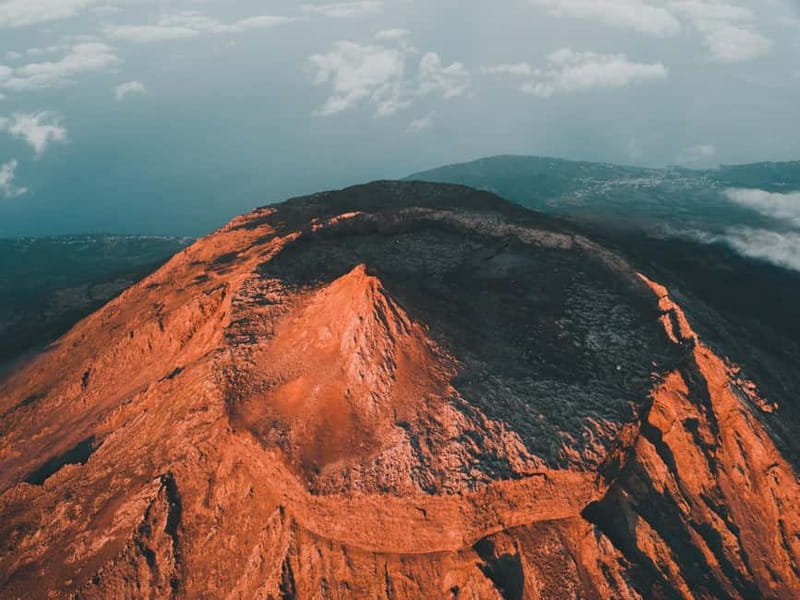
What makes it special is the volcano setting you experience on the way. You don’t just look at a mountain from far away. You get to rest near the top area by the volcano crater, and then you go up the lava cone where there are permanent fumaroles. That combo turns the day from cardio into something more memorable.
The panoramic payoff also matters. On clearer days, you may be able to see multiple islands from the summit area. In other words, the views can be more than just “pretty.” They help you understand where you are in the Azores, high above the Atlantic, looking out across the island’s natural scale.
The 7-hour plan from Mountain House to summit and back
The rhythm of the day is built around a steady climb, short breaks, and an organized return. The full tour runs about 7 hours, with starting times that depend on availability.
Here’s how the day generally unfolds, in order:
Stop 1: Start at the Mountain House in Madalena
You check in with staff at the Mountain House in Madalena. Your guide is there waiting, so you are not trying to find people or guess where to gather.
Stop 2: Safety briefing and equipment check
Before anyone starts moving uphill, you get a full safety briefing (about 10 minutes) and an equipment check. This matters because the hike is not just “up and down.” It’s steep, uneven in spots, and on volcanic rock, so having the right setup early saves stress later.
Stop 3: A quick viewpoint break and photo stop
After that, you pause at a viewpoint. It’s short, about 5 minutes, with a break plus a photo chance and a bit of sightseeing. Think of this as a warm-up for your eyes. You settle into the pace, and you start seeing what the day will deliver.
Stops 4 and 6: Mount Pico Natural Reserve hiking time
You spend major blocks of time hiking inside Mount Pico Natural Reserve. The guided hiking segments run about 1.5 hours, then about 2 hours later. This is where your legs do the work and the guide does the “make it make sense” part, keeping you on the route and managing the pace so the climb stays realistic.
The terrain changes as you go higher. The climb starts with easier sections and gradually gets harder near the top. You also need to watch for loose rocks and uneven ground. That’s not the kind of footing you want to ignore.
Stop 5: A secret stop for another break and photos
There’s a secret stop with about a 10-minute break and photo time. These pauses help you reset without fully letting the hike turn into a slow parade.
Stop 7: Photo stop plus picnic time near the reserve
Around the mid to later part of the route, you hit a photo stop and a picnic-style break, about 20 minutes. This is a useful moment to eat something small if you brought snacks, and to take in the volcano terrain without rushing.
Stops 8 and 10: Final guided stretches
You’ll keep hiking guided segments of about 1.5 hours, then about 1.5 hours again. These parts can feel tougher because you are closer to the harder upper sections, and your body has already spent time adjusting to the slope.
Stop 9: Another viewpoint pause
Another 10-minute break and photo stop at a viewpoint helps you catch your breath and keep your attention on safe footing.
Stop 11: Back to the Mountain House
When you return, you finish back at the Mountain House. The tour is designed so you leave with a real sense of mission accomplished, not just a ticketed activity.
Coffee, poles, and guides who keep the day moving
One of the most practical touches is the included coffee. You’ll have coffee on hand during the climb, and the tour includes coffee as part of the experience, not as an optional extra you need to hunt down later.
You also get walking sticks (poles) provided for comfort and safety. Even if you are an experienced hiker, poles can make a difference on steep volcanic descents. Use them correctly and they take pressure off your knees.
Then there is the human factor. A good guide can turn a hard hike into a manageable one. People often remember the guide’s encouragement, the way they explain the mountain, and how they coordinate the group during breaks. Names like Isabel and Raisa show up as guides who bring energy, humor, and solid mountain knowledge. You can expect your guide to do more than just point the way.
And yes, there is photo and video coverage. Guides photograph and video you during the hike, so you can spend less time with your camera half out and more time concentrating on the climb.
The volcano crater pause and the lava cone push
The summit part is the emotional peak of the day. The climb culminates in a period of anticipation near the volcano crater, before you go up the lava cone.
This is where you slow down briefly, breathe, and look around. You can feel the “okay, we’re here” moment because the setting gets more specific and more dramatic. The lava cone has permanent fumaroles, which is exactly the kind of detail that reminds you this is an active-type landscape, not a museum mountain.
Your guide is there for safe pacing and route guidance during this phase. If weather is rough, that matters even more, since wind and cloud cover can change visibility quickly. A steady, guided approach makes the summit attempt feel less like a gamble.
Summit views, clear days, and what you’ll do with your photos
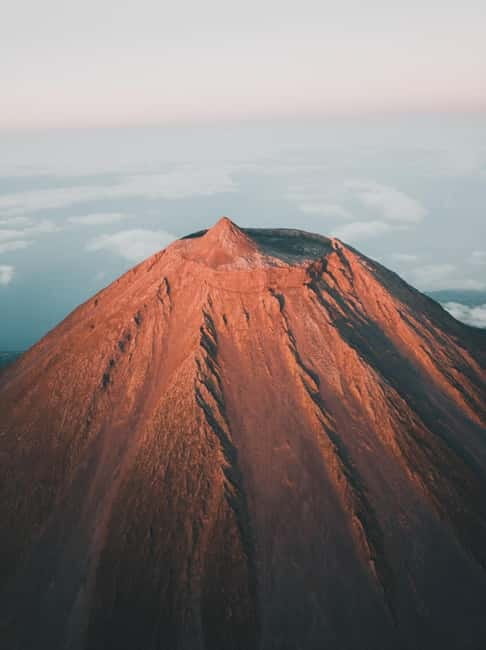
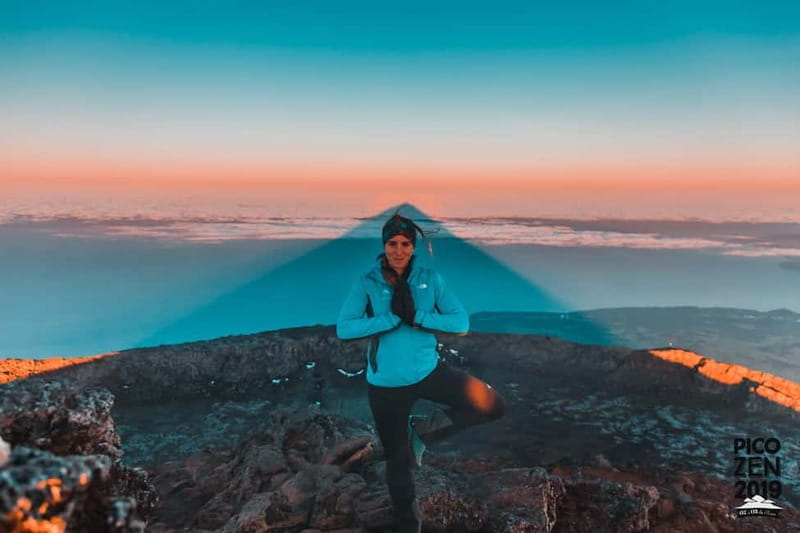
Once you reach the top, the day turns into a pause for photos, breathing, and taking in the height. The summit experience is often described as euphoric, because you’re not just standing somewhere scenic. You’re at Portugal’s highest point.
If the weather cooperates, you may get wide-ranging visibility. One clear-day highlight reported in guiding includes the chance to see up to four islands. Even if visibility is limited, you still get the volcano setting and the sense that you are standing above most of what surrounds you in the Azores.
Photos and video are included, which makes the summit feel easier. You can take a few shots yourself, sure, but you also have the backup of professionally captured moments.
The descent is where your legs will talk
The climb is challenging, but the descent is the part that often surprises people. The route down is built on volcanic rock and has an average slope of about 30 percent. That’s steep enough that you need your attention on every step.
The tour is designed with fewer stops on the way back to keep your leg muscles active. That can be good for stamina, but it also means you should pace smartly during the descent. Use the poles, keep your footing controlled, and don’t rush just because you are excited to be finished.
This is also a great moment to practice what you’ve been doing all day: step carefully around loose rocks, and move like you have time. On a volcanic surface, that usually means slower is safer.
Price and value: what $90 actually buys you
At around $90 per person for a full-day hike, you’re paying for more than just a guide. You’re also getting:
- an experienced professional guide
- provided walking sticks
- personal accident insurance
- photos and videos captured during the hike
- coffee included during the experience
- all applicable fees and taxes
Meals and drinks are not included, so you’ll want to bring snacks and manage hydration yourself.
For me, the value is in the combination. A day at 2,351 meters is physically demanding, and the volcano terrain needs competent navigation. The included poles and media are also real money savers if you otherwise would rent gear or pay for guided photo coverage.
If you’re on a tight budget, it can still be worth it if you will actually use the coffee and if you want the media coverage. If you don’t care about photos, and you’re already set up with gear and a strong route plan, a DIY hike might seem cheaper. But the safety briefing, insurance, and guided pacing are part of why this cost makes sense.
What to bring, and the rules that keep it safe
This is where people can accidentally make things harder for themselves. You should plan for mountain weather even if the day looks okay at the start.
Bring:
- warm clothing
- snacks
- hiking shoes
- water
- weather-appropriate clothing
Don’t wear:
- high-heeled shoes
- open-toed shoes
- sports shoes
Pets are not allowed, but assistance dogs are allowed.
Also, this hike is not for kids. It’s not suitable for children under 12.
Who should book this Pico climb, and who should skip it
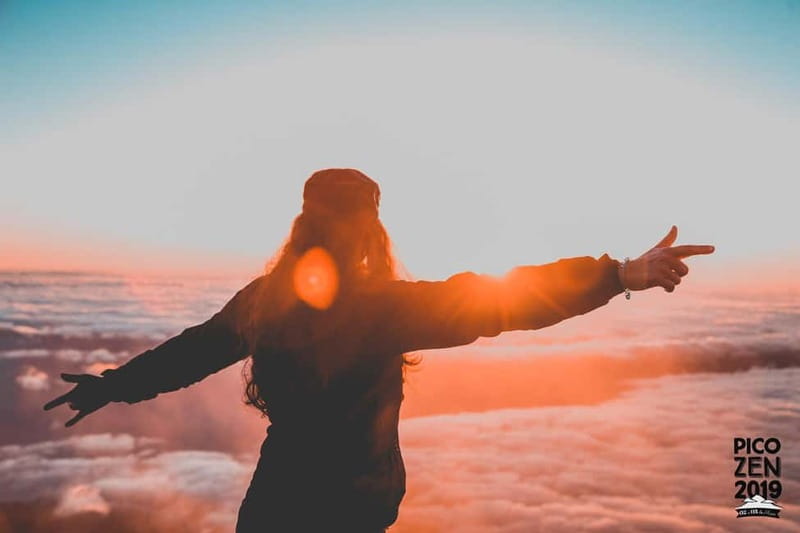
This hike is for people who want an intense, full-day workout and who feel comfortable on steep, rocky ground. If you have low fitness, this is not the day to test yourself. Likewise, if you have back problems, pregnancy, mobility impairments, or you use a wheelchair, you should skip it.
Age matters here too. It’s not suitable for people over 70, and it’s not a good fit for anyone looking for a relaxed stroll.
A good match:
- you hike regularly
- you can handle steep slopes and uneven rock
- you don’t mind a day that is more physical than scenic casual
If you are unsure, treat the tour rules as a clue. The route is steep, the terrain can be loose, and the descent is tough. Picking the right fitness level is part of getting the best experience, not just staying safe.
Quick practical tips to make the summit moment easier
Here are the habits that help most on this kind of climb, using what the day requires:
- Wear your most reliable hiking shoes. Volcanic rock punishes anything unstable.
- Dress for cold. Warm clothing is not optional at altitude.
- Take advantage of the poles right away. They help on the harder upper sections and on the descent.
- Pack snacks. Meals and drinks are not included.
- Don’t treat the “short breaks” like long pauses. The stops are designed to keep momentum, so plan your effort.
Also, if you’re the type who likes photos, go easy on your phone during the toughest footing. Let the guide handle the photo and video moments, and keep your hands free when the ground gets tricky.
Should you book the Pico Mountain Climb?
I think you should book it if you want a guided route to Portugal’s highest point, you like the drama of volcanic terrain, and you’re willing to work for it. The included poles, coffee, and photo and video coverage make the day feel more complete, not just physically hard.
Skip it if you want a gentle walk, if steep rocky descents would be a problem, or if any of the listed limits apply to you, like low fitness, back problems, pregnancy, mobility impairments, wheelchair use, or age over 70.
If you are on the fence, use this simple test: are you comfortable hiking for about 7 hours with steep segments and careful footing? If yes, this is one of the most satisfying “I actually did something” tours in the Azores.
FAQ
How long is the Pico Mountain Climb?
The experience lasts about 7 hours.
Where do I meet the guide?
Check in with staff at the Mountain House in Madalena. Your guide will be waiting there.
What is the highest point you reach on this hike?
You hike to Piquinho, Portugal’s highest point, at 2,351 meters.
Are walking sticks included?
Yes. Walking sticks are provided for comfort and safety.
Is coffee included during the hike?
Yes. There is free coffee available on the way.
Are photos and videos included?
Yes. Photos and videos are included, and the guides capture you during the hike.
What should I bring for the hike?
Bring warm clothing, snacks, hiking shoes, and water, plus weather-appropriate clothing.
What footwear is not allowed?
High-heeled shoes, open-toed shoes, and sports shoes are not allowed.
Is there a refund if I cancel?
Yes. You can cancel up to 24 hours in advance for a full refund.
What languages do the guides speak?
The live tour guide speaks Portuguese, English, Italian, Spanish, and French.
Pico, Faial and the Central Group, More Island Hops
Newly added around Pico Island
- Pico island: Climb Mount Pico, highest mountain in Portugal
★ 5.0 · 65 reviews - Pico Mountain Climb: Portugal’s Highest Point – 2351 meters
★ 4.9 · 72 reviews - Tours on Pico Island – Cultural and Natural Landscape
★ 4.8 · 115 reviews - Pico Island: Whale Watching Experience from Lajes
★ 4.9 · 492 reviews
Other boats, other operators: Pico Island, Faial and the Central Azores.
 ★ 4.3Lisbon: São Jorge Castle E-Ticket and Audio GuideFrom $302,182 reviews
 ★ 4.6Lisbon: Sao Jorge Castle Skip-the-Line Ticket with GuideFrom $371,191 reviews
 ★ 4.9Pico Island: Whale Watching Experience from LajesFrom $68492 reviews
 ★ 4.5São Jorge Castle Skip-the-line Entry TicketFrom $36440 reviews
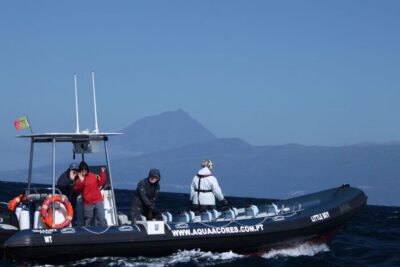 ★ 4.8Pico Island: Azores Whale & Dolphin Watching on Zodiac BoatFrom $53408 reviews
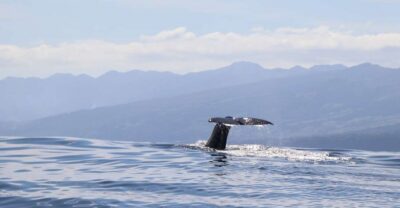 ★ 4.9Horta: University Startup Whale and Dolphin RIB Boat TripFrom $101225 reviews
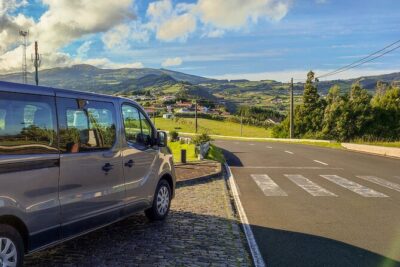 ★ 5.0Faial Island: Full Day Tour – Nature and Local CultureFrom $114213 reviews
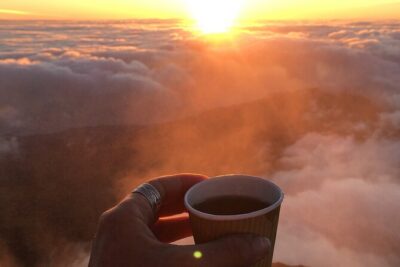 ★ 5.0Pico Mountain: Climb the Highest Point of Portugal 2351mFrom $90187 reviews
Filed under