
REVIEW · PASTEIS DE NATA AND LISBON FOOD WALKS
Porto: Pastel de Nata Cooking Class with Grandma’s Recipe
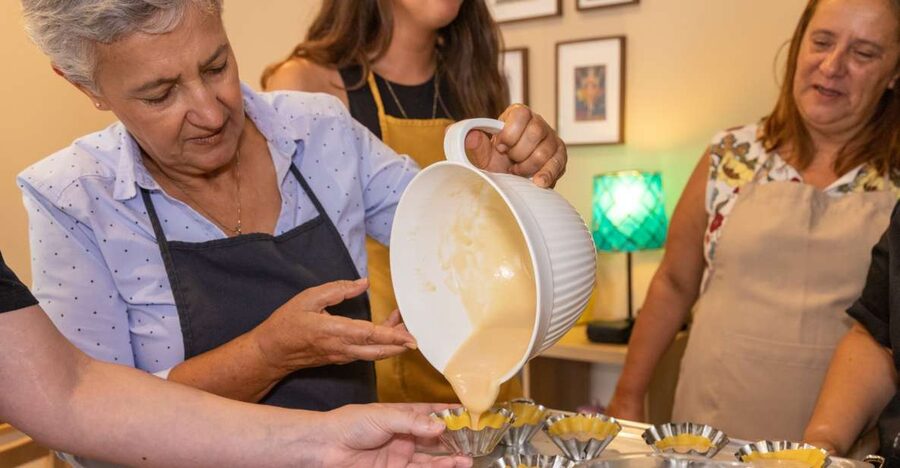
A warm kitchen beats a crowded tour bus. This Porto pastel de nata cooking class takes place in Joana’s home, where you make the custard tarts using a Grandma’s recipe and then eat your own batch right at the table.
I especially like the way the session stays hands-on without feeling rushed. You learn step by step, you get to take part in different tasks, and you leave with enough know-how to try again at home. Also, the cozy home setting makes the whole thing feel personal, not like a production line.
The main thing to consider is the location and access. The house is about 10 minutes by car from Porto city center, and it’s not suitable for wheelchair users, so you’ll want to plan transport accordingly.
In This Review
- Key Highlights You’ll Actually Care About
- Price and What $33 Buys You in Real Life
- Where You Go: Joana’s Home Near Porto (Not in the Middle of Everything)
- What Happens in the Kitchen: Grandma’s Recipe, Step by Step
- Making Pastéis de Nata: Timing, Texture, and Getting Hands-On
- The Real Win: A Table, Coffee, and Eating Warm Tarts You Made
- Who This Class Is Best For (And Who Might Skip)
- Tips to Get the Best Results When You Try Again at Home
- Should You Book This Pastel de Nata Class in Porto?
- FAQ
- How long is the cooking class?
- How many people are in the group?
- What language is the class taught in?
- Where is the class located and how far is it from Porto city center?
- What transportation is included?
- What is included in the meal and drinks?
- Is the experience wheelchair accessible?
Key Highlights You’ll Actually Care About
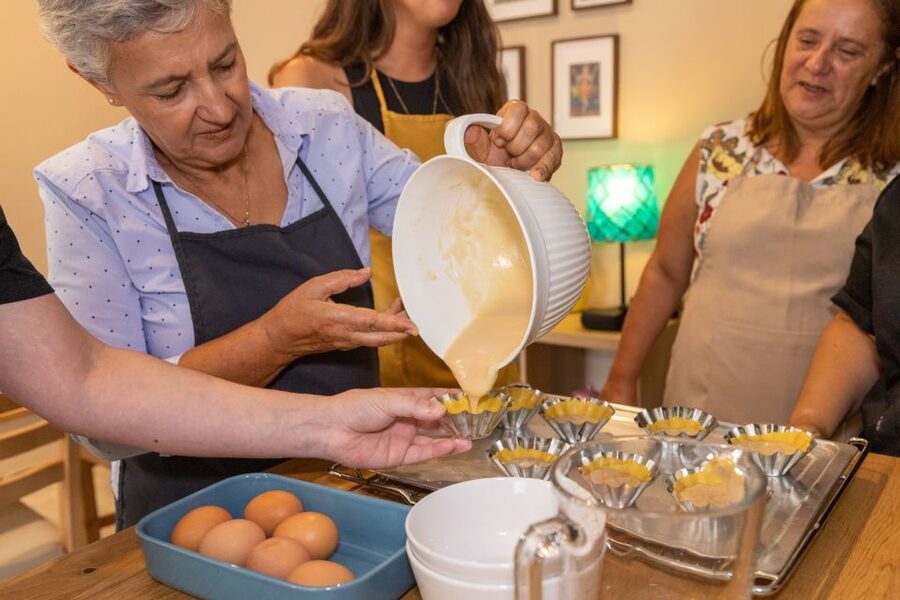
- Grandma’s pastéis de nata method, taught in a calm, repeatable way
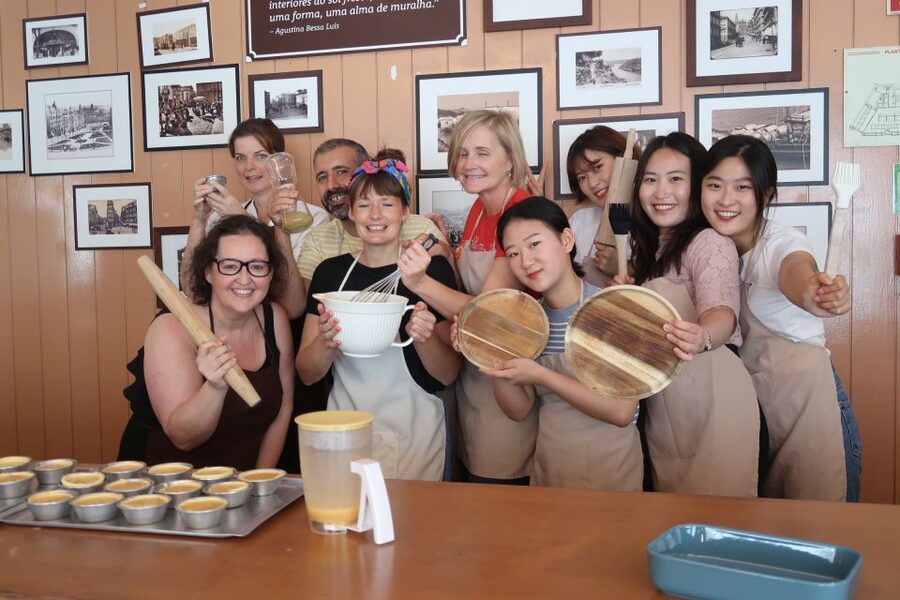
- Small group up to 10, built so you’re not stuck watching from the sidelines
- English-speaking host (Joana) with patient, clear guidance
- Eat together at the end, with coffee, tea, orange juice, and your fresh pastries
- A homey vibe, including music on a record player and lots of natural light
Still weighing up the options? These are other Norte Region trips our reviewers have actually been on.
- Lamego: Quinta da Portela de Baixo Winery Tour and Tasting★ 4.9 · 188 reviews
Price and What $33 Buys You in Real Life
At about $33 per person for a 2-hour class, the value is mostly in the “you do it” factor. This is not just sampling a pastry. You are making the tart, learning the process, and getting the satisfaction of pulling a tray of warm custard tarts out of the oven.
You’re also paying for something hard to copy on your own: the specific technique and pacing. Pastéis de nata can go wrong in a hurry if you guess on texture or timing. Here, the structure is built to help you get it right without needing to be a pastry expert.
One more value point: you’re in a local home, not a studio with a demo table and a timer. The final sit-down also matters. You get to taste what you made immediately, while it’s at its best, not a half-warm takeaway later.
Where You Go: Joana’s Home Near Porto (Not in the Middle of Everything)
Your meeting point is Joana’s home, about 10 minutes by car from Porto city center. If you want the fastest, simplest approach, use Bolt or Uber. It’s especially worth it if you’re traveling with more than two people, since it’s often the cheapest way to keep everyone together.
If you prefer public transport, you have a few workable options:
- Bus from Bolhão: take bus 800 or 801, which stops just across the street from the house. You’ll need to buy the ticket inside the bus with coins.
- Metro from Trindade Station: take the Orange Metro Line to Fânzeres, then walk about 700 meters for roughly 10 minutes.
When you arrive, ring the doorbell with the wording 2 Andar. It’s a small detail, but it can save you time and awkward wandering.
What Happens in the Kitchen: Grandma’s Recipe, Step by Step
The class starts with a welcome in Joana’s home kitchen. You’ll meet your host and hear about her family and the roots behind the pastel de nata tradition. That matters more than it sounds. It gives you context for the method, not just the measurements.
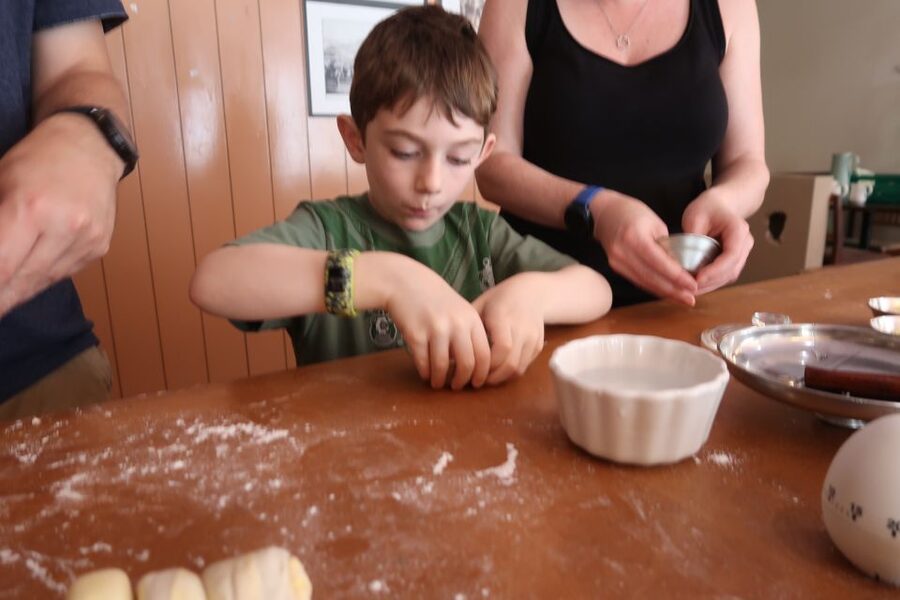
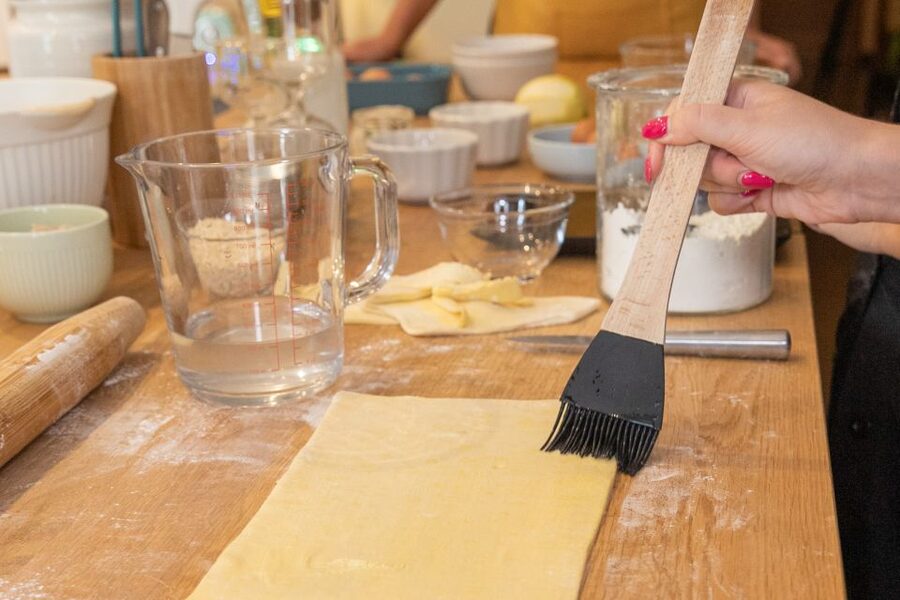
Then you move into the real work: baking pastéis de nata from scratch as a group. The setup is designed so everyone contributes. Expect a rotating style where you jump between tasks rather than doing only one small chore.
From the experience details, what stands out is how much you learn about the pastry itself. It’s not just filling a shell you bought earlier. You get to work through the process, including the puff pastry side, and then the custard filling. Even experienced bakers seem to appreciate that it’s taught clearly, not just claimed.
A good sign is the teaching style. Multiple people noted how patient and encouraging Joana is, with step-by-step instruction that works even if you don’t bake often. Hygiene and organization also get praised, which is important when you’re handling dough and custard in a shared space.
Making Pastéis de Nata: Timing, Texture, and Getting Hands-On
Here’s what you’ll actually be doing during the session, in plain terms.
First, you prep and handle the dough work that’s part of what makes pastéis de nata special. The key is learning how the pastry should behave, not just following a list. When you understand that behavior, the rest gets easier.
Next comes the custard. Portuguese custard tarts rely on a creamy interior and a set structure that can still feel silky when you bite in. That’s why the class emphasizes technique and pacing. You’re not just watching someone else pour custard into tins. You’re doing it, asking questions, and adjusting as you go.
Then you assemble the tarts and move toward baking. This part is where the whole experience feels most satisfying. You go from mixing bowls to a tray of little pastries you recognize as yours.
One small drawback to keep in mind: with up to 10 people, there’s some natural switching between roles. That’s how the class keeps everyone involved, but it can mean you don’t stay at one step nonstop. If you love one specific part of baking, you might wish the session lasted a bit longer.
The Real Win: A Table, Coffee, and Eating Warm Tarts You Made
The ending is the point for most people. You gather together and enjoy what you baked, with drinks like coffee, tea, and orange juice. The pastries come out fresh from the oven, warm and fragrant, with that classic contrast of flaky pastry and creamy custard.
Eating in the home matters. You’re not standing in a corner juggling your plate. You’re sitting with your group, sharing the moment while the pastries are still at their best. Several participants mention the friendly mix of people, and it makes sense. A cooking class naturally levels the playing field. Everyone is busy and everyone tastes the same thing.
Joana’s approach also shows up here. People describe her as welcoming and interactive, like she wants you to feel comfortable in her space. It’s not a lecture followed by a snack. It’s a shared food moment with instruction that keeps you involved right up to the final bite.
If you’re the type who likes to bring home a skill, you’ll also appreciate that the experience is designed around leaving you with enough guidance to reproduce the result. Many people mention receiving the recipe after the class, which is a big deal if you actually want to cook again at home.
Who This Class Is Best For (And Who Might Skip)
This experience is a great fit if you want:
- Authentic Portuguese food, not just a tasting
- A local-home setting where you learn through doing
- A small group where the host can actually explain and help
- A practical souvenir, like a recipe and technique you can try later
It’s especially good on days when the weather or your schedule makes outdoor sightseeing less fun. Two hours is a friendly window. You get something memorable, and you’re not locked into a full half-day plan.
You might consider something else if:
- You want a strictly professional, high-tech baking course. This is cozy and human, not a pastry lab.
- You need wheelchair accessibility. The experience is not suitable for wheelchair users, so plan accordingly.
- You dislike group cooking. Even with rotation, you’ll share the kitchen workflow with others.
Tips to Get the Best Results When You Try Again at Home
Since the goal is to take the skill home, here are a few practical reminders that match what this kind of class is built to teach.
- Focus on consistency, not speed. Custard texture matters, and rushing usually shows up at the finish.
- Treat the pastry as a process. Pastéis de nata are not a one-step pastry. If your pastry layer behaves differently at home, you’ll want to adjust based on what you learned, not what you hope happens.
- Bake and judge by cues. Even if the recipe is the same, your oven and your tin shape can change results. Watch the way the custard sets and the pastry browns.
- Use the recipe as a guide, then refine. The class is meant to give you a working method. Your second and third batch will usually be better than your first.
Should You Book This Pastel de Nata Class in Porto?
Yes, I’d book it if you want a real local-food experience that doesn’t feel like a checklist. The price is reasonable for what you get: a hands-on baking session, a Grandma-style method, and a warm group meal with drinks.
Book it sooner if you like meeting people and you enjoy being active on your trip. It’s also a strong choice if you’re a “show me how, then let me try” type of traveler.
Skip it only if you know you want a large-scale, strictly tourist-focused activity, or if access is a concern for your group.
In short: if your ideal Porto memory includes flour on your hands and a tray of warm custard tarts at the end, this one delivers.
FAQ
How long is the cooking class?
The class lasts about 2 hours.
How many people are in the group?
It’s a small group experience, limited to 10 participants.
What language is the class taught in?
The host or greeter speaks English.
Where is the class located and how far is it from Porto city center?
The host’s home is about 10 minutes away by car from Porto city center.
What transportation is included?
Transportation is not included.
What is included in the meal and drinks?
You’ll get ingredients, cooking utensils, a guided class, and drinks (non-alcoholic), plus the pastries you make.
Is the experience wheelchair accessible?
No, it is not suitable for wheelchair users.
Newly added around Norte Region
- Lamego: Quinta da Portela de Baixo Winery Tour and Tasting
★ 4.9 · 188 reviews
Other boats, other operators: Pasteis de Nata and Lisbon Food Walks.
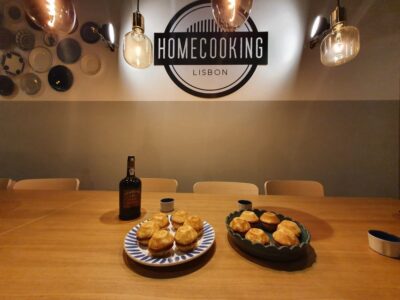 ★ 4.9Lisbon: Pastel de Nata Baking ClassFrom $642,106 reviews
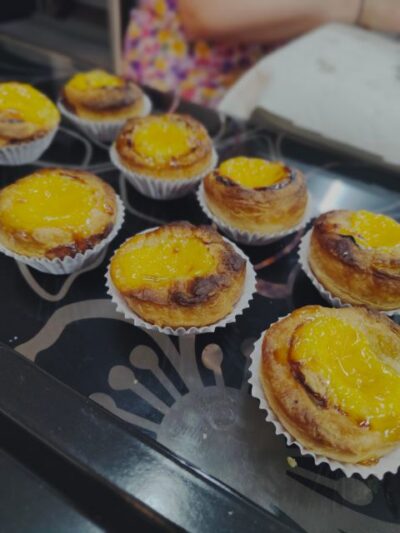 ★ 4.9Porto: Pastel de Nata Pastry-Making WorkshopFrom $411,542 reviews
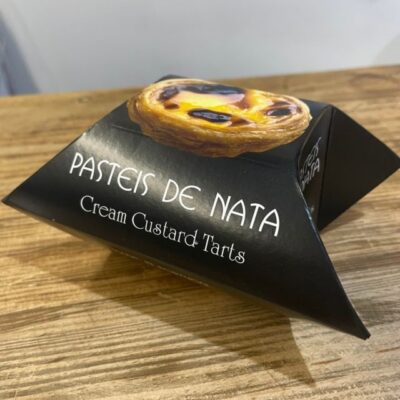 ★ 4.8Porto: Pastel de Nata Cooking Class with Port Wine – SéFrom $41888 reviews
 ★ 4.9Workshops Pasteis de Nata in Porto, PortugalFrom $40520 reviews
 ★ 5.0Pastel de Nata Masterclass at a Real Bakery in Downtown LisbonFrom $84491 reviews
 ★ 5.0Pastel de Nata Pastry Class: Bake and Enjoy Your Own TreatsFrom $66485 reviews
 ★ 4.9Porto: Pastel de Nata Cooking Class from ScratchFrom $50468 reviews
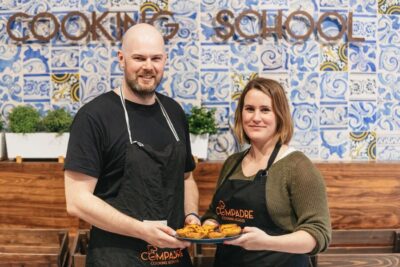 ★ 4.8Lisbon: 2-Hour Pastel de Nata Cooking ClassFrom $64461 reviews