
REVIEW · PASTEIS DE NATA AND LISBON FOOD WALKS
Lisbon: Pastel de Nata Baking Class
Want real pastel de nata skills in Lisbon? In this hands-on class, I loved the step-by-step coaching and the Portuguese drinks that make the whole 2 hours feel like a proper Lisbon afternoon. One catch, there is no hotel pickup, and the HUB is not right in central Lisbon.
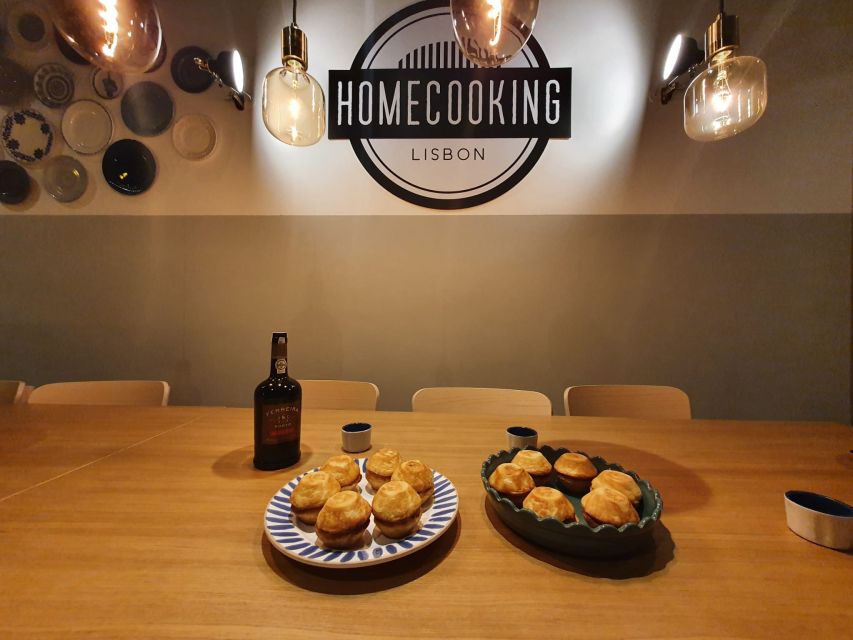
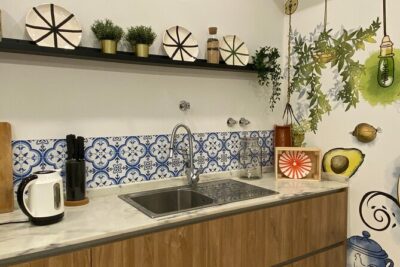
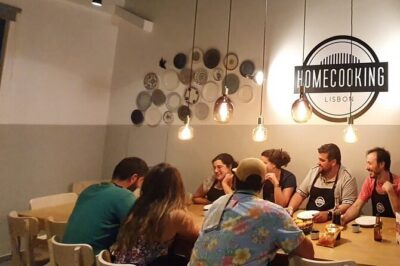
The kitchen at Homecooking Lisbon HUB is the right kind of cozy and practical, set up so you can touch the dough, shape your tarts, and watch the oven do its magic. The instruction is in English, and the team rotates through instructors like Beatrice, Marta, Miyuki, Rachel, and Miguel, so you get a mix of warmth and clear technique.
In This Review
- Key points to know before you go
- Pastel de nata is easy to buy, harder to understand
- Homecooking Lisbon HUB, and the reality of getting there
- The 2-hour flow, from dough in your fingers to tarts out of the oven
- Getting started, and understanding what you are actually making
- Handling the dough, and learning the texture cues
- Custard prep and filling, where patience pays off
- Shaping, baking, and the smell test
- Eating your own pastel de nata while the lesson sticks
- The drink lineup, Porto wine and ginginha tasting included
- What the instructors do best, English coaching that actually feels manageable
- Price and value: why $64 can be a good deal for pastry education
- Who this class is best for, and who should skip it
- Should you book the Lisbon Pastel de Nata baking class?
- FAQ
- Where is the class meeting point?
- How long is the Pastel de Nata baking class?
- What language is the instruction in?
- What is included in the price?
- Is hotel pickup or drop-off included?
- Is it suitable for young children or for mobility needs?
- Can I get a refund if I cancel?
- Can I reserve without paying right away?
Key points to know before you go
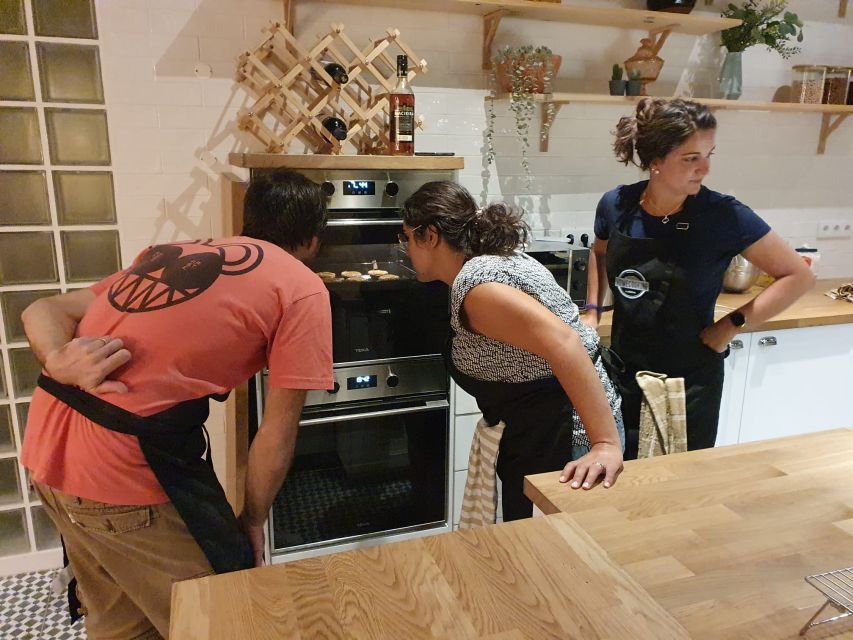
- Step-by-step pastel de nata making with real hands-on prep, not just watching
- Dough feel and oven timing tips that help your tarts come out crisp and custardy
- Portuguese drink tastings included, including Porto and ginginha
- Small, interactive vibe where the chef keeps an eye on your details
- You bake and then eat what you make, while learning the why behind the method
- English-led class that works for beginners, even if you never baked before
More pastelaria stops and tasca crawls we have eaten our way around in Lisbon
- Lisbon: Pastel de Nata Baking Class★ 4.9 · 2,106 reviews
- Pastel de Nata Masterclass at a Real Bakery in Downtown Lisbon★ 5.0 · 491 reviews
- Pastel de Nata Pastry Class: Bake and Enjoy Your Own Treats★ 5.0 · 485 reviews
- Lisbon: 2-Hour Pastel de Nata Cooking Class★ 4.8 · 461 reviews
Pastel de nata is easy to buy, harder to understand
Lisbon has pastel de nata everywhere, and that can fool you into thinking the magic is automatic. It is not. What makes a great one is technique, temperature, and how the layers behave in the oven.
This class is valuable because you do the work yourself. You learn how the pastry dough should feel, how it gets shaped, and how the custard goes in so you end up with that signature contrast: crisp, browned edges and a creamy center. If you have only ever ordered pastries in cafés, you will finally understand why some taste silky and others taste flat.
I also like that this does not pretend cooking classes are only about dessert. The instructors fold in Portuguese gastronomy and culture as part of the lesson, so you are not just memorizing steps. You leave knowing what to look for when you compare pastel de nata you buy later.
Homecooking Lisbon HUB, and the reality of getting there
The meeting point is Homecooking Lisbon HUB. You are showing up to a working kitchen, not a hotel ballroom with demo stations. That matters, because the whole format depends on everyone being able to work hands-on.
A few practical notes from the experience itself:
- The place is described as clean and well prepared.
- It can be easiest to reach by taxi, since it is not right at the center of Lisbon.
- One reviewer notes a bus stop right outside, which can help if you are already using public transport.
Also, there is no hotel pickup and drop-off. If your plan relies on someone else handling transportation, build in your own time to get there. The upside is you can keep your schedule flexible once you have the class time locked.
Finally, it is worth saying who this fits well. The class is not suitable for children under 6, and it is not suitable for people with mobility impairments. If that affects you, you will want to choose a different kind of activity.
The 2-hour flow, from dough in your fingers to tarts out of the oven
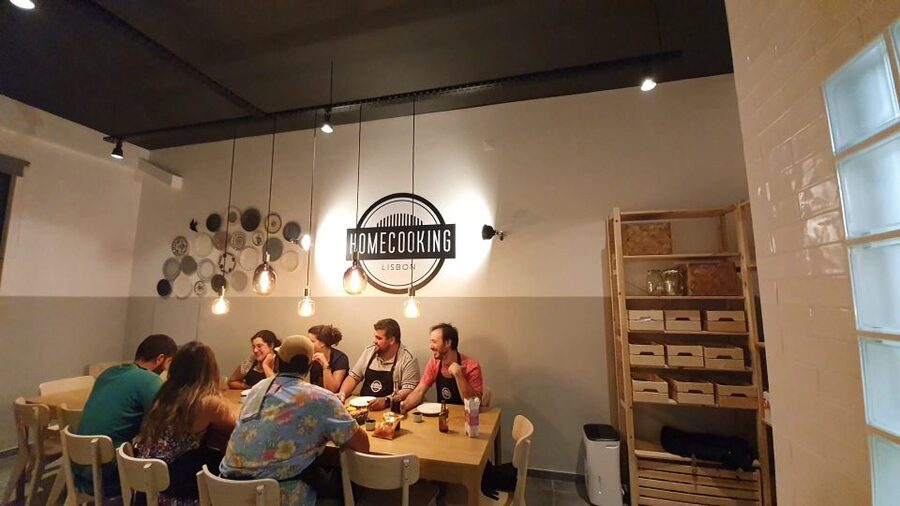
This is a 2-hour, do-it-yourself workshop. The pace is tight enough to feel like progress, but not so rushed that you lose the plot.
Here is what you can expect in practice, step by step:
Getting started, and understanding what you are actually making
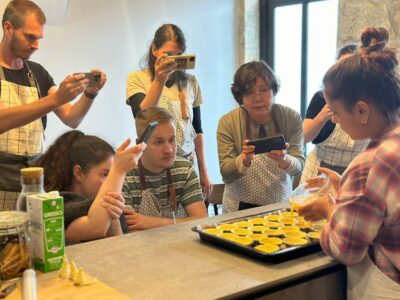
You begin in the kitchen and move through the process with the help of chefs and instructors. Even if you are a beginner, the method is taught as a sequence you can follow.
One thing I like in the feedback from participants is that they pre-measure ingredients and get some pieces ready in advance, but you still do the active work. That strikes a good balance. You learn the method without turning the class into a grocery-list marathon.
Other kitchens in Lisbon we have cooked in


Handling the dough, and learning the texture cues
Pastel de nata pastry dough has a specific feel, and the best part of a hands-on class is learning the sensory checks. You will be told what to notice while handling the dough, so you know whether you are on track.
Several people specifically mention feeling the dough and learning the folding and preparation in a guided way. That is exactly what you want, because the pastry layers and shape influence everything the oven does later.
Custard prep and filling, where patience pays off
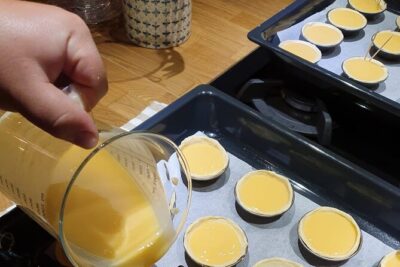
The custard part is where pastel de nata can go wrong if you rush. In this class, you learn the traditional method and what to aim for in texture and consistency.
People call out the class as hands-on, with instructors giving guidance so you do not just copy. You learn how to correct your own pace and how to avoid common mistakes, especially when it is time to fill your tart shells.
Shaping, baking, and the smell test
Once your pastries are assembled, you bake them. The whole experience clicks during the baking stage, because you smell the transformation before you see the result.
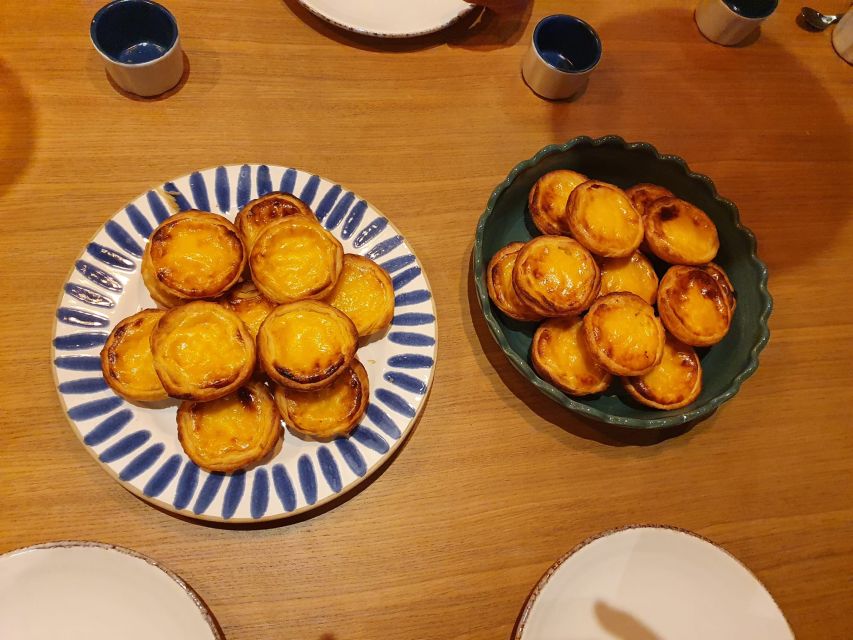
The reviews are very consistent about the results, with many participants praising that their tarts came out flaky and delicious right out of the oven. That is the kind of feedback you want for a class like this, because pastel de nata is all about what happens at high heat.
Eating your own pastel de nata while the lesson sticks
At the end, you tuck into your homemade pastel de nata. This matters more than it sounds. Eating what you baked makes the technique memorable, and it also helps you notice what is right, what is slightly off, and what you might improve next time.
The drink lineup, Porto wine and ginginha tasting included
Cooking classes can be dry, but this one is paired with Portuguese drinks throughout the experience.
The included drinks list is:
- homemade juice
- coffee
- water
- Porto wine
- ginginha tasting
That pairing is smart. Coffee works as a clean reset between baking steps, while the wine and ginginha tasting make the afternoon feel like Lisbon, not a generic pastry workshop. Ginginha also adds a playful local touch, and the fact that you taste it during the class helps you connect flavors to place.
One caution: a single review says no wine on their session, which suggests offerings might vary slightly by timing or group. The package info you get should be your source for what is included for your specific booking.
What the instructors do best, English coaching that actually feels manageable
English instruction is listed, and the instructor style comes through clearly in the feedback. People repeat themes like clear explanations, patient guidance, and hands-on help when needed.
You will also notice a pattern in the names, which tells you something useful about consistency and experience within the team. Reviews mention Beatrice, Marta, Miyuki, Rachel, Pedro, Miguel, and Cynthia. Names change by day, but the teaching tone is described as friendly and hands-on.
If you are a first-time baker, this is the kind of class where you want reassurance. Several participants say the process is approachable for all skill levels, and that the chefs keep you from getting stuck. Even when people work in pairs, the staff support seems to stay close.
One more practical point: some sessions use a pair-up format. That is usually fine, and it can even be a social bonus if you are traveling alone. Just keep in mind you might not work completely solo at every station.
Price and value: why $64 can be a good deal for pastry education
At $64 per person for 2 hours, this is not the cheapest thing to do in Lisbon. But it does not price itself like a casual tasting either.
You are paying for:
- ingredients
- cooking utensils
- instructors and chefs
- drinks during the class
- insurance
- a structured, step-by-step experience where you bake and eat
That is the key value piece. If you compare this to buying pastries plus a bottle of wine, you are not really the same category. Here you are buying technique. You get enough hands-on practice to recreate something at home, or at least to attempt it with a clear mental model of the process.
Also, the class length matters. Two hours is enough time to learn the method and produce an end result, without eating your whole day. That makes it easy to fit into a Lisbon itinerary, even when you are also planning neighborhoods, viewpoints, and meals.
If you want the best value from your money and time, do this earlier rather than later. One of the neat suggestions in the feedback is to take the class before you go on a pastel de nata tour around Lisbon. You will taste more critically after you learn what to look for.
Who this class is best for, and who should skip it
This is a strong choice for:
- couples looking for a fun shared activity
- solo travelers who want a guided social setting
- teens and older kids who can follow step-by-step tasks (the class itself is not suitable under 6)
- anyone who enjoys Portuguese food, even if they are not a confident baker
It is also a good fit if you want a hands-on activity that produces something concrete. You are not leaving empty-handed. You eat what you bake, and the whole process feels purposeful.
It is a weaker fit if:
- you need hotel pickup, since it is not included
- you need accessibility accommodations, since it is not suitable for mobility impairments
- you only want a quick bite of dessert, since the point here is learning and making, not just tasting
Should you book the Lisbon Pastel de Nata baking class?
If you like the idea of learning by doing, I think it is worth booking. The biggest reason is simple: you go beyond eating. You learn the process, you smell and see the transformation in real time, and you finish by tasting your own tarts while the technique is still fresh in your head.
Book it if you want:
- an English-taught cooking class with real hands-on instruction
- included drinks that make it feel like a Lisbon experience
- a two-hour activity that is structured and satisfying
Skip it if:
- you cannot travel to the meeting point without pickup help
- accessibility needs are an issue
- you are looking for a low-effort, walk-in tasting only
If you do book it, I suggest showing up ready to work with your hands, asking questions when you are unsure, and paying attention to the texture cues. That is where the skill transfer happens, and it is what makes this class more than just a sweet afternoon.
FAQ
Where is the class meeting point?
The meeting point is Homecooking Lisbon HUB in the Lisbon District.
How long is the Pastel de Nata baking class?
The class duration is 2 hours.
What language is the instruction in?
The instructor provides the class in English.
What is included in the price?
Included items are all ingredients, cooking utensils, instructors or chefs, drinks (homemade juice, coffee, water, Porto wine, and ginginha tasting), and insurance.
Is hotel pickup or drop-off included?
No, hotel pickup and drop-off are not included.
Is it suitable for young children or for mobility needs?
It is not suitable for children under 6 years old, and it is not suitable for people with mobility impairments.
Can I get a refund if I cancel?
You can cancel up to 24 hours in advance for a full refund.
Can I reserve without paying right away?
Yes. You can reserve now and pay later to keep your travel plans flexible.
Benches and Studios Across Lisbon





Kitchens in Lisbon We Cooked In


Pastelarias and Tascas, More Lisbon Food Walks


Newly added around Lisbon
- Lisbon: Street Art Walk
★ 5.0 · 79 reviews - From Lisbon: Nazare Big Waves and Óbidos Guide Day Trip
★ 4.7 · 79 reviews - Small Group Walking Tour of Belém
★ 4.9 · 80 reviews - Lisbon: Regaleira, Sintra, Cape Rock & Cascais Day Trip
★ 4.6 · 80 reviews - Lisbon: Evening Local Food Crawl with Drink Pairings
★ 4.6 · 80 reviews - From Lisbon: Sintra and Portuguese Coast Private Day Tour
★ 5.0 · 80 reviews - Lisbon: Authentic Fado Show, Dinner and Night Tour
★ 4.6 · 80 reviews - Golden Hour Boat Tour – Sailing by the Monuments with Wine
★ 5.0 · 81 reviews - Hard Rock Cafe Lisbon with Set Lunch or Dinner
★ 4.0 · 81 reviews - Fado Musical Experience with Portuguese Wine & Appetizers
★ 4.5 · 81 reviews
Other boats, other operators: Pasteis de Nata and Lisbon Food Walks.
 ★ 5.0Porto: Pastel de Nata Cooking Class with Grandma’s RecipeFrom $331,565 reviews
 ★ 4.9Porto: Pastel de Nata Pastry-Making WorkshopFrom $411,542 reviews
 ★ 4.8Porto: Pastel de Nata Cooking Class with Port Wine – SéFrom $41888 reviews
 ★ 4.9Workshops Pasteis de Nata in Porto, PortugalFrom $40520 reviews
 ★ 5.0Pastel de Nata Masterclass at a Real Bakery in Downtown LisbonFrom $84491 reviews
 ★ 5.0Pastel de Nata Pastry Class: Bake and Enjoy Your Own TreatsFrom $66485 reviews
 ★ 4.9Porto: Pastel de Nata Cooking Class from ScratchFrom $50468 reviews
 ★ 4.8Lisbon: 2-Hour Pastel de Nata Cooking ClassFrom $64461 reviews