
REVIEW · PASTEIS DE NATA AND LISBON FOOD WALKS
Pastel de Nata Pastry Class: Bake and Enjoy Your Own Treats
Make Lisbon sweets at your own station. This 2-hour hands-on pastel de nata class has you making the egg custard tarts from scratch, puff pastry and filling included. I also love the coffee, tea, and Porto wine tasting at the end, paired with the tarts you just baked.
You’ll get a quick history angle too, so the pastries feel more meaningful than just dessert. The group stays small, capped at 16, and the class is offered in English, which makes it easy to follow without stress.
One consideration: puff pastry has a few technique moments, so if you want instant perfection, plan to learn as you go rather than expect bakery-level results in one try.
In This Review
- Key highlights if you like practical, hands-on Lisbon food
- Pastel de Nata From Scratch, Not From the Package
- Where You Start in Lisbon and How the Class Is Set Up
- The First Half: History, Ingredients, and Hands-On Pastry Steps
- Rolling, Filling, and Getting the Size Right
- The Waiting Period: Baking Time, Snacks, and Friendly Mingling
- The Tasting: Coffee, Tea, Porto Wine, and That Fresh-Oven Moment
- Value Check: Why $66.51 Can Make Sense
- Who This Class Fits Best in Your Trip
- Tips to Make Your Pastel de Nata Session Smoother
- Should You Book This Pastel de Nata Class?
- FAQ
- How long is the pastel de nata class?
- How much does the experience cost?
- Is the class offered in English?
- What drinks are included?
- Can anyone under 18 drink the alcohol?
- How many people are in the group?
- Where does the class meet?
- Is there free cancellation?
Key highlights if you like practical, hands-on Lisbon food
- Make pastel de nata from scratch: puff pastry and custard filling are part of the process.
- Small group energy (max 16): you’re more likely to do the work, not just watch.
- English instruction: helpful if you do not want to rely on gestures and guessing.
- Beverages included: water, coffee, tea, and alcohol for adults.
- Learn the story behind pastel de nata: history is built into the class, not tacked on.
- Fresh tasting right after baking: you get to eat yours the Portuguese way, hot and fresh.
More pastelaria stops and tasca crawls we have eaten our way around in Lisbon
- Lisbon: Pastel de Nata Baking Class★ 4.9 · 2,106 reviews
- Pastel de Nata Masterclass at a Real Bakery in Downtown Lisbon★ 5.0 · 491 reviews
- Pastel de Nata Pastry Class: Bake and Enjoy Your Own Treats★ 5.0 · 485 reviews
- Lisbon: 2-Hour Pastel de Nata Cooking Class★ 4.8 · 461 reviews
Pastel de Nata From Scratch, Not From the Package
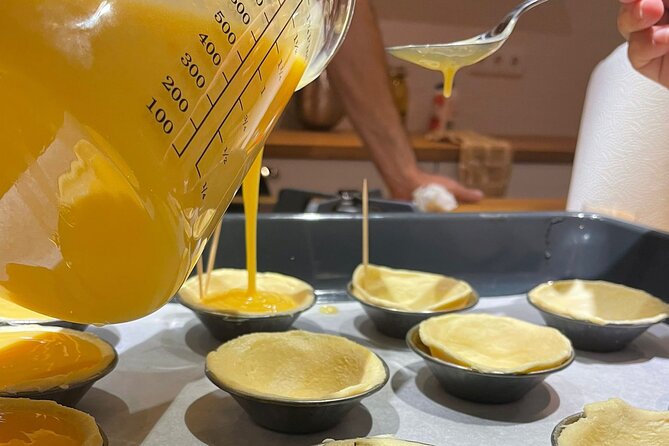
Pastel de nata is one of those Lisbon foods you see everywhere, but the real magic is the work behind it. In this class, you do the steps yourself, from preparing the tart components to baking, then eating them right away. It is the rare activity where the payoff is not just photos, it is real flavor in your hands.
You are not expected to be a pastry wizard. The class format is built for beginners, and the best part is that the timing and method are explained while you are doing it, not after. If you enjoy learning through action, you will like this.
Yes, they mention the famous Pastéis de Belém for a reason. You probably will not copy that exact bakery standard at home on day one, but you will walk away with the technique and confidence to keep improving.
Where You Start in Lisbon and How the Class Is Set Up
You meet at R. Aliança Operária 54, 1300-049 Lisboa. The good news is that it is near public transportation, so you are not forced into a car or a taxi situation just to bake a dessert.
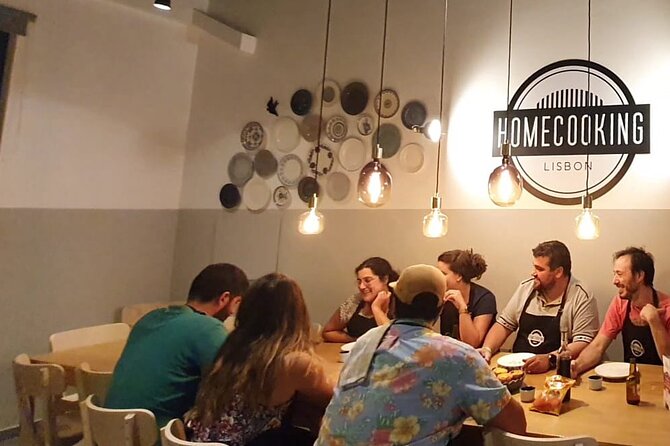
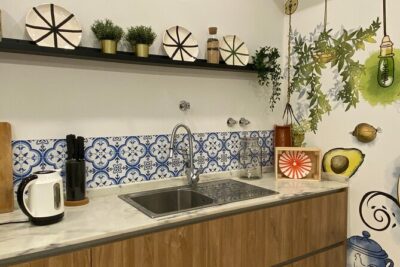
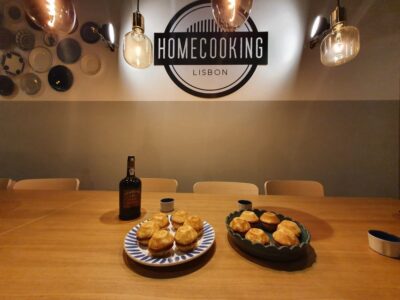
The kitchen is described as clean and comfortable, and that matters more than you think. When a cooking class feels organized, you can actually focus on rolling, filling, and baking instead of worrying about spills and chaos. The room setup also supports couples and small groups, because you can pair up at working stations.
The class is offered in English, and instructors are praised for clear explanations. Several people specifically noted that the instructor spoke good English, which helps a lot with the fine points like dough thickness and custard consistency.
The First Half: History, Ingredients, and Hands-On Pastry Steps
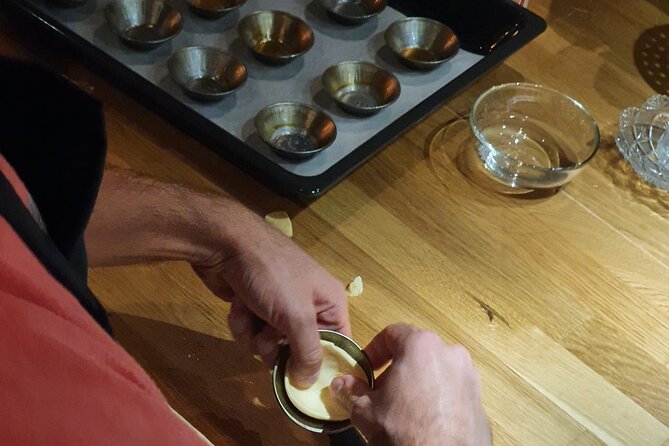
The class moves in a sensible order: first context, then the craft. You start off learning about the history of pastel de nata, which gives you a reason to care about the technique. It turns dessert into something cultural, not just sweet calories.
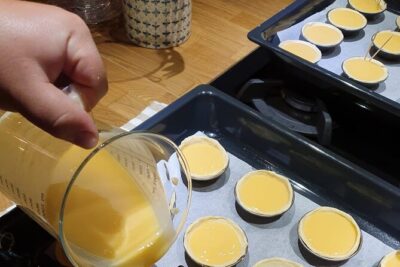
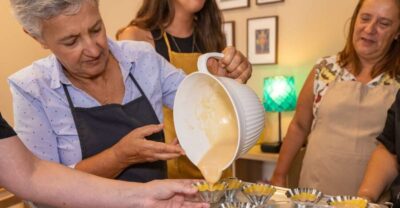
Then you get to the practical part, which is the best section for most people. You prepare your own batch of pastel de nata using puff pastry and the filling included. That means you are not arriving with random ingredients and hoping your measurements work out.
What I like about this format is that you can see what the recipe is trying to accomplish. Puff pastry is all about texture and layers, so you learn how your handling affects the final tart. And custard is all about setting and smoothness, so the class keeps nudging you toward the right consistency instead of guesswork.
In the hands-on work, instructors circulate and give feedback during the rolling and filling steps. Multiple people mentioned that the instructor helped fix technique in real time, so you are not stuck repeating the same mistake in silence.
If you are lucky, you might get an instructor like Rita, Beatriz, Pedro, Ito, or Miguel, since those names show up in the experience feedback. I would treat names as a bonus, not the expectation, but it does indicate the coaching style tends to be attentive and hands-on.
Rolling, Filling, and Getting the Size Right
This is where beginners often get nervous, but the class structure helps. Pastel de nata looks simple from a distance, but the details matter: how you shape the pastry, how you portion the custard, and how the tart behaves in the oven.
Expect to work on your own tarts at a station. People noted that the group size is small enough to participate instead of standing around. That means you will do real dough work, not just watch someone else layer pastry.
A few practical notes that help in real life, and match what the class emphasizes through feedback:
- Go slow on the dough rolling. Thickness and evenness matter.
- Portion the filling thoughtfully. Too much can spill, too little can be disappointing.
- Keep your hands steady. Custard is forgiving, but sloppy pastry handling can show up after baking.
One reason this class gets such high marks is that novices get guidance. People mention that instructions are clear and step-by-step, even for kids or tween-age participants mixed into some groups. So if you are bringing a date and neither of you bakes, this is a good place to start.
Other Lisbon benches and studios we have sat down at

The Waiting Period: Baking Time, Snacks, and Friendly Mingling
You will spend time while the pastries bake. In a class like this, that waiting period can either feel pointless or actually fun. Here, it seems designed for the second option.
People describe time to mingle with others while pastries cook. That is especially useful if you are doing this as a couple or solo. You get an easy conversation topic, and you also get a short break from the physical parts of dough prep.
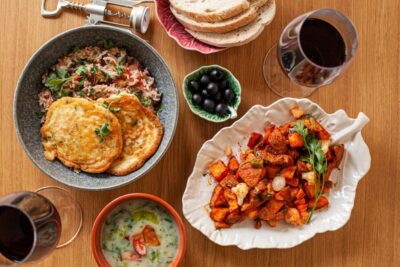
During this period you also have snacks and beverages. The class includes water, coffee, tea, and alcohol options for adults. In some sessions, people mention mini beer and orange juice as part of the drink lineup, which makes the whole experience feel like a relaxed Lisbon food moment rather than a strict cooking workshop.
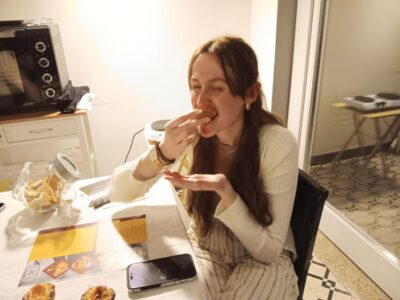
Also, your pastry will be piping hot when you finally taste it. That is not a problem, it is a reality check. Plan to take your first bite with a little patience so you do not burn your tongue and swear off Portuguese custard for life.
The Tasting: Coffee, Tea, Porto Wine, and That Fresh-Oven Moment
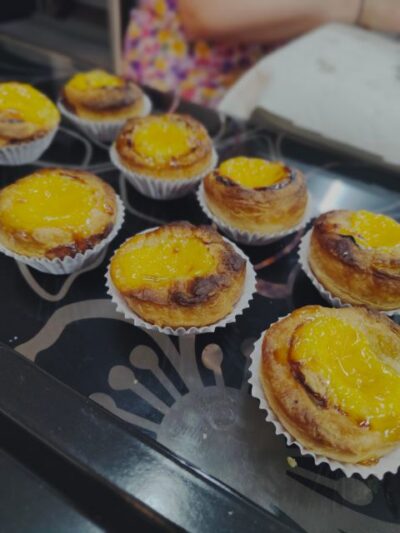
When the oven work is done, you get to savor your pastel de nata the Portuguese way. This is the big payoff: you taste what you made, fresh. That changes everything, because you can connect technique to flavor.
Beverages are a core part of the experience. Adults can enjoy alcohol, and Porto wine tasting is mentioned as part of the class finale. If you are not drinking alcohol, water, juices, and tea are available as substitutes.
Two things stand out here from the experience feedback:
- Fresh tasting is immediate, so your pastries are at their best.
- The pairing makes the dessert feel like a proper Lisbon break, not just a snack.
If you are the type who loves eating, you will appreciate that you are not sent home with only a bag of uncooked ingredients. You get a full tasting moment during the session.
Value Check: Why $66.51 Can Make Sense
At $66.51 per person, this is not the cheapest thing on a Lisbon menu. But it can be good value because you are paying for a full hands-on cooking session, ingredients, and beverages.
Here is what you get for the money, in practical terms:
- A guided class that includes puff pastry and custard filling
- Step-by-step instruction with feedback while you work
- Coffee or tea and other snacks during the session
- For adults, alcohol included, with Porto wine tasting noted
- Enough structure to learn the method, not just eat a dessert
If you are the kind of traveler who enjoys a single standout activity and likes food-based memories, this is a solid choice. A pastry class also scales well emotionally. You can come out smiling, and then you can actually cook again at home.
That last part is where the value really lands. The point is not to beat Pastéis de Belém on day one. It is to take home technique you can repeat and improve.
Who This Class Fits Best in Your Trip
This class is especially well-suited if:
- You are traveling as a couple and want something different from museum hours.
- You are a food lover who likes learning the method behind iconic dishes.
- You like small-group activities where you participate, not observe.
- You want a Lisbon activity that feels local without being complicated.
It is also a good fit for first-time bakers. People frequently mention the class is easy and that instructors are patient. That matters, because pastry cooking is one of those skills where even basic mistakes are common, and you benefit from someone steering you back on track.
If you are someone who hates any sort of waiting or hands-on work, you might find the dough prep and baking time a little slow. But most people seem to enjoy the full rhythm: learn, make, bake, taste.
Tips to Make Your Pastel de Nata Session Smoother
Even with clear instruction, you can make the experience easier for yourself. These are simple moves that help you get better results and avoid silly problems:
- Come hungry, but pace yourself.
You will bake and snack, then taste hot tarts at the end. If you arrive starving, you might eat too fast and burn your mouth.
- Pay attention to dough thickness and handling.
This is one of the most common ways home results differ from bakery results. The instructor feedback is the shortcut here.
- Treat the custard like a consistency problem.
Custard is not just about taste. It is about how it sets after baking, so follow the guidance for mixing and pouring.
- Ask questions while the instructor is right there.
This is hands-on learning. If you wonder about something, it is the moment to speak up, not after the class ends.
- Enjoy the pairing at the end.
Coffee, tea, and Porto wine are part of the experience. Your first bite is best when you slow down and taste intentionally.
Should You Book This Pastel de Nata Class?
I think you should book this if you want a practical Lisbon food experience with real participation. The combination of hands-on baking, clear step-by-step guidance, and the fresh tasting with coffee, tea, and Porto wine makes it feel worth the time.
Choose it if you and your travel partner or your group enjoy cooking, or if you want a memorable activity that you can repeat at home. The small group size also increases the odds you will get help when you need it.
If you are only looking for a quick sugar fix and do not care about learning, you might prefer a simple pastry stop instead. But if you want the method and the story, this class is a strong pick.
FAQ
How long is the pastel de nata class?
The class lasts about 2 hours.
How much does the experience cost?
The price is $66.51 per person.
Is the class offered in English?
Yes, the class is offered in English.
What drinks are included?
You get snacks, water, coffee, and tea. Alcohol is included for adults.
Can anyone under 18 drink the alcohol?
No. Alcoholic beverages won’t be served to participants under 18. Water, juices, or tea are available instead.
How many people are in the group?
The group size is capped at a maximum of 16 travelers.
Where does the class meet?
The meeting point is R. Aliança Operária 54, 1300-049 Lisboa, Portugal.
Is there free cancellation?
Yes. You can cancel for a full refund up to 24 hours before the experience starts.
Would you like me to tailor this review to a specific trip plan, like a morning or evening schedule in Lisbon?
Benches and Studios Across Lisbon



Pastelarias and Tascas, More Lisbon Food Walks


Newly added around Lisbon
- Charming Sintra on Private Guided Tour with History (All Day)
★ 5.0 · 38 reviews - Setubal & Comporta Trip with Horseback Riding from Lisbon
★ 4.5 · 38 reviews - 2H Private Sailing Catamaran “Vertigo” Tour in Lisbon up to 18pax
★ 5.0 · 38 reviews - Private Open Top Coastal Tour with Coffee Included
★ 5.0 · 38 reviews - Lisbon Oceanarium and Belém and Modern Lisbon bus Hop On Hop Off Tours 48h
★ 3.5 · 38 reviews - Lisbon Cruise Port Private Transfer to/from Lisbon Airport
★ 4.5 · 38 reviews - Private Lisbon Wine & Tile Painting Tour – Sesimbra & Traditions
★ 5.0 · 38 reviews - City of Neighborhoods Tour 1H 30M Private Tour by Tuk Tuk
★ 5.0 · 38 reviews - Romantic Private Sailboat in Lisbon for couples
★ 5.0 · 38 reviews - City Highlights Eco Tuk Tours
★ 4.8 · 38 reviews
Other boats, other operators: Pasteis de Nata and Lisbon Food Walks.
 ★ 4.9Lisbon: Pastel de Nata Baking ClassFrom $642,106 reviews
 ★ 5.0Porto: Pastel de Nata Cooking Class with Grandma’s RecipeFrom $331,565 reviews
 ★ 4.9Porto: Pastel de Nata Pastry-Making WorkshopFrom $411,542 reviews
 ★ 4.8Porto: Pastel de Nata Cooking Class with Port Wine – SéFrom $41888 reviews
 ★ 4.9Workshops Pasteis de Nata in Porto, PortugalFrom $40520 reviews
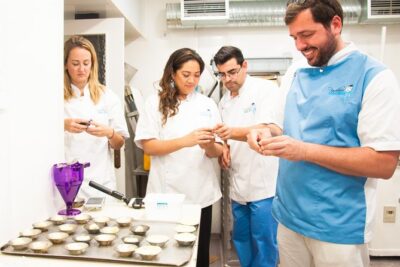 ★ 5.0Pastel de Nata Masterclass at a Real Bakery in Downtown LisbonFrom $84491 reviews
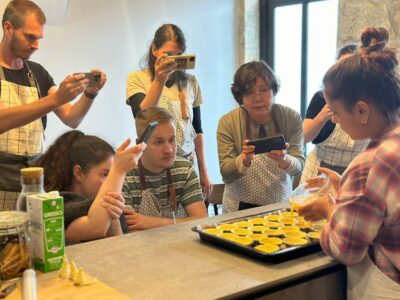 ★ 4.9Porto: Pastel de Nata Cooking Class from ScratchFrom $50468 reviews
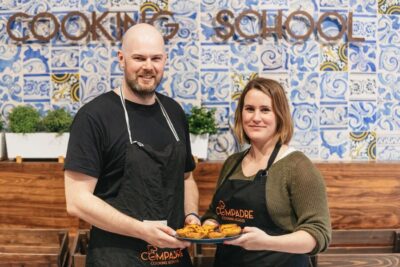 ★ 4.8Lisbon: 2-Hour Pastel de Nata Cooking ClassFrom $64461 reviews