
REVIEW · COOKING CLASSES
Traditional Portuguese Cooking Class in Lisbon
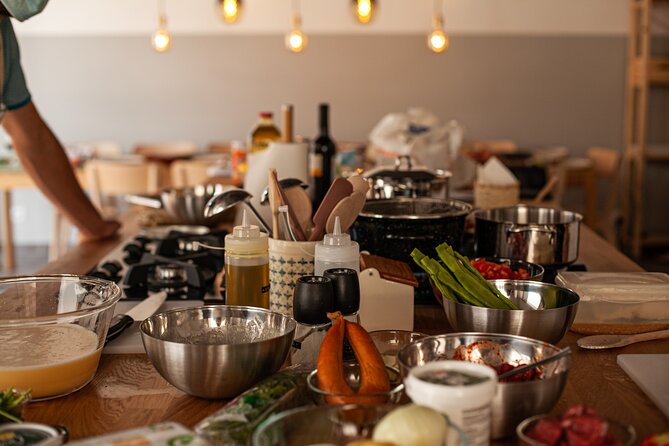
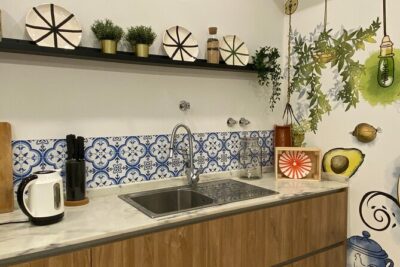
Cooking Portuguese classics makes Lisbon feel close. In a cozy kitchen setting, you learn by doing, then sit down to enjoy your 4-course meal with included drinks, in a group capped at about 10 people. It is also a nice way to understand how everyday Portuguese flavors actually get built, step by step.
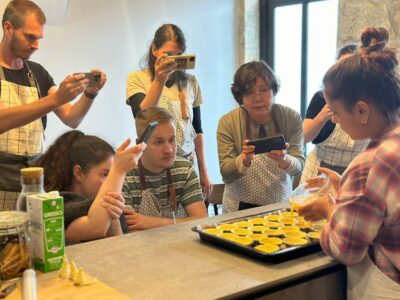
I especially love that you get real practice, not just watching. You make multiple dishes yourself, including Pastel de Nata (with puff pastry that is pre-prepared), so the highlight is achievable even if you do not cook much at home. I also like the pace, since you start with finger foods and beverages while you prep, and Portuguese wine and beer are included for those who can drink.
One thing to plan for: the class is in a location that may not feel like the city center. If you are staying in the busiest areas, expect a short taxi or bus ride, and double-check the exact meeting address you get.
In This Review
- Key Things I’d Prioritize Before You Book
- What Makes This Lisbon Class Work in Real Life
- Morning vs Evening: Choosing the Time That Fits Your Day
- The Dishes You’ll Cook, and Why They Represent Lisbon
- Starter Phase: Soups, Pork, and Clams
- Main Phase: Bacalhau à Brás and Cod Fritters
- Main Phase Two: Pork, Clams, and Migas with Ribs
- Dessert Phase: Pastel de Nata, Rice Pudding, and Orange Roll
- How the Class Feels: Interactive, Relaxed, and Honestly Fun
- Drinks, Finger Foods, and the Included Portuguese Party
- Where You Meet in Lisbon, and the Real-World Transit Tip
- Seasonal Menus: What Rotates and What Stays Portuguese
- Value for Money: Why This Price Adds Up
- Who Should Book This Class (and Who Might Not Love It)
- Quick Decision Guide: Should You Book This Lisbon Cooking Class?
- FAQ
- How long is the Traditional Portuguese Cooking Class in Lisbon?
- How many people are in the class?
- Is the class offered in English?
- What do I cook during the 4-course experience?
- Are drinks included?
- Is there an age limit for alcohol?
- Where is the meeting point?
- Does the menu stay the same year-round?
- What is the cancellation policy?
Key Things I’d Prioritize Before You Book
- Small group cooking time: capped at 10 so you get hands-on tasks.
- Pastel de Nata is part of the work: puff pastry is ready, but you still assemble and bake.
- Real Portuguese dishes, not just substitutes: expect classics like bacalhau and arroz doce.
- Drinks and snacks are included: wine, beer, water, juices, tea, plus finger foods.
- Seasonal menus keep ingredients current: some dishes rotate by time of year.
- Instructors like Miguel, Pedro, Beatriz, Teresa, and Rita set the tone: relaxed, hands-on, and friendly.
Other kitchens in Lisbon we have cooked in
- Lisbon: Pastel de Nata Baking Class★ 4.9 · 2,106 reviews
- Lisbon: Traditional Portuguese Cooking Class★ 4.9 · 592 reviews
- Lisbon: 2-Hour Pastel de Nata Cooking Class★ 4.8 · 461 reviews
- Traditional Portuguese Cooking Class in Lisbon★ 5.0 · 287 reviews
What Makes This Lisbon Class Work in Real Life
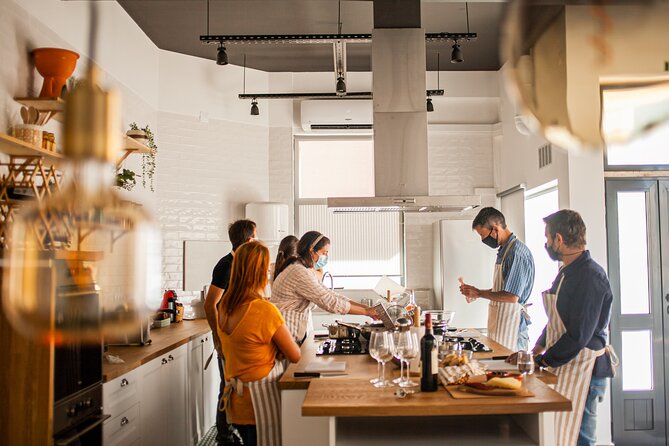
This is the kind of cooking class that makes sense when you are on a trip with limited time. You get a 3-hour session focused on one clear goal: a traditional Portuguese 4-course meal that you help create. No wandering around markets for hours, no long lectures, just cooking, eating, and learning the logic behind the flavors.
The best part is how practical it feels. In my mind, great classes do two things at once: they lower the intimidation factor for beginners, and they still give confident cooks enough technique to feel satisfied. Here, you are guided step by step, but you are also actively involved, which is why people leave saying it was both fun and memorable.
Morning vs Evening: Choosing the Time That Fits Your Day
You can pick a morning or evening class, and that choice matters more than you might think. If you are the type who tours in the morning and wants an easy, planned activity for the afternoon, the morning slot can feel like a smart anchor. If your Lisbon day tends to start slow and you like an early dinner plan, the evening class is a natural fit.
Either way, the structure stays similar: you cook for roughly up to 3 hours, then you eat what you made. The meal is part of the experience, not just an afterthought, so timing affects how hungry you are when you sit down.
The Dishes You’ll Cook, and Why They Represent Lisbon
Menus change seasonally, but the sample lineup gives you a strong sense of what the class centers on. Expect familiar Portuguese “regulars,” the kind you see again and again in Lisbon kitchens: cod, clams, hearty meat dishes, and desserts that are easy to recognize even if you do not speak Portuguese.
You also should expect more than one dish in each phase. Even though the meal is described as 4 courses, the cooking flow often spreads tasks across multiple plates. That is part of the charm, because you see how Portuguese cooking leans communal and practical, with people pitching in where needed.
Starter Phase: Soups, Pork, and Clams
A likely starter mix includes caldo-verde, pica-pau, and amêijoa à Bulhão Pato. Caldo-verde is a comforting bowl built around potatoes and greens, which makes it a perfect “warm up” dish for a cooking class. Pica-pau is a pork-forward starter, and it teaches you how Portuguese flavor often starts with simple foundations like garlic, oil, and seasoning that get built up quickly.
Then comes the clam dish, amêijoa à Bulhão Pato, which is all about timing. Clams are fast, and you learn to respect that window so they stay tender instead of rubbery. If you like seafood but worry you will not cook it well, this is a good confidence builder because the cooking window is clearly guided.
Other Lisbon benches and studios we have sat down at



Main Phase: Bacalhau à Brás and Cod Fritters
Portuguese cuisine loves salted cod, and this class leans into that tradition. You may make bacalhau à Brás, plus pataniscas de bacalhau (cod fritters). Bacalhau à Brás is a classic mix of cod, potatoes, and egg, and it is a dish where technique matters more than ingredients. You learn how to combine without turning it into a scrambled mess, and how to keep the texture pleasant.
Cod fritters are a different skill set: batter consistency, frying or pan-cooking control, and knowing when they are done. This part is great if you want something hands-on and crispy, because you can see results quickly. It also helps you understand how Portugal uses cod in more than one way, not just the same template repeated.
Main Phase Two: Pork, Clams, and Migas with Ribs
Alongside the cod dishes, you can also expect a meat element such as carne de porco com amêijoas (pork with clams). This teaches you how Portuguese flavor can shift from seafood-forward to savory and hearty without becoming heavy in a messy way.
You might also work on migas com entrecosto, which centers on pork ribs and migas, a bread crumb style. It is the sort of dish that feels “simple” but actually rewards attention. Migas relies on getting the moisture and texture just right, so the instructor guidance really matters here.
Dessert Phase: Pastel de Nata, Rice Pudding, and Orange Roll
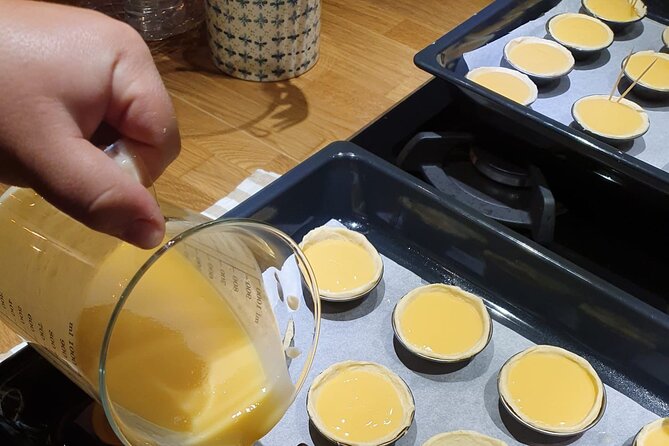
Dessert is where the class earns its reputation. You will bake Pastel de Nata using puff pastry that is pre-prepared. That detail is a big deal for your success, because it removes the hardest part without removing the fun. You still learn how to handle custard, fill the pastry, and bake to the right look.
You may also make arroz doce (Portuguese rice pudding). It is comfort food with a gentle sweetness, and it is perfect for people who want dessert that does not feel like it is trying too hard. For a brighter finish, you may also prepare torta de laranja, an orange roll. It brings citrus aroma and a different texture than the custard desserts.
How the Class Feels: Interactive, Relaxed, and Honestly Fun
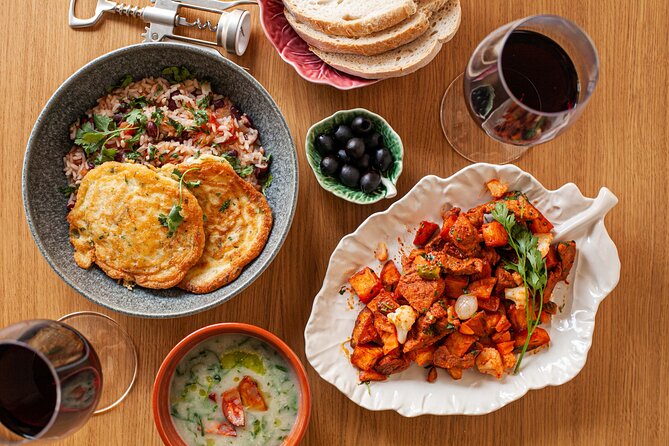
The tone is relaxed. You are not treated like you must be a pro, and you are not sent into the kitchen with zero support. Instructors like Miguel and Pedro (and also Beatriz, Teresa, Rita) come across as engaging, supportive, and quick to explain what you are doing and why.
In practice, the cooking is often family-style. That means dishes are prepared in shared flow, and you are assigned tasks rather than doing every step for every dish. For many people, that is a plus because you get variety, you meet others in the group, and you still end up with a full plate at the end.
One consideration: if your group is a little larger inside the space, it can get lively. Some setups can include more than one group in the same kitchen area, so noise happens. It is still friendly, just not a quiet class.
Drinks, Finger Foods, and the Included Portuguese Party
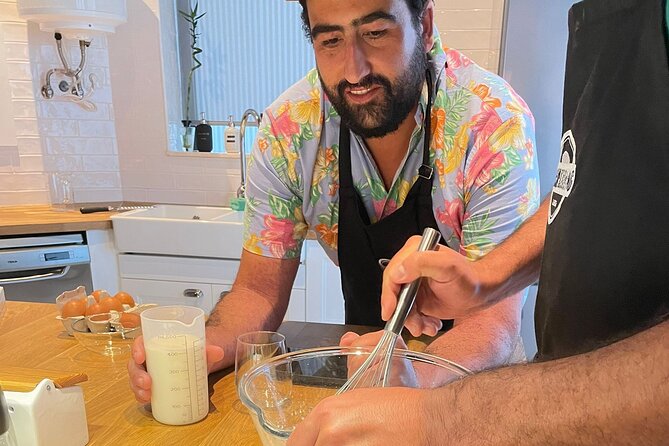
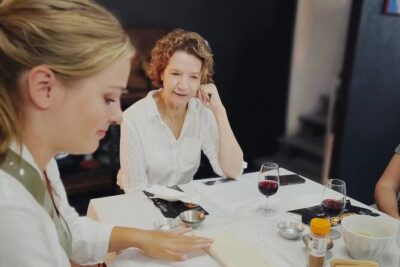
This is not a dry class. You start with finger foods and beverages to help you settle in, and Portuguese wine and beer are included. You also get non-alcoholic options like water, juices, and tea.
If you are traveling with kids or teens, note that alcoholic drinks are not served to participants under 18. The class still keeps the energy up with soft drinks and other options, so everyone can participate comfortably. This also makes it a more family-friendly setup than many adult-only tasting experiences.
Where You Meet in Lisbon, and the Real-World Transit Tip
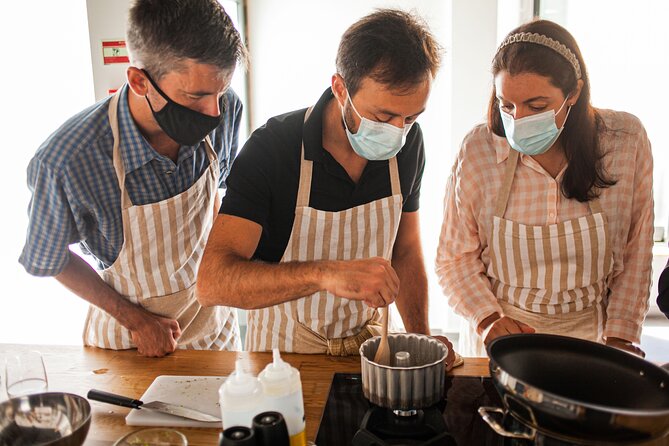
You meet at R. Aliança Operária 54, 1300-049 Lisboa. The area is described as near public transportation, which helps. Still, the kitchen might not feel like it is in the most central sightseeing zone, so expect a short ride to arrive on time.
My practical advice: plan your transit early and give yourself a little buffer. Portugal timing is easy once you are there, but a cooking class starts when the kitchen is ready, not when you are sprinting across town.
Seasonal Menus: What Rotates and What Stays Portuguese
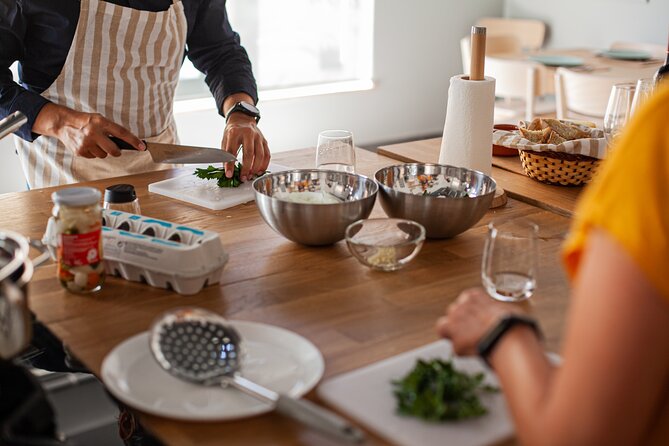
Menus change seasonally, and that affects what you might cook on your specific date. You are not guaranteed the same lineup all year, and that includes dishes that may be more tied to seasons, like heavier stews. The upside is that you are more likely to work with fresher ingredients for the time of year.
For you, that means flexibility is part of the value. If you are hoping for one specific dish, it is smarter to see the class as a survey of Portuguese flavors rather than a fixed “every time” menu. You still get the core Portuguese skills: cod handling, clam timing, bread-based migas texture, and dessert baking.
Value for Money: Why This Price Adds Up
At $102.84 per person for about 3 hours, you are paying for more than instruction. You are paying for ingredients, workspace, and the fact that you eat what you make. That is the key difference between a “snack and watch” class and a true cooking workshop.
Also, drinks are included: Portuguese wine and beer for those who can have them, plus soft options and finger foods. Add that to the fact that the class is capped at around 10, and you can see why people rate it highly for value. It is not just a meal, it is guided practice that leaves you with recipes you can repeat back home.
Who Should Book This Class (and Who Might Not Love It)
This fits best if you want a hands-on Portuguese meal experience without needing to be a chef. It is also a strong choice if you like meeting people while you cook, since the format is communal and interactive.
You might want to consider another option if you dislike shared, family-style cooking. If you prefer a quiet, step-by-step solo class where you control every station, you could find the shared kitchen energy a bit chaotic. But if you enjoy a social vibe and want to learn by doing, this is exactly the kind of class that clicks.
Quick Decision Guide: Should You Book This Lisbon Cooking Class?
Book it if you want a high-success cooking experience with clear guidance and a real end result. You will get hands-on tasks, you will leave with a full Portuguese meal, and you will get the dessert star turn that most people come to Lisbon for in the first place: Pastel de Nata.
Skip it or compare alternatives if you are trying to keep the day extremely minimal, or if you want every dish cooked start to finish by you alone. Also, if you hate commuting even a short distance from the most central areas, check the meeting point and plan your route.
If you like food that is practical and comforting, cooked the way Portuguese home kitchens actually do it, this class is a very solid bet.
FAQ
How long is the Traditional Portuguese Cooking Class in Lisbon?
It lasts up to about 3 hours.
How many people are in the class?
The experience has a maximum of 10 travelers.
Is the class offered in English?
Yes, it is offered in English.
What do I cook during the 4-course experience?
You’ll learn step by step to prepare a 4-course traditional Portuguese meal. The sample menu includes dishes like caldo-verde, bacalhau à Brás, codfish fritters, pork with clams, migas with pork ribs, plus desserts including Pastel de Nata and arroz doce.
Are drinks included?
Yes. Portuguese wines and beers are included, along with other non-alcoholic beverages. Finger foods are also included.
Is there an age limit for alcohol?
Alcoholic beverages are not served to participants under 18. Water, juices, or tea are available instead.
Where is the meeting point?
The class meets at R. Aliança Operária 54, 1300-049 Lisboa, Portugal, and it ends back at the meeting point.
Does the menu stay the same year-round?
No. Menus change seasonally, and some dishes may not be available depending on the time of year.
What is the cancellation policy?
You can cancel for a full refund up to 24 hours before the experience starts. The experience may also be canceled for poor weather, in which case you will be offered a different date or a full refund.
Benches and Studios Across Lisbon




Kitchens in Lisbon We Cooked In

Newly added around Lisbon
- Charming Sintra on Private Guided Tour with History (All Day)
★ 5.0 · 38 reviews - Setubal & Comporta Trip with Horseback Riding from Lisbon
★ 4.5 · 38 reviews - 2H Private Sailing Catamaran “Vertigo” Tour in Lisbon up to 18pax
★ 5.0 · 38 reviews - Private Open Top Coastal Tour with Coffee Included
★ 5.0 · 38 reviews - Lisbon Oceanarium and Belém and Modern Lisbon bus Hop On Hop Off Tours 48h
★ 3.5 · 38 reviews - Lisbon Cruise Port Private Transfer to/from Lisbon Airport
★ 4.5 · 38 reviews - Private Lisbon Wine & Tile Painting Tour – Sesimbra & Traditions
★ 5.0 · 38 reviews - City of Neighborhoods Tour 1H 30M Private Tour by Tuk Tuk
★ 5.0 · 38 reviews - Romantic Private Sailboat in Lisbon for couples
★ 5.0 · 38 reviews - City Highlights Eco Tuk Tours
★ 4.8 · 38 reviews
Other boats, other operators: Cooking Classes.
 ★ 4.9Lisbon: Pastel de Nata Baking ClassFrom $642,106 reviews
 ★ 5.0Porto: Pastel de Nata Cooking Class with Grandma’s RecipeFrom $331,565 reviews
 ★ 4.8Porto: Pastel de Nata Cooking Class with Port Wine – SéFrom $41888 reviews
 ★ 4.9Lisbon: Traditional Portuguese Cooking ClassFrom $100592 reviews
 ★ 4.9Porto: Pastel de Nata Cooking Class from ScratchFrom $50468 reviews
 ★ 4.8Lisbon: 2-Hour Pastel de Nata Cooking ClassFrom $64461 reviews
 ★ 5.0Lisbon Portuguese Cooking Class with 3-Course DinnerFrom $130445 reviews
 ★ 5.0Porto: Pastel de Nata Cooking Class with Porto Wine (Sé do Porto)From $42340 reviews
Filed under