
REVIEW · COOKING CLASSES
Hands on Portuguese Cooking Class in Lisbon
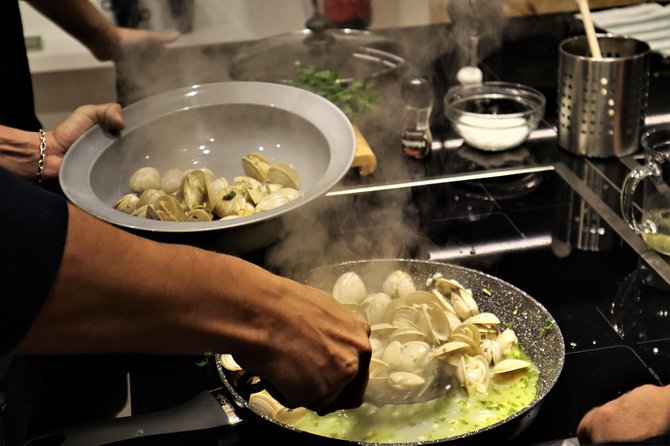
Portuguese cooking gets personal fast. This 3-hour, hands-on class in Lisbon has you cooking a full course meal step by step, with your own station and a small group. You’ll learn how Portuguese flavors actually come together, not just how to plate them, at Compadre Cooking School near public transit, in English.
What I like most is the small group setup that makes it feel more like a guided lesson than a demo. You also leave with recipes to recreate what you cooked, so the experience keeps going after you’re back in your kitchen.
One thing to think about: the format is focused on savory courses, and there isn’t a dessert option included in the menu as described, plus some people felt wine was limited during the cooking time.
In This Review
- Key Highlights You’ll Care About
- Hands-On Portuguese Cooking at Compadre Cooking School
- The value angle: what $82.24 really buys you
- The 3-Hour Flow: From Your Station to the Shared Meal
- Starter Course: Traditional Portuguese Beginnings
- Cod (Bacalhau) Course: Portugal’s Beloved Fish
- Meat Course: Traditional Options and Peri-Peri Style Heat
- Eating Together, Recipes to Take Home, and What You Actually Learn
- A note on wine and dessert
- Who This Lisbon Cooking Class Fits Best
- Should You Book This Compadre Cooking School Class?
- FAQ
- Is the cooking class in English?
- How long is the class in Lisbon?
- Where do I meet for the class?
- What is included in the meal?
- How big is the group?
- Are there age rules for children?
- Is alcohol served during the class?
Key Highlights You’ll Care About
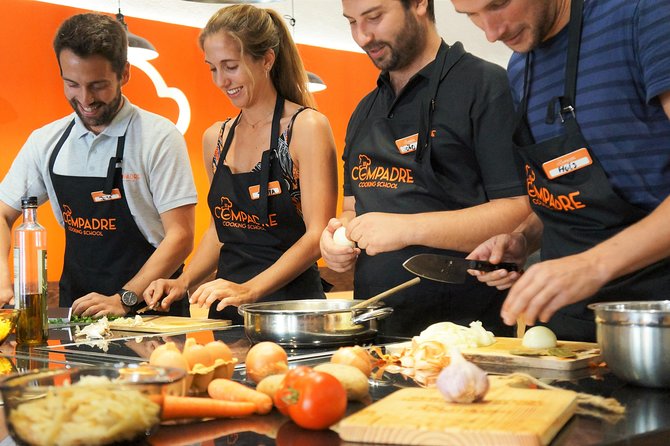
- Your own station for real hands-on cooking, not just watching
- Small group (max 12), so you can actually ask questions
- A full Portuguese meal from starter through cod and a meat course
- Bacalhau and pepper talk, with culture and cooking choices explained in plain language
- Recipes to take home, so you can repeat the menu later
- Tasting and sharing together at the end of class
Other kitchens in Lisbon we have cooked in
- Lisbon: Pastel de Nata Baking Class★ 4.9 · 2,106 reviews
- Lisbon: Traditional Portuguese Cooking Class★ 4.9 · 592 reviews
- Lisbon: 2-Hour Pastel de Nata Cooking Class★ 4.8 · 461 reviews
- Traditional Portuguese Cooking Class in Lisbon★ 5.0 · 287 reviews
Hands-On Portuguese Cooking at Compadre Cooking School
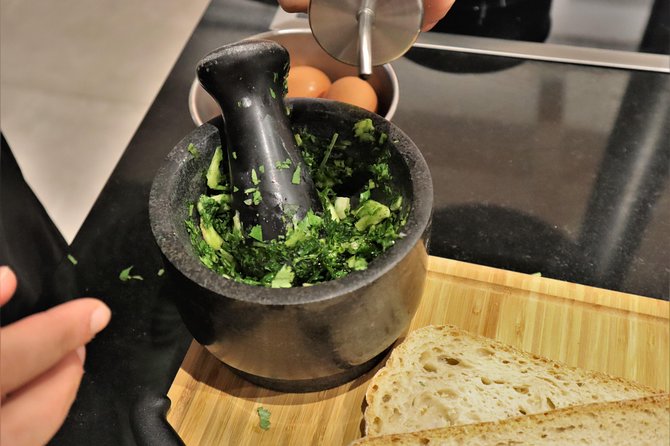
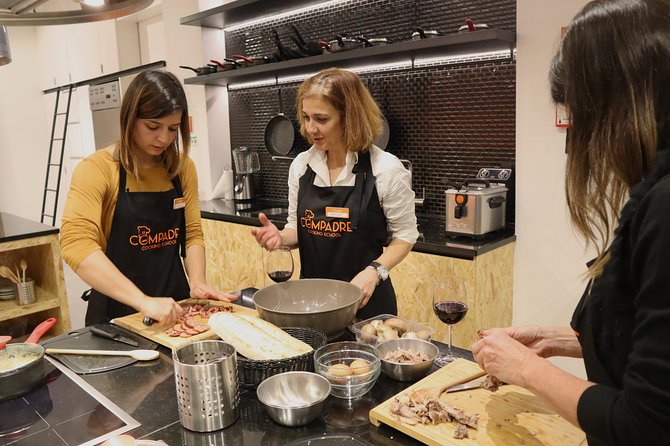
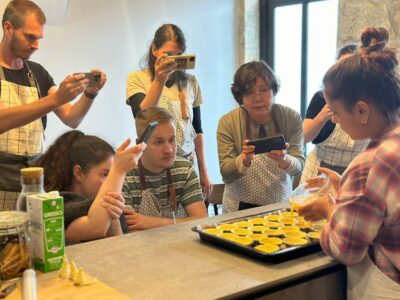
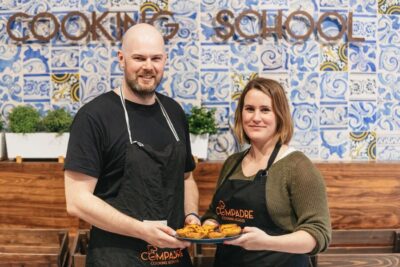
Lisbon already has plenty of great food, but this class is different because you learn it with your hands. You enter a spacious cooking school and get set at your own kitchen station, which matters because the instruction is step-by-step. Instead of relying on memory, you cook along with the plan and see what each step is supposed to look like.
The vibe also tends to be friendly and social. In multiple course memories, instructors like Anna, Marta, and Ana are singled out for clear guidance and patient teaching. If you’re worried you’ll be “too new” to cooking, this is designed for real beginners too, since you’re building core techniques while you work.
English is offered, so you won’t lose the point of the cultural explanations. And because the group is capped at 12 travelers, the instructor can stay on you and correct small things before they turn into a plate of regrets.
The value angle: what $82.24 really buys you
$82.24 per person can look steep if you think of it as a single activity. But you’re paying for a guided meal plus instruction plus recipes. You’re also getting a structured 3-course Portuguese experience that would cost far more if you tried to recreate it yourself without the coaching, and you’re doing it in a kitchen that’s already set up for cooking safely and efficiently.
The 3-Hour Flow: From Your Station to the Shared Meal
The class runs about 3 hours, and it’s built around one main location, Compadre Cooking School. You start there, cook there, then end there too. That simplicity is a real convenience in Lisbon, where travel time can quietly eat an evening.
Expect a rhythm like this:
1) You’re shown what to do and why.
2) You do the steps at your station.
3) You taste what you make, and the session ends with everyone sitting down to share.
That last part is not just social fluff. Sharing the meal gives you a quick “sanity check” for how things should taste. If your cod came out differently than the person next to you, you can compare notes right away and understand what likely changed.
Also, the instructors’ approach seems to be “practical first.” Multiple people highlight how the teachers explain the history behind dishes while still keeping the cooking instructions clear and doable. That combination helps you order better in restaurants later because you’re no longer guessing what Bacalhau or peri peri flavors are supposed to bring.
Starter Course: Traditional Portuguese Beginnings
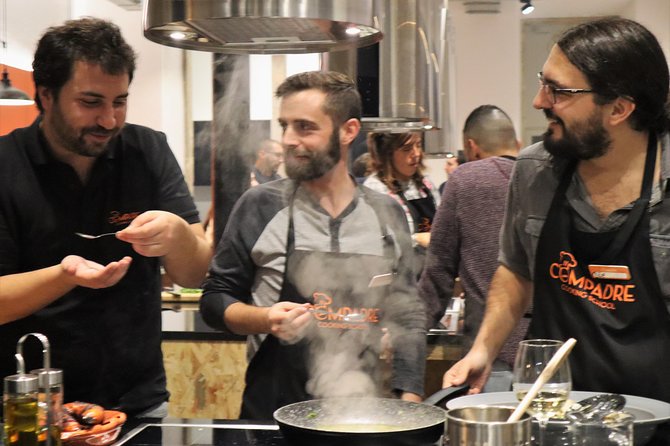
The menu includes a traditional Portuguese starter, and this is a good place to start because Portuguese meals often build toward hearty, flavorful dishes. Even when people come in with little cooking experience, the starter step tends to help you learn how the class operates: timing, chopping basics, seasoning style, and how to follow a recipe without turning it into an experiment.
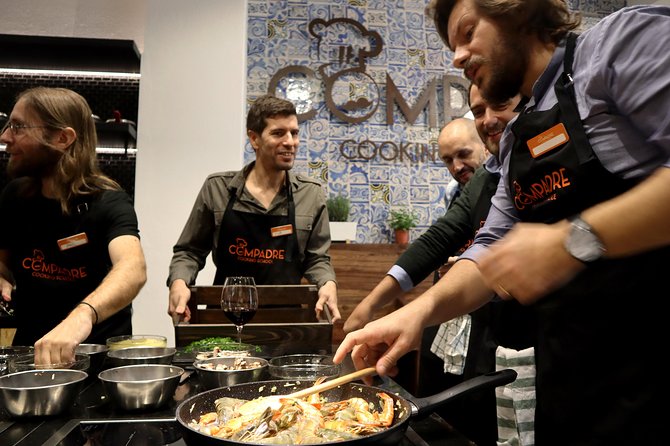
In one described experience, the class included hands-on prep like working with shrimp, including removing heads and deveining. If you’re squeamish about that kind of prep, you might want to mentally prepare for at least some basic seafood handling, even if the class is friendly and guides you through it.
The positive news is that the space is set up clean and organized. People explicitly mention that the cooking area was well laid out, and that each small group had their own station. That reduces frustration and makes it easier to focus on the food instead of the chaos.
Other Lisbon benches and studios we have sat down at

Cod (Bacalhau) Course: Portugal’s Beloved Fish
The fish course is built around a traditional codfish recipe, and cod is a big deal in Portugal for a reason. One of the strongest takeaways you’ll get is context for Bacalhau, especially salted cod, and why it shows up again and again in Portuguese cooking.
If you’ve ever wondered why cod appears on so many menus, this is where it clicks. The class experience connects the ingredient to the broader food culture, so you understand what you’re tasting instead of just eating a fish course.
This is also the course where hands-on technique matters. Cod can go right or wrong depending on salting, texture, and seasoning balance. By cooking it in class, you learn what consistency looks like, and you get a clearer mental model for how to recreate it later.
And because the group is small, you can ask questions during the cooking rather than waiting until the end.
Meat Course: Traditional Options and Peri-Peri Style Heat
The class also includes a traditional meat dish. Depending on the exact menu that day, you might find flavors like peri peri chicken described in a similar class experience. If heat is part of your Portuguese “must try” list, this is one of the dishes that tends to deliver.
One benefit of the way the instructors teach is that they don’t just hand you a recipe. They also explain the peppers Portuguese cooks favor and how that flavor shows up across dishes. That’s useful for your whole trip. After learning what peppers taste like and what they do to a sauce, you can make more confident restaurant choices instead of ordering blind.
The meat course also tends to teach foundational skills that apply beyond Portugal. Think browning, seasoning timing, and balancing sauce richness with acidity or spice. Even experienced home cooks mention learning more here, which suggests it’s not just basic “knife skills only.”
Eating Together, Recipes to Take Home, and What You Actually Learn
At the end, you sit down together and share the meal you cooked. That’s where the class clicks into place as an experience, not just a food project. It becomes a quick, low-pressure dinner with other people who are also curious about Portuguese food.
You’ll also take home the recipes. This part is more important than it sounds. Cooking classes often end with “it was good,” but you want repeatable instructions. Having the recipes means you can recreate the exact flavors you learned in Lisbon, without trying to reverse-engineer a dish later from taste alone.
If you’re the type who likes to cook for friends, this is a strong pick because the menu has personality. Portuguese cod and pepper-forward meat dishes make for dinner-party plates that feel special without requiring restaurant-level technique.
A note on wine and dessert
Two “worth knowing” items show up in feedback. First, at least one person wished there had been a dessert option included. Second, some feedback suggests wine can be limited during cooking time, even when it’s offered for adults. If wine is central for you, plan to enjoy it as a bonus, not the main event. And if dessert is a must, consider grabbing one after class nearby.
Who This Lisbon Cooking Class Fits Best
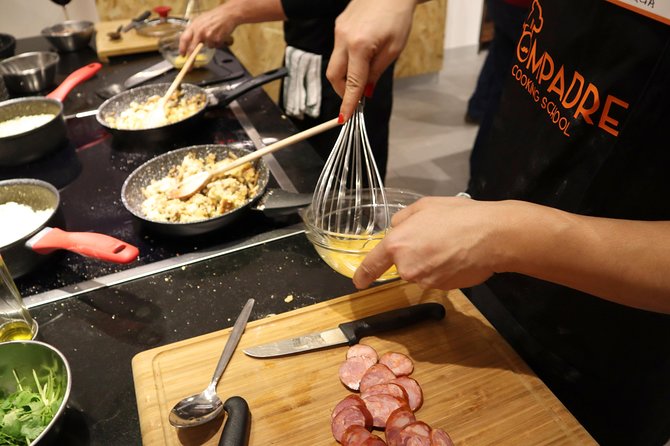
This is ideal if you want an authentic food experience you can steer yourself through. It’s not a hands-off tasting. You cook, you taste what you make, and you learn enough context to order better afterward.
It also works well if you’re traveling as a couple or small group. People describe cases where the class ended up feeling almost private, with groups as small as four. That’s a big deal in practice because you get more direct attention from the instructor at each step.
You’ll likely enjoy it most if you:
- Want to learn Portuguese cooking techniques you can repeat
- Like food that tells a story, especially cod and pepper flavors
- Prefer small groups and step-by-step guidance
You might prefer something else if you specifically want a longer menu, a guaranteed dessert component, or wine-centric pacing.
Should You Book This Compadre Cooking School Class?
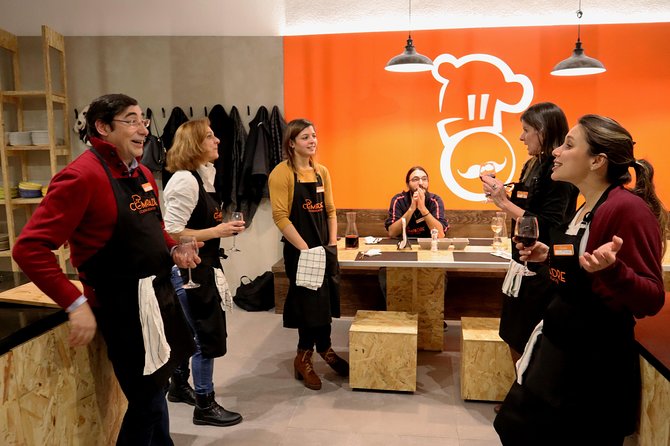
If your goal is a hands-on Portuguese meal in Lisbon, this is a strong yes. The combination of small group size, your own cooking station, and recipes you can take home makes the price feel more like instruction and a real meal plan than a simple activity.
Book it if you want cod (Bacalhau) explained, you’re curious about Portuguese peppers and peri peri style flavors, and you value learning technique over just eating. It’s also a great early-trip experience because it can sharpen how you choose dishes at restaurants for the rest of your stay.
I’d hesitate only if dessert is non-negotiable for you, or if you’re counting on lots of wine during the cooking steps. Otherwise, this is one of the better ways to spend an evening in Lisbon if you want food that sticks with you after the trip.
FAQ
Is the cooking class in English?
Yes. The class is offered in English.
How long is the class in Lisbon?
It runs for about 3 hours.
Where do I meet for the class?
You meet at Compadre Cooking School, R. Heliodoro Salgado nº14, 1170-176 Lisboa, Portugal. The activity ends back at the same meeting point.
What is included in the meal?
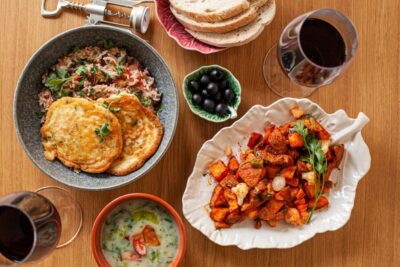
The course includes a starter and two main dishes, including a traditional codfish recipe and a traditional meat dish.
How big is the group?
The class has a maximum of 12 travelers.
Are there age rules for children?
Yes. Children up to 17 must be accompanied by a participating adult.
Is alcohol served during the class?
Alcoholic beverages won’t be served to participants under 18. Water or tea are substitutes.
Benches and Studios Across Lisbon




Kitchens in Lisbon We Cooked In

Newly added around Lisbon
- Tour in Italian of Belém
★ 5.0 · 100 reviews - Lisbon: Shrine of Fátima Half Day Tour
★ 3.5 · 100 reviews - Boat tours in the Óbidos Lagoon
★ 5.0 · 100 reviews - Private Sintra Half Day Tour
★ 4.6 · 100 reviews - Lisbon: Guided Riverside Segway Tour
★ 4.9 · 101 reviews - Private Tour: Sintra and Cascais Day Trip from Lisbon
★ 5.0 · 102 reviews - Lisbon Food & Local Drinks Evening Tour by Food Lover Tour
★ 5.0 · 102 reviews - From Lisbon: Algarve, Benagil Sea Cave & Lagos Full-Day Tour
★ 5.0 · 102 reviews - Private Transfer to/from Lisbon Airport, Train Station or Port
★ 4.0 · 103 reviews - Lisbon: 2H Sunset Boat Cruise Tour with Drinks
★ 5.0 · 103 reviews
Other boats, other operators: Cooking Classes.
 ★ 4.9Lisbon: Pastel de Nata Baking ClassFrom $642,106 reviews
 ★ 5.0Porto: Pastel de Nata Cooking Class with Grandma’s RecipeFrom $331,565 reviews
 ★ 4.8Porto: Pastel de Nata Cooking Class with Port Wine – SéFrom $41888 reviews
 ★ 4.9Lisbon: Traditional Portuguese Cooking ClassFrom $100592 reviews
 ★ 4.9Porto: Pastel de Nata Cooking Class from ScratchFrom $50468 reviews
 ★ 4.8Lisbon: 2-Hour Pastel de Nata Cooking ClassFrom $64461 reviews
 ★ 5.0Lisbon Portuguese Cooking Class with 3-Course DinnerFrom $130445 reviews
 ★ 5.0Porto: Pastel de Nata Cooking Class with Porto Wine (Sé do Porto)From $42340 reviews
Filed under