
REVIEW · PASTEIS DE NATA AND LISBON FOOD WALKS
Porto: Pastel de Nata Cooking Class with Porto Wine (Sé do Porto)
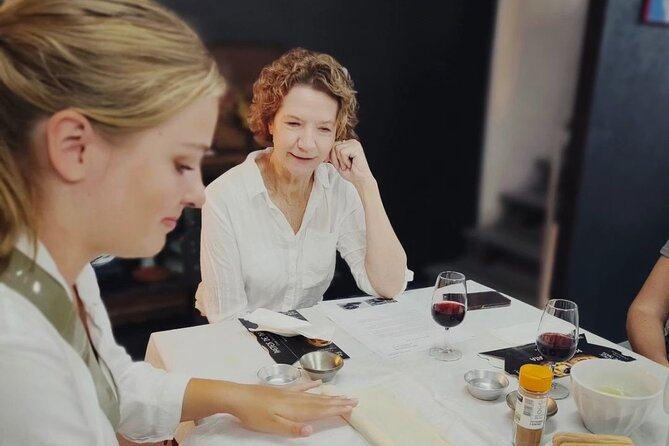
Custard first, then Port. This small-group Pastel de Nata class in Porto turns a famous pastry into something you can actually repeat at home, with hands-on guidance and a real food payoff. I especially like the Port wine pairing and the step-by-step coaching that gets you involved at each stage, with instructors named in reviews like Ana and Luis, Anita, Felipe, and Theresa.
One consideration: you do not make the puff pastry dough from scratch. The puff pastry is pre-prepared, and you rotate through shared tasks, so if you want to do every single step solo, you’ll likely want the private workshop option.
In This Review
- Key Highlights You Should Know
- Custard, Port, and a Short Walk to Sé do Porto
- Inside Domus Arte: Your Workshop Base in Porto
- Pastel de Nata History in Plain English, Then You Start Mixing
- Making the Custard Filling From Scratch (and How to Nail Texture)
- Baking the Tarts: What You Learn When the Oven Turns On
- Eating, Snacking, and Taking Home Pastéis de Nata
- Price and Value: Does $42.34 Make Sense?
- Who Should Book This Class, and Who Might Prefer Private Lessons
- Should You Book It in Porto?
- FAQ
- How long is the Pastel de Nata cooking class?
- Is the class in English?
- Do I make the puff pastry dough myself?
- What food and drinks are included?
- Can I take the Pastéis de Nata home?
- What is the cancellation policy?
Key Highlights You Should Know
- Hands-on custard and baking focus that gives you the core skills, not just watching.
- Port wine and snacks included, so you’re eating along the way, not waiting for the end.
- Small group size (max 8) for real attention and smoother teamwork.
- A house recipe and take-home help, including a transport box.
- Short history intro that explains why Pastel de Nata is such a Porto icon.
- English offered, with mobile ticket and a central meeting point near Sé do Porto.
More pastelaria stops and tasca crawls we have eaten our way around in Porto
- Porto: Pastel de Nata Pastry-Making Workshop★ 4.9 · 1,542 reviews
- Porto: Pastel de Nata Cooking Class with Port Wine – Sé★ 4.8 · 888 reviews
- Pastel de Nata | Workshop from scratch | Porto’s city center★ 5.0 · 449 reviews
- Porto: Pastel de Nata Cooking Class with Porto Wine (Sé do Porto)★ 5.0 · 340 reviews
Custard, Port, and a Short Walk to Sé do Porto
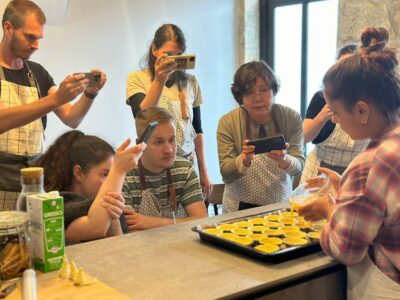
Porto has a lot of wow moments, but this one is delightfully practical. You spend about an hour and a half in a working pastry workshop learning how Pastel de Nata happens, from custard mixing to baking and pulling the warm tarts out.
If you’re the type who likes to understand the “why” behind a good bite, this class helps. The big focus is on what most home cooks usually get wrong: the custard consistency and the baking results. You’re not just handed a tart and sent on your way.
And then there’s the Port wine. It’s not a gimmick. It matches the mood of the room and the flavor profile of the dessert. One review mentions plenty of Port on a rainy-day visit, and that tracks with the relaxed, snack-included format.
The best part for your future self is the take-home value. You’ll leave with a recipe to recreate the tart at home, plus enough pastries to enjoy right away or pack up. That makes the experience more than a one-time sugar hit.
Inside Domus Arte: Your Workshop Base in Porto
You meet at Domus Arte | Concept Store, Rua da Bainharia 135, near Sé do Porto. It’s a solid central location, and the experience is set up to be easy to reach using public transport. There are bathrooms on site, and the format is comfortable for a short workshop.
The setting is described as clean and easy to work in. That matters because pastry work is all about timing and small handling details. If the kitchen feels chaotic, you lose attention. Here, the vibe is practical and friendly.
You’ll also get more than the cooking component. Domus Arte is a concept store with modern and traditional handicrafts and souvenir options. In at least one review, the store upstairs and the idea of pairing it with another activity like tile painting came up, so it’s a good spot to browse while you’re nearby.
Before you start cooking, you’re basically warming up on the basics: what you’ll make, how the session will run, and what to expect during the shared prep. Many reviews call out how instructors break steps down clearly and keep the energy up.
And because it’s English offered and a small group, you’re not fighting over questions. That’s a big deal when you want real technique, not just a pass-through experience.
Pastel de Nata History in Plain English, Then You Start Mixing
You begin with a short introduction to Pastel de Nata history. It’s not an essay. It’s a quick, helpful context so the pastry feels less like a random sweet and more like a Porto specialty with roots in local food culture.
Then you move into the action. The class uses a step-by-step process where participants take turns working on the recipe together. This is one of those formats that works well for most travelers because it avoids the boredom of standing around.
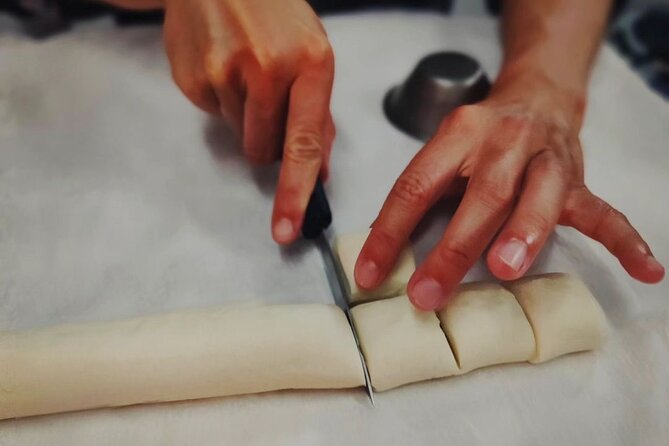
You’ll learn the custard filling approach first, since that’s the heart of the flavor. The puff pastry is pre-prepared, which shortens the time and reduces stress. That also keeps the focus on the part that actually benefits from coaching: custard texture and bake timing.
In several reviews, people singled out the instructors for being funny, warm, and attentive. Names that showed up include Ana and Luis, Anita, Ana, Felipe, and Theresa. Even when teaching styles vary, the common theme is the same: clear instructions, frequent check-ins, and hands-on rotation so you actually learn by doing.
This structure is ideal if you want to return home feeling confident. You’re not memorizing a process. You’re performing it, with guidance when you need it.
Making the Custard Filling From Scratch (and How to Nail Texture)
The custard recipe is the star of the show. More than one review says it’s the part you’ll remember, the part that gives the class its “value for money” feeling. That’s because it’s both doable and teachable.
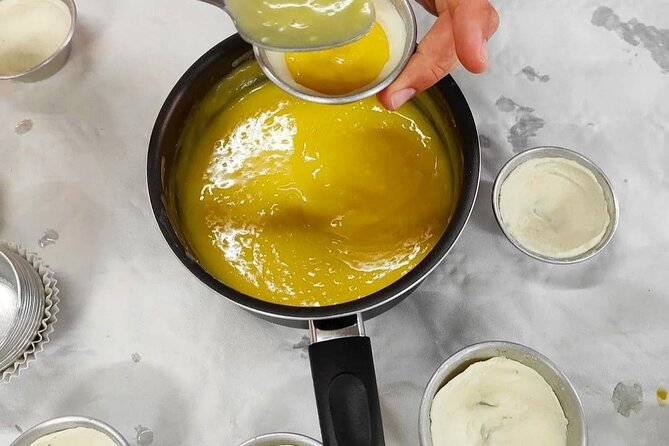
During the workshop, you take part in mixing the custard filling from scratch. In other words, you’re not assembling a shortcut tart and hoping for the best. You’re learning how to make the filling and understand what the finished custard should look and feel like before it goes into the pastry.
This is also where you get the practical cooking hints that make home results better. Reviews mention that instructors share tips not just for pastel de nata, but for broader kitchen technique. You may not walk out with a full culinary education, but you do walk out with targeted, useful guidance.
A common theme in feedback is the sense of personal attention. With a small cap (max 8), you’re more likely to be corrected at the exact moment something is off, rather than after the fact.
One thing to keep in mind: this class is interactive, but it’s not portrayed as a full solo, every-step experience. Participation is shared among the group. So if you’re a serious baker and you want to do every single stage without rotating away, ask about a private workshop option.
But for most travelers, shared participation is the sweet spot. It keeps you engaged, and it avoids one long stretch of you doing only one repetitive task.
Other vineyard runs around Porto we have reviewed

Baking the Tarts: What You Learn When the Oven Turns On
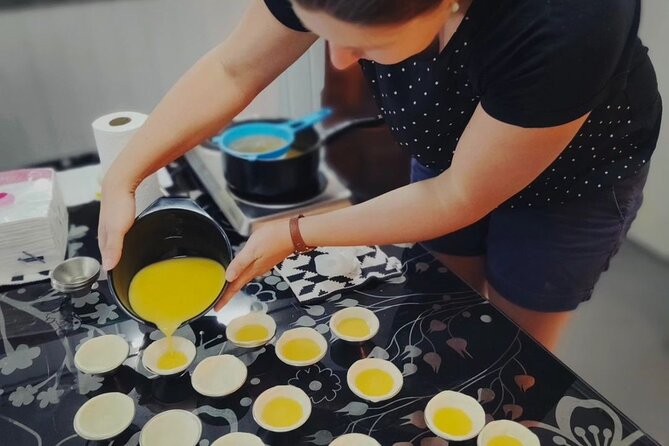
Once the custard and pastry are assembled, the process moves quickly. Baking is where you see if you got it right. That’s also why the class format works so well: you taste what you made while it’s fresh and warm.
Even though the pastry dough is pre-prepared, the final result still depends on your filling and your assembly. That’s the tradeoff you accept for a shorter workshop. You won’t master the full pastry dough craft in 90 minutes. But you will learn the key steps that drive flavor and texture.
Reviews also mention that the pastries finish early sometimes, and that the baked results can be better than what people had during their trip. That’s a strong sign the oven and technique are well managed, and the instruction is doing its job.
You’ll be in a room designed for this exact purpose, not a random storefront with questionable equipment. Clean setup and step-by-step timing are part of the reason it feels smooth.
The baking portion is also the moment you get the most satisfaction. Custard sets. The top forms. The tart goes from “I watched it happen” to “I made this.”
If you’re a little nervous about baking, don’t be. The class is designed so the process is guided enough that even first-timers leave with edible success.
Eating, Snacking, and Taking Home Pastéis de Nata
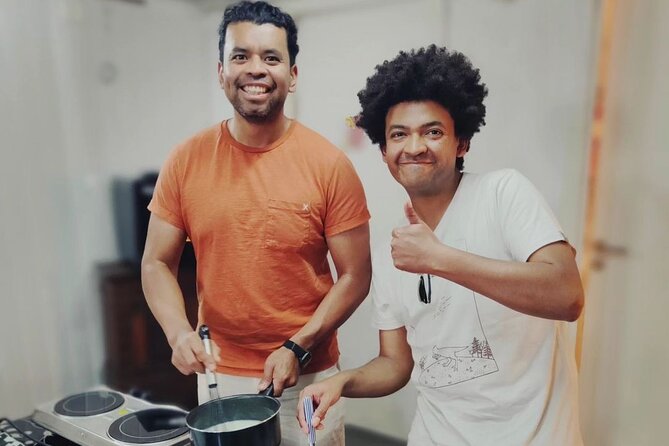
During the session, you’ll enjoy Porto wine, juice, water, coffee, and a selection of sweet and savory snacks. That turns a short lesson into a complete experience. You’re not rushed from learning to a final bite. You’re well-fed while you work.
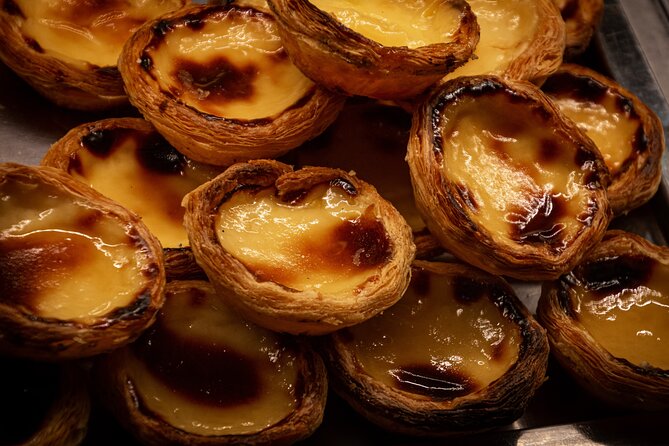
At the end, you eat the Pastéis de Nata you helped make. Several reviews mention warm tarts tasting especially good. That makes sense, because custard desserts are at their best right after baking, when the contrast between crisp pastry edges and creamy filling is at full strength.
You also take your pastries away. A transport box is included, which is a practical detail many cooking classes skip. If you’ve ever tried to move a delicate pastry without a plan, you know the value of a proper box.
A small note from real life: if you plan to carry them far, keep them cool and handle gently. A transport box helps, but custard is still custard.
And if you have a rainy afternoon in Porto, this class is a strong indoor fallback. Multiple reviews call it a fun way to spend a rainy day without losing your whole day to weather.
Price and Value: Does $42.34 Make Sense?
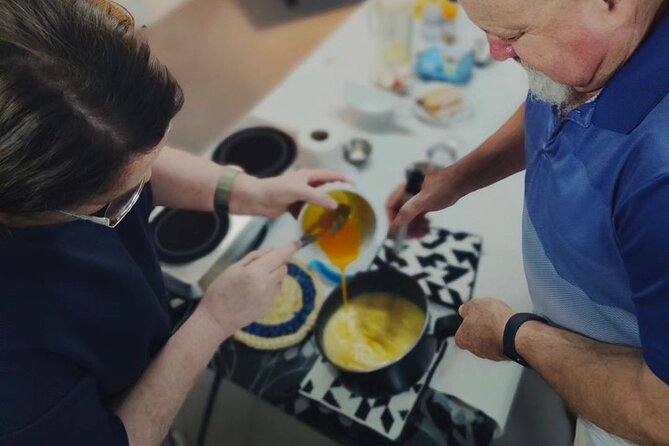
At $42.34 per person, you’re paying for more than ingredients. You’re paying for:
- hands-on instruction with a low headcount (max 8),
- included Port wine and snacks,
- coffee and drinks,
- a house recipe to recreate at home,
- and a take-home setup (transport box).
When you look at value, the big question is whether the class teaches skills you can use. Here, it does. The custard recipe is explicitly positioned as the key, and many reviews say it’s easy to make and produces great consistency and flavor.
The second value factor is the emotional payoff. You go home with a real sense of competence, not just a memory. A few reviews mention that it’s worth it because you leave confident and ready to make more.
Is it perfect for everyone? Not exactly. The puff pastry dough is pre-prepared, and some people felt that the “cooking” portion is shorter than expected for the price. If you want to go deep into pastry dough making, you might feel slightly limited.
But if you want a guided way to nail the custard and baking results, plus enjoy Port and leave with pastries and a recipe, the price feels fair.
Who Should Book This Class, and Who Might Prefer Private Lessons
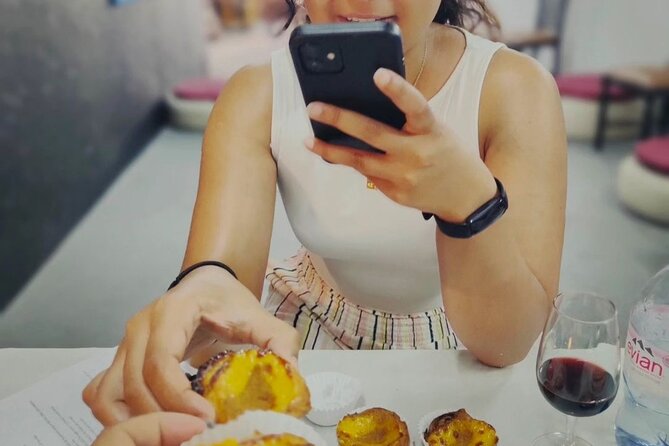
This class is ideal for:
- couples or small groups who want a fun indoor activity with food,
- travelers who like interactive lessons,
- first-time bakers who want guidance and success,
- anyone planning to buy ingredients later and try again at home.
It’s also a great rainy-day option since the session runs in a controlled environment and you’re busy the whole time.
One practical fit issue: because the pastry dough is pre-made and participation is shared, the class is not positioned as a full solo baking mastery course. For that, the private workshop option is the better match. If you want to do every step individually, ask ahead.
Food restrictions are also something to consider. One review notes that if you eat gluten free, you should tell the team ahead and they can accommodate. If that matters to you, message the operator when you book.
Finally, if you’re traveling with kids, a review says it’s short enough for children while still being fun and interactive. So if your group can handle a focused 90-minute-ish session, it can work.
Should You Book It in Porto?
Yes, if you want a practical, taste-first cooking class that leaves you with a recipe you’ll actually try again. The hands-on custard and baking focus is the right choice for most travelers. Add included snacks, Port wine, and take-home pastries, and you get a full experience without feeling like you paid for a quick tourist demo.
You should think twice if your main goal is mastering puff pastry dough from scratch. This is not that class. It’s the “make the classic at home” class, not the “train like a patisserie baker for a week” class.
If that sounds like your goal, book it, show up hungry, and go in ready to mix, bake, and then enjoy the results while they’re still warm. Porto gives you plenty of sights. This is one of the better ways to take a bite of the city home.
FAQ
How long is the Pastel de Nata cooking class?
It lasts about 1 hour 30 minutes.
Is the class in English?
Yes, it is offered in English.
Do I make the puff pastry dough myself?
No. The puff pastry is pre-prepared. You focus on the custard filling and the baking process.
What food and drinks are included?
You get Porto wine, juice, water, coffee, plus a selection of sweet and savory snacks.
Can I take the Pastéis de Nata home?
Yes. Each participant prepares several Pastéis de Nata, and a transport box is included.
What is the cancellation policy?
You can cancel for a full refund up to 24 hours in advance. Within 24 hours, the amount paid is not refunded.
Kitchens in Porto We Cooked In

Vineyard Runs Around Porto, Other Wine Days


Pastelarias and Tascas, More Lisbon Food Walks



Newly added around Porto
- From Porto: 516 Arouca Bridge and Paiva Walkways Guided Tour
★ 5.0 · 38 reviews - Private Vinho Verde Region Wine Tour from Porto Including Lunch
★ 5.0 · 39 reviews - Surf Lesson | Surf Lessons
★ 5.0 · 39 reviews - Bike or E-Bike Tour of Porto and Atlantic Coast
★ 5.0 · 39 reviews - Porto Street Art Tour
★ 4.5 · 39 reviews - Private Porto Secrets Walking Tour + Personal Port Wine Tasting
★ 4.5 · 39 reviews - Douro Valley Premium Private
★ 5.0 · 39 reviews - Private Tour to stunning Douro Valley and most renowned wineries
★ 5.0 · 39 reviews - Off the Beaten Track in Porto: Private City Tour
★ 5.0 · 39 reviews - Porto Sunset Bike Tour
★ 4.5 · 39 reviews
Other boats, other operators: Pasteis de Nata and Lisbon Food Walks.
 ★ 4.9Lisbon: Pastel de Nata Baking ClassFrom $642,106 reviews
 ★ 5.0Porto: Pastel de Nata Cooking Class with Grandma’s RecipeFrom $331,565 reviews
 ★ 4.9Porto: Pastel de Nata Pastry-Making WorkshopFrom $411,542 reviews
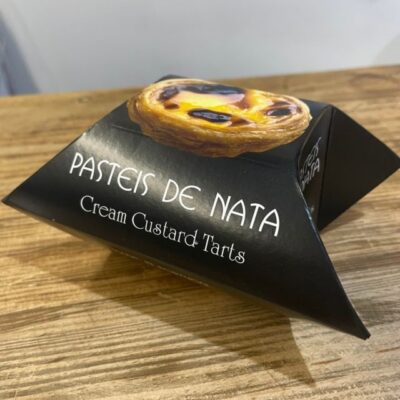 ★ 4.8Porto: Pastel de Nata Cooking Class with Port Wine – SéFrom $41888 reviews
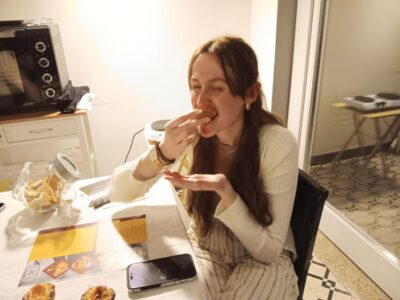 ★ 4.9Workshops Pasteis de Nata in Porto, PortugalFrom $40520 reviews
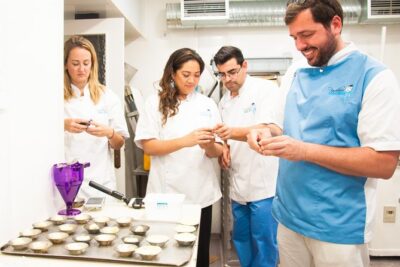 ★ 5.0Pastel de Nata Masterclass at a Real Bakery in Downtown LisbonFrom $84491 reviews
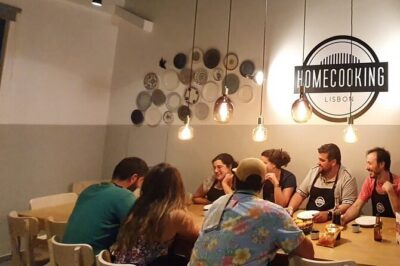 ★ 5.0Pastel de Nata Pastry Class: Bake and Enjoy Your Own TreatsFrom $66485 reviews
 ★ 4.9Porto: Pastel de Nata Cooking Class from ScratchFrom $50468 reviews